Aveline Kirana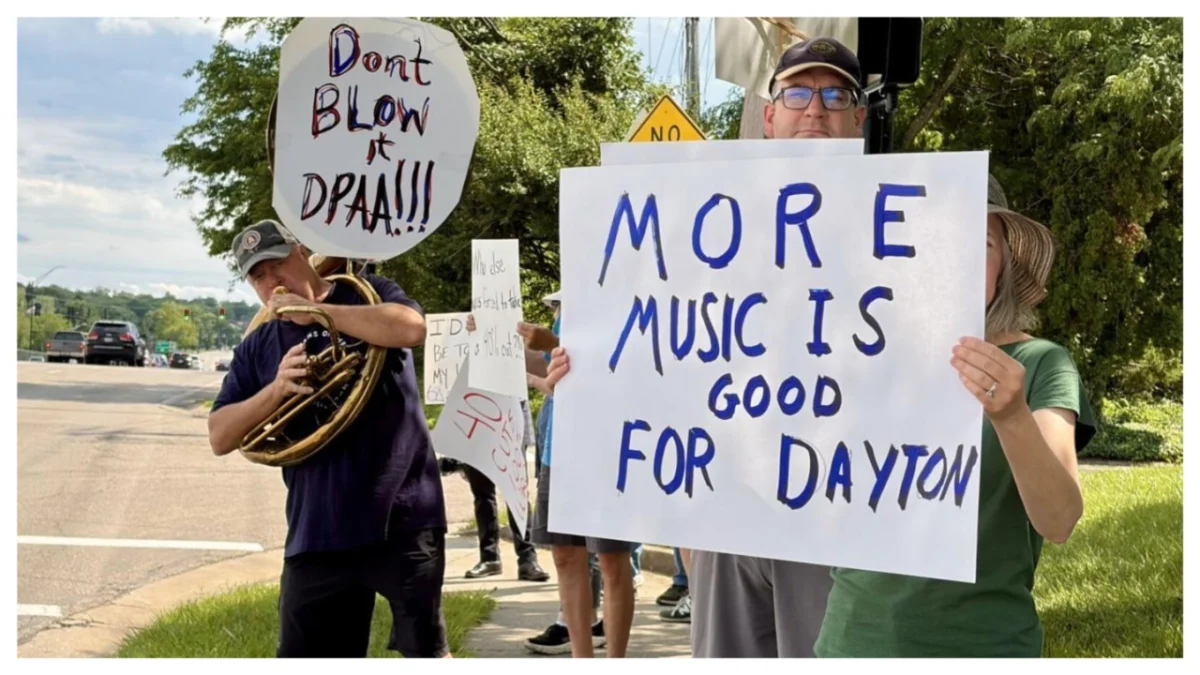
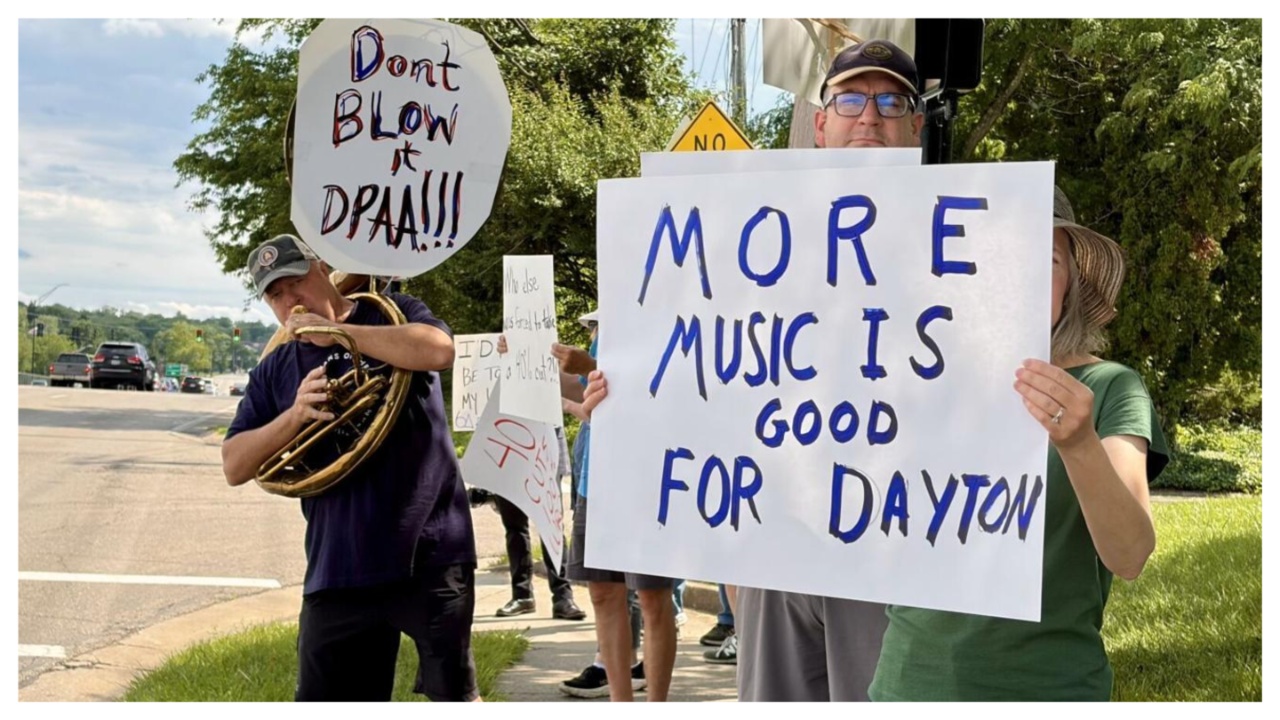
Dayton, OH – On June 18, a powerful convergence of Dayton’s artistic community took place at Epiphany Lutheran Church as musicians of the Dayton Philharmonic Orchestra, united under the banner of American Federation of Musicians (AFM) Local 101-473, staged a rally to champion the future of their esteemed organization. The gathering, attended by a diverse coalition of community members, arts advocates, and fervent supporters, was a vocal plea to the Dayton Performing Arts Alliance (DPAA) to reconsider and reverse proposed programming cuts that cast a long shadow over the orchestra’s future and the livelihoods of its dedicated musicians.
At the heart of the musicians’ protest was a deeply concerning set of programming reductions slated for the 2026-27 season. These cuts, detailed in previous reporting, have been identified by the musicians as a direct threat to the orchestra’s artistic integrity and its ability to maintain its status as a world-class ensemble. The rally served as a public forum for articulating these fears and galvanizing support for an alternative path forward.
A Community United: Petition and Collective Voice
A significant demonstration of public sentiment was presented at the rally: a petition bearing the signatures of nearly 1,800 community members. This substantial outpouring of support underscores the deep connection Dayton residents feel to their symphony orchestra and their strong opposition to the proposed austerity measures. The petition, handed over by the Players Committee, represents a clear mandate from the community for the DPAA to prioritize the preservation of the orchestra’s programming.
Underneath a prominent banner proclaiming "Creativity Not Cuts," a series of impassioned speakers articulated the central arguments against the DPAA’s proposed course of action. The core message resonated with the gathered crowd: that curtailing arts funding is not merely an economic decision but a detrimental blow to Dayton’s overall quality of life. Speakers emphasized that a community cannot achieve growth and prosperity by diminishing its cultural assets. Furthermore, they underscored the fundamental principle that maintaining a world-class symphony necessitates the fair and equitable employment of its professional artists, whose talent and dedication are the bedrock of the organization.
The visual solidarity of the attendees was palpable, with many donning blue attire – a color chosen to represent their support for the musicians. This symbolic gesture highlighted the ongoing contract negotiations between the orchestra’s musicians and the DPAA. The current contract is set to expire on August 31, adding an element of urgency to the discussions and the broader concerns surrounding the organization’s future.
Vote of No Confidence: Deepening Concerns Over Leadership
Adding a layer of gravity to the proceedings, the Players Committee formally expressed a vote of no confidence in the leadership of DPAA Chief Executive Officer Patrick Nugent and Chief Financial and Operating Officer Teri Warwick. This significant declaration reflects a profound lack of faith in the current direction and decision-making processes within the DPAA, particularly as the critical contract negotiations unfold. The impending expiration of the current contract intensifies the stakes, with the outcome of these negotiations poised to shape the orchestra’s operational and artistic landscape for years to come.
The DPAA, in its response to the Dayton Daily News regarding the rally and the vote of no confidence, acknowledged awareness of the event. An official statement conveyed the organization’s commitment to reaching a mutually agreeable outcome. "We recognize that contract negotiations can be challenging and emotional," the DPAA stated. "Our focus remains on the bargaining table, where meaningful progress is made and agreements are reached. Our priority continues to be reaching an agreement that supports our musicians, serves our audiences, and strengthens the financial stability and long-term vitality of the organization." This statement indicates a desire for continued dialogue, while the musicians’ actions suggest a significant disconnect in perceived priorities and trust.
Background and Chronology of the Dispute
The current tensions surrounding the Dayton Philharmonic Orchestra are not isolated incidents but appear to be the culmination of a series of financial pressures and strategic decisions impacting the arts sector in Dayton. The DPAA, responsible for overseeing the Dayton Philharmonic Orchestra, Dayton Opera, and Miami Valley Ballet, has faced the challenge of balancing artistic ambition with fiscal responsibility.
While the specific details of the proposed programming cuts for the 2026-27 season have not been fully disclosed publicly, the musicians’ union has indicated that these reductions are substantial enough to significantly alter the orchestra’s operational model and artistic output. This has led to widespread concern that the cuts could disproportionately affect the number of performances, the types of repertoire presented, and ultimately, the employment security of the musicians.
The contract negotiations, which are currently underway, represent a critical juncture. The expiration of the existing agreement on August 31 means that a new contract must be ratified to ensure continuity of operations. The musicians’ union, through its collective bargaining efforts, aims to secure terms that not only reflect fair compensation and working conditions but also safeguard the artistic integrity and long-term viability of the Dayton Philharmonic Orchestra.
The vote of no confidence in DPAA leadership suggests that discussions at the bargaining table may be encountering significant obstacles. A lack of trust between the musicians and management can impede productive negotiations and lead to prolonged disputes. The musicians’ public demonstration of no confidence signals a deep-seated concern that the current leadership’s strategies may not align with the best interests of the orchestra and its musicians.
Supporting Data and Contextual Analysis
The economic impact of a thriving symphony orchestra extends far beyond the direct employment of its musicians. Orchestras often serve as anchors for cultural districts, attracting tourists and local patrons who contribute to the broader economy through spending on hospitality, retail, and other services. Studies on the economic impact of the arts consistently demonstrate a significant return on investment for communities that support their cultural institutions.
For instance, a 2017 report by Americans for the Arts found that the nonprofit arts and culture industry generated $166.3 billion in economic activity annually in the United States, supporting 4.6 million jobs. While specific data for Dayton’s arts sector was not immediately available for this report, the general trend highlights the substantial economic contributions that arts organizations can make. Cuts to programming can, therefore, have a ripple effect, diminishing not only cultural offerings but also local economic vitality.
Furthermore, the concept of "quality of life" is inextricably linked to the presence of robust arts and cultural institutions. A vibrant symphony orchestra enriches the lives of residents, provides educational opportunities for young people, and contributes to a city’s reputation as a desirable place to live and work. The argument that "a community cannot cut its way to growth" suggests a recognition that strategic investment in cultural assets can yield long-term benefits that outweigh short-term cost savings.
The current situation in Dayton can be viewed within a broader national context of challenges facing performing arts organizations. Many orchestras have grappled with declining ticket sales, rising operational costs, and the need to adapt to changing audience demographics and preferences. However, the response to these challenges can vary significantly. Some organizations have focused on innovation, community engagement, and diversified revenue streams, while others have resorted to significant programming or personnel cuts. The Dayton Philharmonic’s situation highlights the difficult choices that arts leaders must make and the importance of stakeholder engagement in navigating these decisions.
Broader Impact and Implications
The outcome of the contract negotiations and the DPAA’s strategic decisions will have far-reaching implications for the Dayton Philharmonic Orchestra and the wider Dayton community.
- Artistic Viability: Significant programming cuts could lead to a reduction in the number of performances, a narrower scope of repertoire, and potentially a diminished artistic caliber. This could affect the orchestra’s ability to attract top-tier musicians and conductors, as well as its appeal to a diverse audience.
- Musician Livelihoods: The financial well-being of the orchestra’s professional musicians is directly at stake. Reduced programming can translate to fewer playing opportunities, lower wages, and diminished benefits, impacting their ability to sustain a career in music in Dayton.
- Community Engagement: A strong symphony orchestra is a vital cultural asset that fosters civic pride and provides shared experiences for the community. Any perceived decline in its offerings could lead to a decrease in public engagement and support for the arts.
- Economic Development: As previously noted, arts organizations contribute to the local economy. A weakened orchestra could have a negative impact on tourism, hospitality, and the overall vibrancy of Dayton’s cultural landscape.
- Organizational Governance: The vote of no confidence in DPAA leadership raises questions about the effectiveness of current governance structures and the ability of leadership to foster trust and collaboration with key stakeholders.
The Dayton Philharmonic Orchestra has a long and distinguished history, contributing significantly to the cultural fabric of the region. The current stand-off between musicians and management represents a critical moment that will likely shape its future trajectory. The community’s strong response, as evidenced by the petition, underscores the deep appreciation for the orchestra and the desire to see it thrive. The coming weeks and months will be crucial as negotiations continue and the DPAA weighs the demands of fiscal responsibility against the invaluable contributions of its artistic professionals and the cultural enrichment they provide to Dayton. The resolution of this dispute will be a testament to the community’s commitment to its artistic heritage and its vision for a culturally vibrant future.