Mia Khoirunisa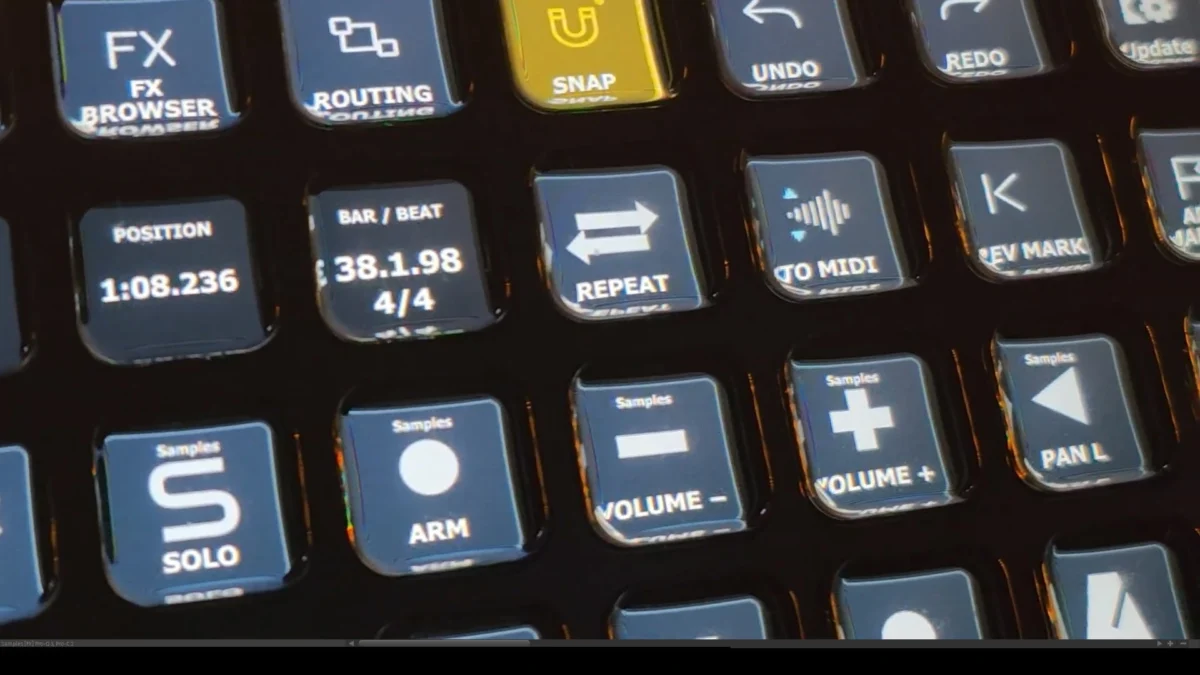
The intersection of broadcast hardware and music production software has reached a new milestone as Elgato’s Stream Deck solidifies its reputation as an indispensable digital audio workstation (DAW) accessory. Originally designed for live streamers and content creators to manage shortcuts, macros, and application states through customizable LCD keys, the device has increasingly found a permanent home in professional and project recording studios. The latest development in this cross-industry adoption comes from Granite Coast Studio, which has released a dedicated integration tailored specifically for Cockos Reaper, one of the most flexible and deeply customizable DAWs available on the market.
This new plugin, titled REAPER Live Control and priced at €15.00 on the Elgato Marketplace, bridges a longstanding gap in computer-based music production. By eliminating the cumbersome configuration of traditional MIDI learning, Open Sound Control (OSC) setups, and complex layers of computer keyboard hotkeys, the integration offers a direct, tactile pathway for audio engineers, producers, and sound designers to interact with their software environment in real time.
Background Context and the Evolution of DAW Control Surfaces
For decades, the standard method of interacting with a DAW relied on a combination of a computer mouse, a standard QWERTY keyboard, and dedicated hardware control surfaces. While traditional mixing consoles and motorized fader banks from manufacturers like Avid, SSL, and Behringer provide excellent tactile control over mixing parameters, they are often bulky, expensive, and limited when it comes to executing deep software-specific macros or custom scripting.
Conversely, computer keyboard shortcuts and macro utilities have long been the primary method for accelerating editing workflows. However, remembering dozens of key combinations across multiple plugins and software applications creates a steep cognitive load for the user. Furthermore, traditional hotkeys lack visual feedback; a user must look at a monitor to confirm whether a specific function, such as record arming, loop playback, or track muting, is currently active.
In recent years, hardware developers and software engineers have sought to merge the visual feedback of software interfaces with the physical satisfaction of hardware buttons. Apple attempted a similar concept with the introduction of the TouchBar on MacBook Pro models, offering dynamic, context-aware touch controls. However, the eventual phasing out of the TouchBar left a void for users who desired tactile, customizable shortcut displays. The Elgato Stream Deck effectively filled this space, offering physical push buttons backed by high-resolution LCD screens capable of displaying custom icons, text, and live visual feedback.
The Technical Implementation of REAPER Live Control
Developed by Jason at Granite Coast Studio, the REAPER Live Control plugin was engineered to address the specific workflows of Cockos Reaper users. Reaper is widely celebrated within the audio production community for its comprehensive Action List, which allows users to execute virtually any command via custom actions and ReaScript code (written in Python, Lua, or EEL).
The new Stream Deck integration taps directly into this architecture. According to the developer, the primary objective is to replace traditional setup layers with direct action discovery and live state tracking. The plugin automatically loads the comprehensive REAPER Action List, including any custom user-defined actions and scripts, directly onto the Stream Deck keys. Additionally, it reads native REAPER icons, displaying them on the corresponding physical buttons to ensure immediate visual recognition.
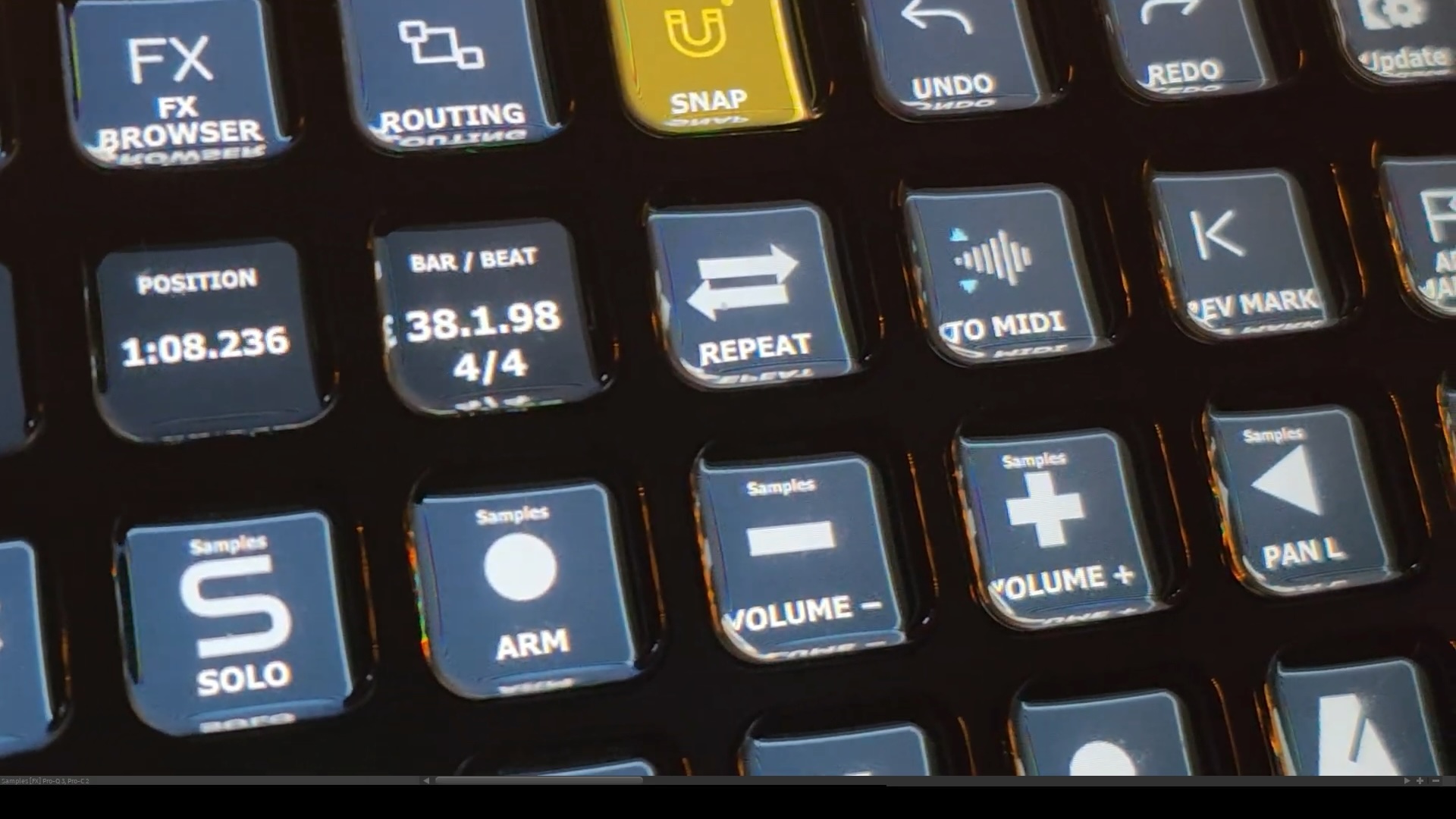
Beyond simple command execution, the hardware interface provides live transport and mixer states. Users can monitor project information—such as precise project position, tempo, and playhead status—directly on the keys themselves. This integration of bi-directional communication means that if a parameter is modified within the software interface using a mouse or external controller, the Stream Deck button updates instantly to reflect the change. This live state reporting distinguishes the integration from basic macro pads, elevating the hardware to a true extension of the DAW mixing environment.
Market Reception and the Broader Ecosystem
The release of the REAPER Live Control plugin reflects a broader trend within the audio software market, where developers are increasingly leveraging third-party peripheral ecosystems to enhance user workflow. While Elgato’s product line was conceived primarily for video production, gaming, and livestreaming platforms like OBS Studio and Twitch, the open nature of the Stream Deck Software Development Kit (SDK) has allowed independent developers to port the technology to specialized professional fields, including video editing, 3D modeling, and audio engineering.
Within the Elgato Marketplace, a growing variety of DAW-specific plugins has emerged, catering to users of major platforms such as Apple Logic Pro, Avid Pro Tools, Steinberg Cubase, and Ableton Live. However, industry analysts and audio professionals note that Reaper’s inherently modular design makes it uniquely suited for this type of hardware integration. The ability to map virtually every function in the software to an external trigger aligns seamlessly with the philosophy of the Stream Deck, allowing for a level of deep customization that few other DAWs can natively support out of the box.
For studio environments, the cost-efficiency of the setup is another driving factor. While dedicated professional studio controllers can cost thousands of dollars, a standard Elgato Stream Deck model can be acquired for approximately $100 to $150 USD, with software plugins available for modest digital purchase prices. This accessibility has democratized advanced studio workflow automation, making sophisticated hardware control viable for home recordists and independent producers alike.
Broader Impact and Future Implications for Music Production Workflows
The adoption of stream-control hardware in professional and project studios points toward a future where the traditional boundaries between consumer-grade streaming peripherals and professional studio gear continue to blur. As software applications become increasingly complex, the demand for intuitive, physical interfaces that reduce screen fatigue and mouse reliance is expected to grow.
The success of integrations like REAPER Live Control demonstrates that independent developers can effectively bridge the gap between closed hardware ecosystems and open software platforms. By providing real-time visual feedback, tactile operation, and deep integration with custom scripting environments, tools of this nature significantly reduce the friction points in the creative and technical phases of music production.
As the marketplace for DAW-specific Stream Deck plugins expands, audio software manufacturers may increasingly consider native hardware integration or closer partnerships with peripheral developers. For the present, however, the combination of Cockos Reaper and the Elgato Stream Deck stands as a benchmark for modern, efficient, and highly personalized DAW control, offering a glimpse into how studios of the future will manage increasingly sophisticated digital audio environments.