Reynand Wu
The Genesis of Conflict: “Crash Dummy” Decodes a Betrayal
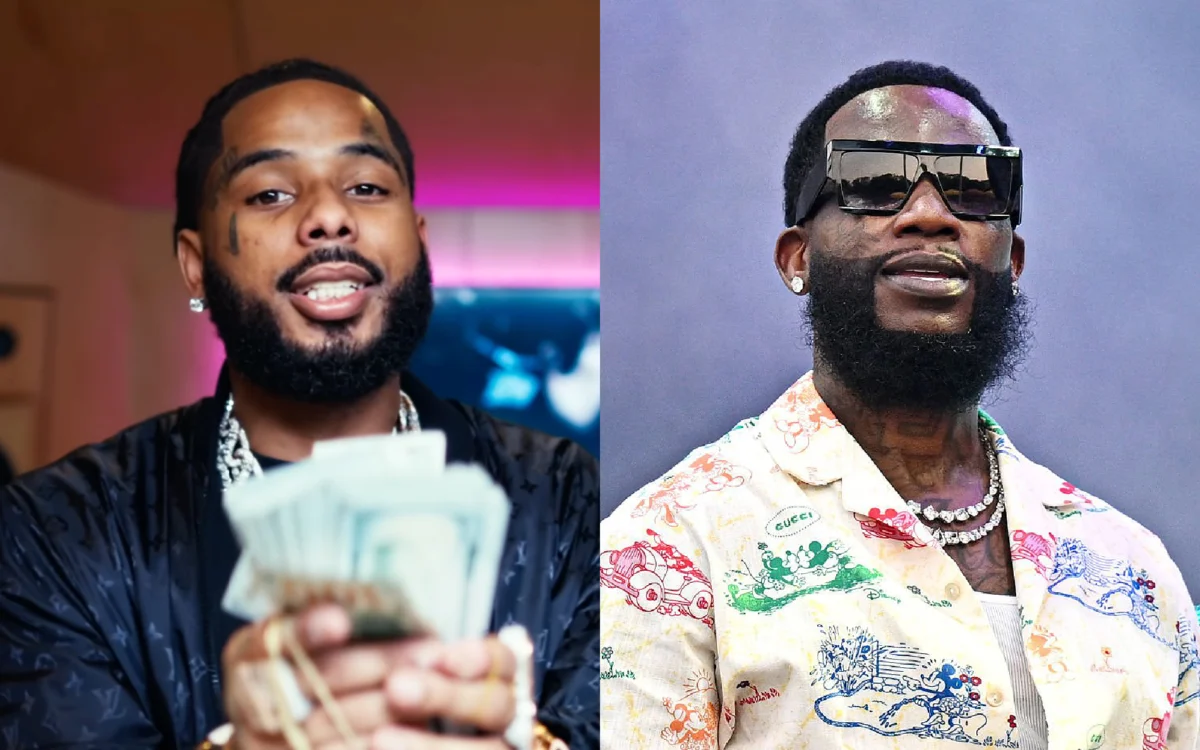
“Crash Dummy” is not merely a diss track; it is a meticulously crafted narrative of alleged betrayal and defiance, delivered over the signature trap production of Zaytoven, reminiscent of Gucci Mane’s foundational sound from the mid-2000s. The track opens with a direct assault on Shiesty and Big30’s perceived misjudgment and ongoing contractual obligations. Gucci Mane raps, "Tell the truth, you went out like a real crash dummy / And after all that, boy, you still signed to me? / I’m like Birdman and n*gga, this my Cash Money / And your fat-ass flunkie, he a stone-cold junkie." These lines not only assert Gucci Mane’s continued control over his label, 1017 Records, but also evoke the infamous Cash Money Records dispute between Bryan "Birdman" Williams and Lil Wayne, drawing a parallel to a significant power struggle within hip-hop history. The reference to Big30 as a "stone-cold junkie" adds a layer of personal insult, intensifying the lyrical aggression.
The song delves deeper into the specifics of the alleged ambush, recounting a January 10 meeting in a Dallas recording studio that quickly devolved into a nightmare. Gucci Mane vividly describes the setup, spitting, "I thought it was a business meeting, but it was a set up / I walk in the room, you can feel the pressure building / N*gga dapped me up, the whole time they plotting against me." This paints a picture of premeditated deception, transforming a professional encounter into a high-stakes confrontation. He further details the alleged coercion, stating, "Pressure on my chest, but I still ain’t pressed / Pen to the paper, but it’s under duress." This particular line directly addresses the central allegation that Pooh Shiesty forced Gucci Mane to sign paperwork releasing him from his 1017 contract at gunpoint, emphasizing that any such signing was made under extreme duress and, therefore, legally voidable.
Gucci Mane also leverages Pooh Shiesty’s past legal troubles and familial connections as lyrical ammunition. He reminds Shiesty, who was released from prison in October 2025 after serving time on separate gun charges, of his history: "You learn from your daddy, so I guess that it’s hereditary / I’m that same n*gga that put money on your commissary." This cutting remark implies a pattern of behavior passed down through generations and highlights Gucci Mane’s past generosity, painting Shiesty as ungrateful for the support he received while incarcerated. The "commissary" line is a stark reminder of the practical support Gucci Mane provided, contrasting sharply with the alleged betrayal.
Throughout the track, a tone of defiant resilience permeates Gucci Mane’s delivery. Despite the profound humiliation and the legal challenges stemming from the incident and subsequent arrests, he firmly declares his unwavering commitment to his label. "This 1017 the label, I built this shit from the ground / And I be damned if I let a n*gga take my shit down," he asserts, underscoring his determination to protect his legacy and the empire he meticulously constructed. The song concludes with the poignant refrain, "I done been betrayed, now my heart turned cold," encapsulating the emotional toll of the alleged events and signaling a hardening of his stance against those he once championed.
The Alleged Incident: A High-Stakes Encounter in Dallas
The events that precipitated this lyrical onslaught reportedly unfolded on January 10, 2026, at a recording studio in Dallas, Texas. What was ostensibly arranged as a business meeting between Gucci Mane, born Radric Davis, and his 1017 Records signees, Pooh Shiesty (Lontrell Williams Jr.) and Big30 (Aaron Fletcher), allegedly escalated into a violent and coercive encounter. According to federal investigators and testimony presented in court, Pooh Shiesty, accompanied by Big30 and several other individuals, ambushed Gucci Mane and two of his associates, described as music industry professionals.
The core accusation centers on Pooh Shiesty allegedly pulling a firearm and forcing Gucci Mane to sign documents intended to terminate his contract with 1017 Records. This act, if proven, represents a severe breach of both contractual law and personal safety, highlighting the extreme measures allegedly taken to sever ties with the label. Beyond the forced contract termination, the group is accused of robbing Gucci Mane and his two associates. The incident reportedly turned even more violent, with one of the victims allegedly choked to near unconsciousness during the ambush, underscoring the severity and brutality of the alleged actions. Big30 is specifically implicated in preventing the victims from leaving the studio, reportedly barricading the door with his body, thereby facilitating the alleged crimes.
Legal Fallout: Arrests, Bond Hearings, and Grave Charges
The legal repercussions for Pooh Shiesty and Big30 have been swift and severe. Last week, authorities executed multiple arrests in connection with the alleged Dallas incident. Pooh Shiesty and Big30 were among nine individuals taken into federal custody, including Shiesty’s father, Lontrell Williams Sr. The charges leveled against them include kidnapping and robbery, both carrying substantial penalties under federal law, potentially leading to life imprisonment if convicted.
Pooh Shiesty’s bond hearing, held earlier this week, resulted in a denial of release, a critical setback for the rapper. Judge Renee Harries Toliver cited Pooh Shiesty’s precarious legal status at the time of the alleged incident – he was on home confinement for separate gun charges, having only been released from prison in October 2025 after spending several years behind bars. The judge’s statement, "I can’t find any conditions to offer that haven’t already been granted to you," powerfully articulated the court’s lack of confidence in his ability to adhere to release conditions, given his alleged disregard for previous ones. This decision underscores the federal court’s stringent approach to individuals with a history of violating terms of release, especially when new, serious charges arise.
Big30, facing similar charges, fared slightly better in his initial bond hearing, being granted a $100,000 bond. However, this glimmer of hope was immediately extinguished as prosecutors successfully requested a stay on his release. This maneuver ensures that Big30 will remain incarcerated pending further review or a successful appeal by his legal team, effectively preventing his immediate release despite the bond being set. The prosecutors’ immediate action suggests a determination to keep all key defendants in custody, citing potential flight risks or dangers to the community.
The involvement of Pooh Shiesty’s father, Lontrell Williams Sr., in the arrests further complicates the narrative, suggesting a broader conspiracy and familial involvement in the alleged criminal enterprise. Federal authorities are likely piecing together the roles of each of the nine arrested individuals, with the intention of presenting a comprehensive case against the alleged perpetrators.
Gucci Mane’s Cooperation and the “Snitching” Dilemma
Adding another layer of complexity to this high-profile case is the revelation that Gucci Mane cooperated with law enforcement regarding the alleged robbery and kidnapping. During Pooh Shiesty’s court hearing, FBI Special Agent Pamela Hanson testified that investigators relied on statements provided by Gucci Mane and his two associates. Police were reportedly called to the Dallas studio by a member of Gucci Mane’s security team on the night of the incident, initiating the official investigation.
This cooperation, while standard practice for victims of serious crimes, places Gucci Mane in a precarious position within certain segments of hip-hop culture, where cooperation with law enforcement, often pejoratively termed "snitching," is heavily frowned upon. The "no snitching" code has deep roots in street culture and has long been a contentious topic within the rap community, often leading to ostracization or accusations of betrayal.
However, legal experts and mainstream observers emphasize the fundamental difference between voluntarily assisting in an investigation as a victim of a violent crime and actively informing on peers for lesser offenses. In a case involving alleged kidnapping, armed robbery, and assault, cooperating with federal authorities is not only a reasonable course of action but often a necessary one to ensure justice and personal safety. The potential for a "snitching" narrative to overshadow the severe nature of the alleged crimes highlights the complex interplay between legal obligations, personal safety, and deeply ingrained cultural codes within the music industry. Gucci Mane’s decision reflects a prioritization of his well-being and legal recourse over the unwritten rules of the street, a move that could reshape perceptions of him within certain fan bases, but also solidify his standing as a legitimate business figure unwilling to tolerate criminal behavior within his professional sphere.
Background and Broader Implications: A Mentor-Mentee Dynamic Unravels
The dramatic unraveling of the relationship between Gucci Mane and his proteges Pooh Shiesty and Big30 sends shockwaves through the hip-hop community, particularly within the trap genre where Gucci Mane holds legendary status. As the founder and CEO of 1017 Records, Gucci Mane has been instrumental in discovering and developing a new generation of talent, earning a reputation as a savvy label executive and a kingmaker in Atlanta trap. Artists like Pooh Shiesty and Big30 rose to prominence under the 1017 banner, with Shiesty, in particular, achieving significant commercial success with hits like "Back in Blood."
This incident, therefore, represents a profound betrayal of trust, not just between individuals but within the very framework of a mentor-mentee relationship that is crucial to the music industry. The alleged attempt to forcibly terminate a contract at gunpoint highlights the volatile intersection of street credibility, artistic ambition, and legitimate business practices. It serves as a stark reminder of the underlying tensions that can exist in artist-label relationships, particularly when significant financial stakes and personal histories are involved.
For the music industry at large, this case could have far-reaching implications. It may prompt a reevaluation of contract negotiations, artist development strategies, and security protocols, especially for labels dealing with artists who have backgrounds intertwined with street culture. The severity of the federal charges against Pooh Shiesty and Big30, coupled with the potential for life sentences, underscores the grave legal consequences of such actions, offering a sobering warning to others who might consider similar illicit means to resolve business disputes.
The future of Pooh Shiesty and Big30’s music careers hangs precariously in the balance. With both facing lengthy prison sentences, their ability to release new music, perform, or maintain relevance in a fast-paced industry is severely jeopardized. For Gucci Mane, while the incident is undoubtedly traumatic and damaging to his label’s reputation, his defiant response through "Crash Dummy" and his cooperation with law enforcement signal a determination to maintain control and uphold the integrity of his business. The saga serves as a compelling and unfortunate illustration of the complex, often dangerous, realities that can emerge when the lines between art, commerce, and street life become dangerously blurred. The legal proceedings are expected to be protracted and closely watched, with the outcomes potentially setting significant precedents for artist-label dynamics and criminal justice within the hip-hop sphere.