Jia Lissa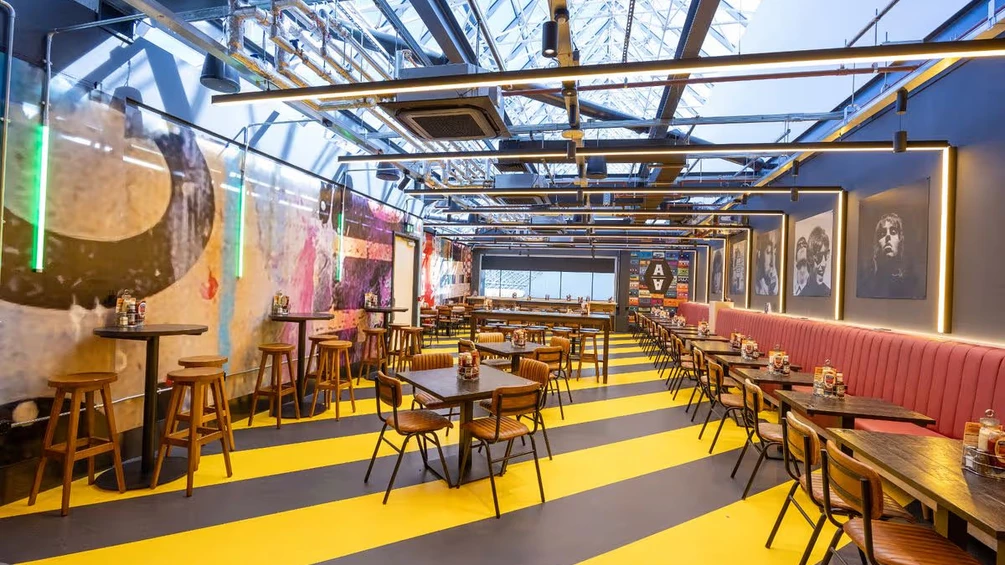
Manchester Airport’s Terminal 2 is poised to unveil a significantly renovated bar, The Amber Alehouse, featuring a comprehensive design tribute to the city’s iconic Haçienda nightclub. This initiative, part of the airport’s extensive multi-billion-pound transformation programme, aims to infuse a distinct local cultural flavour into the passenger experience, offering travellers a unique immersion into Manchester’s storied musical heritage before their flights. Set to open later this year, the bar promises to become a vibrant nexus where the city’s legendary past meets modern air travel.
The Haçienda Legacy: A Cultural Icon Revisited
The Haçienda, operational from 1982 to 1997, was not merely a nightclub; it was a cultural crucible that profoundly shaped the global music landscape and defined an era. Conceived by Rob Gretton, manager of New Order, and financed by Factory Records, the club quickly became the epicentre of the "Madchester" scene and a pivotal venue for the acid house and rave movements in the United Kingdom. Its distinctive industrial interior, designed by Ben Kelly, featured bold yellow and black stripes, exposed steelwork, and a raw aesthetic that perfectly encapsulated the burgeoning electronic music culture.
During its fifteen-year tenure, The Haçienda hosted a who’s who of nascent and established acts, from The Smiths and Madonna to Frankie Knuckles, Marshall Jefferson, and a myriad of local DJs who pioneered new sounds. It served as a vital platform for artistic expression, fostering a sense of community and rebellion against the prevailing mainstream. Despite its eventual financial struggles and closure in 1997, its influence continued to reverberate, inspiring countless musicians, artists, and club promoters worldwide. The club’s enduring mythos is a testament to its radical vision and its role in cementing Manchester’s reputation as a global music powerhouse. Its yellow and black stripes, often referred to as "danger stripes," remain instantly recognizable symbols of an era that redefined youth culture and clubbing.
A New Hub for Travellers: The Amber Alehouse Transformation
The renovation of The Amber Alehouse in Terminal 2 meticulously integrates elements inspired by The Haçienda’s iconic design and atmosphere. Central to the theme is the flooring, which features the club’s infamous yellow and black striped pattern, immediately evoking the distinctive visual identity of the original venue. Beyond the flooring, the bar’s walls will be adorned with photographs of celebrated Manchester-affiliated musical acts, including rock giants Oasis and The Stone Roses, alongside framed vinyl copies of classic records that defined the city’s sound. These visual cues are designed to transport patrons into a curated gallery of Manchester’s musical triumphs.
The experience extends beyond aesthetics into the auditory realm. Upon its reopening, The Amber Alehouse is slated to host occasional guest DJ sets, transforming the pre-flight wait into an impromptu club experience. For periods without live DJs, the music selection will be meticulously curated through specially crafted playlists, ensuring a continuous backdrop of Manchester-centric sounds that resonate with the Haçienda spirit. This commitment to an immersive audio-visual environment reflects a broader trend in airport design to enhance passenger engagement and create memorable, destination-specific experiences.
The culinary and beverage offerings have also been thoughtfully aligned with the theme. The bar will proudly serve a selection of beers from Salford-based brewery Seven Bro7her, reinforcing its commitment to local partnerships and celebrating regional craftsmanship. In a direct nod to The Haçienda and its associated acts, the cocktail menu will feature creatively named concoctions such as the "Happy Mondays Mojito" and the "New Order Negroni," offering patrons a taste of the city’s musical legacy in liquid form. Furthermore, the renovation includes the expansion of the bar’s seating area, designed to accommodate a greater number of travellers in a comfortable and engaging environment, fostering a communal atmosphere akin to the club it honours.
Manchester Airport’s Vision: Terminal 2 Redevelopment
The Haçienda-themed bar is a significant component of Manchester Airport’s overarching £1.3 billion Terminal 2 transformation programme, one of the largest private infrastructure investments in the North of England. This ambitious project aims to modernize and expand the airport’s facilities, dramatically enhancing the passenger experience and increasing its capacity to meet future travel demands. The redevelopment includes a significantly larger, brighter, and more intuitive terminal building, state-of-the-art security features, new retail and dining options, and an improved baggage system.
The strategic rationale behind incorporating a strong local cultural theme, such as The Haçienda, into the terminal’s offerings is multi-faceted. It serves to differentiate Manchester Airport from other global hubs by imbuing it with a distinct sense of place. For international visitors, it offers an immediate introduction to Manchester’s rich cultural tapestry, reinforcing the city’s brand as a creative and dynamic hub. For departing locals, it provides a poignant reminder of home and a celebration of their city’s legacy. This approach aligns with the airport’s broader vision to position itself not just as a transit point, but as an integral part of the regional identity, contributing to its economic and cultural narrative. Chris Woodroofe, the airport spokesperson, articulated this vision to the Manchester Evening News, stating, "This bar is our love letter to Manchester’s musical heritage. We’ve recreated the electric atmosphere of The Haçienda right here in Terminal 2, so passengers can sip a cocktail while soaking in the vibes that made the club world-famous." He further emphasised the desire to combat the often "soulless airport waits," promising that the "neon lights, graffiti walls, and Haçienda memorabilia will make it feel like a night out before your flight."
Thematic Venues in Airports: A Global Trend
The integration of locally themed venues and experiences within airport terminals represents a growing global trend in the aviation industry. Airports worldwide are increasingly moving beyond generic retail and dining options to offer unique spaces that reflect the culture, history, and distinct character of their host cities and regions. This strategic shift is driven by several factors, primarily the desire to enhance passenger satisfaction, combat the often-cited "airport fatigue," and create memorable travel experiences.
Modern travellers seek more than just efficient transit; they desire engagement and a connection to their destination from the moment they arrive or before they depart. By incorporating elements such as local art installations, regional culinary specialities, or culturally themed bars like The Amber Alehouse, airports can transform waiting times into opportunities for discovery and enjoyment. This approach not only improves the overall passenger journey but also serves as an effective marketing tool, strengthening the airport’s brand identity and fostering a deeper connection with its catchment area. From Amsterdam Schiphol’s Rijksmuseum Annex to Vancouver International’s Indigenous art collection, airports are becoming cultural gateways, offering a taste of the local essence. The Haçienda-themed bar at Manchester Airport exemplifies this trend, leveraging a powerful local icon to create a unique and engaging environment that celebrates the city’s globally recognised musical legacy.
Economic and Cultural Resonance
The opening of The Amber Alehouse with its Haçienda theme carries significant economic and cultural resonance for Manchester. Economically, it represents a direct investment in local infrastructure and contributes to the thriving tourism sector. By partnering with local businesses like Seven Bro7her Brewery, the airport fosters regional economic growth and supports local entrepreneurship. The increased appeal of the terminal, driven by unique attractions, can potentially encourage longer dwell times for passengers, leading to increased spending on food, beverages, and other retail offerings.
Culturally, the bar reinforces Manchester’s identity as a global music city. It acts as a living tribute to a significant chapter in the city’s history, ensuring that the legacy of The Haçienda continues to inspire and educate new generations of travellers. This initiative also leverages the powerful draw of nostalgia for those who remember the club firsthand, offering a poignant moment of reflection on past glories. For younger generations and international visitors, it provides an accessible entry point into understanding the cultural forces that shaped Manchester and its influence on contemporary music. The ongoing celebration of the Haçienda, evidenced by initiatives such as last year’s release of a classic mix archive featuring sets by luminaries like Frankie Knuckles, DJ Paulette, and Armand Van Helden, underscores the enduring power and commercial viability of this cultural icon. This airport bar joins a long line of projects and events that keep the spirit of Factory Records and The Haçienda alive, including exhibitions, documentaries, and even apartment developments built on the original site.
Statements and Anticipation
The enthusiasm from Manchester Airport leadership for this project is palpable. Chris Woodroofe’s earlier statements highlight a deep appreciation for Manchester’s cultural contributions and a clear intention to embed this pride within the airport’s fabric. "Travellers often complain about soulless airport waits. This bar changes that," Woodroofe articulated, pointing to the deliberate choice to inject vitality and character into the passenger experience. This sentiment is likely shared by local businesses involved, such as Seven Bro7her Brewery, who would view the partnership as a significant opportunity to showcase their products to a diverse international audience while aligning with a prestigious local landmark. While specific statements from Seven Bro7her were not immediately available, such collaborations are typically lauded as mutually beneficial, enhancing brand visibility and celebrating local enterprise.
The announcement has already generated considerable anticipation among music enthusiasts, former club-goers, and the general public. Social media channels and local news comment sections indicate a largely positive reception, with many expressing excitement at the prospect of reliving a piece of Manchester’s vibrant past. This widespread public interest underscores the enduring power of The Haçienda as a cultural touchstone and demonstrates how effectively it can still captivate imaginations decades after its closure. The blend of nostalgia with a modern, functional airport environment creates a unique proposition that taps into both emotional connection and practical utility.
The Future of Airport Experience and Local Identity
The Haçienda-themed Amber Alehouse at Manchester Airport’s Terminal 2 represents more than just a bar; it is a meticulously crafted statement about the evolving role of international airports. It signifies a move towards transforming transit hubs into dynamic cultural gateways that actively engage with and celebrate their local identities. By meticulously integrating the iconic imagery, musical legacy, and spirit of The Haçienda, Manchester Airport is setting a new benchmark for how airports can enhance the passenger journey.
This initiative strategically bridges the commercial imperatives of airport operations with the profound cultural heritage of its host city. It demonstrates a forward-thinking approach to customer experience, recognising that a truly memorable journey begins and ends with an authentic connection to the destination. As global travel continues to rebound and grow, such unique, culturally rich environments will become increasingly vital in defining an airport’s appeal and strengthening its position within the competitive landscape of international aviation. The Haçienda-themed bar stands as a testament to Manchester’s indelible mark on global culture and its continued commitment to celebrating that legacy.