Kholidah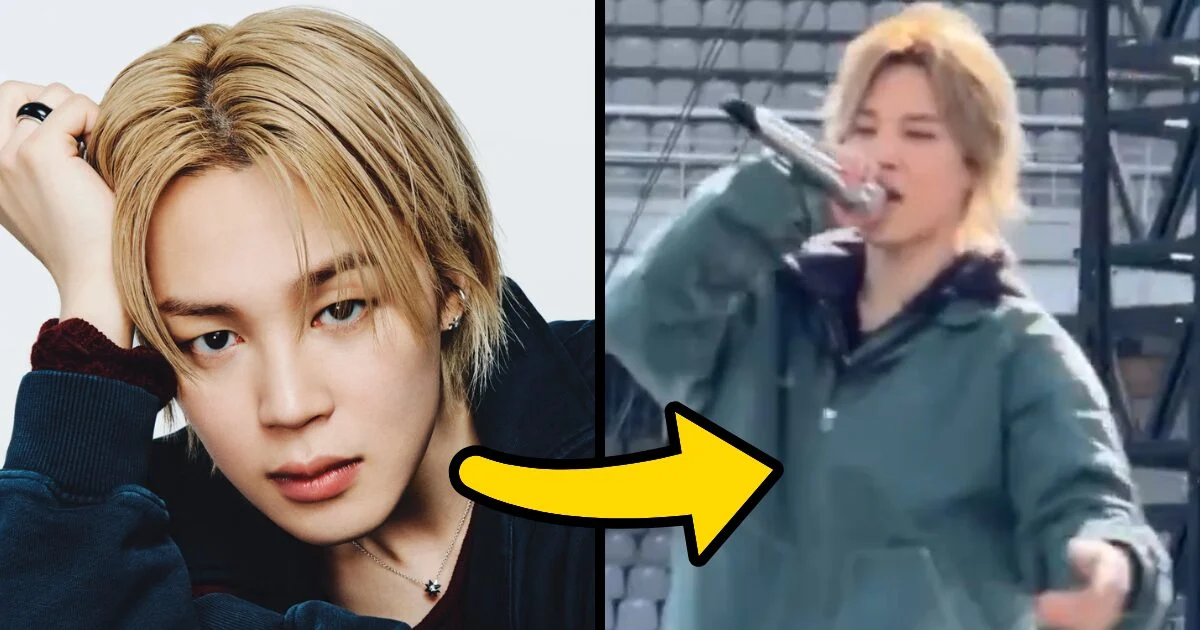
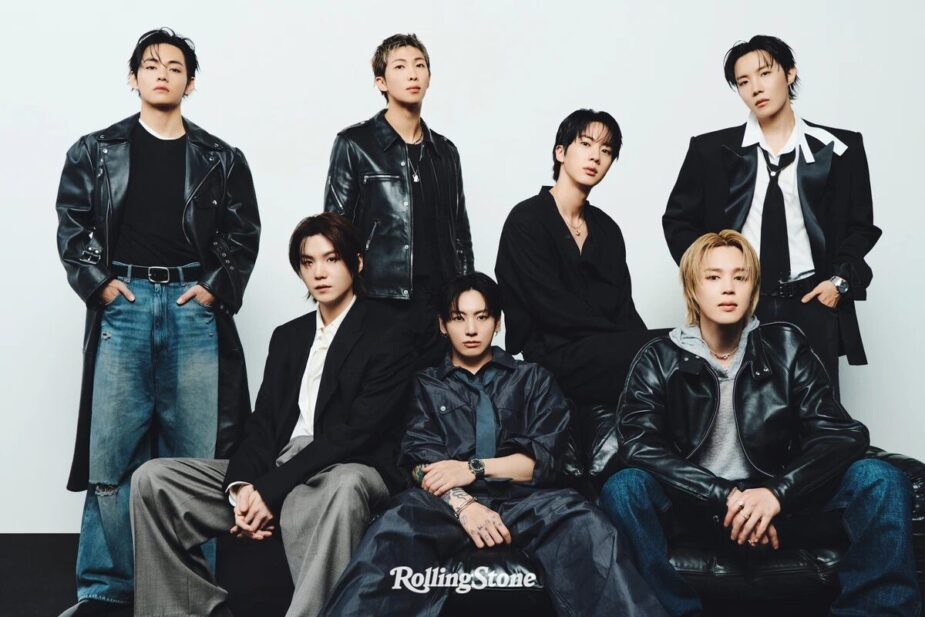
The global music landscape has been closely monitoring the return of BTS, the South Korean septet that redefined the international reach of K-pop, as they recently launched their highly anticipated ARIRANG world tour. Following a significant four-year hiatus primarily due to the members’ mandatory military service obligations, the group’s comeback was heralded by the release of their studio album, also titled ARIRANG. However, the initial celebratory atmosphere surrounding their return has been clouded by a wave of public scrutiny directed at member Jimin. The controversy centers on a viral rehearsal clip that has ignited a fierce debate regarding vocal authenticity and the use of pre-recorded tracks during live performances.
The incident gained traction on April 13, 2026, when footage from a soundcheck session began circulating across social media platforms, including X (formerly Twitter) and various K-pop community forums. In the video, Jimin is seen performing a segment of a new track, yet observers quickly noted a discrepancy between his physical actions and the audio output. Specifically, the vocal track remained consistent in volume and clarity even when Jimin moved the microphone several inches away from his face or lowered it entirely. This observation led to immediate accusations of lip-syncing, or the use of an "All Recorded" (AR) track, which includes both the instrumental and the full vocal performance, rather than a "Music Recorded" (MR) track which typically only provides instrumental support and backing harmonies.
The Context of the ARIRANG Comeback
To understand the intensity of the current backlash, it is necessary to examine the high stakes of the ARIRANG era. BTS officially concluded their group hiatus in early 2026, marking their first full-ensemble studio project since their transition into military service years prior. The ARIRANG album was marketed as a "return to roots," blending traditional Korean motifs with the group’s signature pop and hip-hop sound. Given the group’s reputation for high-octane performances and vocal stability, expectations from both the industry and the "ARMY" fanbase were at an all-time high.

The tour, which kicked off in Seoul before moving to international venues, sold out within minutes, with premium "Soundcheck" packages commanding prices significantly higher than standard admission. These packages offer fans a behind-the-scenes look at the group’s preparation, usually promising an intimate and raw vocal experience before the highly produced main show. The discovery that these rehearsal sessions may rely heavily on pre-recorded vocals has struck a chord with fans who view the soundcheck as a premium for authenticity.
Technical Analysis of Vocal Performance in K-Pop
The use of backing tracks is a standard practice within the K-pop industry, often utilized to support artists during strenuous choreography. These tracks range from "Live MR," which contains loud backing vocals to mask heavy breathing, to "AR," where the artist may not be singing live at all. However, the professional standard for veteran groups, particularly those of BTS’s stature, has historically leaned toward live vocal delivery with minimal electronic assistance.
In the viral clip involving Jimin, critics pointed to the "flatness" of the audio as evidence of a studio-tuned track. Unlike live vocals, which fluctuate based on the singer’s movement, distance from the microphone, and physical exertion, the audio in the rehearsal clip appeared to be a static studio recording. The lack of "vocal air" or natural imperfections—elements usually present in a live environment—has led many to conclude that the performance was not a live vocal exercise but a choreographed lip-syncing rehearsal.
Domestic and International Reactions
The reaction to the footage has been divided yet overwhelmingly critical across different demographics. International fans on X expressed shock, with several posts garnering tens of thousands of likes and retweets. One user, under the handle @lilyrosez68sf, commented that "Lipsynching even at rehearsal is crazy," reflecting a sentiment that rehearsals should be the space where artists hone their live craft. Another user, @jeonjjk168, suggested that this incident undermines the group’s historical claims to vocal excellence, stating that "Lypsync from rehearsals to concerts" is a disappointing development for the group’s legacy.

In South Korea, the discourse on platforms like Nate Pann and TheQoo has been even more pointed. Korean netizens, often referred to as "K-netz," have focused on the financial implications for the fans. A common theme in the domestic criticism is the perceived lack of respect for the audience. One netizen noted that HYBE, the agency representing BTS, appeared to have "carefully tuned" the audio to the point where the members themselves seemed disconnected from the track.
The criticism extended to the technical quality of the alleged live vocals. Some commentators described the audible portions of the performance as "mosquito-like," suggesting that when the live voice was audible, it lacked the power and range expected of a professional singer. "Is turning on AR and then quietly singing backing vocals… supposed to count as live?" questioned one Korean user, highlighting a growing frustration with the industry’s blurring lines between live and recorded sound.
Economic and Ethical Implications for Fans
A significant portion of the backlash stems from the commercialization of the "Soundcheck" experience. In the modern touring economy, VIP packages are a vital revenue stream for agencies. For the ARIRANG tour, these packages reportedly cost upwards of several hundred dollars extra, marketed as an exclusive opportunity to hear the group’s "real" voices in a less filtered environment.
The ethical debate arises when the "exclusive" experience is revealed to be as produced as the main concert. Critics argue that if an artist utilizes a full AR track during a soundcheck, the consumer is being misled. This has led to calls for transparency in how these sessions are marketed. Some netizens have gone as far as demanding partial refunds, arguing that the "live" component of the soundcheck—the primary selling point—was not delivered.
The Pressures of a Post-Hiatus Career
From an analytical perspective, the reliance on backing tracks may be a symptom of the immense pressure placed on the group following their four-year break. Returning to the stage after a prolonged absence requires significant physical conditioning. For Jimin, who has been praised for his unique vocal color but has also faced past criticism regarding vocal stability during high-intensity dancing, the pressure to deliver a "perfect" performance may have led to a more cautious approach in the rehearsal stages.
Furthermore, the K-pop industry has shifted toward a "content-first" model. Every moment of a tour is recorded for behind-the-scenes documentaries, social media reels, and promotional material. This constant surveillance often incentivizes agencies to prioritize a "perfect" recorded sound over the risks of a live vocal performance, ensuring that any leaked or official footage maintains the highest possible aesthetic standard.
Industry Impact and Future Outlook
The controversy surrounding Jimin and the ARIRANG tour serves as a pivotal moment for the K-pop industry’s ongoing debate over live performance integrity. As BTS remains the primary ambassador for the genre on the global stage, their performance standards often set the benchmark for junior groups. If the industry’s leaders move toward a more "produced" live experience, it may signal a broader shift in what is expected of K-pop idols.
As of April 15, 2026, HYBE has not issued an official statement regarding the specific rehearsal clip. Historically, the agency has maintained a policy of focusing on the overall quality of the performance rather than addressing individual technical critiques. However, with the ARIRANG tour only in its early stages, the group and their management face a choice: they can address the concerns by incorporating more transparently live vocal elements in upcoming shows, or they can continue with the current production model, risking further alienation of a vocal minority of the fanbase.

The long-term impact on Jimin’s reputation as a soloist and a group member remains to be seen. While his dedicated fanbase continues to offer support, citing the physical demands of the tour as a justification for vocal assistance, the broader public discourse suggests a growing demand for authenticity in the "live" music experience. As the ARIRANG tour progresses to North America and Europe, the spotlight on the group’s microphones will undoubtedly remain intense, with every note scrutinized for its origin.
In conclusion, the incident highlights a widening gap between the technological capabilities of modern concert production and the traditional expectations of live musicianship. For BTS, a group that built its empire on a foundation of "sincerity" and "hard work," navigating this controversy will be essential to maintaining their status as the preeminent figures in global pop music. The ARIRANG tour, intended to be a triumphant return, now serves as a case study in the complexities of fame, fan expectations, and the evolving definition of a "live" performance in the digital age.