Mia Khoirunisa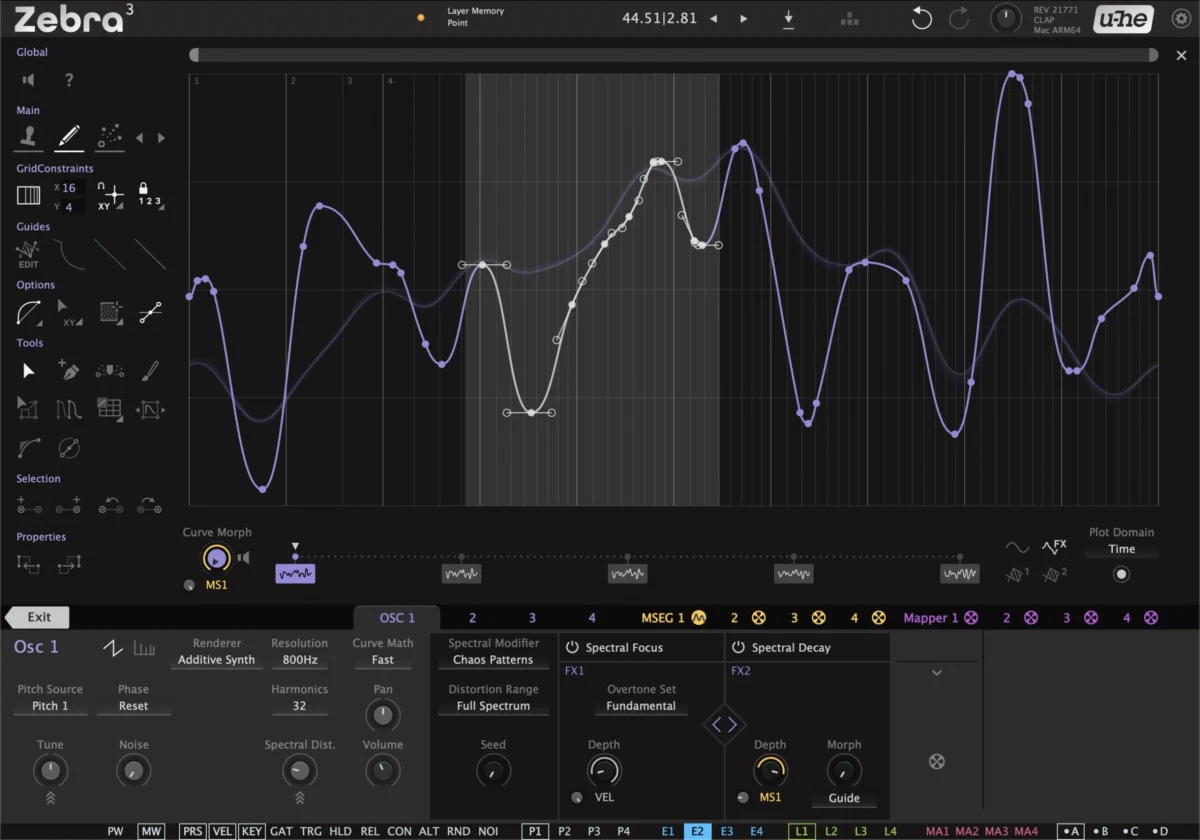
After years of anticipation, u-he has officially released Zebra 3, a groundbreaking software synthesizer that promises to challenge the dominance of even full-fledged modular systems. Available now for macOS, Windows, and Linux, Zebra 3 represents a significant leap forward in synthesis technology, offering an expansive palette of sound design capabilities within a single, integrated plugin. The instrument aims to deliver an unparalleled depth of synthesis, encompassing everything from intricate spline-based morphing oscillators and sophisticated physical modeling to advanced through-zero FM synthesis, positioning it as a truly unique offering in the competitive digital audio workstation (DAW) landscape.
A Legacy of Innovation: The Evolution of Zebra
The genesis of u-he’s Zebra dates back to 2003, with a pivotal version 2 update in 2007. In an era where achieving complex, multi-layered synthesis often necessitated diving into dedicated modular environments like Native Instruments’ Reaktor or Cycling ’74’s Max/MSP (and its predecessor, Tassman), Zebra offered a remarkably integrated and accessible solution. Even as virtual instruments evolved, with NI’s highly influential Massive arriving in 2006, Zebra maintained its distinct character and innovative approach. The original Zebra was lauded for its ability to cram an astonishing amount of synthesis power into a user-friendly, single-window interface, a feat that set a new benchmark for software synthesizers.
The intervening years have seen the market for semi-modular and versatile soft synths expand dramatically. Today’s producers have a wealth of choices, including Arturia’s Pigments, Xfer Records’ Serum 2, and the robust open-source Surge XT, all of which offer complex sound design capabilities. However, u-he’s unique philosophy and approach to sound design, deeply embedded in Zebra’s architecture, continues to set it apart. Zebra 3 builds upon this legacy, aiming to fulfill some of the ambitious promises made by other advanced synths, such as Native Instruments’ Massive X, by offering an even more profound level of sonic manipulation and creative freedom.
"Wireless Modular" Paradigm: Bridging the Gap
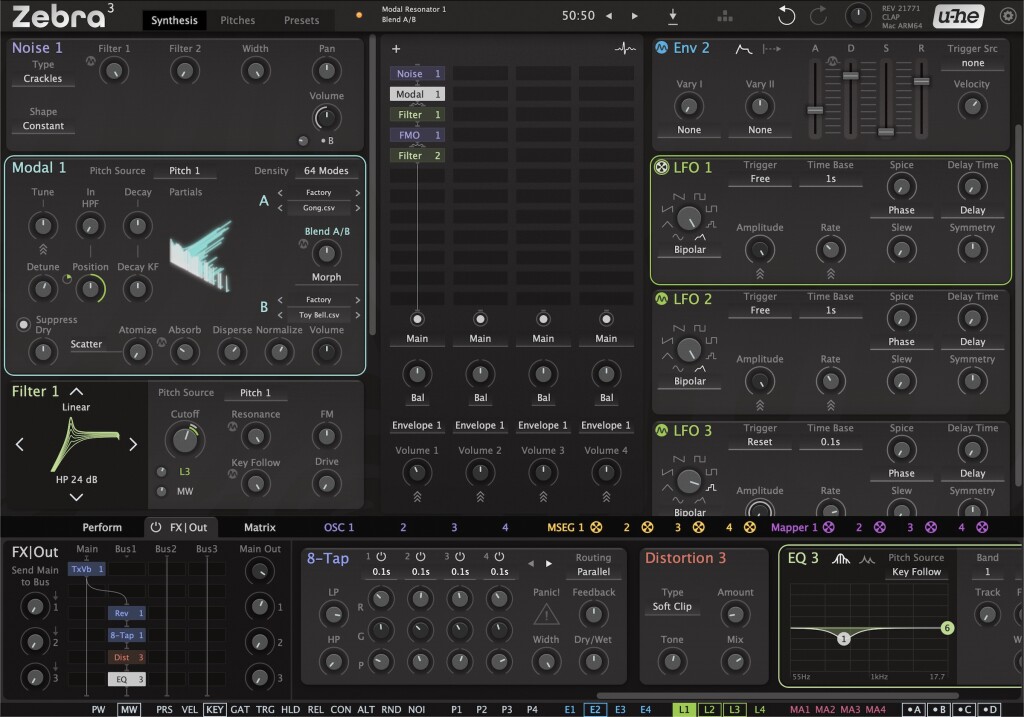
One of Zebra 3’s most compelling aspects is its ability to emulate the creative freedom of modular synthesis without the physical constraints of patch cables. The plugin allows users to freely instantiate and connect a vast array of modules through an intuitive drag-and-drop interface. This approach empowers sound designers to layer and combine diverse synthesis methods—from subtractive and additive to FM and physical modeling—with a flexibility that rivals dedicated modular hardware. For those who appreciate the intricate interconnectivity and layered complexity inherent in modular systems, Zebra 3 offers a streamlined, software-based alternative, effectively removing the need for physical patch cords while retaining the core principles of modular patching.
This "wireless modular" concept, as u-he terms it, is a testament to the plugin’s sophisticated internal routing architecture. While it maintains normalled signal paths for ease of use, users can delve into its deep modulation matrix to reroute pitch, gate, and trigger signals to virtually any parameter. This level of control ensures that complex modulation and intricate signal flow are not only possible but encouraged, making Zebra 3 a powerhouse for experimental and intricate sound design.
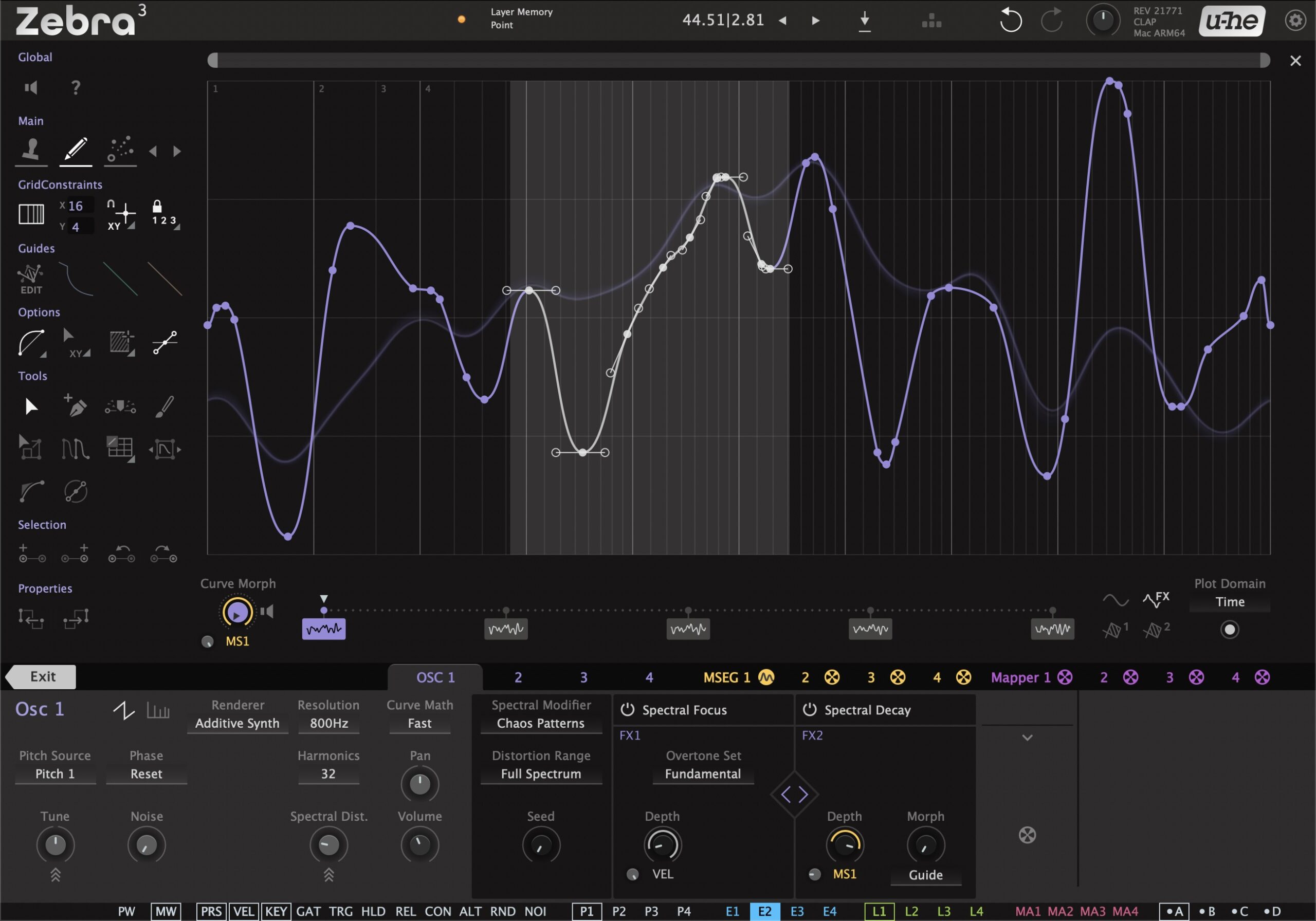
A Comprehensive Synthesis Engine: Unpacking the Features
The feature set of Zebra 3 is nothing short of extensive, integrating a remarkable range of synthesis techniques into a cohesive whole. The plugin supports:
- Physical Modeling: This includes modules like noise generators, exciters, modal resonators, and modeled filters, allowing for the simulation of acoustic instruments and the creation of organic, resonant textures.
- Modal Synthesis: A specialized form of physical modeling, modal synthesis focuses on the resonant frequencies of objects, enabling the creation of highly realistic and unique timbres.
- Virtual Analog (VA): Emulating the classic warm and rich sounds of analog synthesizers, VA synthesis forms a foundational element for many of Zebra 3’s sonic capabilities.
- Digital Wavetable Synthesis: This powerful technique allows for the creation of evolving and complex timbres by scanning through a series of waveforms. Zebra 3’s spline-based oscillators elevate this, offering unprecedented control over wavetable shape and morphing.
- FM (Frequency Modulation) Synthesis: Including advanced through-zero FM capabilities, this synthesis method allows for the generation of bright, metallic, and complex harmonic structures.
This multi-faceted approach means that users are not confined to a single synthesis paradigm. They can seamlessly blend these techniques, creating hybrid sounds that are rich, unique, and often unpredictable. The depth of editing tools, particularly for modulation, is a standout feature. The drawing-style, deep spline editing interface provides meticulous control over envelopes and modulation curves, while the comprehensive modulation matrix offers an expansive canvas for intricate signal routing and creative sound shaping.
Cross-Platform Compatibility and Advanced Features
A significant advantage of Zebra 3 is its robust cross-platform compatibility. The plugin is available for macOS, Windows, and, notably, Linux. This inclusion of Linux support makes it a highly attractive option for users on that platform, especially when combined with other powerful open-source tools like Surge XT and VCV Rack, creating a formidable open-source audio production ecosystem.
Beyond its core synthesis engines, Zebra 3 supports a wide array of modern audio technologies and standards:
- Plugin Formats: CLAP, VST3, AU, and AAX are all supported, ensuring broad compatibility with most DAWs.
- MPE (MIDI Polyphonic Expression): This enables expressive control over individual notes within a chord, allowing for nuanced and dynamic performances.
- Microtuning and MTS-ESP: Support for microtuning and the MIDI Tuning Standard (MTS-ESP) allows for greater flexibility in tonal exploration and the use of non-standard tuning systems.
A Free Entry Point: Zebralette 3
For those curious about the power of Zebra 3 but perhaps hesitant to invest immediately, u-he offers Zebralette 3. This monophonic version of the synthesizer provides access to many of Zebra 3’s core engines and features, including its modulation matrix, wavetable and additive synthesis, sophisticated envelopes, and effects. Zebralette 3 serves as an excellent introduction to u-he’s synthesis philosophy and the intricate design of the Zebra architecture, allowing users to experiment with its advanced capabilities without financial commitment.
Historical Context and Market Positioning
The release of Zebra 3 comes at a time when the demand for deep, versatile synthesizers is at an all-time high. The plugin enters a competitive market, but its unique blend of synthesis techniques, its advanced modulation capabilities, and its "wireless modular" approach position it as a distinct and compelling choice. While competitors offer specialized strengths—Serum for its wavetable editing, Pigments for its visual approach and extensive modulation options—Zebra 3 aims for a broader, more integrated synthesis experience. Its ability to seamlessly combine disparate synthesis methods and offer such granular control over modulation sets it apart, appealing to both seasoned sound designers and adventurous electronic musicians.
The historical significance of Zebra lies in its early democratization of complex synthesis. By bringing modular-level power into a single interface, it empowered a generation of musicians. Zebra 3 continues this mission, pushing the boundaries of what’s possible within a software instrument. The comparison to Massive X, a synth that also aimed for deep sonic exploration, is apt. Zebra 3 appears to deliver on that promise with an even more refined and comprehensive set of tools, offering a depth that can genuinely rival hardware modular systems in terms of sonic potential and creative flexibility.
Developer’s Vision and Impact
Urs Heckmann, the visionary behind u-he, has consistently demonstrated a commitment to pushing the envelope of software synthesis. His designs are characterized by their deep functionality, meticulous attention to detail, and a unique artistic sensibility. The development of Zebra 3 represents the culmination of years of research and development, building on the foundational principles that made its predecessors so successful.
The implications of Zebra 3’s release extend beyond just its feature set. Its comprehensive approach to synthesis, its emphasis on deep modulation, and its cross-platform availability, including Linux, democratize access to high-level sound design tools. This could foster innovation in various music production communities, particularly those who have historically been underserved by mainstream software releases. The availability of a free version like Zebralette 3 further lowers the barrier to entry, encouraging experimentation and learning.
Expert Opinions and Community Reactions
While official statements from u-he often focus on the technical achievements, the broader music technology community has expressed significant anticipation. Early adopters and reviewers have highlighted the plugin’s stunning visual interface, which, despite its complexity, is praised for its clarity and modern aesthetic. The depth of the spline-based envelopes and the extensive modulation matrix are consistently cited as standout features, offering a level of control that many producers have been seeking.
The sentiment surrounding Zebra 3 suggests it’s not just another soft synth; it’s a significant development in the evolution of digital sound design tools. Its ability to merge multiple synthesis paradigms and offer a truly flexible, almost modular workflow without the physical encumbrance of cables is seen as a major innovation.
Conclusion: A New Frontier in Sound Design
U-he Zebra 3 has arrived not just as a new plugin, but as a statement of intent – a declaration that the boundaries of what a single software instrument can achieve are being redrawn. By integrating an astonishing breadth of synthesis techniques, from the organic textures of physical modeling to the complex harmonics of FM and the evolving timbres of wavetables, all within an intuitive, "wireless modular" framework, Zebra 3 offers a sonic playground of unprecedented scope. Its availability across macOS, Windows, and Linux further solidifies its position as a versatile and forward-thinking tool for musicians and sound designers worldwide. For those seeking to explore the furthest reaches of sonic possibility, Zebra 3 stands ready to deliver.