Nayara Elvina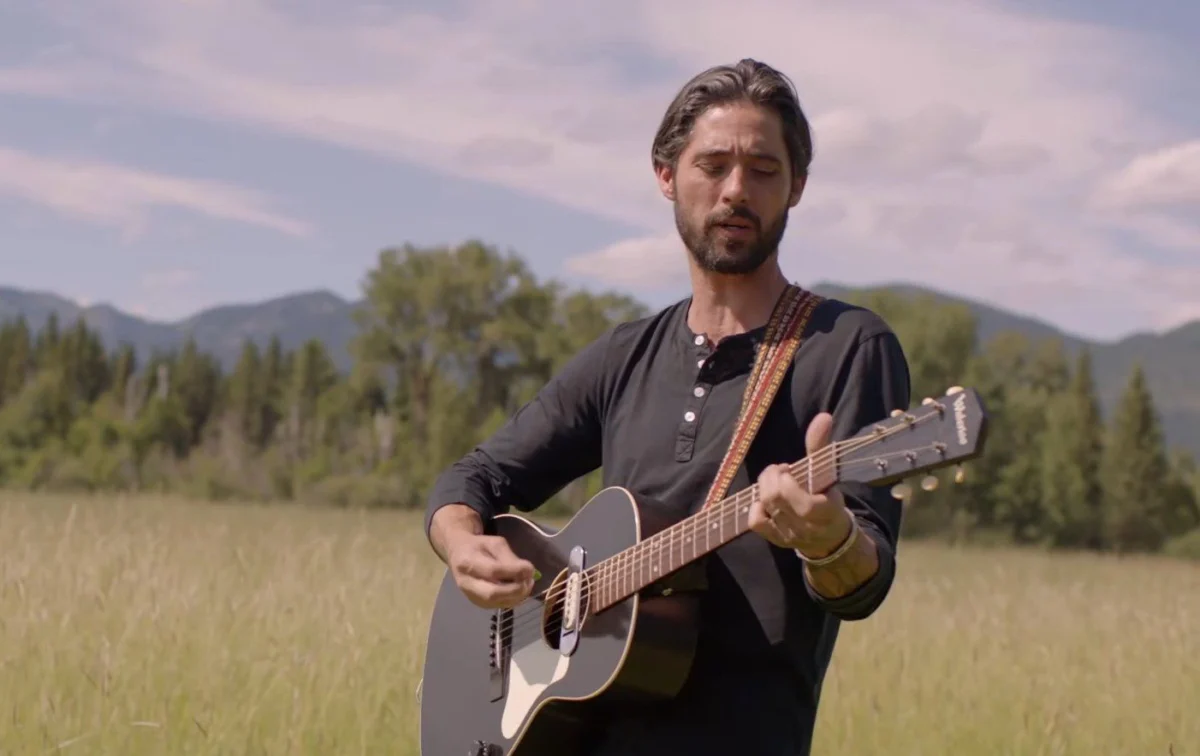
Ryan Bingham, the critically acclaimed singer-songwriter and star of the hit television series Yellowstone, recently shared his perspectives on the dramatic evolution of country music and Western culture over the past two decades. Appearing on a recent episode of The Joe Rogan Experience, Bingham detailed his journey from a time when the cowboy aesthetic was met with public derision to the current era, where traditional country music and Western lifestyle elements have permeated the global mainstream. His observations highlight a broader shift in the entertainment industry, characterized by a move away from highly produced "pop country" toward a more authentic, instrument-driven sound often categorized as Americana or independent country.
The Cultural Shift: From Marginalization to Mainstream
Bingham’s career has spanned more than twenty years, providing him with a unique vantage point on the cyclical nature of musical trends. During his conversation with Joe Rogan, Bingham recalled the early 2000s as a period when the "cowboy" identity was largely out of favor in urban cultural hubs. He noted that during the infancy of his career, wearing a cowboy hat—a staple of his personal and professional identity—often made him an outlier, particularly in cities like Los Angeles and New York.
The musician recounted a specific instance in Los Angeles where his attire drew a mocking comparison to the 2005 film Brokeback Mountain. At the time, the "Americana" scene, which blends elements of folk, bluegrass, and traditional country, had not yet established the robust infrastructure or mainstream recognition it enjoys today. Bingham’s experiences underscore a period in the American music industry where the "Nashville sound" was dominated by "bro-country" and pop-inflected tracks, leaving little room for the grittier, storytelling-driven music that Bingham and his contemporaries were producing.
The Yellowstone Catalyst and the "Westerncore" Phenomenon
The resurgence of the cowboy aesthetic and traditional country music cannot be discussed without acknowledging the impact of Yellowstone. Since its debut in 2018, the Taylor Sheridan-created series has become a cultural juggernaut, pulling in millions of viewers and revitalizing interest in ranching, rodeo, and Western fashion—a trend often referred to by cultural commentators as "Westerncore."
Bingham, who portrays the character Walker on the show, has been a direct beneficiary of this visibility. However, his analysis suggests that the show was not the sole cause of the shift but rather a catalyst for a movement that was already brewing. The success of the series demonstrated a significant appetite for authentic Western narratives, which in turn created a massive platform for the music featured in the show. The soundtrack of Yellowstone has been credited with introducing audiences to artists like Tyler Childers, Sturgill Simpson, and Whiskey Myers, who had previously operated on the fringes of the mainstream radio circuit.
Data and the Digital Democratization of Country Music
Bingham’s observation that "there’s a lot more of a platform to support" artists today is backed by industry data. For decades, the country music industry was gatekept by a handful of major labels and radio syndicates in Nashville. These entities prioritized "radio-friendly" hits that often prioritized catchy hooks and electronic production over traditional instrumentation.
The rise of streaming services such as Spotify, Apple Music, and Amazon Music has fundamentally changed this dynamic. According to the Luminate 2023 Midyear Music Report, country music consumption in the United States increased by 20.3% year-over-year. More importantly, the data shows that "non-radio" country artists—those who find their audience through streaming and social media rather than FM airplay—are seeing unprecedented growth.
Bingham expressed specific enthusiasm for the fact that younger musicians are returning to "real" instruments. The digital era of the 2010s saw a heavy reliance on programmed drum loops and synthesizers in country music. Bingham notes a palpable shift back to the fiddle, the steel guitar, and the acoustic guitar. This "analog" resurgence is reflected in the success of artists like Zach Bryan, whose stripped-back, raw production style has broken multiple streaming records, proving that listeners are craving the integrity and "heart" that Bingham discussed during his interview.
The Chronology of Ryan Bingham’s Career and the Americana Movement
To understand Bingham’s perspective, one must look at the timeline of his career alongside the growth of the Americana genre:
- Early 2000s: Bingham begins touring the Texas circuit, releasing independent albums such as Wishbone Saloon (2002) and Dead Horses (2006). During this time, the Americana Music Association was still in its formative years, struggling to define the genre to the wider public.
- 2009-2010: Bingham gains national prominence with the film Crazy Heart. His song "The Weary Kind" wins the Academy Award, Golden Globe, and Grammy Award. This period marked a rare moment where a "traditional" country sound broke through the pop-country ceiling.
- 2010-2018: While Bingham maintained a loyal following, the mainstream country charts remained dominated by "pop-country." The Americana genre began to solidify, with its own awards show and dedicated festival circuits.
- 2018-Present: Bingham joins the cast of Yellowstone. The show’s massive success coincides with a global shift in music consumption. Independent country artists begin to sell out arenas, and the "cowboy" look becomes a fashion staple in urban environments.
Broader Implications for the Music Industry
The implications of this shift are twofold: cultural and economic. Culturally, the "healing" of the music world that Bingham refers to suggests a restoration of regional identity. For years, critics argued that country music had lost its "soul" by trying to mimic the production of Top 40 pop. The return to storytelling and live instrumentation represents a reclamation of the genre’s roots.
Economically, the success of artists like Bingham proves that a "middle-class" artist tier is once again viable in country music. In the previous decade, an artist either had a massive radio hit or struggled to book mid-sized venues. Today, the "Americana" infrastructure—composed of independent festivals, specialized streaming playlists, and social media engagement—allows artists to build sustainable, high-earning careers without ever signing with a major Nashville label.
Bingham’s commentary on the "integrity" of current songwriters highlights a shift in consumer behavior. Modern audiences, particularly Gen Z and Millennials, have shown a preference for perceived authenticity. This has led to the "outlaw" resurgence, where the most successful artists are often those who speak openly about their struggles, bypass traditional media training, and maintain creative control over their output.
Ryan Bingham’s Continued Influence and Upcoming Tour
As a veteran of the industry, Bingham continues to lead by example, maintaining a rigorous touring schedule that brings his brand of authentic songwriting to fans across the country. His upcoming 2024 tour serves as a testament to the enduring demand for live, instrument-driven performances. The tour spans a variety of historic theaters and modern outdoor stages, reflecting the diverse audience that now embraces the "cowboy stuff" Bingham has championed for two decades.
The tour itinerary for the upcoming months is as follows:
May 2024 Schedule:
- May 22: Pittsburgh, PA – Stage AE
- May 23: Columbus, OH – KEMBA Live!
- May 24: Cleveland, OH – The Agora
- May 26: Cincinnati, OH – Taft Theatre
- May 27: Royal Oak, MI – Royal Oak Music Theatre
- May 29: Buffalo, NY – Artpark Mainstage Theater
- May 30: Kingston, NY – Ulster Performing Arts Center
June 2024 Schedule:
- June 1: South Deerfield, MA – Summer Stage at Tree House Brewing Company
- June 2: Portland, ME – State Theatre
- June 3: Boston, MA – Roadrunner
- June 5: Port Chester, NY – The Capitol Theatre
- June 6: New Haven, CT – Toad’s Place
- June 7: Montclair, NJ – The Wellmont Theater
- June 9: New York, NY – Irving Plaza
- June 10: Philadelphia, PA – The Fillmore
- June 12: Richmond, VA – The National
- June 13: Washington, D.C. – Lincoln Theatre
- June 14: Norfolk, VA – The Norva
- June 16: Chattanooga, TN – The Signal
- June 18: Fayetteville, AR – Ozark Music Hall
- June 19: Dallas, TX – Longhorn Backyard Amphitheater
July 2024 Schedule:
- July 11: Alta, WY – Grand Targhee Resort
- July 18: Whitefish, MT – Under the Big Sky Festival
Conclusion: The Enduring Legacy of the Cowboy Identity
Ryan Bingham’s reflection on the state of country music is more than a nostalgic look back; it is a validation of an artistic philosophy that prioritizes substance over style. By staying true to his identity during a period when it was unfashionable, Bingham positioned himself to be a leader in the genre’s modern revival.
The "cowboy stuff" that was once a point of ridicule in Los Angeles has become a symbol of a broader American cultural movement—one that values craftsmanship, heritage, and the raw power of a song played on an acoustic guitar. As Bingham continues his tour and his work on Yellowstone, he remains a central figure in a musical landscape that has finally caught up to the vision he began pursuing twenty years ago. The "healing" of country music, as Bingham describes it, appears to be a permanent shift toward a more inclusive and authentic representation of the American experience.