Mia Khoirunisa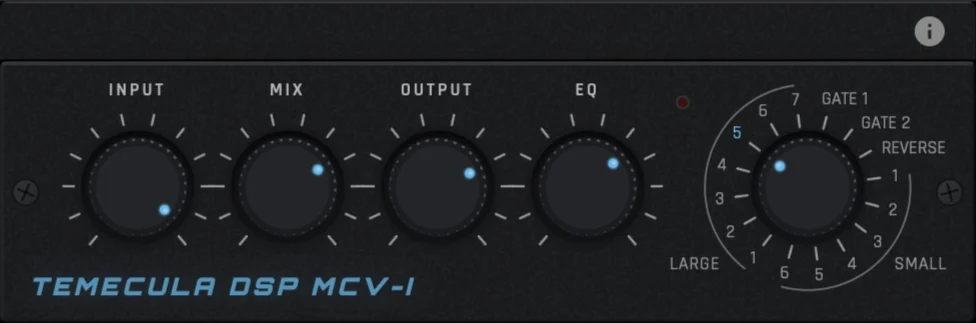
The sonic landscapes of late 1980s music production are being revisited with the release of free, unofficial plugin emulations of two iconic Alesis digital effects processors: the MicroVerb and the MIDIVERB II. These emulations aim to capture the distinct character and functionality of the original hardware, offering digital musicians access to the distinctive reverbs, multi-effects, and unique sonic textures that defined an era. The availability of these plugins, developed by Temecula DSP, provides a valuable, cost-free opportunity for enthusiasts of shoegaze, electronic music, and anyone seeking to inject a dose of retro digital character into their productions.
The Legacy of Alesis and its Digital Pioneers
Alesis, a company with a significant footprint in the audio hardware industry, was founded in Hollywood, California, in 1984 by Keith Barr. Barr, a co-founder of the legendary effects pedal manufacturer MXR alongside Terry Sherwood, brought a wealth of experience in audio engineering and innovation to Alesis. The MIDIVERB II, in particular, stands as a testament to Barr’s engineering prowess and Alesis’s commitment to delivering professional-quality digital effects to a broader market. Launched in the mid-to-late 1980s, these units quickly became staples in studios and live setups, lauded for their sonic capabilities and relative affordability compared to contemporary high-end digital processors.
The resurgence of these classic effects in plugin form highlights a recurring theme in the music technology industry: the enduring appeal of vintage hardware and the desire for its sonic characteristics to be accessible in modern digital audio workstations (DAWs). Often, it is third-party developers who fill the void when original manufacturers do not reissue or emulate their own groundbreaking products. This phenomenon allows for the preservation and continued use of influential sounds that might otherwise fade into obscurity.
Unpacking the MIDIVERB II: A Multi-Effects Powerhouse
The MIDIVERB II was introduced as a comprehensive stereo digital signal processor, designed to offer a wide array of professional-quality effects without requiring extensive technical expertise. Its appeal lay in its ability to provide instant recall of a diverse range of sounds, controllable via manual settings or MIDI commands. This flexibility made it a valuable tool for musicians and producers looking to enhance their audio with subtle ambient textures or dramatic, attention-grabbing effects.
According to its original manual, the MIDIVERB II was engineered with a 16-bit linear PCM processing system. This technology was considered cutting-edge at the time, delivering sound quality that was often compared to the emerging digital disc medium (CDs). The core of this system was a custom-designed large-scale integrated chip developed specifically by Alesis for the MIDIVERB II. This design facilitated a wide dynamic range and a 15kHz bandwidth, allowing the processor to handle a broad spectrum of musical performances, from delicate nuances to thunderous impacts, while preserving warmth and harmonic detail. The manual’s assertion that the MIDIVERB II offered "reverb that sounds like a CD" was a significant selling point in an era where digital audio was still a novel and exciting frontier.
The MIDIVERB II’s sonic palette extended beyond its impressive reverb algorithms. It also featured a range of multi-effects, including chorus and a particularly noteworthy "triggered flanger." The manual describes this triggered flanger as a departure from traditional flanging. While standard flanging involves continuous variation in delay time and pitch modulation, triggered flanging offered a more abrupt, percussive effect. In this mode, the delay time would instantly reset to zero, and the pitch modulation would reset to the peak of its cycle. This unique characteristic contributed to the MIDIVERB II’s ability to produce distinctive and often experimental sonic results, making it a favorite for those pushing creative boundaries.
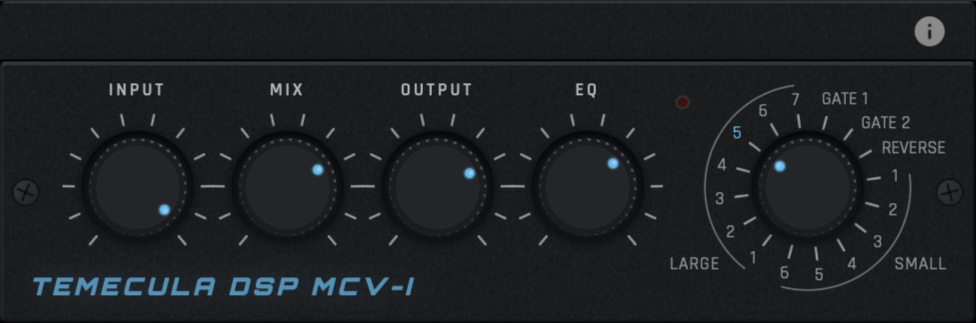
The plugin emulation by Temecula DSP aims to replicate these functionalities, allowing users to explore the MIDIVERB II’s signature gated reverbs, lush choruses, and the peculiar yet compelling triggered flanger effect. The availability of these emulations provides an opportunity for contemporary producers to experiment with sounds that have influenced genres like shoegaze and electronic dance music.
The MicroVerb: Lo-Fi Grit and Distinctive Textures
Complementing the MIDIVERB II emulation is the MicroVerb. This unit carved out its own niche by focusing on what is often described as "grit" and "lo-fi" character. Unlike the broader multi-effects capabilities of the MIDIVERB II, the MicroVerb was celebrated for its more focused, often characterful, and sometimes aggressively textured sonic output.
The plugin emulates all sixteen of the original MicroVerb’s presets, including its distinctive reverse reverb. This particular effect, where the reverb tail fades in before the dry signal, is a hallmark of many 1980s and early 1990s productions, particularly within genres that embraced ambient and experimental sound design. The "grit" associated with the MicroVerb suggests a sonic quality that might have arisen from its digital conversion or algorithmic design, imparting a character that is less pristine than some of its contemporaries. This raw, unpolished quality is precisely what attracts many users seeking a specific vintage aesthetic.
The Historical Context of Digital Effects
The late 1980s was a pivotal period for digital audio technology. The transition from analog to digital processing was well underway, and manufacturers were racing to develop innovative and accessible digital effects units. Companies like Alesis played a crucial role in democratizing these technologies, making them affordable for a wider range of musicians and studios. The introduction of 16-bit processing was a significant leap forward, offering improved fidelity and dynamic range compared to earlier 8-bit or analog effects.
The widespread adoption of MIDI (Musical Instrument Digital Interface) also coincided with this era, enabling seamless integration and control of digital hardware. The MIDIVERB II’s MIDI capabilities were therefore a forward-thinking feature, allowing for complex automation and integration within evolving studio setups.
The sound design of this period was also heavily influenced by the emerging capabilities of digital processors. Genres like shoegaze, which emerged in the late 1980s and early 1990s, are characterized by their extensive use of effects, particularly reverb and delay, to create dense, atmospheric, and often overwhelming soundscapes. The distinctive character of units like the Alesis MIDIVERB II and MicroVerb became integral to the sonic identity of these genres.
Third-Party Developers: Guardians of Audio History
The development of these free plugin emulations by Temecula DSP underscores the vital role that independent developers play in preserving and perpetuating audio heritage. While major hardware manufacturers sometimes engage in reissuing or re-releasing classic gear, it is often smaller, dedicated software companies that take on the task of creating accurate and accessible digital emulations. This not only provides current musicians with access to these sounds but also serves as a form of digital archiving, ensuring that these influential sonic tools remain relevant and usable in the face of rapidly evolving technology.

Technical Specifications and Availability
The Temecula DSP MDV-II & MCV-I package offers both the MIDIVERB II and MicroVerb emulations in a single download. These plugins are compatible with macOS and Windows operating systems and are available in industry-standard plugin formats: VST3, AU, and AAX. This broad compatibility ensures that users of most modern DAWs can integrate these classic effects into their workflows. The fact that these emulations are offered completely free of charge further enhances their appeal, making them an accessible option for musicians of all levels, from hobbyists to seasoned professionals.
Implications and Broader Impact
The release of these free emulations has several implications for the music production community. Firstly, it democratizes access to iconic 1980s digital effects, allowing a new generation of producers to experiment with sounds that have shaped popular music. Secondly, it provides a cost-effective solution for musicians seeking to achieve specific retro aesthetics without the expense and logistical challenges of acquiring vintage hardware.
The availability of these plugins also serves as a reminder of the lasting impact of companies like Alesis and engineers like Keith Barr. Their innovations in digital audio processing have continued to influence music production decades later. Furthermore, the success of such third-party emulation projects may encourage other developers to tackle similar endeavors, potentially leading to the digital resurrection of other beloved vintage audio gear.
The "grit" and unique sonic artifacts of these older digital processors often possess a character that is difficult to replicate with modern, pristine digital algorithms. This inherent imperfection is frequently sought after by artists who value the sonic warmth, texture, and occasional unpredictability that vintage gear can offer. The free availability of these emulations allows for a low-risk exploration of these sonic qualities.
Conclusion
The free plugin emulations of the Alesis MicroVerb and MIDIVERB II represent a significant offering for the audio production community. They provide a direct link to the innovative digital soundscapes of the late 1980s, enabling musicians to imbue their work with the distinctive character of these classic processors. Developed by Temecula DSP, these emulations honor the legacy of Alesis and Keith Barr, making sought-after vintage effects accessible to a global audience in a modern, digital format. The continued availability of such resources highlights the dynamic interplay between historical audio innovation and contemporary digital music creation.