Mia Khoirunisa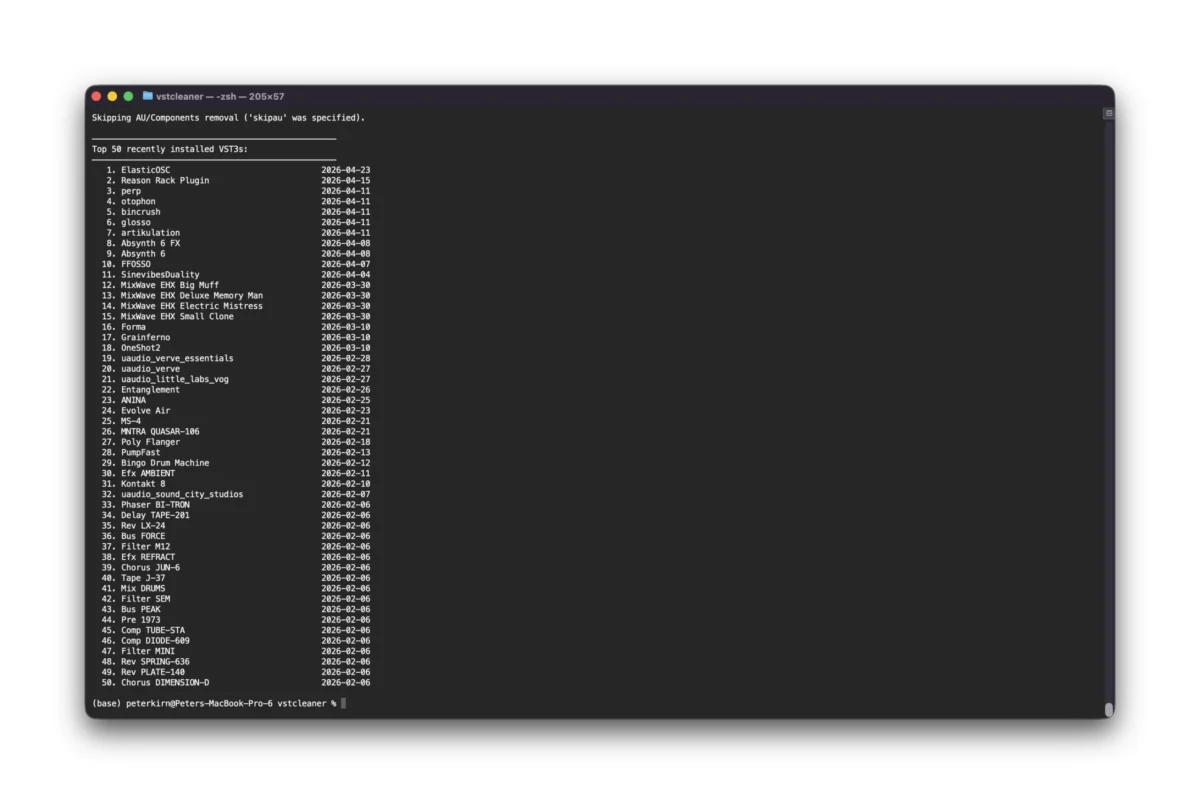
A groundbreaking, free command-line utility named vstcleaner has emerged, offering macOS audio producers a swift and efficient solution to declutter their digital audio workstations (DAWs) by intelligently managing multiple plugin format versions. Developed by Christian Meinhold, this open-source tool addresses a long-standing challenge for many in the music production community: the proliferation of redundant plugin installations across various formats such as VST2, VST3, Audio Unit (AU), AAX, and CLAP. The tool promises to reclaim significant storage space without compromising essential functionality, a feat many have been seeking for years.
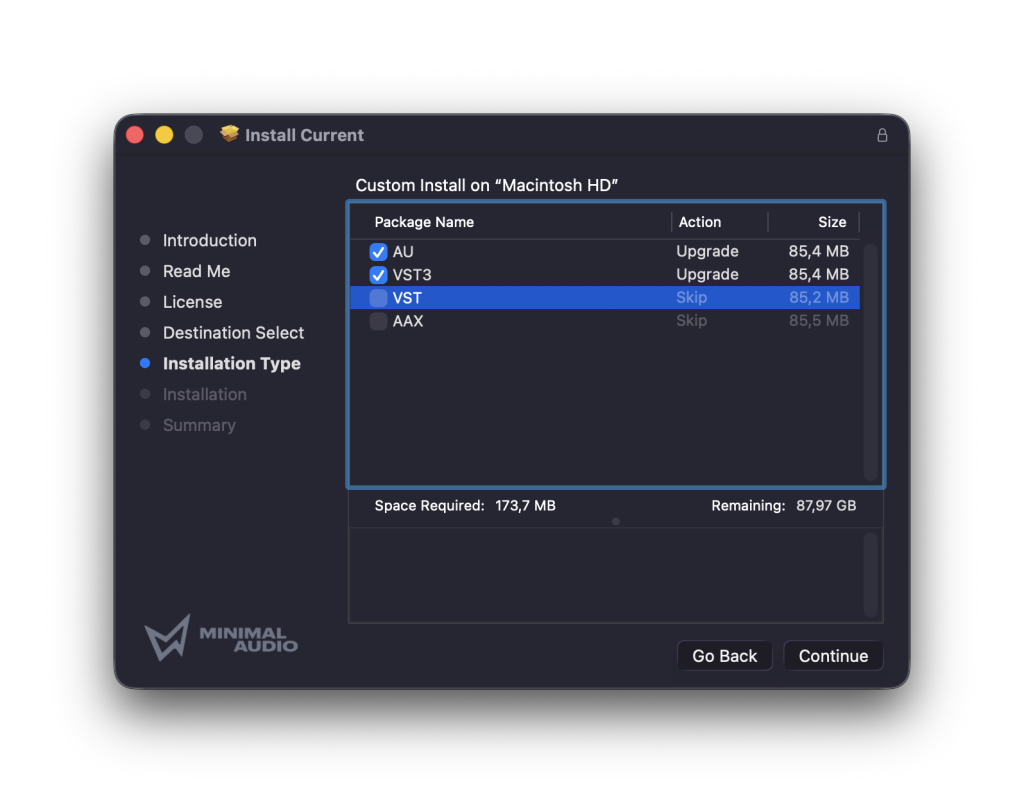
The core issue vstcleaner tackles is the common practice of installing plugins in multiple formats simultaneously. Historically, VST2 was the dominant plugin standard, but as technology evolved, newer formats like VST3, AU (particularly prevalent on macOS with Logic Pro), AAX (for Pro Tools users), and more recently, CLAP, have gained traction. This evolution has led to a scenario where a single plugin might exist in several versions on a user’s system, often unnecessarily. For instance, a producer might have installed a plugin in VST2, VST3, and AU formats, even if their primary DAW or workflow only utilizes one or two of these. The VST2 format, in particular, is frequently cited as a significant space-eater, especially as many modern DAWs have either deprecated support for it or strongly encourage the use of VST3.
The Problem of Plugin Duplication
The need for a solution like vstcleaner stems from a combination of user habits and software development lifecycles. Many plugin installers, by default, offer the option to install across multiple formats. Users, either to ensure maximum compatibility or out of habit, may select all available options. Over time, as DAWs and operating systems update, the necessity for older formats diminishes. For example, a producer who primarily uses Logic Pro on macOS will primarily rely on AU plugins, as Logic Pro has historically had limited or no support for VST formats. However, if they previously used a VST-compatible DAW or experimented with different software, they might have VST2 and VST3 versions of plugins lingering on their system.
Deleting entire plugin folders, such as the VST2 folder, presents a risk. While it might free up substantial space, it could inadvertently remove a plugin that is still required for a specific project or an older DAW that a user maintains for compatibility reasons. This has created a Catch-22 situation for many: the desire for a streamlined, fast-loading system versus the fear of breaking existing workflows or losing access to legacy projects.
vstcleaner: A Targeted Solution
vstcleaner offers a sophisticated approach to this problem. Its primary function is to identify if a plugin exists in a newer format (specifically VST3) and, if so, to automatically remove its older VST2, AU, CLAP, and AAX counterparts. This intelligent detection prevents the accidental deletion of crucial formats. For instance, a user who relies on Logic Pro will need their AU plugins. The vstcleaner tool accounts for this by allowing users to specify formats to skip. By appending "skipau" to the command, a user can instruct the tool to leave AU plugins untouched, ensuring compatibility with DAWs like Logic Pro. This level of granular control is a key feature that sets vstcleaner apart from more brute-force deletion methods.
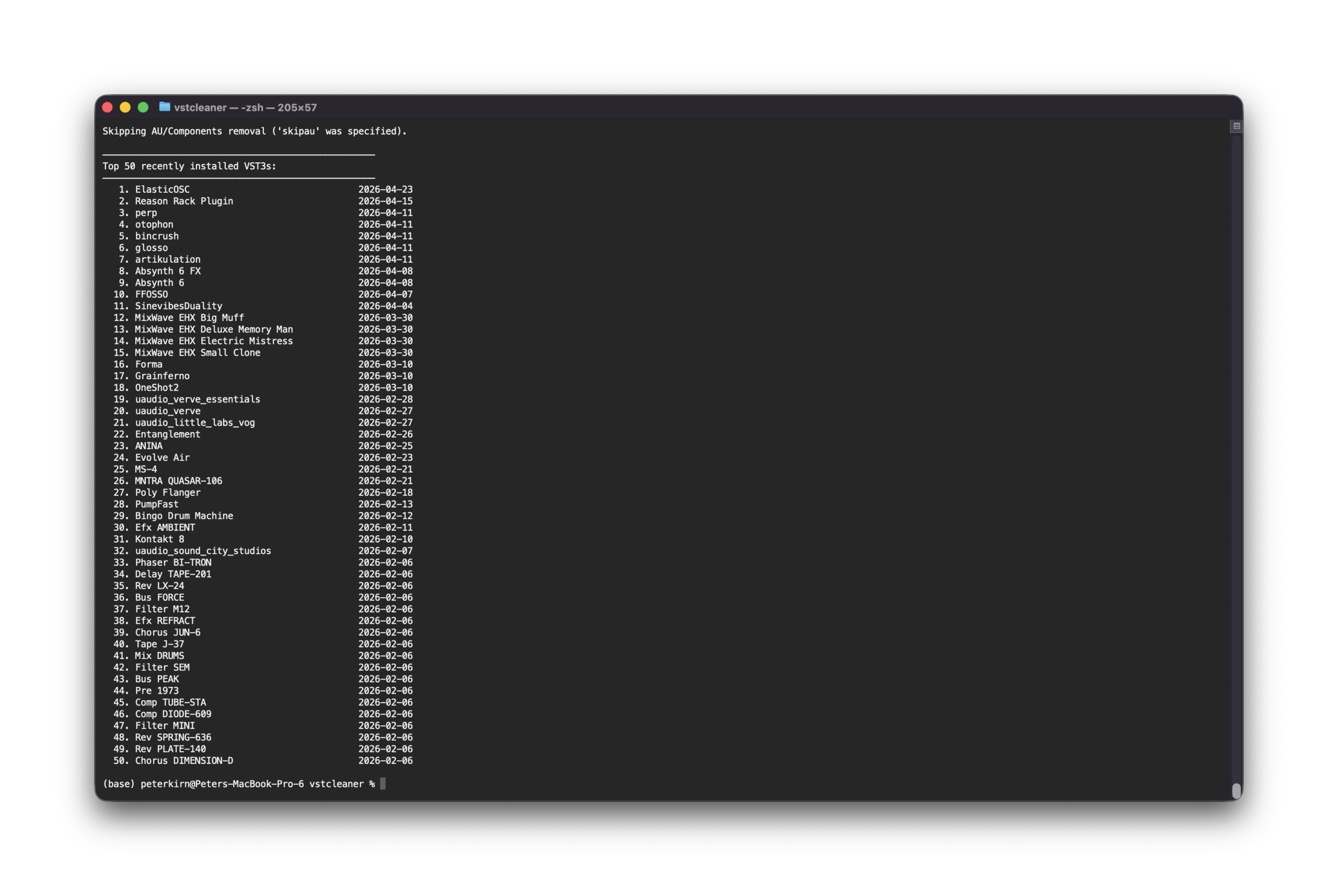
A secondary, yet notable, feature of vstcleaner is its ability to display the last 50 plugins that have been installed. This "cute" addition, as described by early users, provides valuable insight into a user’s plugin acquisition history, potentially helping them identify newly installed plugins that might be candidates for cleanup or simply offering a quick overview of their plugin library’s recent additions.
Safe and Reversible Operations
Crucially, vstcleaner does not permanently delete plugin files. Instead, it moves them to a temporary directory. This "tmp" folder acts as a quarantine zone. Users can then review the contents of this folder at their leisure. If they determine that the moved plugins are indeed unnecessary, they can permanently delete them. Alternatively, if a plugin is found to be required later, it can be easily restored from the temporary location. This non-destructive approach significantly mitigates the risk associated with plugin management, providing a safety net for users.
The tool’s underlying architecture is built on Python, a versatile and widely used programming language. This open-source nature means that vstcleaner is not only free to use but also modifiable. Users with Python knowledge can adapt the script to their specific needs or even extend its functionality to handle other types of digital assets within their creative workflows. The fact that it took early adopters mere minutes to achieve significant space savings with no adverse effects highlights its efficiency and ease of use, even for those not deeply versed in command-line operations. The developers strongly recommend backing up the temporary folder as an additional precautionary measure.
Addressing Platform Specifics: macOS and Windows
vstcleaner is currently optimized for macOS. The decision to focus on macOS stems from the unique plugin format conflicts prevalent on that operating system, particularly the VST vs. AU distinction. Windows, on the other hand, does not face the same VST-AU conflict, and many users maintain older Windows machines or environments specifically to run legacy DAWs that might still rely on the VST2 format. Therefore, the direct need for a VST-to-AU-style cleaner is less pronounced on Windows.
However, the community has not been overlooked. A comparable tool for Windows users has been identified: PluginPurge. Developed by JagGillarVatten, PluginPurge aims to offer similar functionality for Windows-based systems, addressing the need for efficient plugin management in that ecosystem. While the specifics of its operation might differ, its existence indicates a broader trend towards providing users with more control over their software installations.
Broader Implications and Future Developments
The emergence of vstcleaner and similar utilities speaks to a growing awareness within the digital audio community about efficient digital asset management. As project sizes grow and storage becomes more affordable, the temptation to hoard digital files can lead to cluttered and inefficient systems. Tools that automate the cleanup of redundant or obsolete files are invaluable.
The implications of vstcleaner extend beyond simple space-saving. A cleaner plugin library can lead to faster DAW loading times, reduced scanning times for plugins by DAWs, and a more organized workflow. This can translate into more productive creative sessions, with less time spent troubleshooting or searching for the correct plugin.
Furthermore, the open-source nature of vstcleaner fosters a collaborative environment. Developers can build upon this foundation, potentially creating more sophisticated tools that integrate with DAWs directly, offer cloud-based plugin management, or provide more advanced analytics on plugin usage. The Python codebase also opens avenues for integrating plugin management into broader system optimization scripts, catering to users who are keen on maintaining a lean and efficient computing environment across all their applications.
The trend towards standardization in plugin formats, with VST3 and CLAP gaining prominence, suggests that the need for VST2 and older formats will continue to diminish. Tools like vstcleaner are therefore not just addressing a current problem but are also future-proofing user systems by encouraging the adoption of modern standards while safely managing the transition from older ones.
As the digital audio landscape continues to evolve, the demand for intelligent, user-friendly tools that simplify complex technical tasks will undoubtedly increase. vstcleaner stands as a prime example of how community-driven development can provide elegant solutions to pervasive challenges, empowering creators to focus on their art rather than the intricacies of their digital toolkit. The call for similar tools for other aspects of digital life, such as organizing personal data or even, humorously, decluttering one’s mind, highlights the universal appeal of efficiency and order in an increasingly complex digital world.