Indra Aziz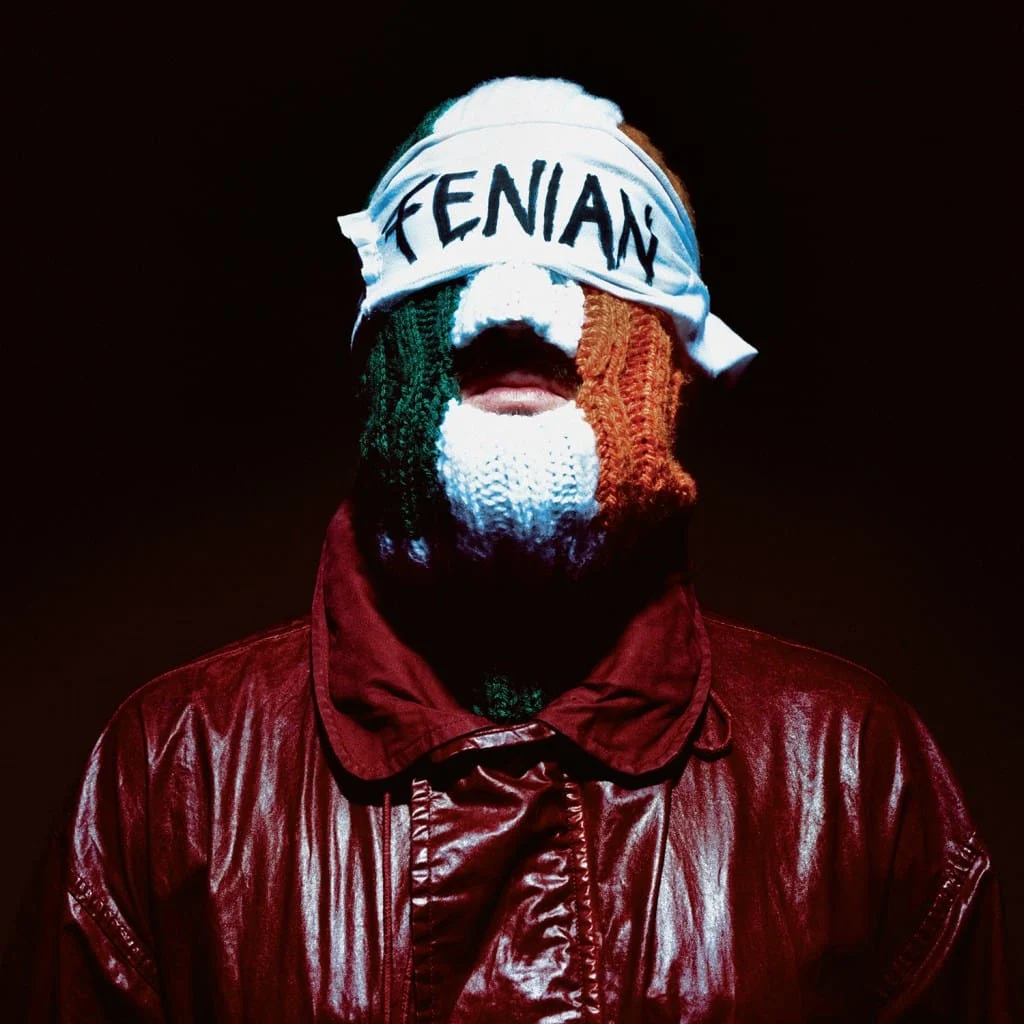
The sonic landscape of contemporary Irish music has been irrevocably altered by the emergence of Kneecap, a Belfast-based hip-hop trio who have transcended their niche origins to become a significant cultural force. Their latest album, "Fenian," released on April 30, 2026, marks a pivotal moment in their trajectory, showcasing a maturation of their sound while retaining the provocative edge that has defined their career. Produced by the esteemed Dan Carey, known for his work with artists like Fontaines D.C., "Fenian" offers a richer, more textured listening experience, building upon the global attention garnered by their critically acclaimed predecessor, "Fine Art." This new release arrives amidst a backdrop of considerable controversy, particularly the highly publicized legal proceedings initiated by British authorities, which, ironically, have amplified Kneecap’s profile exponentially.
The Rise of an Irish Language Hip-Hop Phenomenon
Kneecap’s ascent is a narrative of defiance and cultural reclamation. Composed of members Mo Chara and Móglaí Bap, the group has championed the Irish language in a genre traditionally dominated by English. Their breakthrough with "Fine Art" in 2025 thrust them into the international spotlight, proving that an Irish language hip-hop act could achieve global recognition. This success, however, was soon overshadowed by legal challenges. In a move that many observers deemed politically motivated, British authorities initiated proceedings against the band, citing concerns over their lyrics and public image. The details of these allegations, while contested by the band and their supporters, revolved around issues of public order and potentially inflammatory content. The ensuing court battles, which punctuated the band’s creative process and touring schedule, became a focal point of media attention, transforming Kneecap from underground darlings into controversial figures of national and international interest.
The period leading up to the release of "Fenian" was undoubtedly shaped by these external pressures. The band has consistently articulated that their music is a form of artistic expression and cultural commentary, not an endorsement of violence or illegitimacy. Their supporters, including a growing legion of fans and cultural commentators, have decried the legal actions as an attempt to stifle artistic freedom and suppress minority languages. The narrative surrounding Kneecap has thus evolved from a musical success story to a broader discourse on cultural identity, linguistic rights, and the boundaries of artistic expression in the United Kingdom.
Sonic Evolution and Thematic Depth
"Fenian" demonstrates a significant evolution in Kneecap’s sonic palette, largely attributable to the production expertise of Dan Carey. Carey, the driving force behind Speedy Wunderground, has a reputation for nurturing raw talent and sculpting distinctive sounds. His involvement has imbued "Fenian" with a depth and richness that surpasses previous efforts. Tracks like "Carnival" showcase a compelling bassline that evokes the atmospheric trip-hop of Portishead, a clear departure from the more straightforward beats of their earlier work. This sonic experimentation extends to "Occupied 6," a track that tackles the complex history of The Troubles. Here, Kneecap employs a soundscape reminiscent of Massive Attack’s seminal album "Mezzanine," creating an atmosphere of taut, militaristic paranoia. The production effectively mirrors the lyrical narrative, offering a stark and unflinching reinterpretation of a deeply sensitive period in Irish history.
The album’s political and social commentary remains a cornerstone of Kneecap’s identity. "Palestine," a standout track, directly addresses the ongoing conflict in the Middle East. The song features the lyrical prowess of Palestinian rapper FAWZI, creating a powerful synergy that underscores the band’s commitment to global solidarity. The track’s sonic foundation of brooding sub-low electronics serves as a potent backdrop to the urgent message, culminating in a defiant and memorable declaration of solidarity. This collaboration is cited as one of the album’s most fully realized moments, a testament to the band’s ability to translate their convictions into impactful artistic statements.
Balancing Provocation with Musicality
Despite the sonic advancements and thematic maturity, "Fenian" retains elements of the audacious and sometimes provocative style that characterized Kneecap’s earlier releases. The interplay between Mo Chara and Móglaí Bap continues to be a defining feature, with their energetic vocal delivery drawing comparisons to dynamic duos like Run The Jewels or a politicized version of Eminem. However, at times, the album treads a fine line between sharp wit and a certain cartoonish excess.
"Gael Phonics," for instance, engages in a critique that feels anachronistic, taking aim at the language-learning app DuoLingo, a target that might strike some listeners as oddly specific and perhaps less impactful than their broader political statements. Similarly, "Liars Tale" ventures into an awkward rap-rock fusion with a lethargic beat, a moment where the experimental impulses of the album seem to falter, resulting in a less cohesive track. These instances, while not detracting significantly from the overall quality of the album, highlight the inherent challenge Kneecap faces in balancing their penchant for provocative humor with consistent musical execution. The band’s artistic identity is intrinsically linked to pushing boundaries, and this often leads to moments where the impact of their message might be slightly blunted by the chosen delivery.
The "Fenian" Album: A Timeline of Impact and Reception
The journey of "Fenian" from its conception to its release on April 30, 2026, has been a condensed period of intense creative output juxtaposed with significant external pressures.
- Late 2024 – Early 2025: Following the international success of "Fine Art," Kneecap begins conceptualizing new material, likely amidst the initial stages of legal scrutiny. This period would have seen the band navigating increased media attention and the beginnings of a more organized legal defense.
- Mid-2025: The legal proceedings against Kneecap gain significant traction, drawing widespread media coverage. The band issues statements asserting their artistic freedom and denouncing the legal actions as politically motivated. Despite the distractions, recording sessions for "Fenian" are believed to have been underway, with producer Dan Carey likely working closely with the band to develop their evolving sound.
- Late 2025 – Early 2026: The band undertakes extensive touring, building momentum and connecting with a growing fanbase. Live performances during this period are characterized by high energy and a palpable sense of defiance, likely influencing the raw and urgent tone of "Fenian." The legal battles continue, with key court dates potentially occurring during this interval, further embedding the controversy into the public consciousness.
- April 30, 2026: "Fenian" is officially released. Initial reviews highlight the album’s sonic maturity and continued lyrical boldness, while also acknowledging its moments of unevenness. The album’s release is framed by the ongoing legal saga, with many critics and fans viewing it as a testament to the band’s resilience.
- Post-Release (May 2026 onwards): "Fenian" receives a critical rating of 7/10, indicating a strong but not universally perfect reception. The album’s impact is analyzed in the context of Kneecap’s growing influence and the broader implications of their legal battles. Discussions emerge about the potential for "Fenian" to mark a significant crossover moment for the band, solidifying their position as major artists capable of bridging niche appeal with mainstream recognition.
Data and Analysis of Implications
The commercial performance and critical reception of "Fenian" provide valuable data points for understanding Kneecap’s impact. While specific sales figures for "Fenian" were not immediately available at the time of reporting, the band’s previous album, "Fine Art," achieved notable chart success in various territories, indicating a growing commercial viability. The increased global profile stemming from the legal controversies has likely translated into heightened interest in "Fenian," potentially driving sales and streaming numbers beyond what would have been expected solely on musical merit.
The broader implications of Kneecap’s journey extend beyond the music industry. Their success in popularizing the Irish language within a globalized hip-hop context offers a compelling case study for linguistic revitalization efforts. By demonstrating that minority languages can be vehicles for contemporary artistic expression and cultural relevance, Kneecap provides inspiration for similar movements worldwide. Furthermore, the legal challenges they have faced have ignited debates about freedom of speech, the role of the state in regulating artistic content, and the potential for legal systems to be perceived as tools of political suppression. The international attention garnered by these legal proceedings has amplified the urgency of these discussions, positioning Kneecap as accidental activists advocating for broader civil liberties.
The band’s consistent engagement with political and social issues, particularly their vocal support for the Palestinian cause, underscores a generation of artists who are not content to remain apolitical. Their willingness to use their platform to address complex global issues, even at personal risk, resonates with a significant segment of their audience and contributes to a growing trend of socially conscious music.
Official Reactions and Public Sentiment
Official responses to Kneecap’s music and controversies have been largely characterized by official silence from higher echelons of government, with any public statements typically coming from legal bodies or law enforcement agencies involved in the proceedings. The initial legal actions, as reported by The Guardian, were described as "ludicrous" by some observers, highlighting a division in public and media opinion. Supporters of the band have consistently voiced their solidarity through social media campaigns and at live events. Online forums and music criticism sites frequently feature discussions where "Fenian" is lauded as a powerful artistic statement, with many praising the band’s resilience in the face of adversity. Conversely, detractors of the band, often citing the controversial nature of their lyrics, have echoed the concerns that led to the legal proceedings, albeit with less widespread public traction compared to the band’s growing fanbase.
The Field as the Ultimate Arena
The review concludes by suggesting that the most authentic way to experience Kneecap’s music is in a live setting, surrounded by a large and enthusiastic audience. This observation points to the communal and experiential nature of their performances, which have become renowned for their electrifying energy and the strong bond between the band and their fans. The album "Fine Art" is credited with elevating Kneecap from a subject of curiosity to a fixture in mainstream discourse. "Fenian," with its refined sound and continued thematic boldness, is posited as the album that could cement their status as major artists, achieving a true crossover appeal. This signifies a critical juncture for the band, where their artistic output and cultural impact are poised to transcend their origins and establish a lasting legacy in the annals of contemporary music.
Rating: 7/10
Words: Robin Murray