Mia Khoirunisa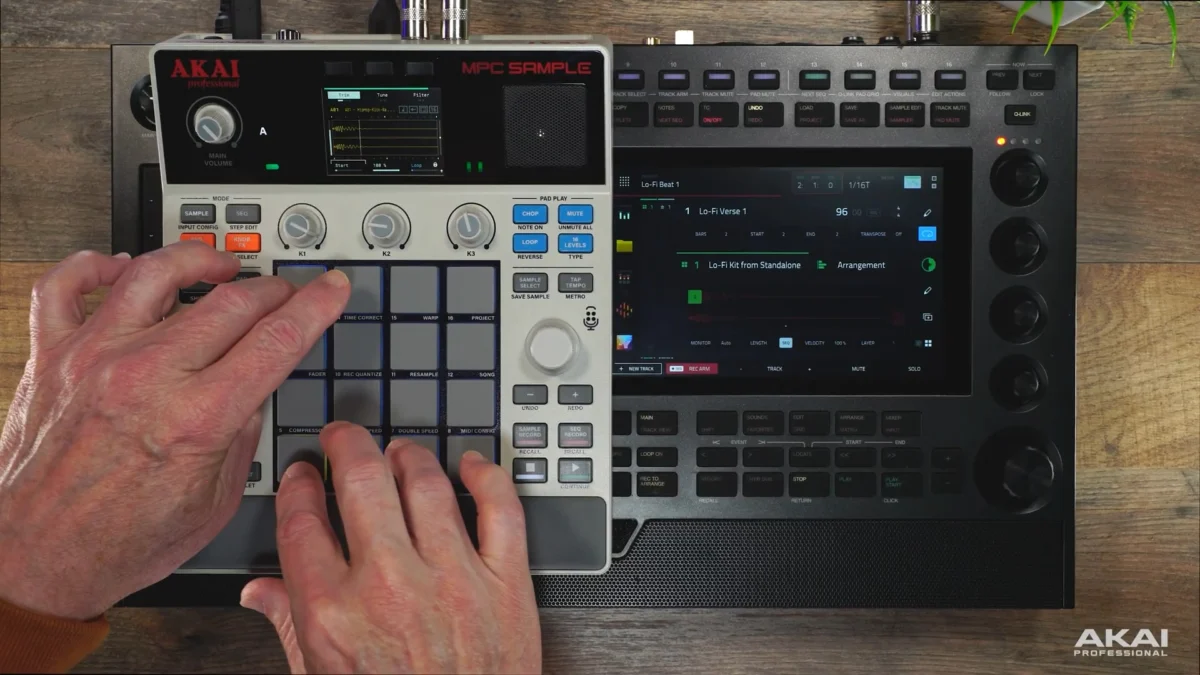
Akai Professional has released its latest software update, MPC 3.8, a significant development designed to bridge the gap between its established MPC ecosystem and the recently introduced MPC Sample, a compact, standalone music production device. This update marks a pivotal moment for Akai users, aiming to enhance workflow flexibility and expand the creative potential of the MPC Sample by integrating it more seamlessly with both hardware MPC units and desktop computer-based MPC software.
The core functionality of MPC 3.8 revolves around establishing a robust connection between the MPC Sample and the broader MPC family. This allows users to transfer MPC Sample projects directly to their primary MPC hardware or computer setup. Conversely, established MPC tracks can be loaded onto the MPC Sample, effectively transforming the portable device into a playback and manipulation hub for existing projects. A particularly noteworthy feature is the ability to utilize the MPC Sample’s onboard effects across any MPC platform, regardless of whether it’s a standalone hardware unit or the software running on a computer.
This enhanced interoperability positions the MPC Sample as a truly mobile companion. Even for users who possess only the MPC Sample as their standalone device, the MPC 3.8 software running on a desktop computer now offers a level of integration previously unavailable. This move aligns with user expectations for cohesive product ecosystems, a trend increasingly prioritized by hardware and software manufacturers in the competitive music technology landscape. Akai Professional’s statement accompanying the update emphasizes this commitment to user-centric development, highlighting the need for tools that adapt to diverse production environments.
A New Era of Workflow Integration
The MPC 3.8 update is not merely an incremental improvement; it represents a strategic enhancement of the Akai Professional product line. Historically, the MPC series has been lauded for its intuitive workflow, a characteristic that has cultivated a dedicated user base among beatmakers, producers, and electronic musicians. The introduction of the MPC Sample aimed to extend this workflow into more portable and accessible formats, and the MPC 3.8 software update is the crucial connective tissue that realizes this vision.
Prior to this update, the MPC Sample operated with a degree of independence, offering a self-contained production environment. However, its full potential was somewhat constrained by the limited ability to integrate with larger, more established MPC projects. MPC 3.8 directly addresses this by enabling a fluid exchange of project data. Users can now initiate ideas on the go with the MPC Sample and then seamlessly transition to their main studio setup for further refinement, or conversely, bring their complex studio projects into a more portable context.
The ability to load MPC tracks onto the MPC Sample transforms it from a discrete creation tool into an extension of the user’s existing MPC library. This is particularly beneficial for live performance scenarios, where producers can leverage the MPC Sample to trigger stems, loops, or entire arrangements from their main MPC projects without the need for a full-fledged computer. This flexibility is a significant advancement for artists seeking to streamline their live setups and enhance their on-stage capabilities.
Leveraging MPC Sample Effects Across Platforms
One of the most impactful features of MPC 3.8 is the universal application of MPC Sample effects. The MPC Sample, despite its compact size, boasts a suite of creative effects that contribute to its sonic character and production capabilities. The ability to deploy these effects within the broader MPC software environment, or on a hardware MPC, means that producers are no longer confined to using these specific sonic tools only on the Sample itself.
This cross-platform effect utilization opens up new avenues for sound design and mixing. A producer might craft a unique sonic texture using an MPC Sample-specific effect and then apply that same effect to tracks within their main MPC project, ensuring sonic consistency and leveraging the distinct character of the MPC Sample’s processing. This feature effectively expands the sonic palette available to all MPC users, regardless of which specific hardware or software configuration they are utilizing.
Background and Development Context
The release of MPC 3.8 follows the recent introduction of the Akai MPC Sample, a device that has garnered considerable attention for its portability and standalone functionality. The MPC Sample was conceived as a modern interpretation of the classic MPC groovebox, designed for creators who demand flexibility and the ability to produce music anywhere. Its integration into the wider MPC ecosystem was always a stated objective by Akai Professional, and the MPC 3.8 update is the first major realization of this strategic goal.
The development of MPC 3.8 likely involved extensive collaboration between software engineers and hardware designers to ensure a robust and reliable connection between disparate devices. The challenges in such integrations often lie in managing data transfer protocols, ensuring consistent performance across different processing capabilities, and maintaining a unified user experience. Akai’s commitment to delivering this level of integration suggests a significant investment in research and development.
Chronology of Integration
The release of MPC 3.8 represents a crucial step in Akai Professional’s ongoing strategy to unify its product offerings. While specific dates for internal development milestones are proprietary, the public timeline can be inferred as follows:
- Introduction of the MPC Sample: This marked the initial step in expanding the MPC line into a more portable format.
- Development of MPC 3.8: Following the MPC Sample’s release, Akai’s development teams focused on creating the software necessary to enable deep integration.
- Beta Testing and Refinement: It is highly probable that the update underwent rigorous beta testing with a select group of users to identify and resolve any bugs or workflow issues.
- Public Release of MPC 3.8: The official launch of the software update, making the enhanced integration available to all MPC users.
The ongoing nature of software development means that users may anticipate further refinements and feature additions in future updates. The article’s mention of "full software integration… not quite done yet but coming soon" suggests that Akai Professional has a roadmap for continued enhancement of the MPC Sample’s connectivity.
Supporting Data and User Reactions
While direct quotes from Akai Professional regarding the specific technical details of the MPC 3.8 update were not provided in the initial announcement, the enthusiastic reception from the user community, as observed in comments on accompanying video walkthroughs, indicates a positive market response. Users have expressed satisfaction with the increased mobility and creative freedom offered by the enhanced integration.
One notable point of discussion among users, as referenced in the original text, pertains to the current limitations of DAW export. The update currently facilitates audio export only, a functionality that is considered rudimentary by some who have come to expect more advanced integration options, such as direct export to specific DAWs like Ableton Live, a feature offered by some competing manufacturers. This feedback suggests a potential area for future development by Akai Professional.
The availability of the MPC Sample itself has also been a topic of discussion, with stock levels varying across retailers. Reports indicate lead times of 3-4 weeks in Europe and preorders with estimated delivery in July in North America. This demand underscores the interest in the device and the ecosystem it represents.
Analysis of Implications
The MPC 3.8 update has several significant implications for Akai Professional and its user base:
- Enhanced Product Value: By deepening the integration of the MPC Sample, Akai is increasing the overall value proposition of its product ecosystem. Existing MPC users are incentivized to consider the MPC Sample as a complementary tool, while new users may be attracted by the cohesive and flexible production environment.
- Competitive Positioning: In a market saturated with powerful DAWs and standalone grooveboxes, Akai’s focus on workflow integration and ecosystem synergy serves as a key differentiator. This update reinforces the unique appeal of the MPC workflow, which prioritizes tactile control and a fluid production process.
- Future Development Trajectory: The mention of "full software integration" still being under development signals Akai’s long-term commitment to this product line. Users can expect continued efforts to expand the capabilities and connectivity of the MPC Sample and its integration with other Akai products and potentially third-party software.
- Addressing User Needs: The update directly addresses a perceived need for greater flexibility and mobility among music producers. The ability to transition seamlessly between different production environments is crucial for artists who create in various settings.
Limitations and Future Prospects
While the MPC 3.8 update is a significant step forward, certain aspects are still under development or present limitations. The current DAW export functionality, limited to audio export, is a point that Akai Professional may wish to address in future iterations. The demand for more sophisticated export options, such as project file compatibility with popular DAWs, is a common expectation in modern music production workflows.
Furthermore, the promise of "full software integration" suggests that there are still features yet to be fully realized. User comments on video demonstrations indicate that some aspects of the integration might not be entirely polished, hinting at ongoing development and refinement. This ongoing process is typical for complex software updates, and users are often encouraged to provide feedback to guide future improvements.
Conclusion: A Unified MPC Experience
In summation, the release of Akai Professional’s MPC 3.8 software update marks a crucial advancement in the evolution of the MPC product line. By fostering a deeper and more intuitive integration between the standalone MPC Sample and the broader MPC ecosystem, Akai is empowering producers with unprecedented workflow flexibility and creative freedom. The ability to move projects seamlessly between devices, utilize effects across platforms, and enhance the portability of complex productions solidifies the MPC Sample’s role as a genuine mobile companion. While there are areas for continued development, particularly in DAW export capabilities, this update represents a strong commitment by Akai Professional to delivering a unified and powerful MPC experience for its dedicated user base, reinforcing the enduring appeal of its distinctive production workflow.
Update Information:
Further details regarding the MPC 3.8 update can be found at:
https://inmusic.to/2da8v7pn
Acquiring the Akai Professional MPC Sample:
Availability for the MPC Sample varies by region, with current estimates indicating:
- Europe: Approximately 3-4 weeks lead time from retailers like Thomann.
- North America: Preorders are available from Sweetwater and Perfect Circuit, with Sweetwater indicating July delivery.
Affiliate Disclosure: Clicking on provided retail links may result in a commission for the publisher.
- AKAI Professional MPC Sample – Thomann: https://clickfi.re/RDcPJBk1
- AKAI Professional MPC Sample – Sweetwater: https://sweetwater.sjv.io/L0Kj5Z
- AKAI Professional MPC Sample – Perfect Circuit: https://link.perfectcircuit.com/t/v1/8-12626-300308-9759?url=https%3A%2F%2Fwww.perfectcircuit.com%2Fm2e%2Fakai-mpc-sample.html