Kholidah
The band, which has maintained its original lineup since its inception in 2004, revealed that they will cease all activities under their current name and structure following a final performance scheduled for July 15 at the Makuhari Messe in Chiba, Japan. This decision underscores the delicate chemistry required to maintain a high-functioning rock trio and highlights the internal pressures that can arise even after twenty-two years of professional collaboration.
The Final Performance and Immediate Hiatus
The conclusion of the band’s current trajectory is set to take place at one of Japan’s most prestigious venues. Makuhari Messe, known for hosting major international trade fairs and massive music festivals like Summer Sonic, will serve as the backdrop for the group’s final show with Suzuki Takao. The choice of venue reflects the band’s standing in the industry; only artists with a substantial and dedicated following can command the capacity of the Chiba-based complex.
According to the official statement released by the band and their management, TOY’S FACTORY, the hiatus will begin immediately following the July 15 concert. The group expressed profound regret for the "suddenness" of the announcement, acknowledging that fans may be blindsided by the news of a hiatus so closely following the news of a member’s departure. However, the management emphasized that the hiatus is a necessary step to evaluate the band’s identity in the absence of a core member.
The transition from a full-time touring and recording act to an indefinite hiatus is a significant blow to the Japanese rock circuit. UNISON SQUARE GARDEN has been a perennial fixture at major summer festivals and a reliable chart-topper for their label. The cessation of activities means a temporary end to new releases, live tours, and the energetic stage presence that has defined the group for more than twenty years.

Two Decades of Sonic Evolution: From Unison to UNISON SQUARE GARDEN
To understand the weight of this hiatus, one must look at the band’s longevity and influence. Formed in July 2004 under the simplified name "Unison," the group quickly gained traction in the Shimokitazawa indie scene, a neighborhood in Tokyo renowned for its vibrant rock culture. By the time they transitioned to their full name, UNISON SQUARE GARDEN, they had developed a signature sound characterized by Saito Kosuke’s unique, high-pitched vocals, Tabuchi Tomoya’s hyper-kinetic bass lines and songwriting, and Suzuki Takao’s intricate, technical drumming.
The band’s major-label debut in 2008 with the single "Sentimental Period" began a steady climb toward the top of the Oricon charts. Over the next two decades, they became synonymous with the "power trio" format, proving that a three-man lineup could produce a wall of sound as complex and engaging as much larger ensembles. Their ability to blend pop-sensible melodies with complex, almost progressive rock arrangements earned them a diverse fan base ranging from casual radio listeners to dedicated music theorists.
Their role in the Japanese music industry was further solidified through their contributions to the anime industry. Tracks like "Orion wo Nazoru" (the opening theme for Tiger & Bunny) and the massive hit "Sugar Song to Bitter Step" (the ending theme for Blood Blockade Battlefront) became cultural touchstones. The latter, in particular, achieved triple-platinum status in digital downloads and remains one of the most recognizable J-rock songs of the 2010s. The departure of the drummer and the subsequent hiatus marks the freezing of a discography that has defined a generation of "Ani-Song" and rock crossovers.
The Artistic Divergence: Suzuki Takao’s Departure
The catalyst for the hiatus is the exit of Suzuki Takao, whose technical proficiency provided the rhythmic backbone for the band’s most challenging compositions. While member changes are common in the music industry, the loss of a drummer in a three-piece band often necessitates a total re-evaluation of the group’s sound. In a trio, each member occupies a third of the sonic space; the loss of one is not merely a personnel change but a fundamental shift in the band’s DNA.
Vocalist and guitarist Saito Kosuke provided insight into the internal dynamics that led to this crossroads. According to Saito, the decision was not the result of a singular conflict but rather a gradual divergence in artistic philosophy. He noted that bassist Tabuchi Tomoya, the primary songwriter for the group, remained deeply committed to the collective "ideals" and established identity of UNISON SQUARE GARDEN. In contrast, Suzuki Takao’s personal artistry began to evolve in a direction that was increasingly individualistic.

This "individualism" suggests a desire to explore musical avenues that may not fit within the high-energy, pop-rock framework of the band. In many long-standing groups, members eventually find that their personal growth as musicians no longer aligns with the brand they built in their youth. For Suzuki, after 22 years, the need to pursue solo projects or different stylistic experiments appears to have outweighed the benefits of staying within the established structure of the group.
The Role of Internal Ideals and Individualism
The tension between collective identity and individual expression is a recurring theme in professional music. Saito’s description of the split highlights a professional and mature approach to creative differences. By acknowledging that Tabuchi and Suzuki were moving in different directions, the band has framed the departure as an inevitable evolution rather than a breakdown of personal relationships.
Tabuchi Tomoya is widely regarded as one of the most prolific songwriters in the modern J-rock scene, not only for UNISON SQUARE GARDEN but also as a producer and writer for other artists through the production team Q-MHz. His "ideals" for the band likely involve a specific standard of performance and a commitment to the "Unison" brand that has been cultivated since 2004. When a member’s individual trajectory begins to pull against those core ideals, the integrity of the band’s output is at risk.
The decision to go on hiatus rather than immediately hire a replacement drummer suggests a level of respect for the original trio’s chemistry. It indicates that the remaining members do not view Suzuki as an interchangeable part. Instead, they recognize that the "UNISON SQUARE GARDEN" sound is a specific result of these three individuals. To continue immediately with a session drummer or a new permanent member would, in their view, perhaps compromise the "ideals" Saito referenced.
Impact on the Japanese Music Industry and Anime Scene
The ripple effects of this hiatus will be felt across several sectors of the Japanese entertainment industry. UNISON SQUARE GARDEN is a major revenue generator for TOY’S FACTORY, a label that also manages high-profile acts like Mr. Children and BUMP OF CHICKEN. The loss of a touring juggernaut like UNISON SQUARE GARDEN creates a vacuum in the label’s annual release and concert schedule.
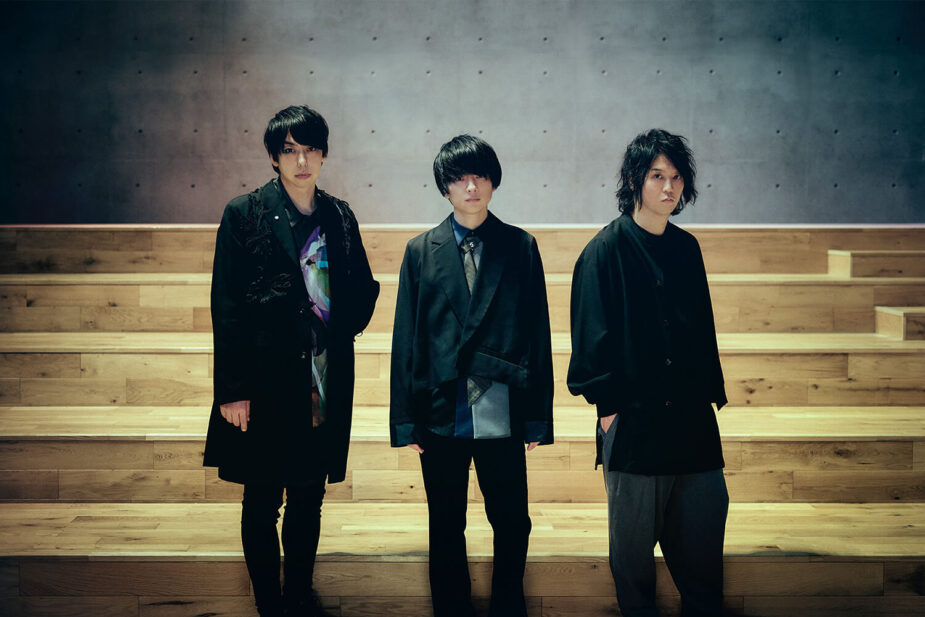
Furthermore, the anime production industry will lose one of its most reliable partners. The band’s ability to craft themes that perfectly encapsulate the mood of a series has made them a go-to choice for directors and producers. Their hiatus means that upcoming high-profile projects will need to look elsewhere for the "Unison sound"—a blend of frantic energy and melodic precision that is difficult to replicate.
The live music sector, particularly the festival circuit, will also see a change. UNISON SQUARE GARDEN has been a "main stage" act for years, often serving as a headliner or a high-billing sub-headliner at events like ROCK IN JAPAN FESTIVAL and COUNTDOWN JAPAN. Their absence from the 2026-2027 festival season will be a notable departure from the norm, requiring organizers to shift their programming to accommodate younger rising acts or different veterans.
Logistical Challenges of the Three-Piece Format
The hiatus highlights the inherent vulnerability of the power trio format. In larger bands, such as those with five or six members, the departure of a single musician can often be absorbed with less disruption. A second guitarist or a keyboardist might fill the gap, or the band might continue as a four-piece without fundamentally altering their live performance capabilities.
In a trio, there is nowhere to hide. The drums, bass, and guitar are each essential pillars. If the drummer leaves, the remaining two members are left with a skeleton of a band. Finding a drummer who can match Suzuki’s specific technical skill set—which often involves complex polyrhythms and high-speed fills tailored to Tabuchi’s erratic bass lines—is a daunting task. The hiatus provides Saito and Tabuchi the time necessary to decide if they wish to find a permanent replacement, utilize support musicians, or perhaps rebrand entirely.
Conclusion: An Uncertain Future for a J-Rock Icon
As the July 15 performance at Makuhari Messe approaches, the focus remains on celebrating the 22-year legacy of a band that defied the odds of longevity in a fickle industry. While the apology for the sudden announcement suggests a sense of finality for the current era, the term "hiatus" offers a glimmer of hope for fans. It leaves the door open for a future return, though likely in a different form or with a new creative focus.
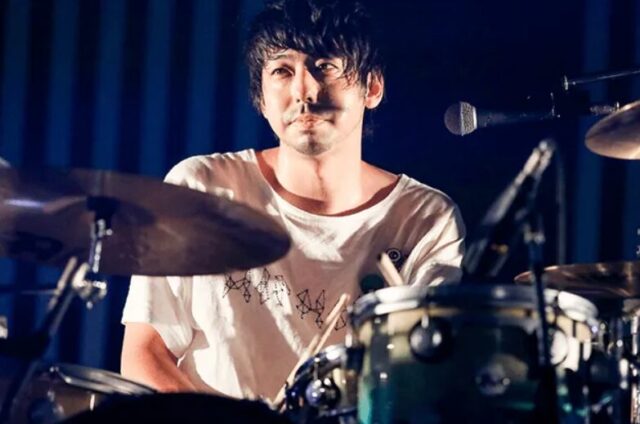
The departure of Suzuki Takao serves as a reminder of the human element behind the music. Even the most successful partnerships are subject to the changing tides of personal ambition and artistic vision. For now, the Japanese music industry prepares to say goodbye to the original lineup of UNISON SQUARE GARDEN, a group that proved three people, a few instruments, and two decades of dedication could create a legacy that resonated far beyond the indie clubs of Shimokitazawa.
The upcoming months will likely see the members focusing on solo endeavors. Tabuchi Tomoya is expected to continue his prolific work in songwriting and production, while Suzuki Takao’s "individualistic artistry" will undoubtedly manifest in new, perhaps more experimental, projects. Saito Kosuke, with one of the most recognizable voices in rock, remains a potent force whose next steps will be closely watched by the industry. Though the group is stepping away from the spotlight, the impact of their twenty-two-year run ensures that their influence will remain a permanent fixture in the history of Japanese rock.