Mia Khoirunisa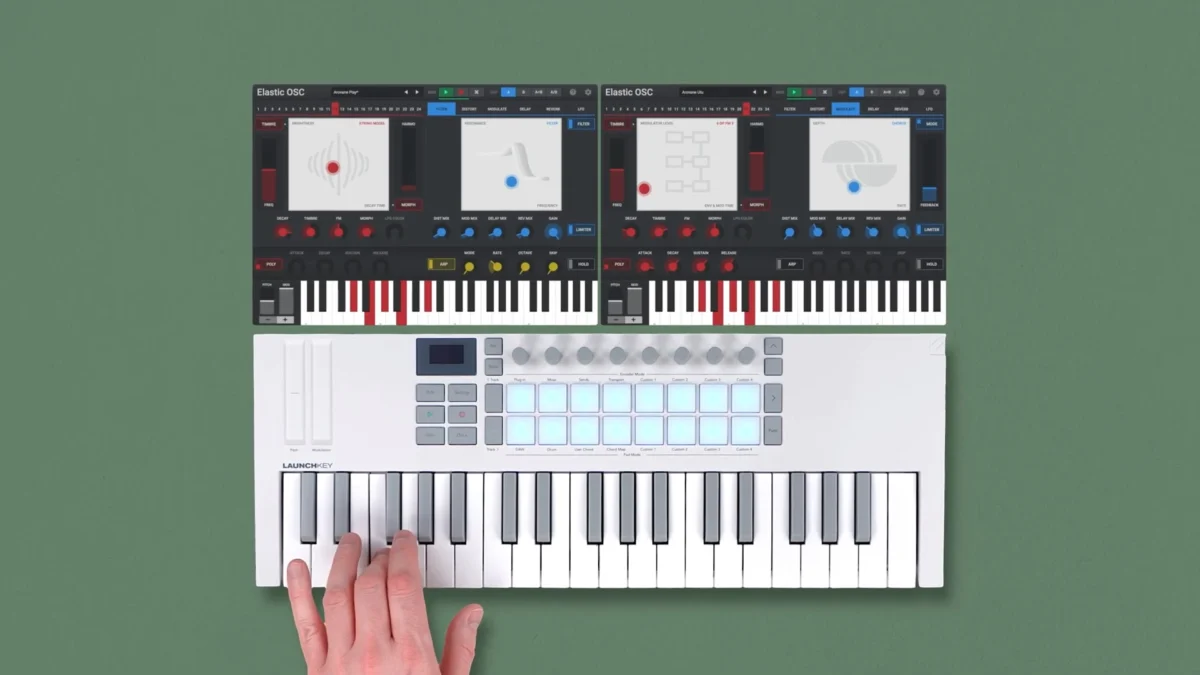
The highly regarded Plaits oscillator models, originally developed by Émilie Gillet and famously featured in Mutable Instruments’ Eurorack modules, have undergone a significant expansion with the release of Elastic OSC for desktop operating systems. This new iteration, available for both macOS and Windows, builds upon the 24 original open-source models by introducing advanced features such as 8-voice polyphony, MPE (MIDI Polyphonic Expression) support, a sophisticated modulation engine, and integrated Elastic effects. This release marks a pivotal moment for users who have admired the sonic versatility of Plaits but have primarily experienced it within mobile environments or as a hardware module.
The journey of Plaits from a singular Eurorack module to a widely accessible software instrument has been a testament to its enduring design and sonic capabilities. Initially conceived as a compact yet powerful sound generation engine for modular synthesizers, Plaits offered a diverse array of synthesis techniques, including analog, wavetable, FM, granular, and physical modeling, all within a single module. This versatility quickly garnered a dedicated following among electronic musicians and sound designers. The subsequent porting of these models to mobile platforms like iOS and Android, under the Elastic OSC banner, democratized access to these complex sound-creation tools, allowing for intricate patching and sound design on tablets and smartphones.
However, the transition to desktop environments, particularly as a plugin format compatible with Digital Audio Workstations (DAWs), represents a significant leap in workflow integration and creative potential. This expansion allows producers and composers to seamlessly incorporate the unique sonic character of Plaits into their established studio workflows, leveraging the power and flexibility of their computer-based setups. The addition of 8-voice polyphony fundamentally alters the expressive palette available, moving beyond the monophonic nature of the original hardware and earlier mobile versions, and opening up avenues for rich chordal textures and complex harmonic arrangements.
Expanding the Sonic Frontier: Polyphony, Expression, and Modulation
The introduction of 8-voice polyphony is arguably the most transformative feature of Elastic OSC Desktop. This enables users to play multiple notes simultaneously, creating lush pads, complex chords, and evolving harmonic structures that were previously unattainable with monophonic Plaits implementations. This polyphonic capability transforms Plaits from a singular voice generator into a fully fledged polyphonic synthesizer, capable of a much broader range of musical applications.
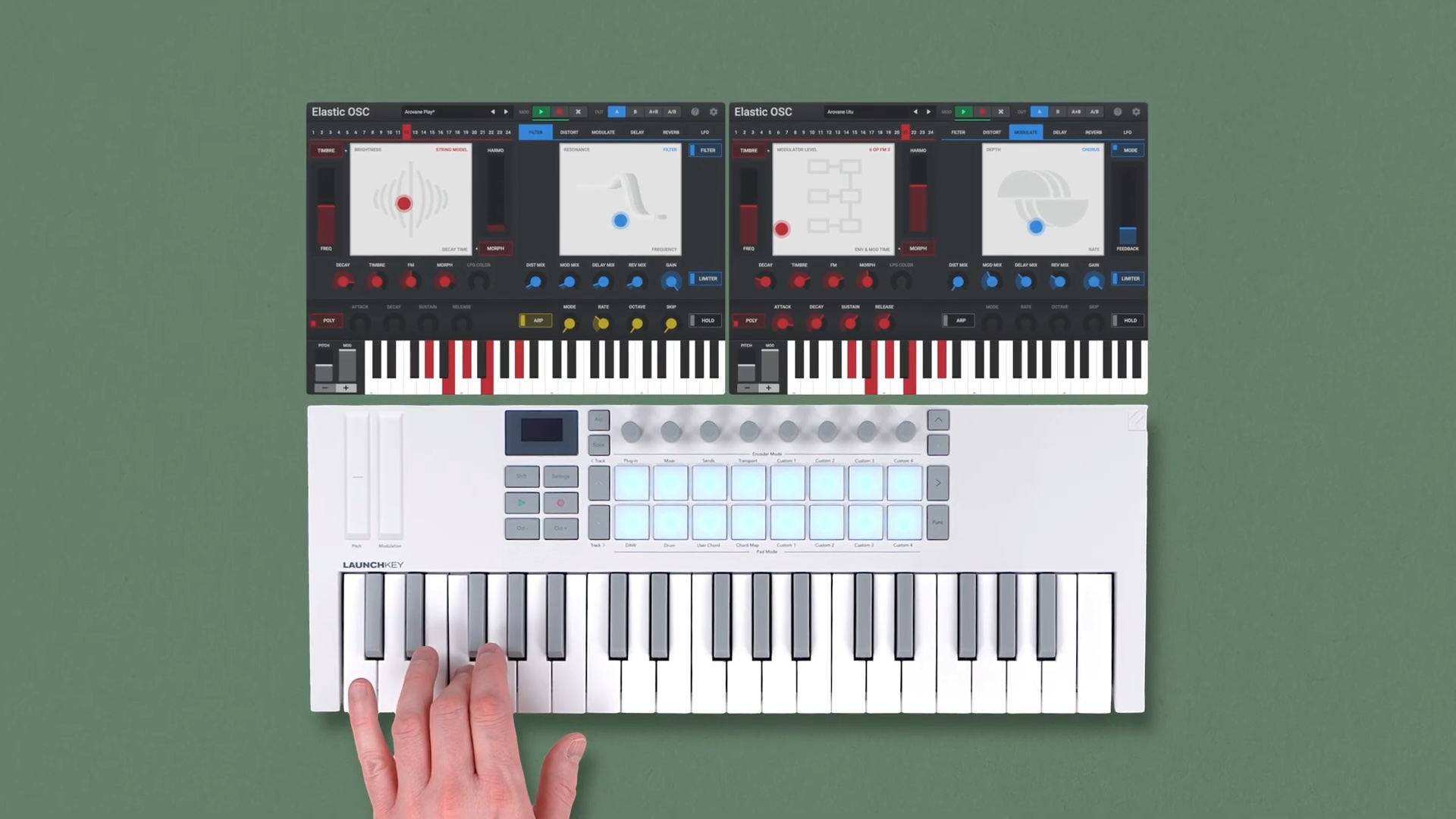
Complementing the polyphony is the robust support for MPE. This advanced MIDI protocol allows for per-note control over parameters such as pitch bend, aftertouch, and vibrato, offering a level of nuanced expression previously reserved for high-end performance instruments. When coupled with MPE controllers like the ROLI Seaboard or Expressive E Osmose, Elastic OSC Desktop allows for highly dynamic and humanistic performances, where subtle gestures can sculpt the sound in real-time. This feature is particularly impactful for expressive lead lines, emotive pads, and intricate soundscapes that benefit from granular control over sonic articulation.
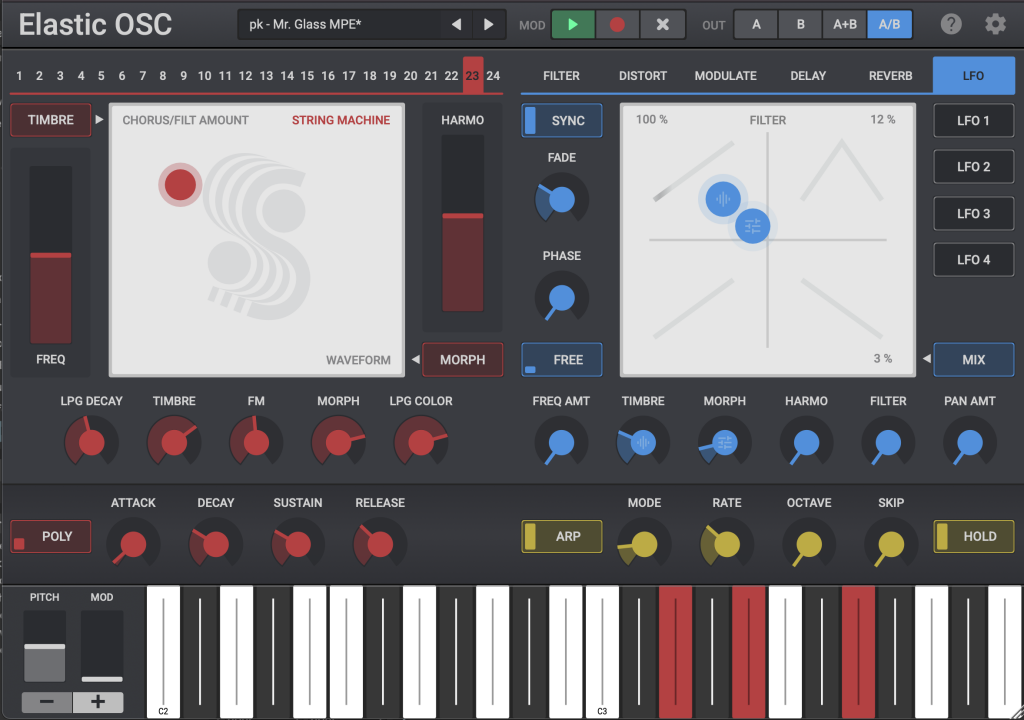
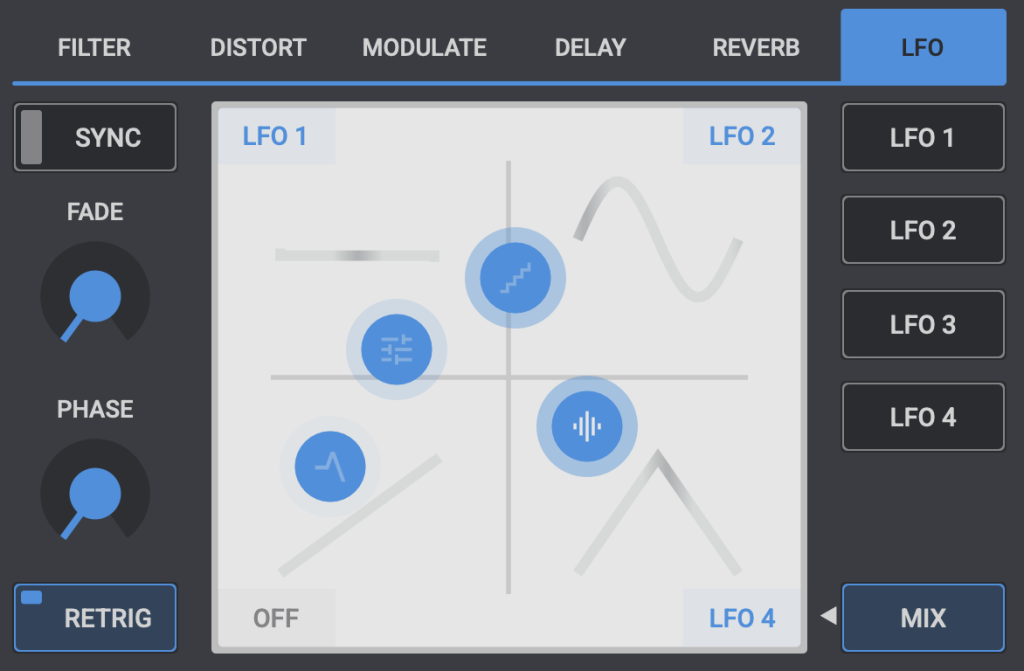
The integration of a dedicated modulation engine further enhances the sonic possibilities. This engine provides powerful LFOs (Low-Frequency Oscillators) and envelope generators that can be routed to control a vast array of parameters within each Plaits model. The ability to animate sound, create rhythmic pulses, and generate evolving textures through sophisticated modulation routing is a hallmark of advanced synthesis, and its inclusion in Elastic OSC Desktop elevates its creative potential significantly. This allows for dynamic sonic movement, from subtle timbral shifts to complex, evolving soundscapes that respond to intricate control signals.
Furthermore, the inclusion of Elastic Instruments’ signature effects suite adds another layer of sonic polish and creative depth. These built-in effects can be applied to the output of the oscillators, providing reverb, delay, chorus, and other processing options that can shape the final sound and integrate it seamlessly into a mix. This all-in-one approach reduces the need for external effects processing, streamlining the workflow and allowing for more immediate sonic exploration.
A Rich History and a Widening Ecosystem
The Plaits oscillator originated from the prolific work of Émilie Gillet, known for her innovative and meticulously designed open-source Eurorack modules under the Mutable Instruments brand. Plaits, released in 2017, was lauded for its compact size, efficient interface, and remarkable sonic diversity. It featured 16 distinct synthesis models, each offering a unique approach to sound generation, from classic analog waveforms to complex FM synthesis, granular textures, and even physical modeling. The open-source nature of its design allowed for community engagement and further innovation, contributing to its widespread adoption and influence.
The evolution of Plaits into software, first on mobile platforms and now on desktop, is a natural progression. Developers have recognized the power and appeal of these algorithms, seeking to make them accessible to a wider audience beyond the confines of Eurorack hardware. Elastic Instruments has been at the forefront of this movement, with their Elastic OSC app for iOS and Android garnering considerable attention. This desktop release represents a significant expansion of that ecosystem, bridging the gap between mobile creativity and professional studio production.
The timing of this desktop release is particularly noteworthy, coinciding with major industry events and the growing demand for versatile software synthesizers. The potential for integration into modern music production workflows, especially with the rise of MPE and advanced modulation capabilities, positions Elastic OSC Desktop as a compelling tool for a new generation of sound designers and musicians.
A Collaborative Effort in Sound Design
The depth and breadth of sonic possibilities within Elastic OSC Desktop are further amplified by the inclusion of extensive preset banks. These banks have been curated and created by a notable roster of sound designers, including the author of this article, who has contributed a new bank of presets. Other contributing artists include renowned names such as Arovane, Jakob Haq, SOI, and Robert Lippok, each bringing their unique sonic sensibilities to the platform. This collaborative approach ensures a diverse range of starting points and inspirational textures for users, showcasing the vast potential of the Plaits models when expertly programmed.
The author’s personal experience highlights the distinct creative outcomes achieved through different control methods. Utilizing the four LFOs in conjunction with MPE controllers like the Ableton Push 3, a standard MIDI keyboard, and the Expressive E Osmose, yielded varied and surprising results during sound design sessions. This underscores how the interface and control methodology can profoundly influence the exploration and realization of sonic ideas, even when working with the same underlying synthesis engine. The ability to adapt the Plaits models to different playing styles and workflows, from hands-on hardware interaction to sophisticated DAW integration, is a key strength of this new desktop version.
Technical Specifications and Accessibility
Elastic OSC Desktop is available as AU (Audio Units) and VST3 plugin formats for both macOS and Windows. This broad compatibility ensures seamless integration into most professional DAWs, including Ableton Live, Logic Pro X, Cubase, FL Studio, and many others. The inclusion of LFO and MPE functionality is integrated directly into the plugin, providing a comprehensive feature set without the need for separate applications or complex routing.
For users on iOS and iPadOS, the mobile versions of Elastic OSC continue to be available, with MPE and LFO functionality offered as separate in-app purchases. This tiered approach caters to different user needs and budgets, allowing those on mobile platforms to gradually expand their feature set. The developer has indicated that lobbying efforts are underway to bring support for Linux operating systems, a request from a segment of the user base.
The introductory price for Elastic OSC Desktop is set at $39, with a trial version also available for prospective users to explore its capabilities before committing to a purchase. This accessible pricing model, combined with the extensive feature set and the legacy of the Plaits models, makes Elastic OSC Desktop a compelling proposition for both seasoned professionals and aspiring electronic musicians.
Broader Impact and Future Implications
The release of Elastic OSC Desktop signifies more than just a new software instrument; it represents a continued democratization of advanced synthesis technology. By making Émilie Gillet’s sophisticated Plaits algorithms available in a widely accessible desktop plugin format, Elastic Instruments is empowering a broader community of creators to explore complex sound design and expressive musical performance.
The implications for music production are significant. Producers can now easily incorporate the distinctive sonic textures of Plaits into their tracks without the need for specialized hardware or complex patching. The polyphonic and MPE capabilities open up new avenues for compositional creativity, enabling richer harmonic arrangements and more nuanced performances. Furthermore, the integrated effects and modulation engine streamline the creative process, allowing for faster iteration and more immediate sonic experimentation.
The ongoing development and expansion of the Plaits ecosystem, from hardware modules to mobile apps and now robust desktop plugins, highlight the enduring appeal and adaptability of Gillet’s original designs. As technology continues to evolve, it is likely that we will see further innovations built upon this foundational synthesis engine, cementing its place as a cornerstone of modern electronic music production. The collaboration with esteemed sound designers further enriches the offering, providing users with a wealth of sonic inspiration and demonstrating the instrument’s versatility across diverse musical genres. The accessibility of both the instrument and its premium features, coupled with a trial option, ensures that a wide range of users can experience the power of Elastic OSC Desktop firsthand, potentially influencing the sonic landscape of contemporary electronic music.