Johan Budi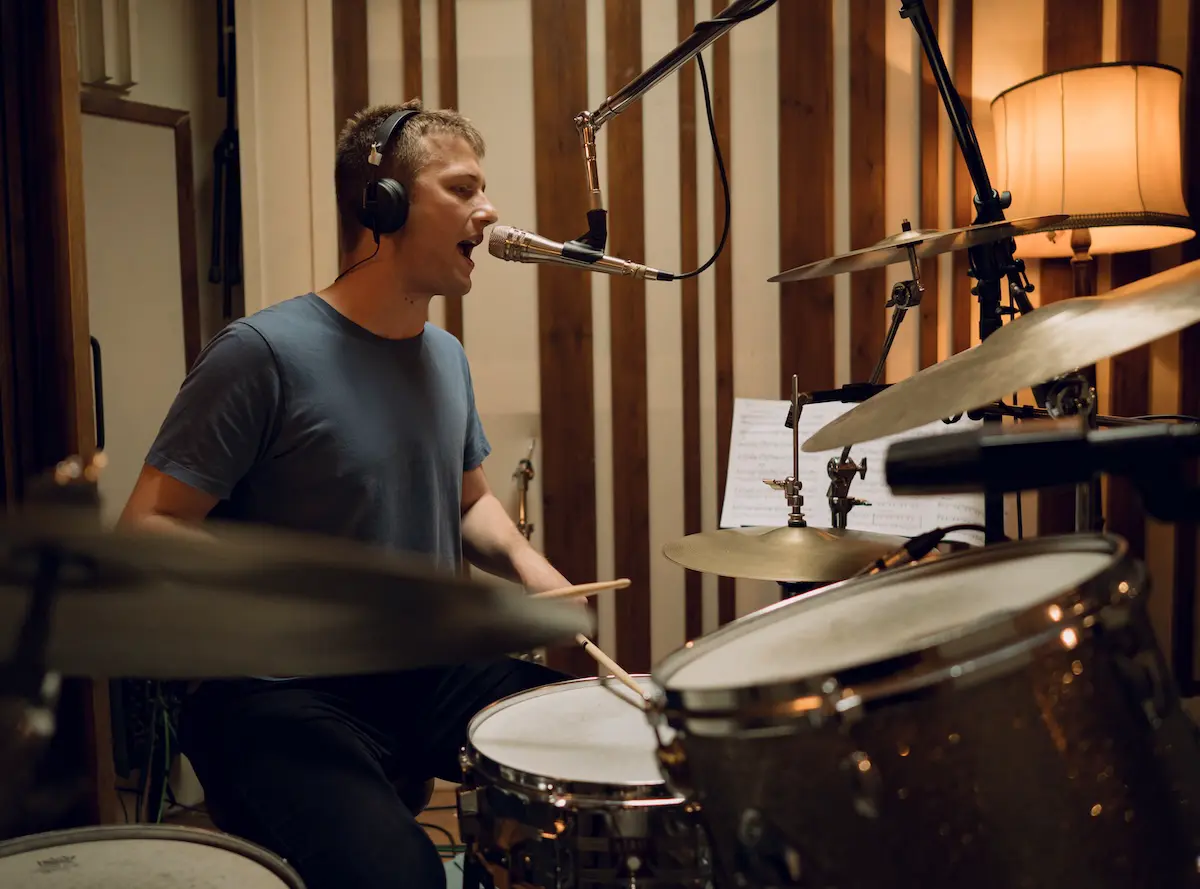
The international jazz landscape is currently undergoing a period of significant diversification, characterized by a blend of avant-garde recording techniques, the preservation of historical legacies, and a surge in cross-continental collaborations. As the industry moves through 2025 and into early 2026, a series of new releases and meticulously curated reissues highlight the genre’s resilience and its ability to incorporate environmental art, cinematic scoring, and classical traditions. From the waterways of the Netherlands to the recording studios of Montreal and the historic jazz festivals of Wales, the upcoming slate of albums reflects a global community committed to both honoring the past and exploring the sonic possibilities of the future.
Innovations in Field Recording and Conceptual Composition
One of the most distinctive projects slated for the 2025 season comes from Dutch vocalist and composer Vivienne Aerts. In a move that blurs the boundaries between traditional jazz and environmental art, Aerts spent the summer of 2025 navigating the Dutch waterways aboard De Vouw, a mahogany sailboat constructed in 1951. Over a two-week period, the vessel was repurposed into a floating recording studio. The resulting album, titled Current, integrates the natural soundscapes of the maritime environment with improvised vocal tracks and instrumental layers. This project exemplifies a growing trend in the independent jazz sector toward site-specific recordings that challenge the acoustic limitations of the traditional studio.
Similarly, pianist and two-time Grammy-winning arranger John Beasley is pushing the boundaries of technology with his new project, Invisible Piano. Recorded on the Steinway Spirio—a high-resolution player piano system—the album was born from a commission by the SWR Big Band. The process involved Beasley engaging in boundary-free improvisation, which was then captured by the Spirio’s sensors and subsequently transformed into expansive orchestral arrangements. This intersection of raw human creativity and high-fidelity digital capture provides a unique look into the compositional evolution of modern jazz.
Bridging Generations Through Vocal Jazz and Big Band Traditions
The upcoming months also see a strong focus on the vocal jazz tradition, led by Dutch-American artist Louise Alexandra. Her third album, Crazy World of Love, scheduled for release on March 27, serves as both a personal statement and a tribute to her mentor, the late Rebecca Parris. Alexandra, who balances a career as a scientist with her musical pursuits, collaborated with a distinguished ensemble of Dutch jazz masters, including pianist Rob van Bavel and drummer Marcel Serierse. The inclusion of special guest Benny Benack III on flugelhorn and vocals adds a contemporary flair to a record that features 13 tracks of originals, standards, and vocaleses based on the solos of Stan Getz and John Proulx.
In the United Kingdom, trombonist and arranger Callum Au is set to release Sing Seven Seas. Au, known for his work with international pop and jazz stars such as Michael Bublé and Josh Groban, has composed a large-scale work for an expanded ensemble. The album is designed as a narrative journey, moving from social commentary to vivid imagery, utilizing a cast of leading British instrumentalists to bridge the gap between traditional swing and contemporary orchestral jazz.
Historical Reissues and Archival Discoveries
The archival wing of the jazz industry remains robust, with several labels focusing on high-quality reissues and previously unreleased live recordings. Elemental Music is preparing a significant release featuring the Kenny Barron Trio. So Many Lovely Things, Live in Brecon captures a 1995 performance at the Brecon Jazz Festival in Wales. The recording features Barron alongside bass titan Ray Drummond and drummer Ben Riley, a trio that defined the "real jazz" aesthetic of the 1990s. The release, a limited-edition 2-LP set, includes extensive annotations by jazz historian Ted Panken, providing critical context for this previously unheard document of interactive swing.
Vinyl collectors are also anticipating reissues from the mid-century era. Waxtime is releasing a 10-inch blue vinyl edition of Chet Baker Sings, an essential document of the West Coast "cool jazz" movement. Additionally, the label is highlighting the work of Dorothy Ashby, arguably the most influential jazz harpist in history. Her album Plays For Beautiful People (also known as In a Minor Groove) features her in a quartet setting with Frank Wess and Roy Haynes. These reissues serve to remind modern audiences of Ashby’s success in proving that the harp could navigate the complexities of bebop with the same agility as the saxophone or piano.
Furthermore, 20th Century Masterworks is revisiting the Dave Brubeck Quartet’s 1957 classic Dave Digs Disney. This special edition includes bonus tracks from the original sessions and marks a pivotal moment in the quartet’s history, as it was the final recording featuring bassist Norman Bates before the arrival of Eugene Wright.
International Collaborations and Regional Identities
The global nature of the genre is further emphasized by the upcoming release of Maracanãs by Ricardo Bacelar. Scheduled for a global debut on April 24, 2026, the album is a collaborative effort between the Brazilian pianist and legendary percussionist Airto Moreira, featuring an appearance by Flora Purim. The project is set for simultaneous release in major markets including the United States, Germany, China, and Japan, highlighting the international demand for Brazilian-influenced jazz.
In Europe, the Amsterdam Klezmer Band is celebrating nearly three decades of activity with their new album, Diaspora. Released via Asphalt Tango Records, the album marks a return to the group’s acoustic roots while introducing a more prominent role for drummer Mischa Porte. This project illustrates the ongoing evolution of klezmer music as it integrates with contemporary jazz rhythms.
From Canada, several artists are making significant contributions to the 2025-2026 calendar:
- Chris Andrew: The Western Canadian pianist’s first solo album, Awakening, is described as a lyrical and spiritual evolution of his style, moving away from his large ensemble work toward intimate, solo-piano clarity.
- Alexis Martin: The Montreal-based drummer and film composer steps forward as a bandleader with Les pôles Volume 1, an album that utilizes a "cinematic sensibility" to explore themes of memory and emotional connection.
- Big Space: An instrumental trio that blends jazz fusion with progressive rock. Their second album, The Pendulum Effect, was recorded live without overdubs to capture the raw interplay between guitar, bass, and drums.
Technical Sophistication and the Evolution of the Trio
The piano trio format continues to be a vehicle for intense experimentation. The Espen Berg Trio is set to release Entropies, an album that explores the tension between order and chaos. Berg’s compositions utilize polymetric structures and spontaneous improvisation to keep both the performers and the audience in a state of constant engagement.
In a similar vein of high-level interaction, Swiss drummer Florian Arbenz has announced Quiet Lights, a trio recording featuring jazz icons Greg Osby and Bill Frisell. The album was tracked live in a single four-hour session, a feat that Arbenz describes as a "dream come true." The speed of the recording process underscores the high degree of trust and creative chemistry required among master improvisers.
Industry Impact and Cultural Significance
The diversity of these releases indicates a healthy, multifaceted industry. The move toward independent labels and self-produced projects—seen in the work of Vivienne Aerts and Big Space—suggests that artists are increasingly taking control of their creative narratives. Meanwhile, the high-profile reissues of artists like Chet Baker and Dorothy Ashby ensure that the foundations of the genre remain accessible to new generations of listeners.
The inclusion of large-scale works, such as the Barcelona Art Orchestra’s Expressions featuring Miguel Zenón, demonstrates that jazz continues to find a home in orchestral settings. This concerto, structured in four movements by four different artistic directors, reflects a collective identity that is increasingly common in the modern European jazz scene.
As these albums reach the public over the next 18 months, they will likely spark renewed discussions regarding the role of technology in music, the importance of archival preservation, and the ways in which regional folk traditions can be successfully integrated into the jazz idiom. The scheduled releases for 2025 and 2026 confirm that jazz remains a dynamic, global conversation, deeply rooted in its history but relentlessly focused on the next horizon.