Muhammad Ibadurrohman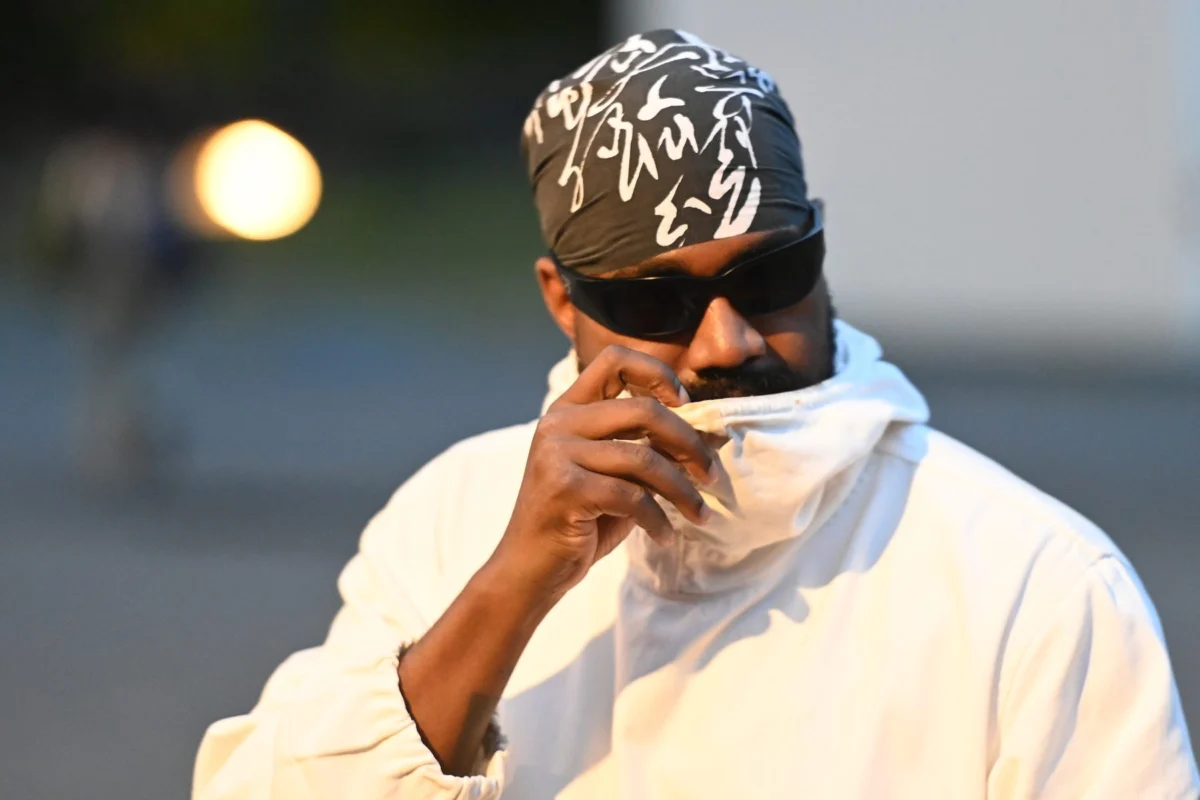
Ye, the artist formerly known as Kanye West, took the witness stand in federal court on Wednesday, May 5, asserting that his team meticulously followed industry protocols to clear a sample for his critically and commercially successful 2021 album, Donda. During his testimony, Ye characterized himself as an artist who is "very generous" in acknowledging and compensating collaborators, while simultaneously alleging that the ongoing lawsuit is an attempt by producers to unfairly capitalize on his renown. The high-profile trial in Los Angeles centers on early versions of his tracks "Hurricane" and "Moon," both of which achieved top 20 status on the Billboard Hot 100 upon their official release.
The Core of the Dispute: "MSD PT2" and the Donda Demos
The legal battle stems from allegations made by four music producers – DJ Khalil (Khalil Abdul-Rahman), Sam Barsh, Dan Seeff, and Josh Mease – who claim an uncleared sample of their instrumental track, "MSD PT2," was used in demo versions of "Hurricane" and "Moon." These demos were notably played during a pre-release listening party for Donda held at Atlanta’s Mercedes-Benz Stadium in July 2021. The album itself, Donda, was a significant cultural and commercial event, yielding hits and earning "Hurricane," featuring The Weeknd and Lil Baby, a Grammy Award for Best Melodic Rap Performance.
According to Ye’s defense, the lawsuit is without merit because his production team made a concerted and earnest effort to secure the necessary clearances for "MSD PT2." He contends that the plaintiffs deliberately stalled the clearance process and ultimately refused to agree to what he described as "industry-standard splits" for compensation. This refusal, Ye suggests, is the real motivation behind the litigation, positioning the producers as opportunists rather than wronged creators. "We went through the normal process to get it taken care of," Ye stated, clad in a grey suit, during his testimony regarding his team’s attempts to license the track.
A Glimpse into the Courtroom: Ye’s Testimony
Ye’s appearance on the witness stand, lasting just over an hour, was marked by a calm and largely expressionless demeanor. His testimony offered insights into his creative philosophy and his perspective on collaborations. "I pride myself on giving people what they deserve" in terms of credit and royalties, he told the court, emphasizing his collaborative nature as an artist. However, this assertion was quickly followed by a contrasting sentiment: "I feel like a lot of people try to take advantage of me. As I sit in this courtroom today, I just think people are trying to make more than they otherwise would because it’s me."
This statement encapsulates the central tension of many high-profile music copyright disputes: the perceived exploitation of a major artist versus the right of creators to fair compensation. Ye’s legal team is implicitly arguing that the plaintiffs are seeking inflated payouts simply due to his celebrity status and the commercial success of Donda, rather than a fair value for their contribution to the demo versions. During his testimony, Ye even managed a moment of levity. When his attorney mistakenly asked if he won a Grammy for "Brothers in Paris," Ye corrected him with a rhetorical, "What’s the real name?" — referring to his hit "N****s in Paris" — prompting laughter from the courtroom gallery.

Understanding Music Sampling and Copyright Law
To fully grasp the complexities of this trial, it is crucial to understand the intricacies of music sampling and copyright law. Sampling involves taking a portion of an existing sound recording—be it a drum beat, a vocal snippet, or an instrumental phrase—and incorporating it into a new musical piece. This practice, while fundamental to hip-hop and electronic music, is fraught with legal considerations.
In the United States, music typically involves two distinct copyrights: the sound recording copyright (often referred to as the "master" recording, owned by the record label or artist) and the musical composition copyright (covering the melody, lyrics, and arrangement, owned by the songwriter or publisher). To legally sample a track, an artist generally needs to obtain licenses for both the master recording and the underlying composition from all relevant rights holders. This clearance process can be notoriously complex, involving multiple parties, protracted negotiations, and often substantial fees or royalty splits.
A key distinction in this case, highlighted by the judge’s earlier ruling, is between a "sample" and an "interpolation." An interpolation involves re-recording a melody or lyrical phrase from an existing song, rather than directly lifting a portion of the original recording. While both require clearance of the composition copyright, direct sampling also requires clearance of the master recording copyright. The judge’s decision to dismiss claims related to the final versions of "Hurricane" and "Moon" was based on the plaintiffs, Artist Revenue Advocates LLC, owning only the "MSD PT2" master recording rights, not its composition rights. This narrowed the trial’s focus exclusively to the alleged direct sampling in the early demos, not any potential interpolation in the commercially released tracks.
A Chronology of the Legal Saga
The timeline of this dispute underscores the protracted nature of copyright litigation in the music industry:
- Pre-July 2021: The instrumental track "MSD PT2" is created by DJ Khalil, Sam Barsh, Dan Seeff, and Josh Mease.
- July 2021: Ye hosts a series of highly publicized listening parties for his Donda album, notably one at Atlanta’s Mercedes-Benz Stadium. During these events, early demo versions of "Hurricane" and "Moon" featuring the alleged "MSD PT2" sample are played to a live audience and streamed globally. These events generated significant revenue through ticket sales, merchandise, and a reported $750,000 livestreaming deal with Apple Music.
- August 2021: The final version of Donda is released. "Hurricane" and "Moon" achieve significant commercial success, charting on the Billboard Hot 100.
- 2024: The four producers, through their business entity Artist Revenue Advocates LLC, file a lawsuit against Ye, alleging the unauthorized use of "MSD PT2." Initially, they sought royalties from the commercially successful final versions of both "Hurricane" and "Moon."
- February 2024: A federal judge rules on a motion, largely dismissing the plaintiffs’ claims related to the final, commercially released versions of the songs. The judge determined that Artist Revenue Advocates LLC lacked standing to sue over an "interpolation" as they only held master recording rights, not composition rights. The trial was thus narrowed to focus solely on the alleged direct sampling in the early Donda demos played at the Atlanta listening party.
- May 5, 2024: Ye testifies in federal court in Los Angeles, presenting his defense that his team attempted to clear the sample and that the plaintiffs are seeking excessive compensation.
Ye’s Extensive History with Copyright Litigation
This trial, while focused on specific tracks from Donda, is part of a larger pattern in Ye’s career. He has faced more than a dozen copyright infringement lawsuits throughout his prolific career, often stemming from allegations of using unlicensed samples or interpolations. This extensive history has positioned him as both a prodigious musical innovator and, for some, a repeat alleged infringer.

Historically, Ye has often chosen to settle these cases out of court, a common practice in the music industry to avoid lengthy and costly trials, as well as the potential for adverse rulings. For instance, he recently settled a copyright lawsuit with the Donna Summer estate concerning an alleged uncleared sample on a track from his Vultures 1 album. The decision to take this particular case to trial, rather than settling, marks a significant departure from his usual strategy and indicates a firm stance on his part regarding the fairness of the producers’ claims. This move could potentially set a new precedent for how he approaches future disputes and how the industry views his sampling practices. It also suggests a willingness to publicly challenge what he perceives as opportunistic litigation, which could have broader implications for other high-profile artists frequently targeted by such claims.
The Financial Stakes and Broader Implications
The financial stakes in this narrowed trial are considerable, even though the claims related to the highly lucrative final album versions have been dismissed. The plaintiffs are now seeking a share of the revenue generated specifically by the Atlanta Donda listening party. This encompasses ticket sales from the Mercedes-Benz Stadium event, associated merchandise sales, and the substantial $750,000 livestreaming deal with Apple Music.
Ye’s testimony directly addressed these potential damages, arguing that the inclusion of "Hurricane" and "Moon" demos was not the sole, or even primary, driver of the listening party’s commercial success. "People came to hear whatever I was going to play that was new," Ye asserted, further adding, "Often people buy merch before they even hear the music." This argument attempts to decouple the alleged infringement from a significant portion of the event’s revenue, suggesting that fans were drawn by the event itself and the anticipation of new Ye music, rather than the specific tracks in question.
Beyond the immediate financial outcome for Ye and the plaintiffs, this trial carries significant implications for the music industry. It highlights the persistent tension between artistic freedom, particularly the creative practice of sampling, and the robust protection of intellectual property rights. For producers and lesser-known composers, securing fair compensation for their creative output, especially when it is utilized by global superstars, remains a critical challenge. The concept of "industry-standard splits" is often nebulous and subject to intense negotiation, frequently leading to disputes when expectations diverge.
Furthermore, the case raises questions about the evolving nature of music promotion in the digital age. Pre-release listening parties, often elaborate and highly monetized events, blur the lines between promotional activities and commercial exploitation. The ruling in this trial could influence how artists approach the use of uncleared material in such events, potentially mandating a stricter clearance process even for demo versions if they are to be showcased to a paying audience. The outcome will be closely watched by artists, producers, legal professionals, and industry executives, as it could shape future practices and legal interpretations of copyright in an increasingly complex and interconnected musical landscape. The balance between innovation and protection, collaboration and compensation, remains a central and defining challenge for the contemporary music industry.