Kholidah
The South Korean entertainment industry is currently grappling with a growing controversy involving Choi Sung-hee, professionally known as Bada, a member of the pioneering first-generation K-pop girl group S.E.S. The dispute centers on an event held on April 30 in Seoul’s Seocho District, where hundreds of fans and local residents reported being misled by promotional materials promising a "free concert" featuring the high-profile idol. Instead of the expected musical showcase, attendees allege they were subjected to nearly two hours of high-pressure sales pitches for funeral service memberships and other luxury life-event packages before the singer was allowed to take the stage. The incident has sparked a wider conversation regarding predatory marketing tactics and the ethical responsibilities of talent agencies when vetting third-party event organizers.
Overview of the Seocho District Incident
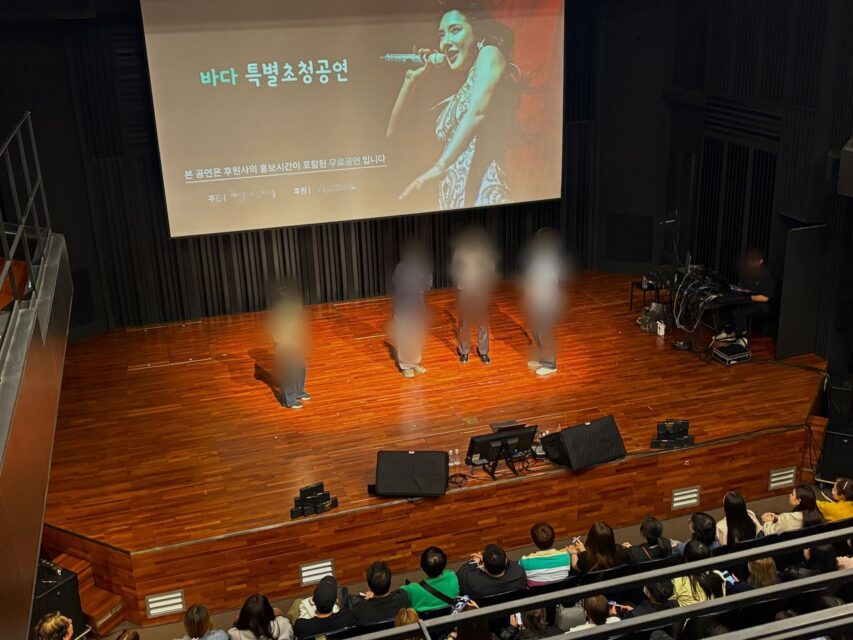
The event took place at a modest theater venue in the Seocho District of Seoul, a location typically associated with cultural performances and community gatherings. Advertisements for the event had circulated widely on social media platforms and through local community channels weeks in advance. These promotions highlighted a "special performance" by a "legendary top singer," later revealed to be Bada. Given Bada’s status as a vocal powerhouse and a respected figure in the Korean music industry, the promise of a free performance drew a significant crowd, many of whom were middle-aged fans who have followed her career since her debut with S.E.S in 1997.
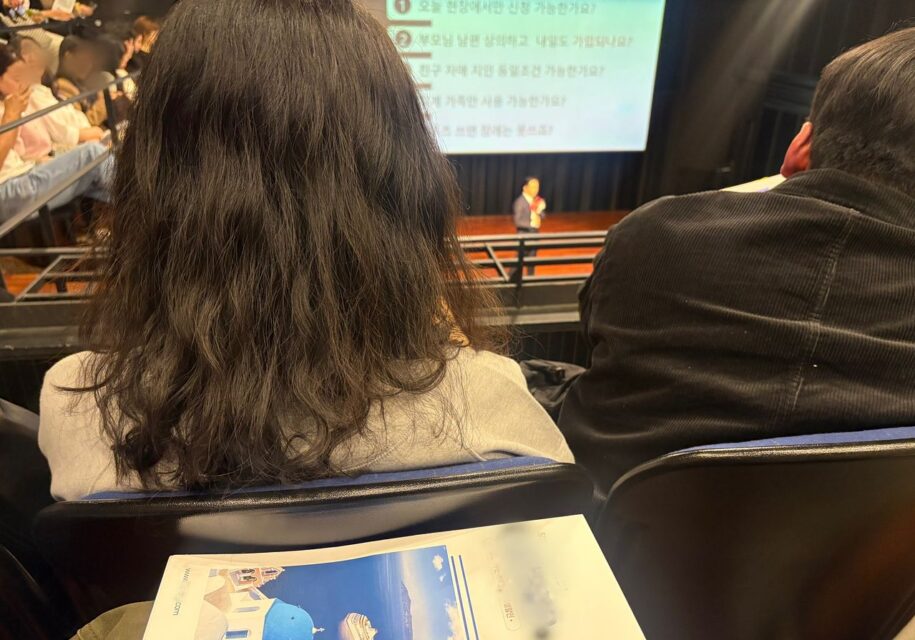
However, the atmosphere inside the theater quickly shifted from anticipation to frustration. According to multiple reports and social media accounts from those in attendance, the event did not begin with music. Instead, representatives from a "sangjo" (mutual aid) company—businesses in South Korea that provide pre-paid funeral, wedding, and travel services—took the stage. For approximately 100 to 120 minutes, the audience was reportedly forced to listen to detailed presentations regarding funeral insurance, membership tiers, and the benefits of signing up for cruise and wedding packages bundled with the service.

Detailed Chronology of the Event and Audience Coercion
The timeline of the evening, as reconstructed from attendee testimonies and local media reports, suggests a calculated effort to leverage celebrity presence to secure consumer data. Attendees arrived for what they believed was a standard concert scheduled for the evening. Upon entering the venue, they were seated in a traditional auditorium setting.
The first phase of the event involved the sales presentation. During this time, staff members reportedly moved through the aisles distributing application forms. These forms requested sensitive personal information, including full names, mobile phone numbers, and, critically, bank account details for automatic monthly withdrawals. Audience members were told that by filling out the forms on-site, they would be eligible for "special event-only discounts" and "exclusive benefits" that would not be available later.
The most controversial aspect of the evening involved the physical restrictions placed on the audience. Several attendees reported that they were discouraged or outright prevented from leaving the hall during the sales presentation. Claims surfaced on online community boards that staff monitored the exits, and some fans stated they were told they could not use the restroom until the "preliminary program" was concluded. This "lock-in" tactic is a hallmark of aggressive direct-sales marketing, designed to maximize the "captive audience" effect and pressure individuals into signing contracts they might otherwise decline.
Only after the majority of the application forms had been collected and the sales staff had concluded their pitch did Bada finally appear on stage. While attendees noted that her actual performance was of high quality, the psychological toll of the preceding two hours left many feeling "tricked" and "exploited."

Official Response from Bada’s Agency and Third-Party Intermediaries
As the backlash intensified online, with netizens labeling the event a "celebrity-baited scam," Bada’s management agency issued a formal clarification to distance the artist from the funeral service provider. The agency’s statement emphasized that the booking was handled through a secondary event-planning firm, a common practice in the Korean "haengsa" (special event) circuit.
"Bada participated in the performance after being booked through an outside agency that manages various corporate and community events," the agency stated. "She has absolutely no contractual relationship, personal connection, or endorsement deal with the funeral service company in question. She was hired solely to provide a musical performance at the end of the scheduled program."
The agency further clarified that Bada and her immediate staff were not privy to the specific marketing tactics used during the pre-show segment. They expressed deep regret that the artist’s name and image were utilized in a manner that suggested she was a spokesperson for the mutual aid company. The agency also noted that the "free concert" branding was a decision made by the organizers and the intermediary firm, rather than the artist’s management.
Despite these assurances, the controversy has raised questions about the due diligence performed by agencies when accepting performance contracts. In the competitive landscape of the Korean entertainment industry, veteran idols often perform at various regional festivals and corporate events. However, the use of a "free concert" as a "bait-and-switch" for predatory sales is viewed by many as a line that should not be crossed.

Context of the Mutual Aid (Sangjo) Industry in South Korea
To understand the gravity of the controversy, it is necessary to examine the nature of the "sangjo" industry in South Korea. These companies operate on a membership model where customers pay monthly installments to cover the future costs of a funeral or a wedding. While many such companies are legitimate and provide essential services for Korea’s aging population, the sector has a history of aggressive marketing.
In recent years, these companies have increasingly turned to "celebrity marketing" to build trust with older demographics. By associating their brand with a beloved figure like Bada, they aim to lower the natural defenses of potential customers. The Seocho event is an extreme example of this trend, where the celebrity was not merely a face on a billboard but the "reward" for enduring a high-pressure sales environment.
Consumer advocacy groups in South Korea have frequently warned about these types of events. Often labeled as "information sessions" or "cultural appreciation nights," they are frequently held in rented halls or local community centers. The Fair Trade Commission (FTC) of Korea has previously cracked down on companies that fail to disclose the commercial nature of such gatherings, as the "Door-to-Door Sales Act" requires clear identification of the intent to sell products or services.
Legal Implications and Potential Regulatory Oversight
Legal experts suggest that the organizers of the Seocho event may have violated several consumer protection regulations. Under South Korean law, deceptive advertising—specifically, promising a free entertainment event while concealing a mandatory sales pitch—can result in significant fines and administrative sanctions.
- Deceptive Advertising: By promoting the event as a "free concert" without mentioning the two-hour sales requirement, the organizers may be in violation of the "Act on Fair Labeling and Advertising."
- Coercive Sales Tactics: The reports of fans being prevented from leaving the venue or using the restroom could fall under "unfair trade practices." If attendees felt physically or psychologically compelled to provide bank information to leave, the legal ramifications could extend into criminal territory.
- Data Privacy Concerns: The collection of bank account details under high-pressure conditions raises red flags regarding the "Personal Information Protection Act." There are concerns about whether the consent obtained in such an environment is legally valid.
The Korea Fair Trade Commission has been notified of the incident by several disgruntled attendees, and an investigation into the marketing practices of the specific funeral service company involved is expected to follow.
Impact on the K-Pop Industry and Celebrity Brand Integrity
The "Bada Scam Concert," as it has been dubbed by some online communities, serves as a cautionary tale for the K-pop industry. For an artist of Bada’s stature, whose brand is built on vocal excellence and a positive, "diva" persona, being associated with a funeral home sales trap is damaging. Even if the artist was unaware of the specifics, the public perception often conflates the performer with the event they headline.
Industry analysts suggest that this incident will likely lead to stricter vetting processes for "haengsa" bookings. Agencies may now require more detailed itineraries and "no-sales" clauses in performance contracts to ensure their artists are not used as shields for predatory businesses.
Furthermore, the incident highlights a vulnerability in how veteran idols are marketed. While younger groups like BTS or NewJeans are protected by massive corporate infrastructures and global luxury endorsements, first-generation idols often operate in a more fragmented market where they are more susceptible to being booked by unscrupulous third-party promoters.
Conclusion and Future Outlook
As of the latest reports, the organizers of the event have issued a brief statement promising to "improve transparency" in future events. However, this has done little to appease the fans who felt their time and personal data were harvested under false pretenses. The controversy surrounding Bada’s "free concert" remains a trending topic in South Korea, serving as a stark reminder of the lengths to which some companies will go to exploit celebrity influence.
The resolution of this case will likely depend on the findings of consumer protection agencies. For Bada, the focus remains on repairing her relationship with a fanbase that felt betrayed, not by her performance, but by the circumstances in which it was delivered. For the wider industry, the Seocho incident is a call to action to protect both artists and fans from the increasingly deceptive tactics of "bait-and-switch" event marketing. As the Korean public becomes more vocal about consumer rights, the era of trapping fans in a room for a sales pitch may finally be coming to a close.