Indra Aziz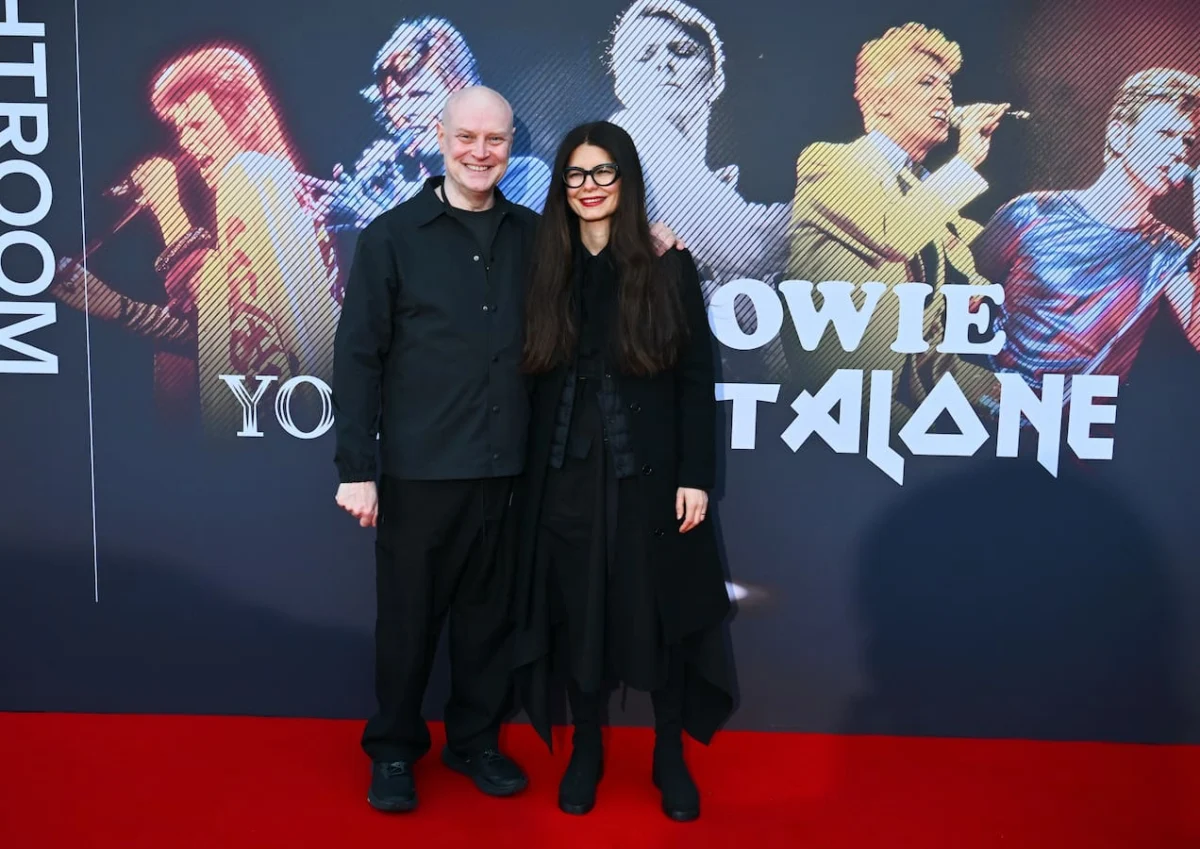
On May 19, 2026, graphic design luminary Jonathan Barnbrook will host a pivotal event titled "Designing Bowie" at Lightroom, the esteemed immersive production venue situated in London’s King’s Cross. This special engagement coincides with the ongoing major immersive production, "David Bowie: You’re Not Alone," offering a unique opportunity to delve into the creative partnership that shaped some of David Bowie’s most iconic visual identities. Barnbrook, renowned for his distinctive and often provocative design aesthetic, collaborated with Bowie from 2002 until the artist’s passing in 2016. During this significant period, Barnbrook became Bowie’s exclusive designer, entrusted with the visual representation of every album released, a testament to the deep creative rapport and mutual respect they cultivated. This partnership culminated in the design for "Blackstar," Bowie’s final album, released just days before his death, a project that has since become a profound artistic and cultural touchstone. Ahead of the "Designing Bowie" event, Barnbrook sat down with Clash magazine to discuss the genesis, evolution, and enduring impact of his collaboration with the legendary musician.
The Genesis of a Creative Partnership
Barnbrook’s journey into graphic design was profoundly influenced by the visual language of album covers. He recalls being captivated by records that eschewed conventional band photography, favoring instead conceptual and visually arresting artwork. "They were generally the ones that didn’t have the band on the cover," Barnbrook explained. "Even as an adolescent, before I became a designer, I thought the formula of a nice picture of the band with some current type was a cop-out." He cites Jamie Reid’s iconic, anarchic design for the Sex Pistols’ "God Save the Queen" as a formative influence, highlighting its audacious departure from prevailing norms and its potent connection to a cultural movement. This punk era, he notes, demonstrated the power of a cohesive artistic statement, where music, fashion, graphics, and attitude converged to effect societal change.
In stark contrast to the confrontational energy of punk, Barnbrook also expresses deep admiration for the work of Vaughan Oliver, whose designs for bands like the Cocteau Twins offered a different kind of visual poetry. "I loved the work of Vaughan Oliver, simply because it was absolutely beautiful," Barnbrook stated. "He came up with designs that really expressed the beauty of the world. The typography and its relationship with the photography made the world seem a better place." Oliver’s ability to imbue his designs with a sense of aesthetic grace and emotional resonance was a significant inspiration for Barnbrook’s own design philosophy and his eventual career path.
The Symbiotic Relationship: Music and Design
Barnbrook emphasizes that his creative process is deeply intertwined with his personal connection to the music he is asked to design for. He finds it challenging to produce compelling work without a genuine affinity for the artist’s sound and message. "I am not good at working on an album design when I am not into the music. I think it shows in the design," he asserts. This authenticity is crucial, as he believes a designer’s personal resonance with the music translates directly into the emotional impact of the artwork.
His long-standing collaboration with musician John Foxx further illustrates this point. Barnbrook admires Foxx’s distinctly English artistic sensibility and his multidisciplinary approach to creativity, encompassing painting, drawing, design, and writing. This holistic artistic vision creates an immersive world that Barnbrook finds particularly inspiring. He views his collaborations with both Foxx and Bowie as validations of his belief in the power of design as a cohesive voice for an artist. Foxx, who initially designed his own record covers, played an instrumental role in encouraging Barnbrook’s nascent interest in design, demonstrating the profound impact of visual representation on an artist’s public persona.
The Bowie Commission: A Unique Collaboration
Barnbrook’s professional relationship with David Bowie began unexpectedly with a commission to design a book about Bowie’s wife, Iman. This initial project, received via a surprising phone call, marked the commencement of a collaboration that would span over a decade and encompass some of Bowie’s most artistically significant works. Barnbrook recounts the surreal moment of realizing he was speaking with Bowie himself, a childhood idol. Bowie’s ability to put him at ease was instrumental, fostering an environment where Barnbrook felt empowered to offer candid critiques and express his own design preferences, rather than simply acquiescing to every suggestion. This dynamic laid the groundwork for a truly collaborative partnership.
A key aspect of their working relationship was Bowie’s contractual autonomy with his record label. Having experienced considerable creative interference in the 1990s, Bowie negotiated a deal that allowed him to deliver finished products to his label, thereby maintaining complete control over his artistic output and the selection of his collaborators. This arrangement ensured that Barnbrook and Bowie could work in "complete isolation and without interference," a freedom Barnbrook found liberating. While this independence allowed for significant creative exploration, Bowie was by no means detached from the process. He possessed a keen understanding of what constituted compelling album art and what his audience might anticipate, yet he and Barnbrook consistently aimed to surprise and challenge expectations, a prime example being the innovative cover art for "The Next Day."

Understanding the Artist’s Vision
Barnbrook attributes the longevity and success of his collaboration with Bowie to a shared understanding and a mutual recognition of artistic kinship. He believes Bowie saw in him a fellow artist who grasped the broader cultural significance of pop music and possessed the experimental drive to push creative boundaries. "I think he saw someone quite similar to himself – someone who understood where to place pop music within the whole spectrum of the arts, and who was experimental enough to try something different," Barnbrook stated. Furthermore, he suggests that his ability to make the creative process enjoyable contributed significantly to Bowie’s continued engagement.
Barnbrook’s design process for Bowie involved a deep dive into the artist’s psyche and artistic context. He sought to create album covers that were not merely graphic elements but extensions of Bowie’s persona and artistic statements at a given moment. This involved extensive listening, meticulous research into references, and a conscious effort to evoke an emotional response. "There should be depth, but there should also be an emotional reaction to it; otherwise, it can become too calculated and fail to connect with people," he explained. This immersive approach ensured that each design resonated with the underlying themes and emotions of Bowie’s music.
The Creative Process: Communication and Trust
Despite the geographical distance between London and New York, where Bowie resided for much of their collaboration, their communication was primarily conducted via email, facilitating a fluid exchange of ideas. For the final album, "Blackstar," Barnbrook made a dedicated trip to New York to discuss the design directly with Bowie. This face-to-face interaction underscored the importance of their artistic dialogue.
Barnbrook highlights Bowie’s exceptional ability to elicit the best from his collaborators while ensuring the creative journey was enjoyable. This philosophy extended to Bowie’s approach to musicians, where a demand for excellence was balanced with a commitment to a positive working environment. Unlike many artists who might seek to exert complete control over their visual representation, Bowie was remarkably open-minded. He was receptive to new ideas, provided they met a high standard of quality. Intriguingly, Bowie was disinclined to over-explain the specific meanings of his songs. Barnbrook recalls an instance where Bowie, when asked about lyrical interpretations, requested that Barnbrook rely on his own artistic response rather than explicit explanations, a testament to Bowie’s trust in Barnbrook’s interpretive capabilities and a method that fostered greater creative freedom.
A Legacy in Design: "The Next Day" and "Blackstar"
When asked to identify his favorite design from their collaborative works, Barnbrook points to the cover art for "The Next Day." He views it as a rare instance in his career where a new idea successfully challenged public perception and sparked widespread discussion. Even years after its release, the design continues to elicit strong reactions, both positive and negative, a testament to its provocative nature. Barnbrook recalls discussing the intense media attention surrounding the cover with Bowie, who expressed immense satisfaction that an album cover was generating such significant public discourse in contemporary times.
The final album, "Blackstar," holds a particularly poignant place in Barnbrook’s oeuvre. He admits that listening to the album is a profoundly emotional experience due to Bowie’s passing shortly after its release. He finds himself often returning to Bowie’s earlier works, which feel like distinct entities separate from his personal grief. Barnbrook was unaware of Bowie’s illness when they collaborated on "Blackstar." He met with Bowie six months prior to the album’s release, and found him to be humorous and forward-looking. Bowie’s decision to keep his illness private, Barnbrook believes, allowed him to approach the design process with a degree of emotional distance, enabling him to focus on the album’s universal themes of mortality without the added weight of personal knowledge. This approach, Barnbrook suggests, made the design process more manageable. Upon learning of Bowie’s death, however, the lyrics took on a new and profound context. The stark, enigmatic design of "Blackstar," with its single black star symbol, has become an enduring icon, reflecting the album’s introspective and final artistic statement.
The "Designing Bowie" Event at Lightroom
The "Designing Bowie" event at Lightroom offers an exclusive opportunity for the public to gain insights into this seminal creative partnership. Barnbrook’s presentation will likely delve into the visual evolution of Bowie’s albums from the early 2000s onwards, exploring the conceptual frameworks, artistic influences, and technical approaches that defined their work together. The event’s location at Lightroom, a venue dedicated to large-scale immersive digital art, suggests that Barnbrook’s talk may be enhanced by visual elements that bring the album artwork and the creative process to life in a dynamic and engaging manner. The retrospective nature of the event, coupled with the ongoing "David Bowie: You’re Not Alone" exhibition, creates a powerful synergy, allowing attendees to experience Bowie’s music and visual legacy in a comprehensive and immersive environment. The event serves not only as a tribute to David Bowie but also as a celebration of the art of graphic design and its crucial role in shaping an artist’s enduring image and impact. The lasting significance of Barnbrook’s designs for Bowie underscores the profound connection between visual art and musical expression, a dialogue that continues to resonate with audiences worldwide.