Nana Wu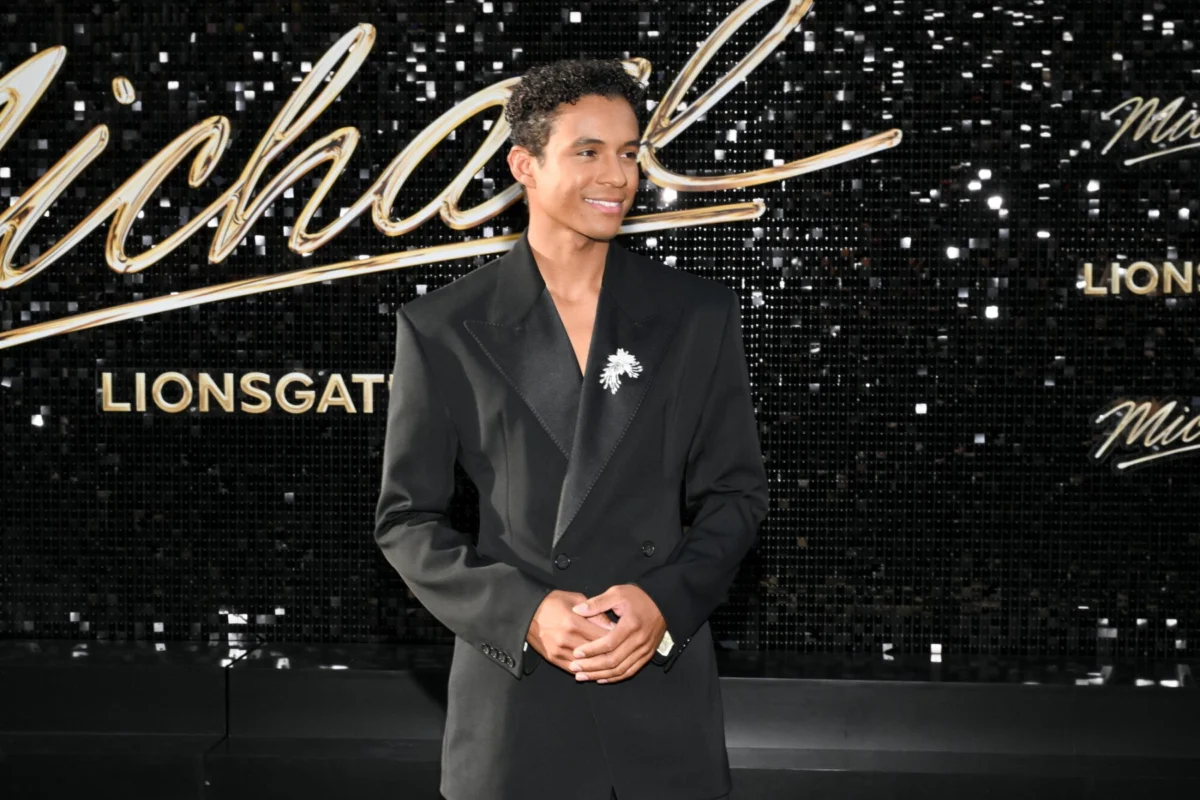
The Michael Jackson biopic from Lionsgate, simply titled Michael, has surged back into rarefied territory, reclaiming the coveted No. 1 spot at the North American box office and pushing its global earnings to an astonishing $703.9 million and counting. This impressive performance underscores the enduring appeal of the King of Pop and the robust market for musical biopics, even as the film continues its journey towards potentially surpassing the current reigning champion of the genre, Bohemian Rhapsody, which grossed over $910.8 million worldwide.
King of Pop’s Cinematic Reign Continues
After a brief two-week hiatus where it trailed behind the romantic comedy sequel The Devil Wears Prada 2, Michael demonstrated its staying power by drawing in an estimated $26.1 million in ticket sales over the weekend of May 17. This resurgence highlights not only the film’s strong audience engagement but also its potential to dominate the cinematic landscape for weeks to come. The film, which stars Jaafar Jackson, nephew of the late icon, in the titular role, premiered to significant anticipation at The Dolby Theatre in Los Angeles on April 20, 2026. Jaafar Jackson’s uncanny resemblance and reportedly compelling performance have been key factors in generating buzz and driving audiences to theaters. Lionsgate’s strategic release and marketing efforts have clearly paid dividends, positioning Michael as a major cultural event.
The biopic delves into the multifaceted life and career of Michael Jackson, from his early days as a child prodigy with the Jackson 5 to his unparalleled global superstardom, exploring the triumphs, challenges, and controversies that defined his extraordinary journey. Such a narrative carries inherent weight, given Jackson’s profound impact on music, dance, fashion, and pop culture worldwide. The film’s robust box office figures suggest it has successfully navigated the complexities of its subject matter, resonating deeply with fans and new generations alike.
A Deeper Dive into the Weekend Box Office Dynamics
The weekend’s box office narrative was a dynamic interplay of returning champions, surprising newcomers, and steady holdovers. While Michael seized the top position, the competition remained fierce. Disney and 20th Century Studios’ The Devil Wears Prada 2 slipped to second place in its third weekend, still performing admirably with $18 million. Its domestic total now stands at $175.9 million, contributing to a worldwide haul of $546.2 million. This sequel’s strong run indicates a significant appetite for established franchises and beloved characters, even after a considerable gap between installments.
Several new releases attempted to carve out their own space, including the relationship horror movie Obsession, the Guy Ritchie action pic In the Grey, and the revenge saga Is God Is. However, the holdovers, particularly Michael and The Devil Wears Prada 2, continued to attract the largest crowds, demonstrating their strong word-of-mouth and established audience bases. The box office landscape, however, is poised for another seismic shift with the highly anticipated arrival of Star Wars: The Mandalorian and Grogu next weekend, which is expected to dominate headlines and ticket sales.
Fourth place this weekend went to Mortal Kombat II, which experienced a significant 65% drop in its second weekend, pulling in $13.4 million in domestic ticket sales. Globally, the video game adaptation has made $101.2 million from 80 markets, indicating a stronger international appeal or initial fan base engagement. Amazon MGM Studios had a notable presence in the top 10 with three films: The Sheep Detectives in fifth place with an additional $10.2 million (bringing its running total to $30.5 million), Project Hail Mary in seventh place with $3.4 million in its ninth weekend (now also available for home rental/purchase), and Is God Is rounding out the top 10.
"Obsession" Emerges as a Surprise Indie Hit
Among the newcomers, Obsession proved to be the weekend’s most compelling success story, exceeding expectations with an estimated $16.1 million from 2,615 theaters. This thriller, written and directed by YouTube breakout Curry Barker, captivated audiences with its fresh take on a hopeless romantic’s disastrous encounter with his crush. The film’s critical reception has been overwhelmingly positive, boasting an impressive 94% on Rotten Tomatoes, alongside an equally strong A- CinemaScore from audiences – a rarity for the horror genre.
Perhaps even more remarkable is the film’s shoestring budget of $750,000. Focus Features, recognizing its potential, acquired the film out of the Toronto International Film Festival last fall for approximately $15 million, a move that has clearly paid off handsomely. Lisa Bunnell, president of domestic distribution for Focus Features, attributed Obsession’s success to a confluence of factors, primarily audiences’ craving for fresh, original voices in cinema. Bunnell noted the significant word-of-mouth generating excitement, particularly among younger audiences making plans for repeat viewings with friends. She highlighted that horror movies rarely achieve an A- CinemaScore, placing Obsession in esteemed company with other recent genre hits like Weapons. “I’m expecting a really strong holdover,” Bunnell confidently stated, forecasting continued success for the low-budget thriller. This success serves as a powerful testament to the impact of compelling storytelling and effective execution, regardless of production scale.

The Enduring Power of Biopics and Blockbusters
The action caper In the Grey, released by Black Bear, made $3 million from 2,018 locations. Starring Henry Cavill, Jake Gyllenhaal, and Eiza González as a team of elite operatives on an impossible mission, the film currently holds a 44% rating on Rotten Tomatoes and a B CinemaScore, indicating a more mixed reception compared to Obsession. Meanwhile, Is God Is, Aleshea Harris’s adaptation of her Obie-winning play about twin sisters (Kara Young and Mallori Johnson) seeking revenge on their abusive father, debuted with $2.2 million. The film has garnered critical acclaim with a 97% rating on Rotten Tomatoes, suggesting strong potential for niche audiences and critical awards.
The weekend also saw the successful re-release of cinematic classics, with Top Gun earning $3.1 million and Shrek bringing in $1.3 million. Paul Dergarabedian, head of marketplace trends for Comscore, observed that the concurrent success of Prada, Michael, and Top Gun in the top 10 vividly demonstrates that “nostalgia is on full display.” He concluded, “What’s old is new again and audiences clearly love it.” This trend indicates a strong audience preference for familiar narratives, beloved characters, and established cultural touchstones, whether through sequels, biopics, or re-releases of cherished films.
Michael Jackson’s Legacy on the Big Screen
The success of Michael is deeply intertwined with the colossal legacy of Michael Jackson himself. As the "King of Pop," Jackson transcended music, becoming a global phenomenon whose influence on art, fashion, and humanitarian efforts remains unparalleled. A biopic about such a figure carries immense weight and responsibility, aiming to capture the essence of his artistry while navigating the complexities and controversies that marked his later life. Jaafar Jackson’s portrayal, lauded for its authenticity and respect, seems to have struck a chord with audiences, validating Lionsgate’s decision to cast a family member.
The film’s trajectory, nearing the $700 million mark, places it among the highest-grossing films of the year and firmly establishes it as a major player in the musical biopic genre. While Bohemian Rhapsody (Queen) and Rocketman (Elton John) set high bars, Michael is demonstrating the capacity to join this elite club, further cementing the genre’s commercial viability. This trend suggests that audiences are not just seeking entertainment, but a deeper connection to the legends whose music has soundtracked generations. The meticulous recreation of Jackson’s iconic performances, coupled with an exploration of his personal struggles, offers a comprehensive narrative that appeals to both ardent fans and those curious about the man behind the music.
Industry Reactions and Future Outlook
The box office results from this past weekend offer significant insights for Hollywood studios. The triumphant return of Michael to the top spot reinforces the power of iconic figures and well-executed biopics. For Lionsgate, this success is a significant win, potentially influencing their future slate towards similar high-profile, culturally resonant projects. Industry analysts suggest Lionsgate will be keenly watching the film’s continued performance, especially as it aims to challenge Bohemian Rhapsody‘s record.
The breakout success of Obsession is equally impactful, signaling that original, low-budget content, particularly in the horror genre, can still draw massive crowds and yield substantial returns. This provides a crucial counter-narrative to the prevailing reliance on established intellectual properties and franchises. Focus Features’ astute acquisition and distribution strategy for Obsession will likely be studied by other independent film distributors and major studios looking to diversify their portfolios and capitalize on grassroots buzz. The positive critical and audience reception for Obsession highlights the potential for films that connect authentically with viewers, proving that quality and originality can often outweigh massive marketing budgets.
Furthermore, Paul Dergarabedian’s observation about the "nostalgia factor" is a critical takeaway. The strong performances of sequels, re-releases, and biopics suggest a collective comfort-seeking in familiar stories and characters in a rapidly changing world. This trend is likely to influence studio greenlighting decisions, leading to more sequels, reboots, and biopics in the coming years. However, the concurrent success of an original film like Obsession indicates that while nostalgia offers a safe bet, there is still ample room – and demand – for fresh, innovative storytelling.
The upcoming release of Star Wars: The Mandalorian and Grogu will undoubtedly reshape the box office landscape, but the foundation laid by films like Michael and Obsession illustrates a vibrant and diverse cinematic market. From the grand spectacle of a musical icon’s life to the intimate terror of an indie horror, audiences are showing up for compelling stories, demonstrating the continued resilience and adaptability of the theatrical experience. The competition remains dynamic, but the success of Michael firmly places it as one of the year’s defining cinematic achievements, further cementing the legacy of its extraordinary subject.