Kholidah
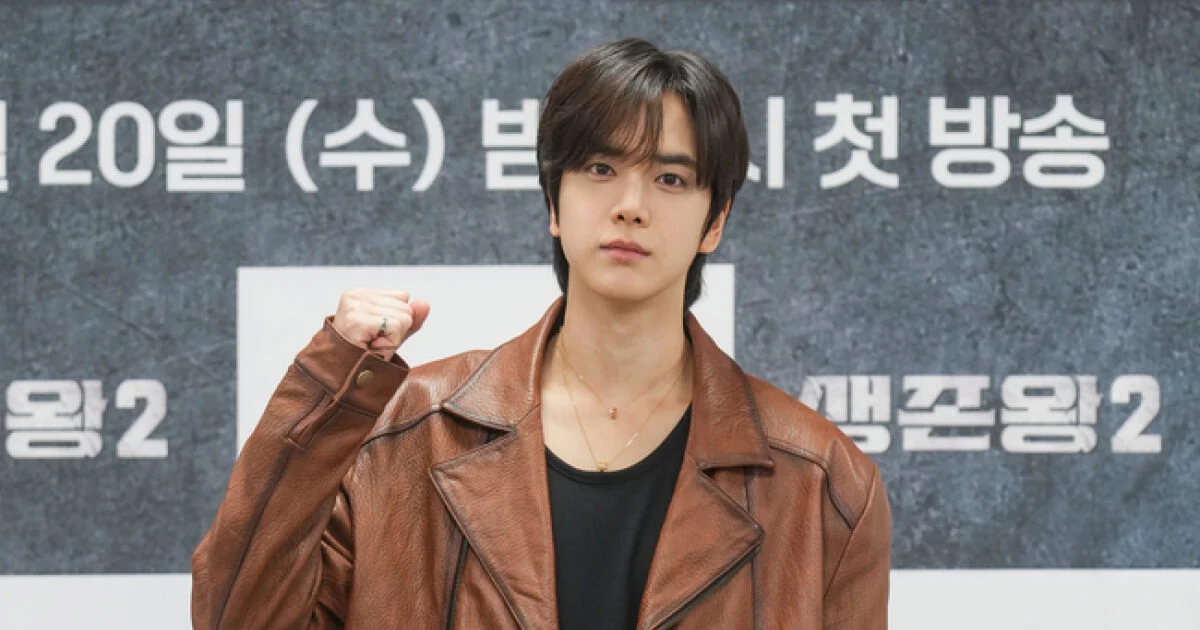
The landscape of K-pop fan engagement has undergone a radical transformation over the last decade, shifting from public fan cafes and physical letters to high-access, paid subscription messaging services. While these platforms are designed to foster intimacy between artists and their supporters, a recent incident involving Jeff, the youngest member of the boy group EPEX, has reignited a heated debate regarding the mental health of idols and the potential for abuse within these digital spaces. On May 20, 2024, a screenshot from the fan-to-artist communication platform fromm began circulating across social media, documenting a direct and disparaging message sent to the nineteen-year-old artist. The exchange, which was shared by Jeff himself, has prompted widespread condemnation of the current subscription model and calls for more stringent protections for young performers.
Details of the Incident and Immediate Response
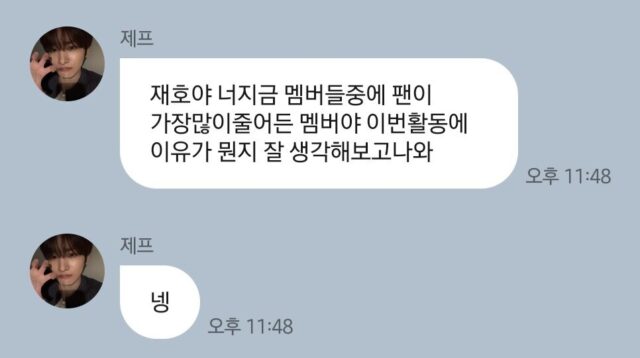
The controversy began when Jeff (born Baek Jae-ho), the maknae and lead rapper of the eight-member group EPEX, received a message from a subscriber on the platform fromm. The user, who pays a monthly fee for the privilege of sending direct messages to the artist, targeted Jeff with a critique regarding his popularity and the group’s upcoming activities. The message read: "Jaeho, you are currently the member who has lost the most fans. Think carefully about the reason for this comeback before you come out."
In a move that surprised many observers, Jeff chose to acknowledge the message publicly by replying with a concise and stoic "Ok." By sharing the interaction, the idol inadvertently highlighted the type of unfiltered negativity that performers are often subjected to in private digital environments. The screenshot quickly migrated from the closed fromm ecosystem to public forums such as X (formerly Twitter) and the Korean community site TheQoo, where it garnered tens of thousands of views and thousands of comments within hours.
The backlash from the general public and the EPEX fandom, known as ZENITH, was swift. Netizens expressed shock not only at the audacity of the fan’s message but also at the emotional burden placed on a young artist who is essentially required by his agency to engage with such platforms as part of his professional duties.
The Evolution of Fan Communication Platforms
To understand the weight of this incident, it is necessary to examine the mechanics of platforms like fromm. Developed by the tech company Wonderwall, fromm operates similarly to SM Entertainment’s "Bubble" (DearU) or HYBE’s "Weverse DM." These services monetize the parasocial relationship between idols and fans by charging a monthly subscription fee—usually ranging from $3.00 to $5.00 USD per artist. In exchange, fans receive exclusive photos, voice notes, and text messages that appear in a chat-style interface, giving the illusion of a one-on-one conversation.
While the artist sees a stream of messages from thousands of subscribers, the fan sees a private chat window. This design often leads to a "consumerist" mindset, where subscribers feel that their financial contribution entitles them to direct access, influence over the artist’s personal life, or the right to provide "constructive criticism" that often veers into harassment.
The incident with Jeff is not an isolated case. Since the inception of these services in 2020, numerous idols across various agencies have reported receiving malicious comments, demands for specific behaviors, or invasive questions through these paid channels. The fundamental issue, as argued by industry critics, is that the paywall creates a shield for the harasser while forcing the artist into a vulnerable, unmediated position.
Background on EPEX and Jeff’s Career Trajectory
EPEX, managed by C9 Entertainment, debuted on June 8, 2021, with the EP Bipolar Pt.1: Prelude of Anxiety. The group consists of members Wish, Keum, Mu, A-Min, Baekseung, Ayden, Yewang, and Jeff. From their debut, the group has focused on themes related to the struggles of youth, mental health, and societal pressure, particularly through their "Youth Chapter" series.
Jeff, as the youngest member, has often been praised for his stage presence and lyrical contributions. However, the K-pop industry is notoriously competitive, and the pressure to maintain a high level of "fan retention" is immense. The message Jeff received—accusing him of losing the most fans—strikes at a specific professional insecurity that many idols face. The timing of the message is also significant, as EPEX has been in the midst of preparing for and promoting new material. The psychological impact of being told to "think carefully" about one’s worth to a group just before a comeback can be detrimental to an artist’s performance and mental well-being.

Netizen Reactions and the Call for Reform
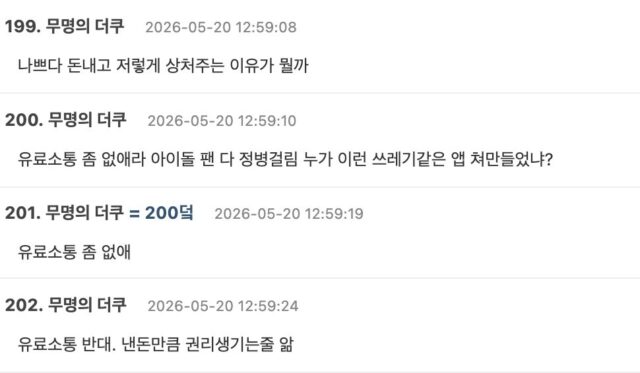
The reaction on Korean online communities has been overwhelmingly supportive of Jeff and critical of the "fromm" platform’s moderation policies. Many netizens pointed out that the message sent to Jeff was a form of "gaslighting" and "emotional abuse" disguised as fan feedback.
A common sentiment shared on TheQoo included: "Why are these kids paying money to be mean? If you don’t like him, just unsubscribe." Another user noted, "The agencies need to stop treating these platforms as a necessity. It’s becoming a gateway for people to pay for the right to bully idols directly."
The discourse has expanded into a broader critique of the K-pop industry’s reliance on "emotional labor." Unlike traditional performances or interviews, private messaging apps require idols to be "on" 24/7, often responding to fans during their personal time, late at night, or early in the morning. When this emotional labor is met with hostility, the professional boundary is completely eroded.
Some fans have started a movement on social media using hashtags to demand that C9 Entertainment and other agencies implement better filtering systems. Current filters on these apps typically block specific swear words or sexually explicit language, but they often fail to catch nuanced harassment, sarcasm, or targeted emotional attacks like the one Jeff received.
Data on Idol Mental Health and Digital Harassment
The incident reflects a growing concern regarding the mental health of K-pop stars in the digital age. A 2023 study on the impact of social media on professional performers suggested that direct, unmoderated access to negative feedback significantly increases the risk of anxiety and burnout. In the K-pop industry, where several high-profile tragedies have been linked to online harassment, the stakes are perceived as exceptionally high.
According to industry data, the "Private Message" (PM) model accounts for a significant portion of secondary revenue for mid-sized agencies. This financial incentive often leads companies to prioritize the maintenance of the service over the individual comfort of the artist. However, the backlash from Jeff’s incident suggests that the tide may be turning. Fans are increasingly prioritizing the "human rights" of the idol over their own "consumer rights" to access.
Chronology of Recent Fan-Idol Conflict Trends
The Jeff incident fits into a specific timeline of escalating tension within paid messaging apps over the past year:
- Late 2023: Several idols from various "Big 4" agencies went on hiatus, citing mental health struggles exacerbated by online pressure and constant connectivity.
- Early 2024: Multiple instances of idols "clapping back" at rude messages on Bubble and fromm were reported, indicating a shift where artists are no longer staying silent about mistreatment.
- April 2024: Discussions regarding "fan entitlement" peaked following several dating rumors, where subscribers used paid apps to demand apologies or explanations for the idols’ personal lives.
- May 20, 2024: Jeff shares the message from a fromm user, sparking the current debate on whether these platforms should exist in their current form.
Broader Implications for the K-pop Industry
The "Jeff incident" serves as a microcosm of a larger systemic issue within the Hallyu wave. As K-pop continues to expand globally, the demand for "authentic" and "direct" communication has reached an all-time high. Agencies are caught between the need to monetize fan engagement and the ethical obligation to protect their employees.
There are several potential outcomes from this controversy. First, agencies may begin to implement "staff-moderated" versions of these apps, where messages are screened by a third party before reaching the artist. While this would decrease the "real-time" feel of the app, it would provide a necessary buffer. Second, there may be a push for more robust legal action against subscribers who use these platforms for harassment. In South Korea, defamation and cyber-harassment laws are strict, and agencies like C9 Entertainment have previously stated they would take legal action to protect their artists.
Furthermore, this event highlights the resilience of younger idols. Jeff’s decision to post the message and respond with a simple "Ok" has been interpreted by many as a sign of maturity and a refusal to be intimidated by "akgaes" (individual fans who support only one member while hating others) or malicious commenters. By bringing the "private" harassment into the "public" light, Jeff has forced a conversation that many in the industry have been hesitant to have.
As of now, C9 Entertainment has not released a formal statement regarding this specific interaction, but the pressure from the international and domestic fanbases continues to mount. The central question remains: is the revenue generated by these platforms worth the psychological toll on the artists? For many fans and netizens, the answer is increasingly becoming a resounding "no." The call to "get rid of subscription messaging services" is no longer a fringe opinion but a growing demand for a more sustainable and humane version of the K-pop industry.