Aveline Kirana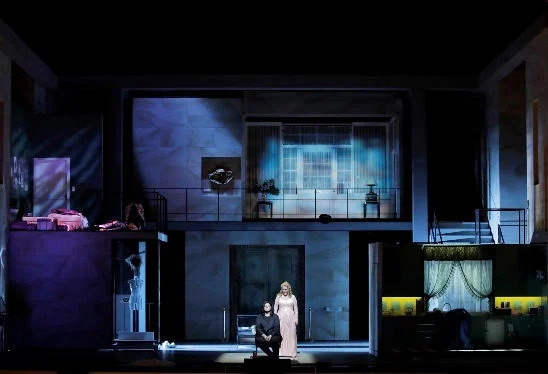
San Francisco Opera is poised to electrify its audiences with a highly anticipated revival of Richard Strauss’ monumental opera, Elektra, scheduled to run from June 7 to June 27, 2026. This production, a significant event in the company’s 2026 season, will be led by the esteemed Caroline H. Hume Music Director Eun Sun Kim, promising a masterful interpretation of Strauss’ complex and emotionally charged score. The visual and dramatic direction will be helmed by acclaimed director Keith Warner, whose previous collaborations have been lauded for their innovative and insightful staging.
The stellar cast assembled for this production is a testament to the opera’s demanding vocal and dramatic requirements. In the pivotal and notoriously challenging title role of Elektra, San Francisco Opera will welcome the company debut of Elena Pankratova, a soprano renowned for her powerful voice and dramatic intensity. Her portrayal of the vengeful princess is expected to be a highlight of the engagement. As Elektra’s sister, Chrysothemis, the company will feature the celebrated soprano Elza van den Heever, whose previous performances have garnered critical acclaim. The formidable mezzo-soprano Michaela Schuster will embody the tyrannical Queen Klytemnestra, a role that demands both vocal prowess and a chilling dramatic presence. The crucial role of Orest, the son who ultimately exacts revenge, will be portrayed by the distinguished bass-baritone Kyle Ketelsen. Rounding out the principal roles is William Burden as Aegisth, Elektra’s stepfather and Klytemnestra’s lover. The ensemble cast promises a powerful and nuanced exploration of Sophocles’ ancient tragedy as reimagined by Strauss and librettist Hugo von Hofmannsthal.
This production of Elektra is not merely a revival; it represents a significant artistic undertaking for San Francisco Opera, underscoring the company’s commitment to presenting canonical works of the operatic repertoire with world-class talent and visionary direction. Elektra, premiered in 1909, is one of Strauss’ most ambitious and groundbreaking operas, pushing the boundaries of musical expression with its dissonant harmonies, monumental orchestral forces, and unflinching psychological depth. The opera is known for its intense emotional landscape, exploring themes of vengeance, grief, madness, and the disintegration of a royal family.
A Glimpse into the Historical and Musical Significance of Elektra
Richard Strauss’ Elektra is a towering achievement in the operatic canon, a work that solidified his reputation as a master of dramatic expression and orchestral color. Based on Sophocles’ ancient Greek tragedy, the opera delves into the psyche of Elektra, a princess consumed by the desire to avenge the murder of her father, Agamemnon, at the hands of her mother, Klytemnestra, and her lover, Aegisth. The opera is notorious for its demanding vocal lines, particularly for the soprano portraying Elektra, which requires immense stamina, vocal power, and a profound understanding of the character’s psychological torment.
The libretto, penned by Hugo von Hofmannsthal, a frequent collaborator with Strauss, masterfully adapts the ancient Greek narrative for the operatic stage. Hofmannsthal’s text is characterized by its poetic intensity and its exploration of the primal emotions that drive the characters. The opera’s musical language is equally radical for its time, employing complex harmonies, dissonances, and a vast orchestral palette to create an atmosphere of heightened tension, psychological unease, and cathartic release. The famous opening scene, depicting Elektra’s anguished cries for her father, immediately plunges the audience into the opera’s dark and turbulent world. The opera’s climactic moments, particularly the recognition scene between Elektra and Orest and the final tragic triumph, are among the most powerful and overwhelming in the operatic repertoire.
Elektra’s premiere at the Dresden Semperoper in 1909 was met with a mixture of awe and controversy. While many recognized its artistic brilliance, its raw emotional power and its departure from traditional operatic conventions were challenging for some audiences and critics. However, over the decades, Elektra has become a staple of the operatic repertoire, admired for its dramatic integrity, its musical innovation, and its enduring exploration of universal human themes. San Francisco Opera’s decision to stage this opera speaks to its ambition and its dedication to presenting works that demand the highest artistic standards.
The Artistic Vision: Eun Sun Kim and Keith Warner
The choice of Eun Sun Kim to conduct this production is particularly significant. As the Caroline H. Hume Music Director, Kim has consistently demonstrated a keen understanding of the operatic repertoire and a remarkable ability to elicit nuanced and compelling performances from the San Francisco Opera Orchestra. Her interpretations are often praised for their clarity, their dramatic pacing, and their profound musicality. Her command of Strauss’s symphonic and vocal writing is well-established, and audiences can anticipate a performance that is both musically rich and dramatically potent. Kim’s leadership promises to illuminate the intricate textures and immense power of Strauss’s score.
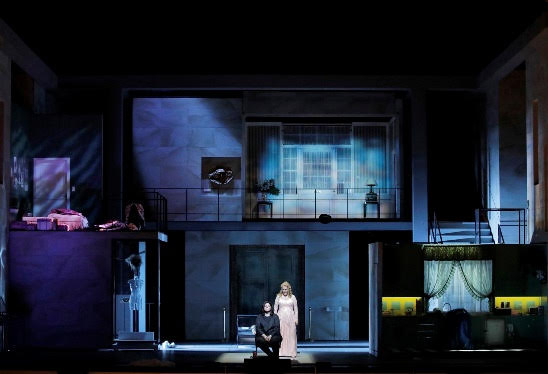
Keith Warner’s directorial approach is expected to bring a fresh and compelling perspective to this classic opera. Warner is known for his ability to create visually stunning and psychologically insightful productions that resonate with contemporary audiences. His work often delves into the deeper layers of character and narrative, seeking to uncover new meanings within familiar stories. For Elektra, his production will likely explore the opera’s themes of inherited trauma, societal corruption, and the destructive nature of obsession. The visual design, lighting, and stagecraft are expected to be integral to conveying the opera’s intense atmosphere and the psychological states of its characters. Warner’s contribution will be crucial in translating the opera’s raw emotional power into a compelling theatrical experience.
A Stellar Ensemble Cast Takes the Stage
The casting of Elena Pankratova as Elektra marks a significant moment for the San Francisco Opera. Pankratova has earned international acclaim for her electrifying portrayals of demanding operatic roles, and her company debut in this iconic part is eagerly anticipated. Her vocal instrument is known for its formidable power and its capacity for intense dramatic expression, qualities essential for conveying Elektra’s all-consuming rage and her profound grief. Her performance is expected to be a benchmark for this production.
Elza van den Heever, returning to San Francisco Opera, will portray Chrysothemis, Elektra’s more conventional and yearning sister. Van den Heever’s vocal brilliance and dramatic sensitivity have made her a sought-after interpreter of operatic heroines. Her portrayal of Chrysothemis, a character caught between her sister’s radical pursuit of vengeance and her own desire for a normal life, promises to be a nuanced and moving performance. The contrast between the sisters’ personalities and their approaches to their tragic circumstances will be a key dramatic element.
Michaela Schuster brings her considerable dramatic and vocal gifts to the role of Klytemnestra. A formidable presence on the operatic stage, Schuster is known for her interpretations of complex and often villainous characters. Her portrayal of the guilt-ridden yet defiant queen, who has usurped the throne and lives in fear of retribution, will undoubtedly be a powerful and unsettling performance.
Kyle Ketelsen, as Orest, the long-lost son and brother, will provide a crucial counterpoint to the intense familial drama. Ketelsen’s rich bass-baritone and his commanding stage presence are well-suited to the role of the avenger who arrives to restore balance to the fractured family. His interactions with Elektra and his ultimate actions will be pivotal to the opera’s resolution.
William Burden, a familiar and respected artist in the operatic world, will portray Aegisth. His performance will add another layer of complexity to the dysfunctional royal family, embodying the opportunistic and ultimately weak figure who has colluded in Agamemnon’s murder.
A Groundbreaking Innovation: Live Streaming Accessibility
In a move that significantly broadens access to this operatic masterpiece, San Francisco Opera will present a live stream of the third performance of Elektra, scheduled for Sunday, June 14, at 2 p.m. This initiative reflects a growing trend in the arts to leverage digital platforms to reach a wider and more diverse audience. Livestream tickets will not only grant viewers the opportunity to experience the performance in real-time but will also include a 48-hour on-demand viewing window, beginning June 15. This allows patrons who may not be able to watch the live broadcast or who wish to revisit the performance to do so at their convenience.
This commitment to digital accessibility is a strategic decision for arts organizations seeking to remain relevant and engaged in an increasingly interconnected world. By offering a high-quality livestream, San Francisco Opera is democratizing access to opera, enabling individuals who may face geographical, financial, or mobility barriers to experience world-class operatic productions. This approach can foster new audiences and cultivate a deeper appreciation for the art form among a global community of opera enthusiasts. The economic implications of such initiatives are also significant, opening up new revenue streams and expanding the potential market for operatic performances beyond the immediate geographical vicinity of the opera house.
Broader Implications and Artistic Trajectory
The staging of Richard Strauss’ Elektra by San Francisco Opera is more than just a single production; it is an indicator of the company’s artistic direction and its place within the broader operatic landscape. By selecting a work of such immense artistic and technical demands, the company signals its confidence in its artistic leadership, its orchestra, and its ability to attract and nurture world-class talent. The success of such ambitious productions can enhance a company’s reputation and attract further investment and critical attention.
The inclusion of a live stream further positions San Francisco Opera as a forward-thinking institution, adept at navigating the evolving media landscape and embracing new technologies to engage audiences. In an era where the arts are increasingly competing for attention, innovative approaches to dissemination and engagement are crucial for sustainability and growth.
Furthermore, the opera’s enduring themes of vengeance, justice, and the psychological toll of trauma continue to resonate with contemporary audiences. By presenting Elektra, San Francisco Opera is not only offering a virtuosic display of operatic artistry but also engaging with timeless human narratives that provoke thought and reflection. The production’s success will be measured not only by its critical reception and box office performance but also by its ability to connect with audiences on an emotional and intellectual level, leaving a lasting impact on the cultural fabric of San Francisco and beyond. The carefully curated cast, led by a distinguished music director and a visionary director, promises an Elektra that will be remembered for its artistic excellence and its profound impact.