Nayara Elvina
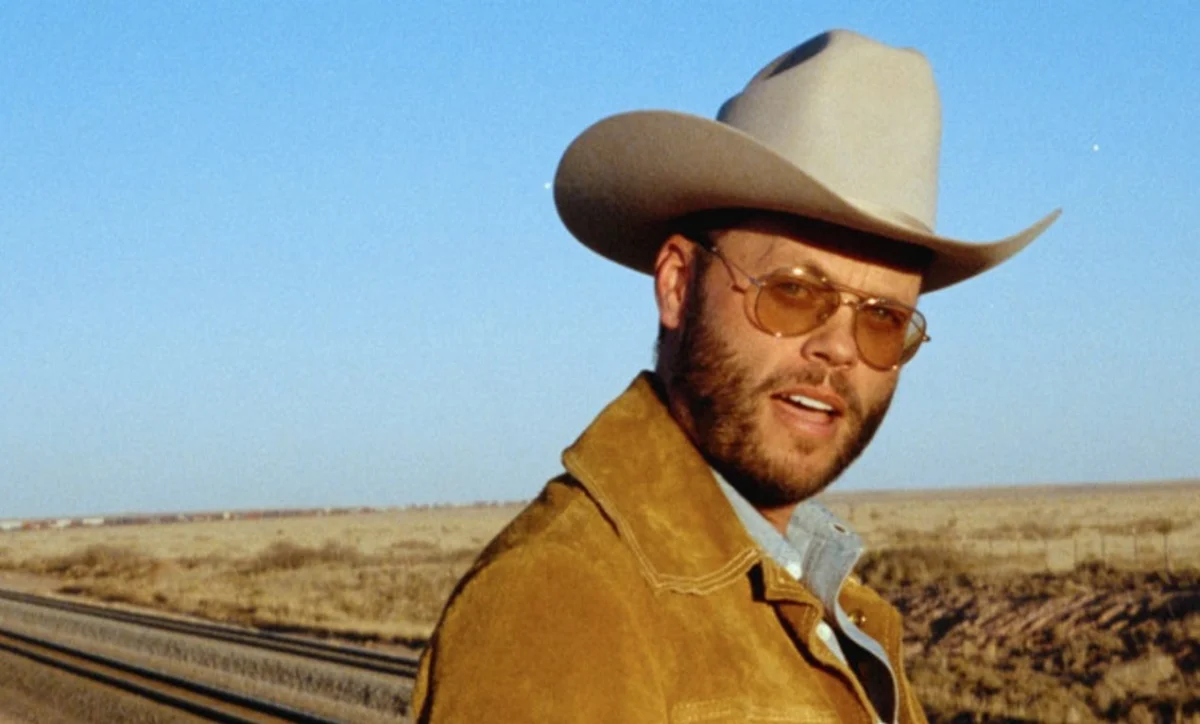
Country music icon Alan Jackson made a rare and highly anticipated appearance at the annual National Memorial Day Concert on the West Lawn of the U.S. Capitol this past weekend, delivering a performance that resonated deeply with the assembled crowd of veterans, active-duty service members, and their families. The event, which is traditionally broadcast live on PBS on the Sunday preceding Memorial Day, serves as a national stage for honoring those who have died in military service to the United States. Jackson’s participation was particularly significant given his recent transition away from active touring and his ongoing battle with Charcot-Marie-Tooth (CMT) disease, a chronic neurological condition that has limited his public appearances.
Jackson’s set focused on his 2001 masterpiece, "Where Were You (When The World Stopped Turning)," a song that has become an unofficial national anthem of reflection and healing. The performance comes at a pivotal moment in the singer’s career, as he prepares for what has been billed as his final stadium concert in Nashville, Tennessee, scheduled for June 2026. The National Memorial Day Concert appearance provided a somber yet celebratory preview of the legend’s farewell to the stage, joined by a lineup of fellow artists including Jamey Johnson, Mickey Guyton, Andy Grammer, and Mary McCormack.
The Significance of the 2026 National Memorial Day Concert
The National Memorial Day Concert (NMDC) is a long-standing American tradition, combining dramatic readings, documentary segments, and musical performances to pay tribute to the sacrifices of the U.S. Armed Forces. Held in Washington, D.C., against the backdrop of the Capitol building, the 2026 iteration emphasized themes of resilience and national unity. For Jackson, the venue was a fitting choice for a rare performance. Since announcing his retirement from large-scale touring following the conclusion of his "Last Call: One More For the Road Tour" in Milwaukee, Wisconsin, the Country Music Hall of Famer has been selective about his public engagements.
Jackson’s rendition of "Where Were You (When The World Stopped Turning)" was met with a standing ovation, echoing the reception the song received twenty-five years prior. Music critics and industry observers noted that Jackson’s vocal delivery remains remarkably consistent with his early career recordings, despite the physical challenges posed by his health condition. The performance served not only as a tribute to fallen soldiers but also as a reminder of Jackson’s unique ability to capture the American zeitgeist through simple, evocative songwriting.
A Historical Retrospective: The Genesis of an Anthem
To understand the weight of Jackson’s Memorial Day performance, it is necessary to examine the history of "Where Were You (When The World Stopped Turning)." The song’s origin is rooted in the immediate aftermath of the September 11, 2001, terrorist attacks. On October 28, 2001, just weeks after the tragedy, Jackson awoke in the middle of the night with a melody and a series of questions. He recorded the initial ideas into a handheld device, capturing the lyrics that would eventually define the nation’s collective grief.
Jackson has frequently stated in interviews that he was initially hesitant to record or release the song. He expressed a deep concern that the work might be perceived as an attempt to capitalize on a national tragedy. "I didn’t want to write a patriotic song," Jackson noted in historical reflections. "And I didn’t want it to be vengeful, either. But I didn’t want to forget about how I felt and how I knew other people felt that day."
The song’s first public hearing occurred at the 2001 CMA Awards. Jackson was originally scheduled to perform his upbeat single "Where I Come From," but he felt compelled to share the new composition instead. Seated with an acoustic guitar and backed by a full orchestra, Jackson delivered a performance that silenced the room and moved the industry to tears. The response was so immediate that radio stations began ripping the audio from the television broadcast to play on the air the following morning. This unprecedented demand forced his label, Arista Nashville (then under the RCA Label Group), to rush-release a studio version on November 26, 2001, and move the release of his album Drive forward to January 2002.
Supporting Data: Awards and Cultural Impact
The impact of "Where Were You (When The World Stopped Turning)" is supported by significant industry data and accolades. In 2002, the song swept the major award circuits, winning:
- CMA Awards: Song of the Year and Single of the Year.
- ACM Awards: Song of the Year and Single of the Year.
- Grammy Awards: Best Country Song.
Beyond awards, the song’s commercial performance was a testament to its resonance. It spent five weeks at number one on the Billboard Country Airplay chart and crossed over to the Billboard Hot 100, reaching number 28—a rare feat for a traditional country ballad at the time. The album Drive debuted at number one on the Billboard 200, selling over 425,000 copies in its first week, largely driven by the popularity of this single.
Industry analysts point to the song’s lack of political rhetoric as the key to its longevity. By focusing on the internal, human experience—"Did you call up your mother and tell her you love her?"—Jackson created a space for universal mourning that transcended partisan divides. This quality is what makes the song a staple for Memorial Day observances decades later.
Chronology of Alan Jackson’s Farewell Era
The timeline of Alan Jackson’s final years on the road illustrates a gradual transition toward retirement, influenced by both his legacy and his health.
- September 2021: Jackson publicly reveals his diagnosis of Charcot-Marie-Tooth disease, explaining that the condition affects his balance and ability to stand for long periods on stage.
- 2022: Launch of the "Last Call: One More For the Road Tour." This tour was designed to give fans a final opportunity to see Jackson in major arenas across North America.
- Late 2022: Jackson concludes the initial leg of the tour in Milwaukee, Wisconsin, marking what many believed was his final full-scale touring appearance.
- May 2026: Jackson performs at the National Memorial Day Concert in Washington, D.C., signaling a brief return to the spotlight.
- June 27, 2026: Scheduled date for Jackson’s final concert at Nissan Stadium in Nashville, Tennessee.
The upcoming Nashville finale is expected to be one of the highest-grossing single-night events in country music history. Reports indicate that demand for tickets has reached unprecedented levels, with secondary market prices soaring and fans reportedly hiring professional line-standers to secure access to limited-release tickets. The guest list for the event includes modern country superstars such as Eric Church, Luke Combs, Carrie Underwood, and Miranda Lambert, highlighting Jackson’s influence on subsequent generations of artists.
Official Responses and Industry Reactions
The reaction to Jackson’s Memorial Day performance from the music community and military organizations has been overwhelmingly positive. A spokesperson for the National Memorial Day Concert stated that having an artist of Jackson’s stature perform such a seminal work adds a "layer of historical gravity" to the event.
Joe Galante, the former chair of RCA Nashville who was instrumental in the song’s original release, has often reflected on the moment he first heard the track. "We just kind of looked at one another. Nobody spoke for a full minute," Galante recalled of the label’s initial listening session. This sentiment remains prevalent in the industry today, as Jackson is viewed as one of the last remaining links to the "neotraditionalist" movement that revitalized country music in the late 1980s and 1990s.
Fans and veterans attending the D.C. concert expressed that Jackson’s presence provided a sense of continuity. For many in the military community, Jackson’s music has served as a soundtrack to their service, from the Gulf War era through the post-9/11 conflicts.
Broader Impact and Implications for Country Music
Jackson’s impending retirement and his recent Memorial Day performance underscore a significant shift in the country music landscape. As one of the most decorated artists in the genre’s history—boasting over 75 million records sold and 35 number-one hits—his departure from the stage marks the end of an era for traditional country music.
Jackson has often described himself as "just a singer of simple songs," a self-effacement that belies his profound impact on the industry. His refusal to chase pop trends or incorporate electronic elements into his music has made him a standard-bearer for the genre’s roots. The massive interest in his final Nashville show suggests that there remains a substantial market for traditional country music, even as the industry moves toward more "genre-fluid" sounds.
Furthermore, Jackson’s openness about his CMT diagnosis has contributed to a broader conversation regarding health and accessibility in the performing arts. By continuing to perform—albeit in a limited capacity—Jackson has demonstrated that physical limitations do not diminish an artist’s emotional or vocal power.
Conclusion: The Lasting Resonance of a Simple Song
As the nation observed Memorial Day, Alan Jackson’s performance served as a bridge between the past and the present. "Where Were You (When The World Stopped Turning)" has evolved from a specific response to a singular tragedy into a broader meditation on faith, hope, and love. Jackson himself acknowledged this evolution, stating that while the song was born from 9/11, it has become a vehicle for people to process any form of loss or reflection.
The rarity of Jackson’s appearances now adds a layer of preciousness to every note he sings. As the countdown to his final Nashville performance on June 27, 2026, begins, the country music world prepares to say goodbye to a performer who defined the genre for over three decades. His Memorial Day tribute in the nation’s capital was a poignant reminder that while tours may end, the songs that help a nation heal remain permanent fixtures of the American cultural fabric. For the families of the fallen and the veterans in attendance, Jackson’s "simple song" was a powerful acknowledgment of a debt that can never be fully repaid.