Nana Wu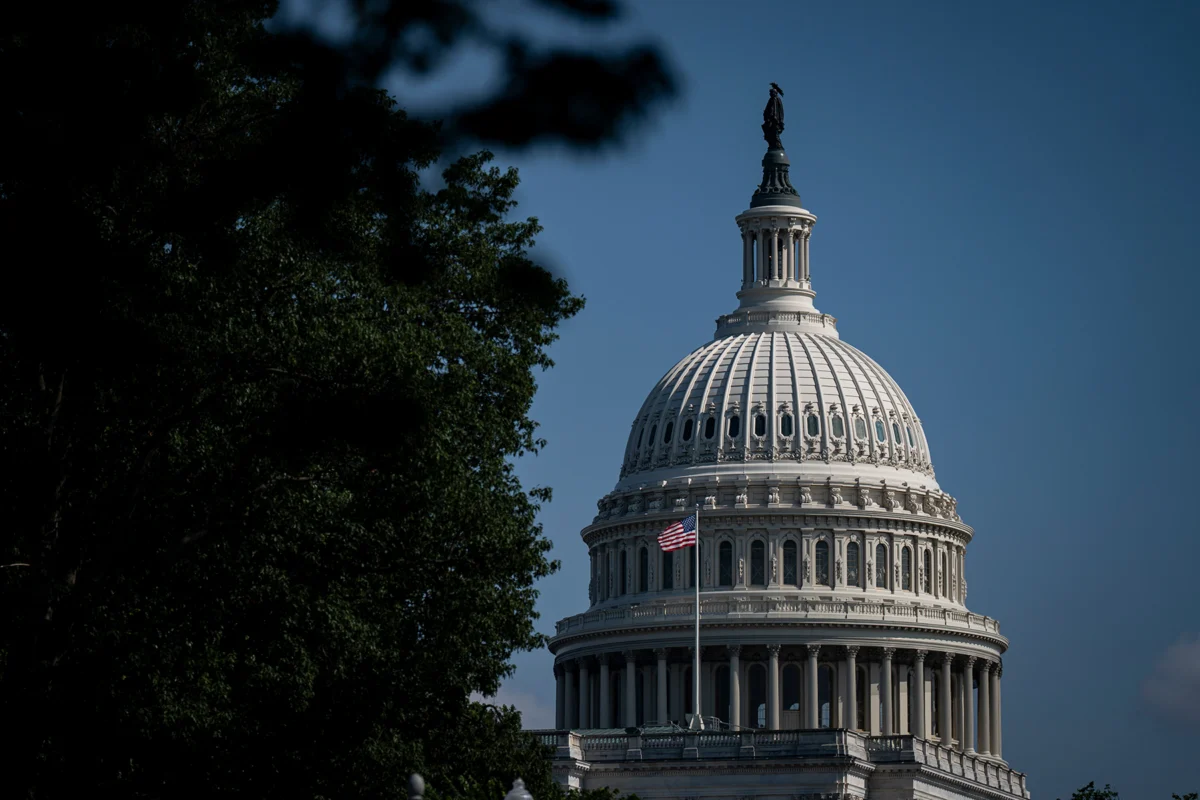
Billboard, the venerable publication synonymous with charting music’s cultural and commercial pulse, has committed significant resources to meticulously monitor the array of federal legislation currently before the 119th Congress. This dedicated oversight underscores the profound and multifaceted impact that congressional deliberations can have on every facet of the global music ecosystem, from the solitary songwriter composing in a home studio to the multinational corporations orchestrating global tours and digital distribution. The legislative initiatives under scrutiny have the potential to reshape the economic realities for artists, redefine consumer experiences, and alter the operational frameworks for companies spanning songwriting, licensing, tourism, royalties, ticketing, and live performances. This proactive stance by Billboard serves as a critical informational hub, providing transparency and detailed analysis of the complex interplay between policy and the vibrant, ever-evolving world of music.
The music industry, a significant contributor to the national economy, finds itself at a critical juncture where technological advancements and shifting consumer habits demand corresponding updates to long-standing legal frameworks. With an estimated economic impact reaching hundreds of billions of dollars annually and supporting millions of jobs, the stakes for effective and equitable legislation are astronomically high. The bills under consideration in the 119th Congress often garner significant bipartisan support, reflecting a shared understanding among lawmakers of music’s cultural importance and economic might. This consensus is further bolstered by extensive advocacy efforts from a broad coalition of industry players, including major trade organizations like the Recording Academy and the Recording Industry Association of America (RIAA), as well as corporate titans such as the major record labels and Live Nation. These entities actively engage with legislators, providing expert testimony, research, and insights to inform policy decisions that could profoundly shape the industry’s future.
The Evolving Landscape: Why Congressional Action Matters for Music
The impetus behind such concentrated legislative attention stems from several critical factors. Firstly, the digital revolution has fundamentally altered how music is created, distributed, and consumed, rendering many existing laws, particularly copyright statutes, increasingly anachronistic. Issues surrounding fair compensation for artists and rights holders in the streaming era, the opaque nature of digital licensing, and the challenges of intellectual property enforcement across global digital platforms are perennial concerns. Secondly, the live music sector, a cornerstone of artist income and fan engagement, continues to navigate post-pandemic recovery and faces persistent issues such as ticket market manipulation and venue sustainability. Thirdly, the rapid advancement of artificial intelligence (AI) presents both unprecedented opportunities and significant threats to creative industries, necessitating new legal frameworks to address issues of copyright, attribution, and ethical usage.
The music industry has a long history of engagement with federal policy, understanding that its unique blend of creativity and commerce is heavily reliant on a stable and fair legal environment. From the foundational Copyright Act of 1909 to the Digital Millennium Copyright Act (DMCA) of 1998 and the more recent Music Modernization Act (MMA) of 2018, legislative updates have consistently sought to balance the interests of creators, consumers, and technology providers. The 119th Congress continues this tradition, confronting a new wave of challenges that demand proactive and informed responses.
Key Legislative Battlegrounds in the 119th Congress
The legislative agenda impacting the music industry is diverse, addressing multiple pressure points across the value chain. Billboard‘s tracking efforts highlight several key areas where proposed bills could have transformative effects.
Ticketing Reform: Addressing Transparency and Fairness
Perhaps one of the most visible and widely discussed areas of legislative focus is ticketing reform. Consumers, artists, and venues alike have expressed frustration over a ticketing ecosystem often perceived as predatory, rife with hidden fees, speculative tickets, and exorbitant secondary market pricing. Bills in the 119th Congress aim to introduce greater transparency and combat exploitative practices. Proposed measures often include mandating all-in pricing disclosures, requiring clear identification of primary versus secondary sellers, prohibiting speculative ticket sales, and increasing penalties for the use of bots to unfairly purchase large quantities of tickets.
The "Junk Fees" initiative, supported by various consumer advocacy groups and even the White House, has given momentum to these efforts. For example, some proposals seek to eliminate hidden service charges and processing fees that often inflate ticket prices significantly at checkout. The National Independent Venue Association (NIVA) and many artist organizations have strongly advocated for these reforms, arguing that a fairer ticketing system benefits both fans and the artists who rely on touring revenue. Data consistently shows that ticket prices, often driven up by these additional fees and secondary market markups, are a leading cause of consumer dissatisfaction and can deter attendance, particularly for lower-income fans. A more transparent market, proponents argue, could restore trust and accessibility to live events.
Modernizing Copyright and Royalty Structures for the Digital Age
The core of the music business remains copyright, and its application in the digital streaming era is a perpetual challenge. Bills in the 119th Congress continue to build upon the foundations laid by the Music Modernization Act, seeking to ensure fair compensation for songwriters, publishers, and recording artists. Issues include adjusting statutory royalty rates for various digital uses, addressing the complex licensing of pre-1972 sound recordings (which are not fully covered by federal copyright law), and improving the efficiency and accuracy of royalty distribution.
The RIAA and the National Music Publishers’ Association (NMPA) are key players in these discussions, consistently advocating for stronger intellectual property protections and more equitable revenue sharing models. They often present data demonstrating the disparity between the immense value generated by music on digital platforms and the relatively small share that often reaches creators, particularly independent artists and songwriters. For instance, while global streaming revenues continue to soar, the per-stream royalty rates can still be fractions of a cent, leading to ongoing debates about the fairness of these economic models. Legislative efforts aim to recalibrate these balances, ensuring that the creative work behind the music is appropriately valued and compensated in an increasingly digital-first industry.
Artist Rights, Compensation, and the Gig Economy
Beyond royalties, the broader landscape of artist rights and compensation in an increasingly "gig economy" also features prominently in legislative debates. Bills may address issues such as contract transparency, protections for independent contractors, and access to benefits like health insurance and retirement plans for musicians who often lack traditional employer-employee relationships. The Recording Academy, through its advocacy arm, regularly champions initiatives that safeguard artists’ economic welfare and creative control.
This area of legislation often intersects with broader labor discussions, recognizing that many musicians operate as small businesses or independent contractors. Proposals might seek to establish clearer standards for artist-label agreements, provide resources for legal aid, or create new avenues for dispute resolution. The underlying data often highlights the precarious financial situation of many working musicians, with a significant portion of income derived from touring and an uneven distribution of streaming revenue. Legislative support for artist welfare is seen as essential for fostering a diverse and sustainable creative class.
Navigating the AI Frontier: Intellectual Property and Creative Works
Perhaps the newest and most rapidly evolving area of legislative concern is the intersection of artificial intelligence and intellectual property. The rise of generative AI tools capable of creating music, lyrics, and even full soundscapes has prompted urgent calls for clear legal frameworks. Bills in the 119th Congress are grappling with fundamental questions: What constitutes fair use when copyrighted material is used to train AI models? How should AI-generated works be attributed, and who owns the copyright to them? How can creators be protected from unauthorized replication or adaptation of their styles and voices by AI?
Industry groups like the RIAA, NMPA, and various artist organizations are actively engaging with lawmakers to ensure that AI development proceeds in a manner that respects creators’ rights and fosters innovation without undermining human artistry. They advocate for transparency regarding AI training data, mechanisms for creators to opt out of having their works used for AI training, and clear guidelines for compensation when AI tools derive value from copyrighted material. The analysis of implications here is profound: poorly crafted legislation could stifle technological progress or, conversely, devalue human creativity, leading to significant economic disruption for artists and rights holders.
Supporting Live Performance Venues and Touring Infrastructure
The live music sector, still recovering from the severe disruptions of the pandemic, continues to seek legislative support. While the Shuttered Venue Operators Grant (SVOG) program provided a critical lifeline, the 119th Congress may consider bills related to venue safety standards, accessibility, and ongoing support for independent venues and promoters. Legislation could also address issues relevant to touring logistics, such as visa processes for international artists or infrastructure improvements that facilitate travel for musicians and their crews.
Organizations like NIVA and Live Nation are key advocates in this space, emphasizing the cultural and economic importance of live music. Data consistently demonstrates that live events are major economic drivers for local communities, supporting not only artists and venues but also hospitality, transportation, and retail sectors. Bills aimed at supporting this ecosystem are designed to ensure its long-term viability and continued contribution to local and national economies.
The Power of Advocacy: Industry Voices in Washington
The journey of a bill from concept to law is often arduous and requires sustained advocacy. The music industry’s leading organizations play a crucial role in this process. The Recording Academy, renowned for the Grammy Awards, also serves as a powerful voice for music creators, championing issues like copyright reform, artist rights, and music education. The RIAA, representing major record labels, focuses heavily on intellectual property protection, anti-piracy efforts, and advocating for fair market conditions for recorded music. The NMPA represents music publishers and their songwriter partners, primarily advocating for strong copyright protection and fair royalty rates for the use of musical compositions.
Beyond these major players, numerous artist alliances, independent musician groups, and consumer advocacy organizations also contribute to the legislative discourse. This diverse coalition ensures that a wide spectrum of perspectives is presented to lawmakers, though it also means that sometimes different industry segments may have conflicting interests, necessitating careful negotiation and compromise. The consistent presence of these groups in Washington, engaging in hearings, lobbying, and educational campaigns, is indispensable to guiding legislation that is both effective and equitable.
A Deep Dive into the Legislative Process: From Bill to Law
Understanding the labyrinthine legislative process is crucial for appreciating the challenges and opportunities associated with these proposed laws. A bill’s journey typically begins with its introduction by a Member of Congress in either the House of Representatives or the Senate. Often, identical or similar versions of a bill are introduced in both chambers simultaneously to expedite the process.
Once introduced, the bill is assigned to one or more relevant committees for review. For music-related legislation, this often involves the Judiciary Committee (which handles copyright and intellectual property), the Energy and Commerce Committee (which oversees telecommunications and technology), or even the Small Business Committee. In committee, bills undergo rigorous scrutiny, including hearings where experts and stakeholders provide testimony, markups where amendments are proposed and debated, and votes to determine if the bill should advance. Many bills never make it out of committee, effectively dying there.
If a bill successfully navigates committee, it is then placed on the calendar for a floor vote by the full House or Senate. Debates occur, and further amendments can be proposed. A simple majority is usually required for passage in each chamber. If passed by one chamber, it moves to the other for its consideration. Should the House and Senate pass different versions of the same bill, a conference committee composed of members from both chambers is typically formed to reconcile the differences and produce a unified version. This conference report must then be approved by both the House and Senate.
Finally, if a bill passes both chambers in identical form, it is sent to the President. The President can sign it into law, allow it to become law without a signature (if Congress is in session and the President does not act within 10 days), or veto it. A presidential veto can be overridden by a two-thirds vote in both the House and Senate, a rare but significant constitutional power. This lengthy and often challenging process underscores why Billboard‘s continuous tracking and detailed updates are invaluable for industry stakeholders seeking to understand the real-time progress and potential outcomes of these legislative efforts.
Historical Precedents and the Continuous Quest for Fairness
The music industry’s legislative journey is a continuous narrative. Significant milestones include the Copyright Act of 1976, which largely shaped modern copyright law, and the Digital Millennium Copyright Act (DMCA) of 1998, an attempt to update copyright for the internet age, albeit one that continues to be debated regarding its efficacy in protecting creators. More recently, the Music Modernization Act (MMA) of 2018 was hailed as a landmark achievement, streamlining digital mechanical licensing and ensuring better compensation for songwriters and publishers.
These historical precedents demonstrate that legislative reform is rarely a one-time fix but rather an ongoing adaptation to technological shifts and market dynamics. Each new act builds upon or amends previous ones, seeking to address persistent inequities or unforeseen challenges. The 119th Congress’s efforts are part of this long tradition, aiming to construct a legal framework that supports a vibrant and fair music industry for decades to come.
Economic Stakes: The Music Industry’s Contribution and Vulnerabilities
The music industry is a powerhouse, contributing significantly to the U.S. economy. According to various economic impact studies, the broader creative industries, including music, generate hundreds of billions in economic activity and support millions of jobs. Specifically, the recorded music industry alone sees billions in annual revenue, with live music generating even more. These figures underscore the critical importance of effective legislation in safeguarding and nurturing this economic engine.
However, this economic vitality is not evenly distributed. Many independent artists and small businesses within the music ecosystem operate on thin margins, making them particularly vulnerable to market disruptions, unfair practices, or inadequate compensation structures. For example, while major labels and streaming platforms may report substantial profits, individual artists often struggle to make a living wage from their music alone. Legislative efforts around royalties, ticketing, and artist rights are directly aimed at addressing these structural vulnerabilities, seeking to ensure that the economic benefits of music are more broadly shared across the entire value chain.
Challenges, Compromise, and the Path Forward
Passing comprehensive legislation that satisfies all stakeholders in the music industry is an inherently complex endeavor. The diverse interests of songwriters, publishers, labels, artists, streaming services, venues, and consumers often diverge, leading to intense lobbying and difficult compromises. For instance, what benefits a major label might not equally benefit an independent artist, and what protects a consumer might impose new compliance burdens on a venue.
The legislative process demands pragmatism and a willingness to negotiate. Bills often undergo substantial revisions as they move through committees and both chambers of Congress. The ultimate success of any legislative package will depend on the ability of lawmakers and industry representatives to find common ground and forge solutions that are broadly beneficial and sustainable.
Conclusion: Billboard’s Ongoing Commitment to Industry Insight
As the 119th Congress continues its work, Billboard‘s commitment to tracking these developments remains unwavering. By providing comprehensive, up-to-the-minute information on proposed legislation, its history, its supporters, and its potential impact, Billboard serves a vital role in keeping the music industry informed and engaged. This detailed oversight ensures that artists, executives, policymakers, and fans can navigate the complex intersection of music and law, fostering a more transparent, equitable, and ultimately more vibrant future for the entire music ecosystem. The ongoing efforts in Washington are not merely about legal technicalities; they are about shaping the very environment in which music is created, enjoyed, and valued for generations to come.