Nayara Elvina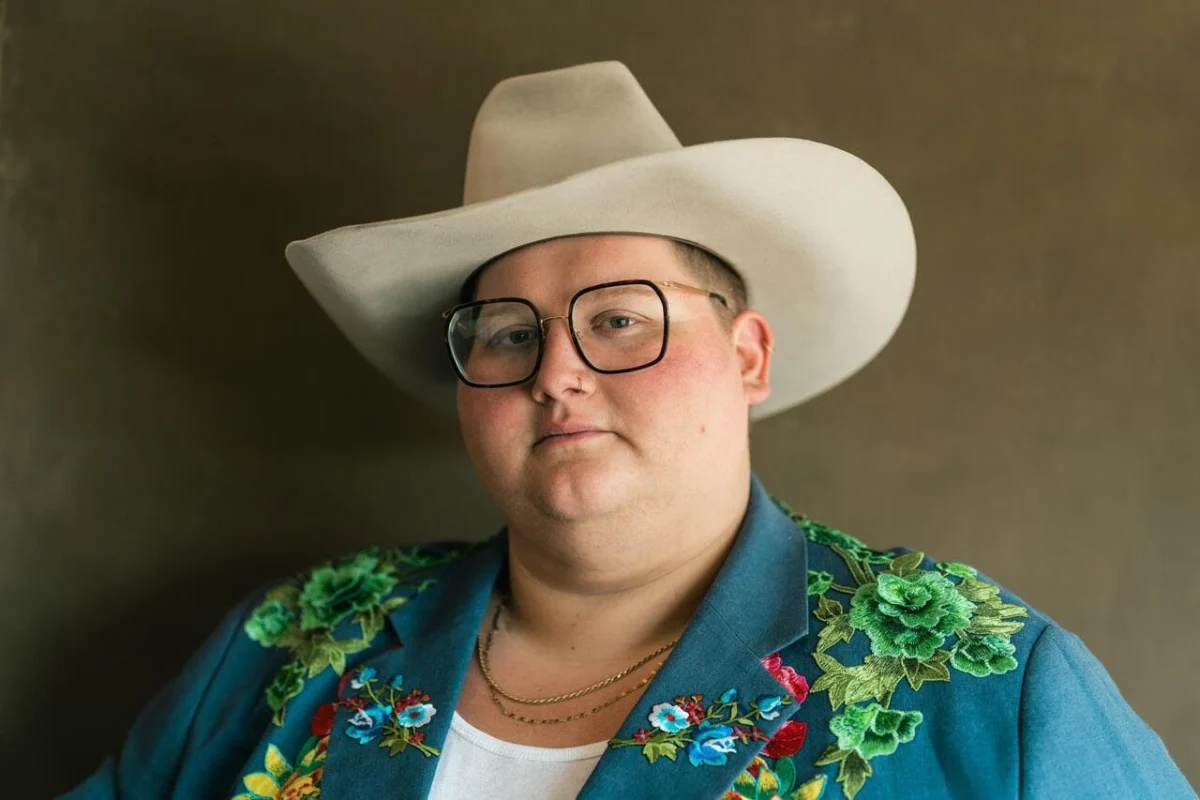
The global music industry is currently facing a multifaceted crisis that threatens the viability of live performance, a phenomenon increasingly characterized by industry insiders as "blue dot fever." This term refers to the sea of unselected blue seats visible on digital ticketing platforms—a stark visual representation of unsold inventory that has forced a growing number of artists to cancel tours or reconsider their career trajectories. While the industry has navigated various disruptions over the past decade, including the rise of artificial intelligence, the transition to low-yield streaming models, and escalating production costs, the current downturn in ticket sales represents a fundamental shift in consumer behavior and economic reality. From global superstars to independent stalwarts, the struggle to fill venues has reached a critical juncture, signaling a potential contraction of the live music ecosystem that could have long-lasting cultural and financial implications.
The Emergence of Blue Dot Fever in a Post-Pandemic Economy
The term "blue dot fever" has quickly entered the lexicon of booking agents, tour managers, and artists as they monitor the health of their upcoming dates. On platforms like Ticketmaster or AXS, available seats are typically indicated by blue dots; when a map remains saturated with these icons just weeks or days before a show, the financial viability of the performance is called into question. The causes of this trend are complex and interconnected, ranging from broad macroeconomic pressures to specific industry practices.
Economists point to a "perfect storm" of factors impacting the entertainment sector in 2024 and 2026. Inflation has significantly reduced the discretionary income of the average consumer, making the high cost of concert tickets—often inflated by dynamic pricing and secondary market fees—difficult to justify. Simultaneously, the market has reached a point of oversaturation. As the industry fully recovered from the COVID-19 pandemic, a massive influx of artists returned to the road at once, creating a surplus of options that has diluted the pool of available ticket buyers. When fans are forced to choose between multiple high-priced events in a single month, mid-tier and independent artists often bear the brunt of the budget cuts.
High-Profile Cancellations and the Mainstream Struggle
The struggle to move tickets is not confined to emerging acts or niche genres. In recent months, several major artists have made the difficult decision to scrap entire tour legs or cancel high-capacity shows. Post Malone, a dominant force in modern music, recently canceled the first month of his "Big Ass Stadium Tour." While official statements attributed the delay to the need for additional time to finalize his upcoming album, industry observers noted significant gaps in the seat maps for several of the affected venues. This suggests that even household names are not immune to the volatility of the current market.
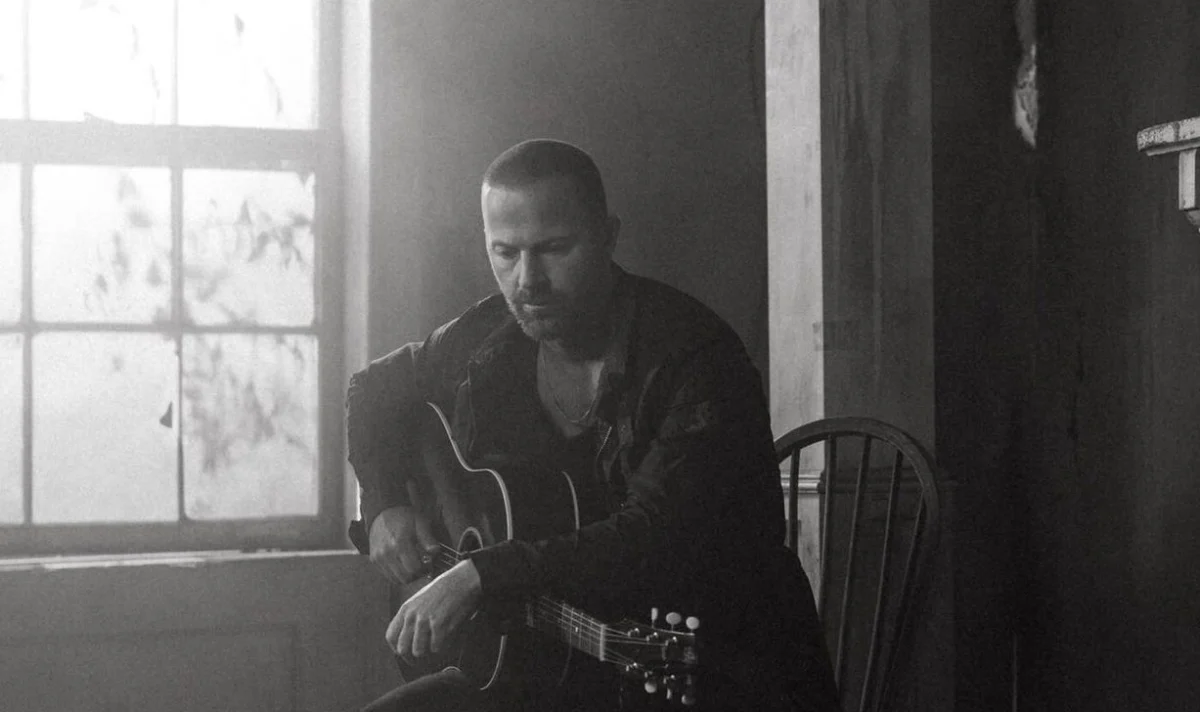
The pop world has seen similar retreats. Both Meghan Trainor and the Pussycat Dolls have faced tour cancellations, with the latter group openly acknowledging that sales figures did not meet expectations. The trend extends into the realm of veteran performers and cross-industry talents as well. Kiefer Sutherland, the acclaimed actor and country musician, recently canceled his tour and took the rare step of publicly admitting that low ticket sales were the primary driver. Neil Young and other legendary acts have also navigated tour disruptions, proving that "blue dot fever" is a cross-generational and cross-genre epidemic.
The Independent Sector: A Case Study in Survival
While major label artists often have the cushion of brand deals and significant corporate backing to weather a failed tour, the independent sector faces an existential threat. For independent artists, touring is not merely a promotional tool but the primary source of income in an era where streaming royalties remain negligible for most.
Joshua Ray Walker, a critically acclaimed independent country artist from Texas, recently provided a rare and transparent look at the data behind the crisis. In a candid video shared via social media, Walker detailed the "absolutely abysmal" state of ticket sales for the upcoming leg of his "Ain’t Dead Yet Tour." Despite having a track record of selling out venues in the past, Walker’s current data paints a sobering picture of the 2026 touring landscape.
Walker noted that in a typical headline tour, a show performing poorly would usually have about 30% of tickets sold a week prior to the event, while a successful show would be between 60% and 100% sold. However, his current figures for upcoming dates in major markets like Chicago, St. Louis, and New York are significantly lower. For venues with capacities ranging from 250 to 470, Walker is seeing sales totals between 55 and 135 tickets. His best-selling upcoming show in New York is only 47% filled, while a date in St. Louis sits at just 18% capacity.
Perhaps most alarming was the "weekly count" data Walker presented. For ten shows tracked in a recent seven-day period, several venues recorded zero ticket sales. This lack of momentum, even for an artist with a dedicated fan base and a reputation for high-quality live performances, suggests a disconnect between fan interest and the actual ability or willingness to purchase tickets in the current climate.
Industry Reactions and Peer Solidarity
The transparency shown by Walker has prompted a wave of responses from other artists who are experiencing similar challenges. The comment sections of Walker’s announcements have become a forum for independent musicians to share their struggles, confirming that the issue is systemic rather than an isolated failure of marketing or talent.
Drayton Farley, another standout in the independent music scene, expressed solidarity, stating, "You’re not alone brother, I’ve talked to a lot of other artists this past month to talk about this and make sure I wasn’t losing my mind." Similarly, Benjamin Tod of Lost Dog Street Band noted, "We are all feeling it brother. It hurts our wallets and pride all the same, but know that most artists are having the same experience." Jesse Daniel echoed these sentiments, highlighting that even rooms they normally sell out have seen a dramatic dip in attendance over the past year.
The emotional and financial toll on these artists is significant. Beyond the immediate loss of income, the "pride" mentioned by Benjamin Tod refers to the psychological impact of performing to half-empty rooms after years of building a career. Walker’s mother, who appeared in his video, offered a poignant warning: "If any of y’all like live music, make sure you can get to these shows. Live music will be gone. A whole thing will be gone if it doesn’t turn around."
Analyzing the Broader Implications
The potential disappearance of mid-level touring has profound implications for the cultural landscape. Independent venues, which serve as the "grassroots" infrastructure for the music industry, rely on consistent ticket and bar sales to remain operational. If artists like Joshua Ray Walker cannot afford to tour, these venues will lose their programming, leading to further closures in an already fragile ecosystem.
Furthermore, the "middle-class artist" is increasingly being squeezed out of the industry. As touring becomes a high-risk financial gamble, only the very wealthy (who can afford to lose money on a tour for the sake of branding) and the very small (who have minimal overhead) may be able to survive. This could lead to a homogenization of music, where only corporate-backed acts have the platform to reach live audiences.
Observers also point to the role of corporate consolidation. While Walker’s specific venues may not always be under the direct control of giants like Live Nation or Ticketmaster, the overall pricing expectations and fee structures set by these conglomerates have a trickle-down effect. When fans are frustrated by the high cost of "stadium" shows, they may become cynical about the value of live music as a whole, affecting the entire industry.
Potential Solutions and the Path Forward
While the data is grim, industry experts suggest that a recovery is possible through a combination of artist transparency, fan engagement, and industry-wide reform. Some artists are experimenting with "all-in" pricing, where the advertised price includes all fees, to rebuild trust with consumers. Others are shifting toward "residency" models—playing multiple nights in a single city to reduce travel and production costs.
For the independent sector, the solution often rests with the fans. Supporting artists through direct merchandise purchases, Patreon-style subscriptions, and, most importantly, early ticket purchases can provide the necessary capital for a tour to proceed. As the industry navigates the remainder of 2026, the success or failure of artists like Joshua Ray Walker will serve as a bellwether for the future of live music.
Joshua Ray Walker 2026 Tour Schedule
For those looking to support live music and combat the "blue dot" trend, the following dates represent the upcoming itinerary for Joshua Ray Walker’s tour:
Domestic Dates:
- May 27 – Off Broadway – St. Louis, MO
- May 28 – Schubas – Chicago, IL
- May 29 – Turf Club – St. Paul, MN
- May 30 – Appleton Beer Factory – Appleton, WI
- Jun 3 – Mercury Lounge – New York, NY
- Jun 4 – Iron Horse Music Hall – Northampton, MA
- Jun 5 – Middle East Upstairs – Boston, MA
- Jun 6 – Milkboy – Philadelphia, PA
- Jun 7 – Pearl Street Warehouse – Washington DC
International and European Dates:
- Jul 3 – Byscenen – Trondheim, NO
- Jul 5 – Blårock Cafe – Tromso, NO
- Jul 8 – Wiese – Lillehammer, NO
- Jul 10 – Norsk Country-Treff – Breim, NO
- Jul 12 – Ole Bull Scene – Bergen, NO
- Jul 14 – Tou Scene – Stavanger, NO
- Jul 17 – John Dee – Oslo, NO
- Jul 18 – Pustervik – Gothenburg, SE
- Jul 21 – Debaser – Stockholm, SE
- Jul 22 – Garage Bar – Hoganas, SE
- Jul 24 – Mojo – Copenhagen, DK
- Jul 26 – Freideck Kantine – Cologne, DE
- Jul 28 – The Lower Third – London, ENG
- Jul 29 – The Deaf Institute – Manchester, ENG
- Jul 30 – The Hug and Pint – Glasgow, SCO
- Aug 1 – Whelan’s – Dublin, IE
Fall Domestic Leg:
- Sept 9 – Bluebird Theater – Denver, CO
- Sept 10 – The Rialto Casper – Casper, WY
- Sept 11 – Live From the Divide – Livingston, MT
- Sept 12 – Live From the Divide – Livingston, MT
- Sept 13 – Pub Station Taproom – Billings, MT
- Sept 15 – The State Room – Salt Lake City, UT
- Sept 16 – Neurolux – Boise, ID
- Sept 17 – The District – Spokane, WA
- Sept 18 – Tractor Tavern – Seattle, WA
- Sept 19 – Mississippi Studios – Portland, OR
- Sept 22 – Folsom Saloon, Folsom, CA
- Sept 24 – Troubadour – Los Angeles, CA
- Sept 25 – The Rebel Lounge – Phoenix, AZ
- Sept 26 – Meow Wolf – Santa Fe, NM
- Oct 8 – Chickie Wah Wah – New Orleans, LA
- Oct 9 – Standard Deluxe – Waverly, AL
- Oct 10 – Vinyl – Atlanta, GA
- Oct 11 – Charleston Pour House – Charleston, SC
- Oct 13 – Radio Room – Greenville, SC
- Oct 14 – The Pour House – Raleigh, NC
- Oct 15 – The Ramkat – Winston-Salem, NC
- Oct 16 – The Grey Eagle – Asheville, NC
- Oct 17 – Open Chord – Knoxville, TN
- Oct 18 – Songbirds – Chattanooga, TN
- Oct 22 – Skinny Dennis – Nashville, TN
- Oct 24 – Hernando’s Hideaway – Memphis, TN
- Oct 25 – White Water Tavern – Little Rock, AR