Indra Aziz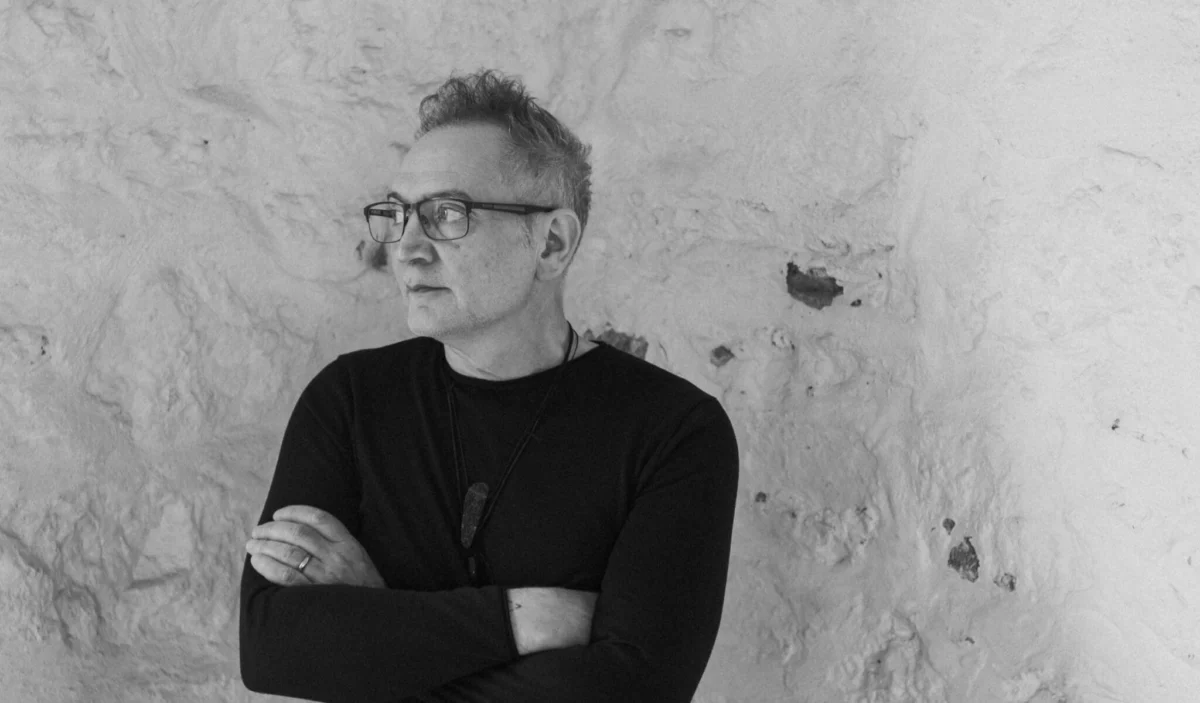
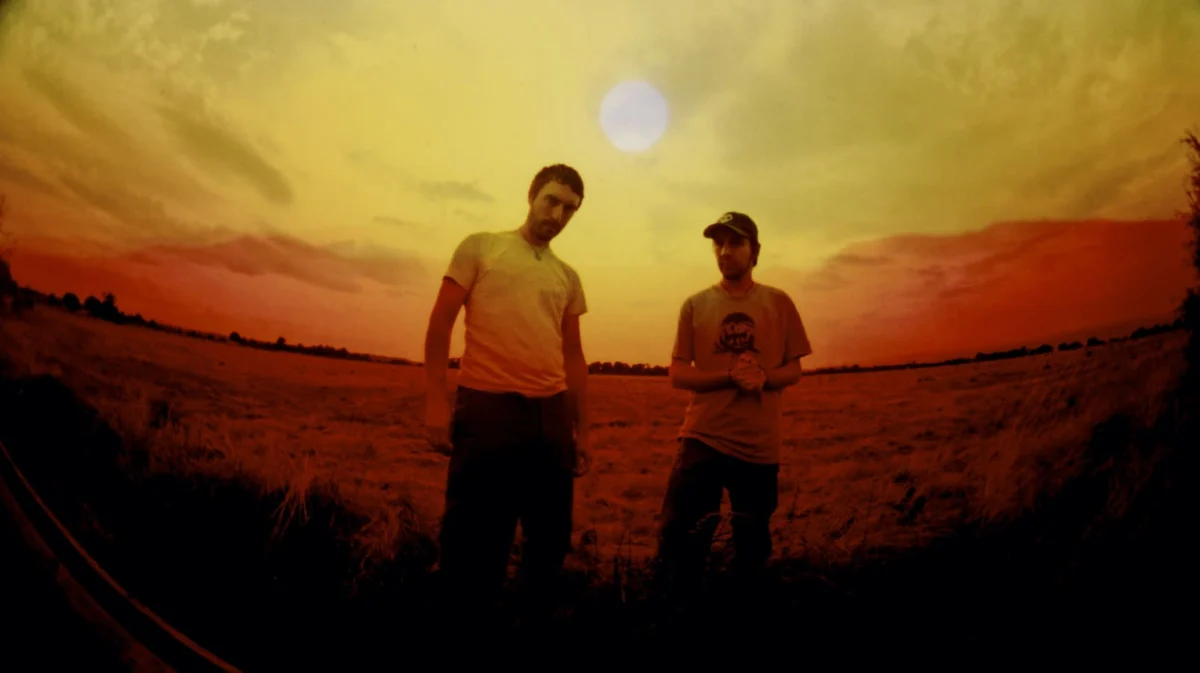
Matthew Rochford, the enigmatic frontman of the Totnes-based experimental outfit Abrasive Trees, finds himself in a period of profound reflection. This introspection is fitting, as the band’s debut studio album, “Light Remaining,” has just been released this week on Argonauta Records. The record represents an artistic epoch in the making, with its sonic landscapes evolving organically over months, even decades, much like atmospheric phenomena or shifting emotional states. It’s a goth-infused odyssey, characterized by spoken-word incantations, weighty doom-laden flourishes, and ethereal walls of sound. The genesis of these tracks can be traced back to riffs conceived years ago on a borrowed 12-string guitar, evolving through raw, unfiltered jam sessions that were meticulously alchemised into searing post-punk symphonies. Rochford recently sat down with CLASH to discuss the album’s genesis, the profound influence of loss, and an unconventional approach to sound creation.
The Shadow of Loss and the Quest for Meaning
The pervasive theme of mortality that shadows “Light Remaining” is deeply rooted in Rochford’s personal history. He shared, "I lost my mum at a really young age, and that framed how I saw the world. Her passing pushed me to seek answers, about how to navigate this wild new emotional terrain. Part of it was coming to terms with impermanence. Remembering you’re going to die is actually a very helpful perspective to have." This profound early experience shaped his artistic trajectory, leading him away from conventional performance and towards a more introspective exploration of music and poetry.
"I like to think I express it more constructively these days," Rochford explained. "When Mum died I was in a band, and we had some momentum. I just gave away or sold most of my equipment. I didn’t want to perform, I was just in this period of mourning, this quest for meaning. I’ve been on it ever since, through music and poetry. I guess I’d say with music, I’m never trying to achieve anything. I’m not trying to write the perfect song, I just want to express my feelings. My consciousness, reflected in sound."
This perspective underscores a deliberate departure from the typical ambitions of musical artists, focusing instead on authentic self-expression rather than commercial or critical success.
The Creative Process: From Personal Reflection to Collective Resonance
While the deeply personal nature of the album is evident, Rochford acknowledges the desire for connection that often accompanies artistic creation. When questioned about whether the rigors of recording and touring extend beyond mere emotional expression to fostering connections with like-minded individuals, he responded, "Yes, of course. And if you’re lucky enough to resonate with people, you create a feedback loop." This highlights a nuanced understanding of audience engagement, where shared emotional landscapes can forge powerful bonds.
The process of making music is also presented as a therapeutic mechanism, a way to navigate internal turmoil. "It’s definitely possible to ruminate too much, on certain feelings," Rochford admitted. "So to avoid spiralling down the emotional plughole, I pick myself up and do something constructive. Call it music as an act of will." This framing positions Abrasive Trees’ output not merely as art, but as a disciplined practice of emotional resilience.
Navigating a "Rotten" World: Acceptance Over Transcendence
The album’s thematic core has been interpreted as a commentary on a world perceived as "rotten." Rochford offered a more nuanced perspective: "I don’t know about that. If you look at the lyrics for ‘Carved Skull,’ for example, it’s a bit of a commentary on the state of the world, but it’s also saying that, actually, it’s up to you what you make of it – what you make of your own life. You can still find satisfaction, peace and fulfilment. You just have to learn to befriend yourself within that."
This interpretation shifts the album’s focus from outward critique to inward empowerment. When asked if the album was about transcendence, Rochford clarified, "Maybe. It’s more about acceptance than transcendence. Acceptance of things you can’t avoid, and things that are beyond your control." This emphasis on acceptance suggests a mature grappling with life’s inherent difficulties, finding solace not in escape, but in acknowledgment.
The Collaborative Alchemy: Production and Artistic Vision
The production of “Light Remaining” was entrusted to Niall Parker, a choice rooted in both friendship and shared, yet distinct, musical sensibilities. Rochford elaborated, "He’s a good friend and a great producer, and he has overlapping, but not identical, musical roots to me and the band. Taking on board a producer – rather than doing it ourselves – was always going to be a bit of a trust exercise."
This trust was tested during the recording process, leading to creative dialogues and occasional disagreements. A notable point of contention arose regarding guitar recording techniques. "A few things," Rochford recalled. "On a couple of songs, Niall wanted me to play guitar straight into the desk. I said no, I wanted to use my amp."

The Significance of the Electromagnetic Field
Rochford’s insistence on using an amplifier stemmed from a deeper understanding of sound and its physical properties. He explained the intangible but crucial role of the amplifier: "When you’re plugged into an amp, it’s not just a sound thing. You’re part of an electromagnetic field, that is dynamic and responsive and makes the most of the relationship between the pickups and the amp and the room… it shapes how you play. Doesn’t matter what plugins you use, or preamps, or whatever." This statement reveals a meticulous attention to sonic detail and an appreciation for the physical interplay of instruments and their environment, a hallmark of experimental music production.
The Evocative Power of the Album Title
The selection of the album title, “Light Remaining,” was itself a collaborative journey. Rochford shared, "We had a huge, convoluted conversation about what to call it and couldn’t agree. Eventually we settled on ‘Light Remaining’ because it felt evocative. It was something we could all get behind. I could have put my foot down, but it’s good to have people around you who challenge things." This anecdote underscores the band’s democratic approach to creative decisions and their commitment to finding consensus that resonates with the collective artistic vision.
Sonic Palettes: Spoken Word, Sung Melodies, and Eastern Influences
The album’s diverse vocal approaches, alternating between spoken word and sung melodies, are dictated by the nature of the compositions themselves. "It’s all about the context, and how they’re written," Rochford stated. "On ‘Tao To Earth,’ the words came first. The opener, ‘No Solace,’ kind of had to be spoken word. ‘Carved Skull’ is as close as we get to a classic rock song, it sort of needed to be sung." This pragmatic approach to vocal delivery ensures that the form perfectly serves the content of each track.
The choice to open the album with "No Solace," featuring a "slinky bass riff and spoken incantations," was a deliberate artistic statement. Rochford remarked, "Thank you. Sometimes I start recordings like that, almost to filter people out. If you’re not going to get it, that’s ok but this music isn’t for everyone." This suggests a conscious effort to curate an audience that is receptive to Abrasive Trees’ unique sonic language.
A distinctive characteristic of the album’s melodic structures is their eastern flavor, particularly in the lead guitar lines. This sonic inclination is deeply personal for Rochford. "My ancestry is Indian. My mother was from Lucknow. My grandparents came out from India after the Second World War. I like the feel of that music, those modes come very naturally to me, even though I don’t fully understand how they work." This fusion of cultural heritage with contemporary experimental music creates a rich and compelling sonic tapestry.
Gothic Undertones and Influential Encounters
The album’s distinctly gothic vibe is a conscious element of its aesthetic. Rochford expressed an affinity for both eastern philosophy and gothic music, lamenting a perceived scarcity of compelling artists in the latter genre. "I like eastern philosophy, and I like gothic music. There haven’t been many great Gothic artists for a while. Perhaps I should say there have been a few good ones, a lot of bad ones, in my opinion." He cited the Turkish goth group She Passed Away as a contemporary example of excellence and expressed admiration for the early work of Sisters Of Mercy.
Rochford also pointed to Jo Beth Young as a significant influence, noting her impact on his creative methodology. "She completely changed my approach to creativity. The way that she did things was quite unstructured, I found, actually, but also very free. Abrasive Trees sprang from that, as a bedroom project at first, then a collective, then a band." This highlights the transformative power of mentorship and unconventional creative approaches.
Furthermore, Rochford’s collaboration with Stuart Braithwaite of Mogwai on the Silver Moth project offered valuable insights into musicianship. "I wouldn’t say I play like him, because to be honest I couldn’t. Stuart is a master of simplicity and tone – he knows when to change things within a song and obviously an outstanding guitarist. A good influence on me, as a musician and a lovely human. A very inspiring person to have worked with and gotten to know." This reflects a profound respect for Braithwaite’s distinctive style and his personal qualities.
The Discipline of Tai Chi in Artistic Practice
The practice of Tai Chi, while not a direct musical influence, plays a supporting role in Rochford’s creative process. "Not too much," he stated when asked about its direct impact. "Although whenever I’m recording, or playing live for that matter, it’s useful to have techniques that still the inner voice. So I can come at the music from a place of calm, instead of blind panic and egotism." This reveals a commitment to mental discipline as a foundation for artistic output, ensuring a focused and grounded performance.
The Album’s Climax: A Rollercoaster of Emotion
When asked to identify his favorite segment of the album, Rochford’s choice was decisive: "The final section of ‘I Didn’t Mean To Hurt You.’ It’s doomy, and huge. Whenever we play it live, it’s just the perfect closer. Like the big final drop on a rollercoaster. An exhilarating rush of energy – squeezing freedom, for all its worth." This powerful description captures the cathartic and exhilarating nature of Abrasive Trees’ music, offering listeners a potent and memorable conclusion.
"Light Remaining" stands as a testament to Abrasive Trees’ artistic vision, a deeply personal yet universally resonant exploration of life, loss, and acceptance, delivered through a unique and compelling sonic framework. The album’s release on Argonauta Records marks a significant milestone for the band, promising to captivate listeners with its intricate textures and profound emotional depth.