 Mia Khoirunisa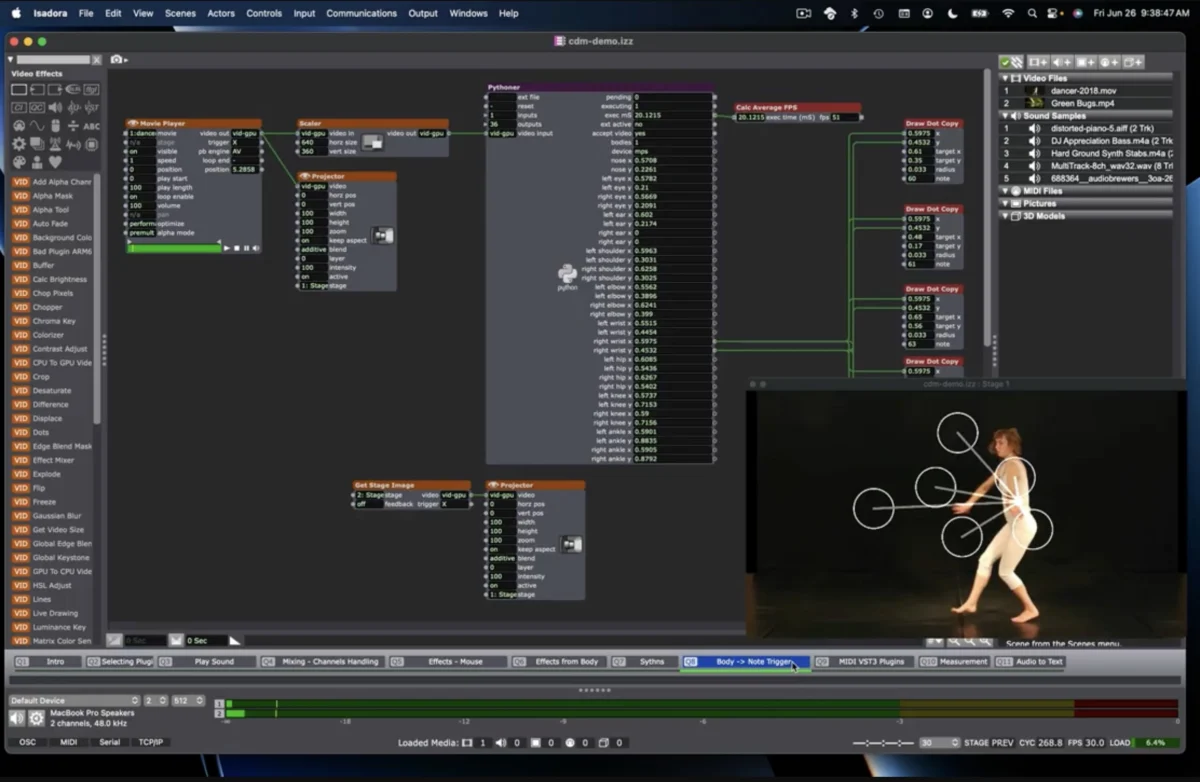
The landscape of digital media performance and interactive art has seen a significant evolution with the release of Isadora 4.5. This latest iteration of the acclaimed macOS and Windows software, long recognized for its intuitive interface and prowess in live performance contexts, introduces a suite of powerful new audio capabilities and VST3 support. These enhancements firmly position Isadora as a comprehensive audiovisual tool, bridging the gap between visual artistry and sonic manipulation in ways previously unattainable within its established framework. For decades, Isadora has been a preferred choice for creators ranging from dance choreographers to experimental theater directors, lauded for its ability to translate complex artistic intentions into dynamic, responsive media environments. Its unique capacity to engage with the narrative and dramatic structure of a performance, often referred to as "getting dramaturgy," has set it apart. The integration of advanced sound tools and VST3 compatibility in version 4.5 marks a pivotal moment, transforming Isadora from a predominantly visual performance engine into a fully realized audiovisual powerhouse.
A Considered Investment in Artistic Independence
While Isadora 4.5 represents a significant investment, with its pricing positioned at the higher end of available creative software, this financial commitment is directly tied to the software’s sustained independence and ongoing development. The developers, Troika Ranch, have historically prioritized user-driven evolution over corporate acquisition, a model that has allowed for deep integration of artist feedback and a focus on the specific needs of live performance. For users concerned about cost, the availability of more affordable yearly subscriptions and rental options provides accessible entry points. Furthermore, Isadora maintains a fully functional free version, with the sole limitation being the inability to save projects, a pragmatic approach that encourages exploration and learning without immediate financial burden. This stands in contrast to some other powerful creative platforms, such as Epic Games’ Unreal Engine, which, while ostensibly free, operates under the umbrella of a company that has undergone significant workforce reductions and has shifted its strategic focus towards artificial intelligence functionalities, potentially irrespective of user desires. Isadora’s model ensures that its development trajectory remains aligned with its artistic user base, fostering a sense of community and shared purpose.
Elevating the Audiovisual Experience: The Power of Integrated Sound
The expansion of Isadora’s audio features in version 4.5 is a monumental development. The software has always excelled at facilitating the rapid creation of sophisticated media interactions, enabling artists to concentrate on the flow and conceptual integrity of their performances rather than getting bogged down in intricate technical patching. This efficiency extends to stage-based productions, where Isadora allows for seamless integration of media elements without compromising technical depth. The addition of comprehensive audio capabilities amplifies this core strength, transforming Isadora into an interactive, nonlinear host that dynamically responds to the nuances of a live performance.
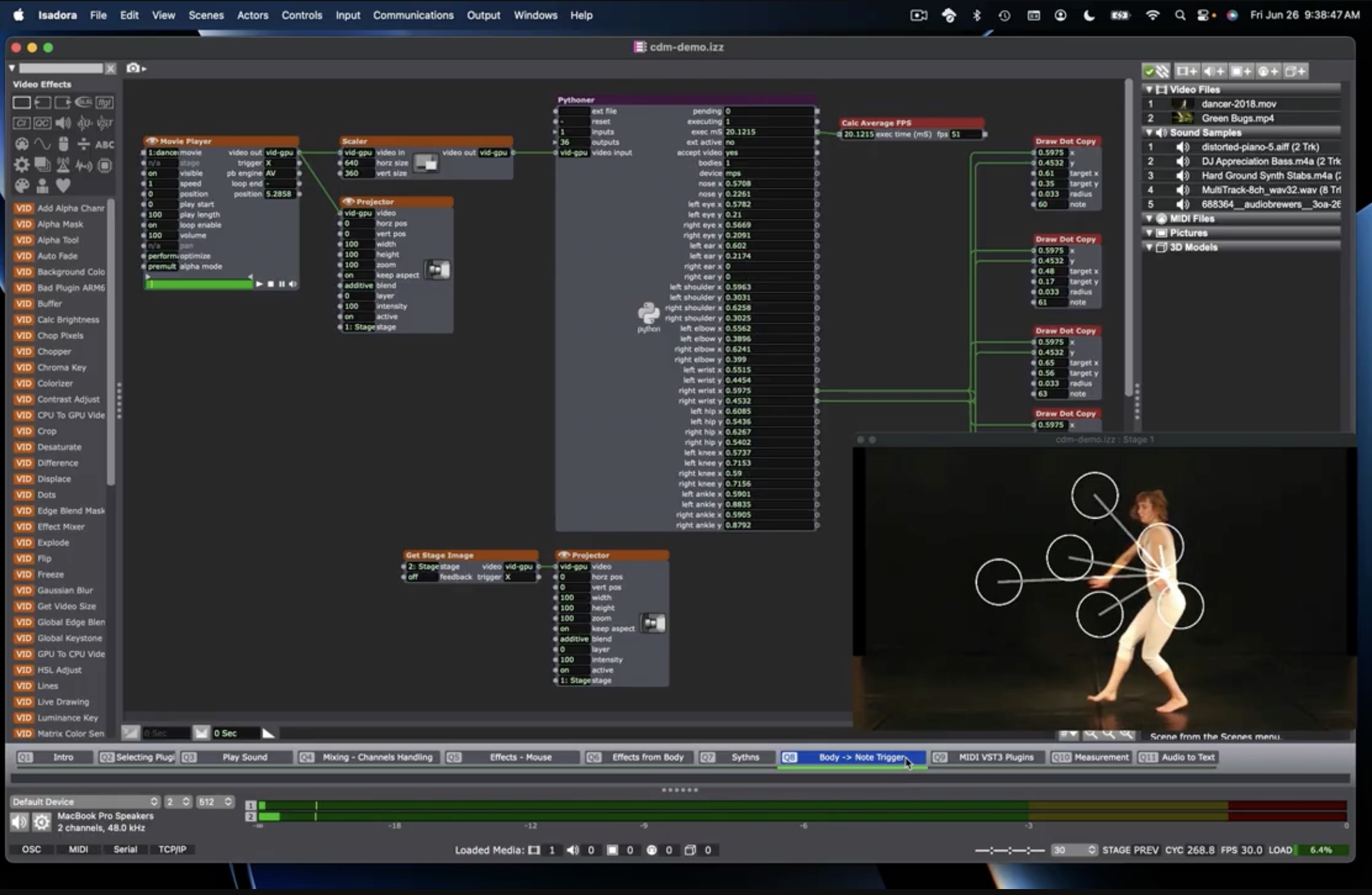
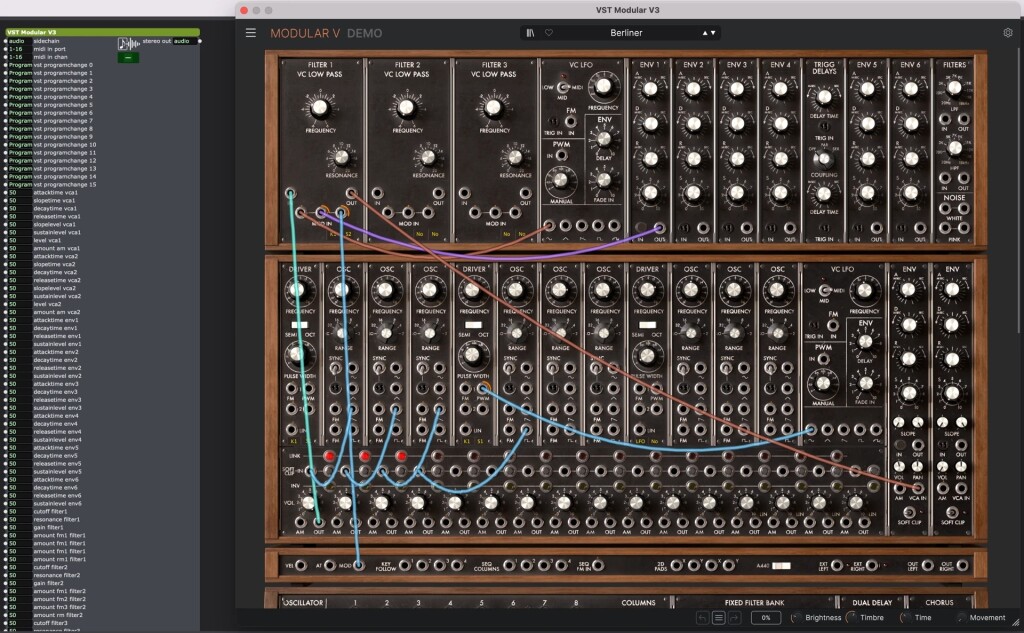
The inclusion of VST3 support is a game-changer. This allows Isadora to act as a host for a vast array of virtual instruments and audio processing plugins, including popular platforms such as VCV Rack, Reason, Reaktor, Pure Data (Pd), and Max/MSP. Artists can now leverage the full interactive potential of Isadora to control and manipulate these external sound engines, moving beyond the typically linear workflows of traditional Digital Audio Workstations (DAWs). This functionality mirrors the plugin support found in environments like vvvv and TouchDesigner, but it is integrated within Isadora’s unique workflow, synergizing with its established library of "Actors" (software modules that perform specific functions) and visual generators. The result is a cohesive and powerful system where visual and auditory elements are not merely synchronized but are deeply intertwined and mutually responsive.
New Sonic Frontiers in Isadora 4.5
Version 4.5 introduces a range of specific audio enhancements designed to empower artists:
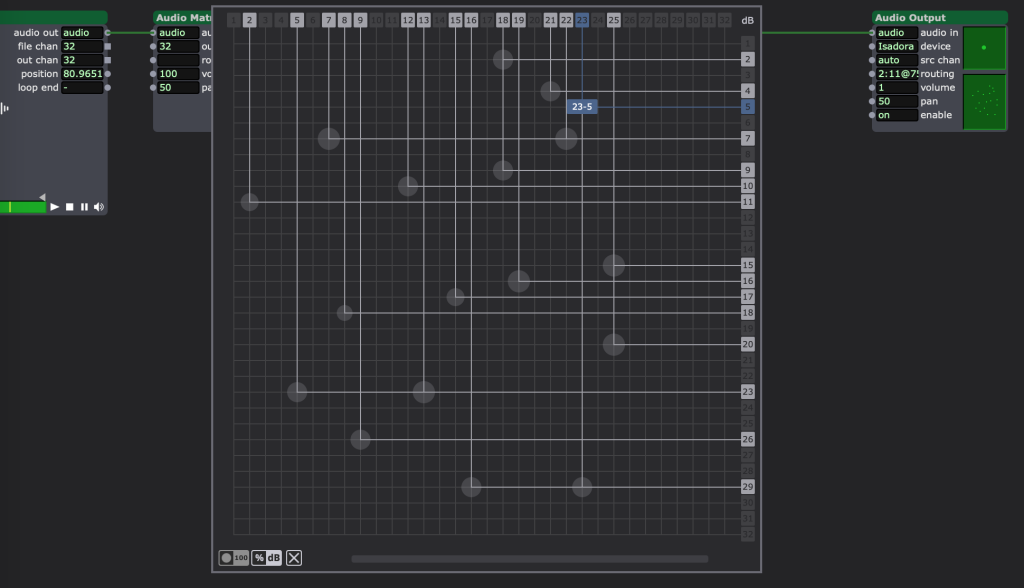
- Advanced Audio Routing Matrix: A visually intuitive and highly functional audio routing matrix is now a core component of Isadora. This allows for sophisticated management of audio signals, essential for complex live sound setups. Artists can programmatically control routing and mixing parameters, offering a level of granular control previously only found in dedicated professional audio hardware.
- VST3 Plugin Support: This is arguably the most significant addition, enabling the seamless integration of third-party VST3 audio plugins. This vastly expands Isadora’s sonic palette, allowing users to incorporate their favorite synthesizers, samplers, effects processors, and other audio tools directly into their Isadora projects. The software even supports the display of plugin GUIs within the Isadora environment, ensuring a familiar and fluid user experience.
- New Audio-Focused Actors: A suite of new "Actors" specifically designed for audio manipulation and analysis has been introduced. These include modules for monitoring audio levels and frequencies, transcribing speech from audio inputs, controlling transport functions for playback and recording, and more. This expands Isadora’s ability to react to and generate audio in complex ways.
- Enhanced Audio Analysis and Synthesis Capabilities: While not explicitly detailed in summary lists, the underlying architecture of Isadora 4.5 has been strengthened to handle more complex audio processing tasks, facilitating richer interactions between visual and sonic elements.
A Legacy of Innovation: From Interactor to Isadora
The development of Isadora is deeply rooted in the history of interactive media art, with its creator, Mark Coniglio, possessing a rich background in the field. Coniglio’s early work involved building interactive dance sensors with the pioneering electronic music composer Morton Subotnick at the California Institute of the Arts (CalArts). This foundational experience, coupled with collaborations with artists such as Laurie Anderson and Judith Jamison, has imbued Isadora with a profound understanding of performance dynamics and artistic expression.
Coniglio’s journey began even earlier, with the creation of "Interactor," a groundbreaking visual patching language developed in collaboration with Subotnick. This early system, documented in academic papers from the dawn of visual patching, was inspired by David Levitt’s "HookUp!" and aimed to provide a more intuitive way to create interactive performance structures. The author of this article recounts a personal experience as a high school student at Oberlin College, where they used an early version of Interactor on a Mac tower connected to a Disklavier piano. This setup allowed for the creation of generative piano performances, where MIDI inputs were translated into complex musical structures, highlighting the system’s early potential for real-time, event-driven interactivity.
Interactor, and subsequently Isadora, offered a different paradigm compared to contemporary patching environments like Max/MSP and Pure Data. While Max and Pd are often conceptualized as instruments that respond to gestures, Interactor and Isadora were designed to function more like scene-based environments, facilitating the assembly of performance structures akin to theatrical acts. This approach, where performance logic is built around conditional triggers and scene sequencing, felt more natural for planning and executing live events. The inclusion of timeline-based features, which were sometimes awkwardly grafted onto Max, felt more organically integrated into Isadora’s design from its inception.
This emphasis on live, generative computer performance stands in stark opposition to the current discourse surrounding artificial intelligence. Isadora champions the idea that the open-ended generative power of computers can be harnessed and played in real-time, offering a direct, human-controlled interaction with digital systems. It embodies the excitement of envisioning dance and music not as separate disciplines but as interconnected forms of expression, a philosophy that has guided Coniglio’s work for decades.
Beyond Audio: Visual Enhancements in Isadora 4.5
While the audio enhancements are a headline feature, Isadora 4.5 also includes broader improvements to the overall environment. Among these is the debut of the "Wave GPU" actor, a visually striking module that generates rippling, echoing textures, further expanding the software’s visual capabilities. These improvements, while perhaps less transformative than the audio integration, contribute to a more refined and powerful user experience across the board. The elegant implementation of these features within Isadora’s established workflow is, as the original author notes, "frankly inspiring," even for those who might move to other powerful environments like Unreal Engine, TouchDesigner, or Max. The meticulous attention to detail evident in version 4.5 underscores Troika Ranch’s commitment to refining a tool that has been "torture-tested" by a dedicated community of artists for years.
Implications for the Future of Performance
The integration of robust, VST3-compatible audio capabilities into Isadora 4.5 represents a significant stride forward for interactive media performance. It empowers artists with a unified platform that seamlessly blends sophisticated visual generation with nuanced audio manipulation. This can lead to more immersive and responsive performances, where sound and visuals are not merely synchronized but are deeply symbiotic, reacting to each other and to the performers in real-time.
For educators and students, the free version of Isadora provides an invaluable opportunity to explore these advanced concepts without financial barriers. The software’s intuitive design, combined with its powerful feature set, makes it an ideal tool for learning the principles of interactive media and generative art.
The long-term implications extend to the professional realm. The ability to control complex audio environments with the same ease and expressiveness as visual elements opens up new creative avenues for musicians, sound designers, VJs, and multidisciplinary artists. It allows for a more integrated approach to performance creation, potentially reducing the need for multiple disparate software solutions and streamlining the technical workflow.
In conclusion, Isadora 4.5 is more than just an update; it is a redefinition of what an interactive media performance tool can be. By embracing advanced audio technologies and maintaining its commitment to artistic independence and user-centric development, Troika Ranch has delivered a powerful and inspiring platform that is poised to shape the future of live digital art. The wealth of detailed explanations, coupled with the software’s inherent elegance, makes it an essential tool for both seasoned Isadora users and newcomers eager to explore the cutting edge of audiovisual performance.