Kholidah
On June 2, 2026, the prominent Korean-American singer, rapper, and entrepreneur Jay Park became the center of a burgeoning digital controversy following a series of direct exchanges with an anonymous critic on the social media platform X, formerly known as Twitter. The incident, which began as a lighthearted observation regarding age-related perceptions in the United States, rapidly devolved into a broader debate concerning celebrity conduct, cultural identity, and the legalities of service industry protocols. Park, a veteran figure in the global music industry known for his candid online persona, chose to break the traditional silence often maintained by high-profile idols, leading to a polarized reaction from both his fan base and the general public.
Chronology of the Altercation
The situation originated when Jay Park, who is currently 39 years old, posted a brief update on X regarding his experiences while visiting the United States. In the post, Park noted that he was consistently asked to provide identification when ordering alcoholic beverages. "Everyone be checkin my ID in the US when i try to order a drink," Park wrote, accompanied by a laughing emoji. He followed the observation with a comment on the implication of these requests: "that means they think im younger than 21."
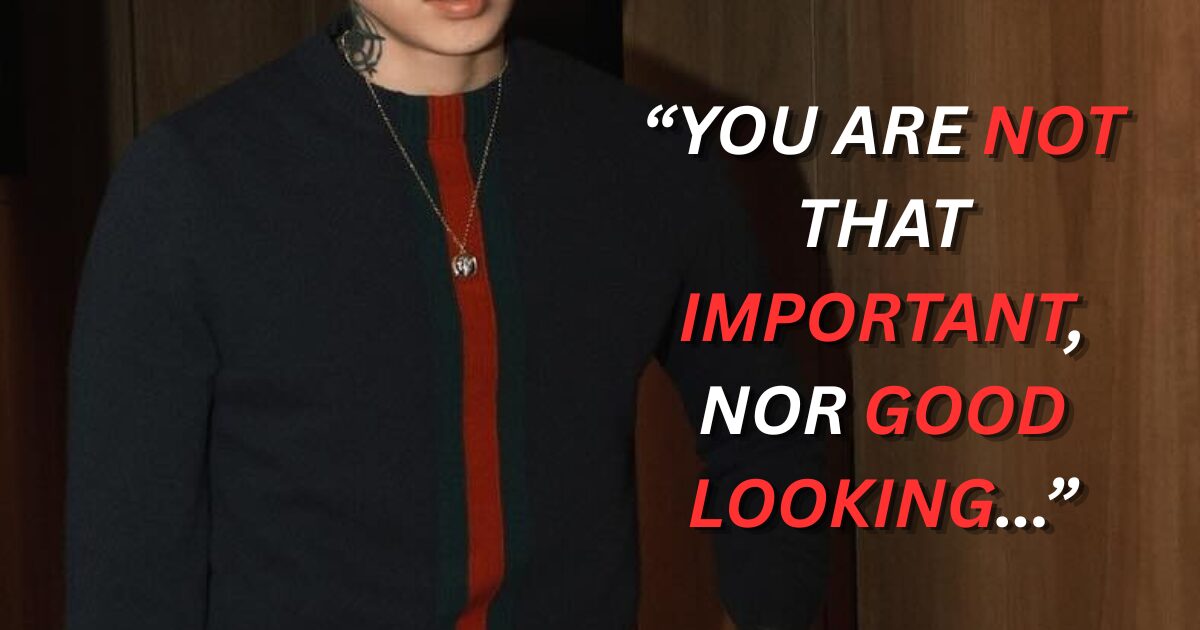
The post initially garnered typical engagement from fans, but the tone shifted when an anonymous user, posting under the handle Daisy HQ (@fuckmomoland), responded with a sharp rebuke. The user challenged Park’s interpretation of the ID checks, stating, "Trust and believe you look EVERY bit of 45. Bartenders are required by law to check ur ID no matter how old u look or we can lose our jobs. You are not that important, nor good looking."
Rather than ignoring the provocation, Park opted for a direct rebuttal. In a multi-layered response, he defended his personal success and philanthropic efforts while questioning the motives of the anonymous critic. "Yeah but im still able to take care of my parents friends and family. What u doin with ur life? I’ll wait," Park replied. He continued by expressing a sentiment of pity for the user, adding, "I pray for u. One day u will be comfortable and proud of who u are and won’t need to put down others with an internet identity. Also i was talkin bout checkin my…"
The exchange intensified when the critic escalated the rhetoric, shifting the focus from Park’s physical appearance to his career-long association with hip-hop culture. The netizen replied, "While you’ll be pretending to be black the rest of your life, I’ll be a lawyer." This prompted a final response from Park, who mocked the user’s claims of professional ambition. "Yeah im 7 years old and went to the moon. Lol u can say and be whoever online. Difference is all my shit is documented and ur makin time out of ur day to comment on me. Im just respondin cause i had a few extra minutes. Looks like u have ALOTTA time on ur hands. Bless u, be…"
Legal Context and Service Industry Protocols
The core of the initial disagreement involved the interpretation of alcohol service laws in the United States. While the netizen asserted that bartenders are "required by law to check ID no matter how old you look," the reality of U.S. liquor laws is more nuanced and varies significantly by state and establishment policy.
Under most state jurisdictions, such as those governed by the California Department of Alcoholic Beverage Control (ABC) or the New York State Liquor Authority, there is no federal mandate requiring an ID check for every single patron. However, it is illegal to serve alcohol to anyone under the age of 21. To mitigate the risk of heavy fines, license suspension, or criminal charges, many establishments implement "check-all" policies.
Industry data suggests that many corporate chains and high-liability venues require staff to scan the identification of any patron who appears to be under the age of 30, 35, or even 40. In some strict "ID-all" establishments, every patron, regardless of apparent age, must present a valid ID. Therefore, while Park’s youthful appearance may have played a role, the frequency of the ID checks he experienced likely stemmed from a combination of strict liability laws and standard operating procedures designed to protect the establishment’s liquor license.
Jay Park’s History of Direct Engagement
To understand the impact of this latest controversy, it is necessary to examine Jay Park’s unique position within the Korean entertainment landscape. Born in Seattle, Washington, Park first rose to prominence as the leader of the K-pop group 2PM in 2008. His departure from the group in 2009—following the resurfacing of private MySpace comments made as a teenager—marked a pivotal moment in his career. Since then, Park has operated with a level of autonomy rarely seen in the industry.
As the founder of major labels AOMG and H1GHR MUSIC, and more recently the entertainment agency More Vision and the spirits brand Won Soju, Park has cultivated an image of a "self-made" mogul. Unlike many K-pop idols who are bound by strict contractual clauses regarding public behavior and social media usage, Park has frequently used platforms like X and Instagram to address critics directly.
This "Western-style" approach to celebrity management often clashes with the more conservative expectations of the South Korean public and the global K-pop fandom. While some view his directness as a refreshing display of authenticity, others perceive it as a lack of professional decorum. The recent exchange is consistent with Park’s established pattern of "trolling the trolls," a tactic he has used to address previous controversies ranging from accusations of cultural appropriation to business-related criticisms.
Public Reaction and Fandom Polarization
The reaction to the June 2 exchange has been deeply divided. Within the thread itself, several fans praised Park for his resilience. One user, @neverletgoh0lic, commented, "one thing about Jay, he’s gonna troll you back, educate you and then bless you and wish you good health." This sentiment reflects a segment of the fan base that views Park’s behavior as a necessary defense against the rampant cyberbullying faced by public figures.
Conversely, other social media users expressed disappointment or fatigue. Some fans urged the singer to stop "feeding the haters," arguing that engaging with anonymous accounts only serves to amplify negativity. A more critical segment of the online community used the opportunity to bring up broader grievances. One user, @electhearts, questioned Park’s priorities, asking why he chose to engage in a petty argument about ID checks while remaining silent on more pressing issues within the idol industry, such as the mistreatment of younger artists or the "sasaeng" (stalker) culture.
This critique highlights a growing trend in celebrity discourse: the expectation of selective activism. Critics argue that when a high-profile figure like Park chooses to respond to a minor personal insult but remains silent on systemic issues, it can alienate portions of the public who look to veteran artists for leadership.
Analysis of Implications for Public Image and Brand
From a brand management perspective, Jay Park’s decision to engage in digital altercations carries both risks and rewards. As the face of Won Soju, a brand deeply rooted in the lifestyle and "cool factor" of its founder, Park’s defiant and youthful persona is a key marketing asset. His refusal to conform to the traditional, subservient "idol" mold reinforces the brand’s identity as an alternative to the mainstream.
However, the nature of the insults traded during the exchange—specifically the accusation of "pretending to be black"—touches on a sensitive and recurring theme in Park’s career. For over a decade, Park has faced scrutiny over his adoption of hip-hop aesthetics and his positioning within a genre rooted in African American culture. While Park has frequently defended his respect for the genre and his efforts to provide a platform for other artists, these accusations continue to be a focal point for his detractors. By engaging with a user who raised this point, Park inadvertently brought a long-standing controversy back into the spotlight.
Furthermore, the "lawyer" comment by the netizen and Park’s dismissive response underscore the inherent power imbalance in celebrity-fan interactions. While Park’s supporters see a man defending his dignity, critics see a millionaire punching down at a private citizen, regardless of how provocative that citizen might have been.
Conclusion and Future Outlook
The social media altercation involving Jay Park serves as a case study in the evolving dynamics of celebrity communication in the digital age. As the barriers between artists and their audiences continue to dissolve, the "hands-off" PR strategies of the past are increasingly being replaced by direct, often volatile, interactions.
For Jay Park, this incident is unlikely to result in significant professional repercussions, given his established reputation as a provocateur and his independent business standing. However, it does highlight the ongoing tension between his identity as a global hip-hop figure and the traditional expectations of the Korean entertainment industry. As the discourse surrounding the event continues to circulate, it remains a stark reminder of how a single comment about a routine ID check can ignite a multifaceted debate on law, culture, and the ethics of online engagement.
Moving forward, the industry will likely continue to observe Park’s trajectory as a litmus test for how much "authenticity" a celebrity brand can sustain before the risks of direct confrontation outweigh the benefits of transparency. For now, Park appears undeterred, continuing his travels and business ventures while maintaining his status as one of the most vocal and controversial figures in modern music.