Indra Aziz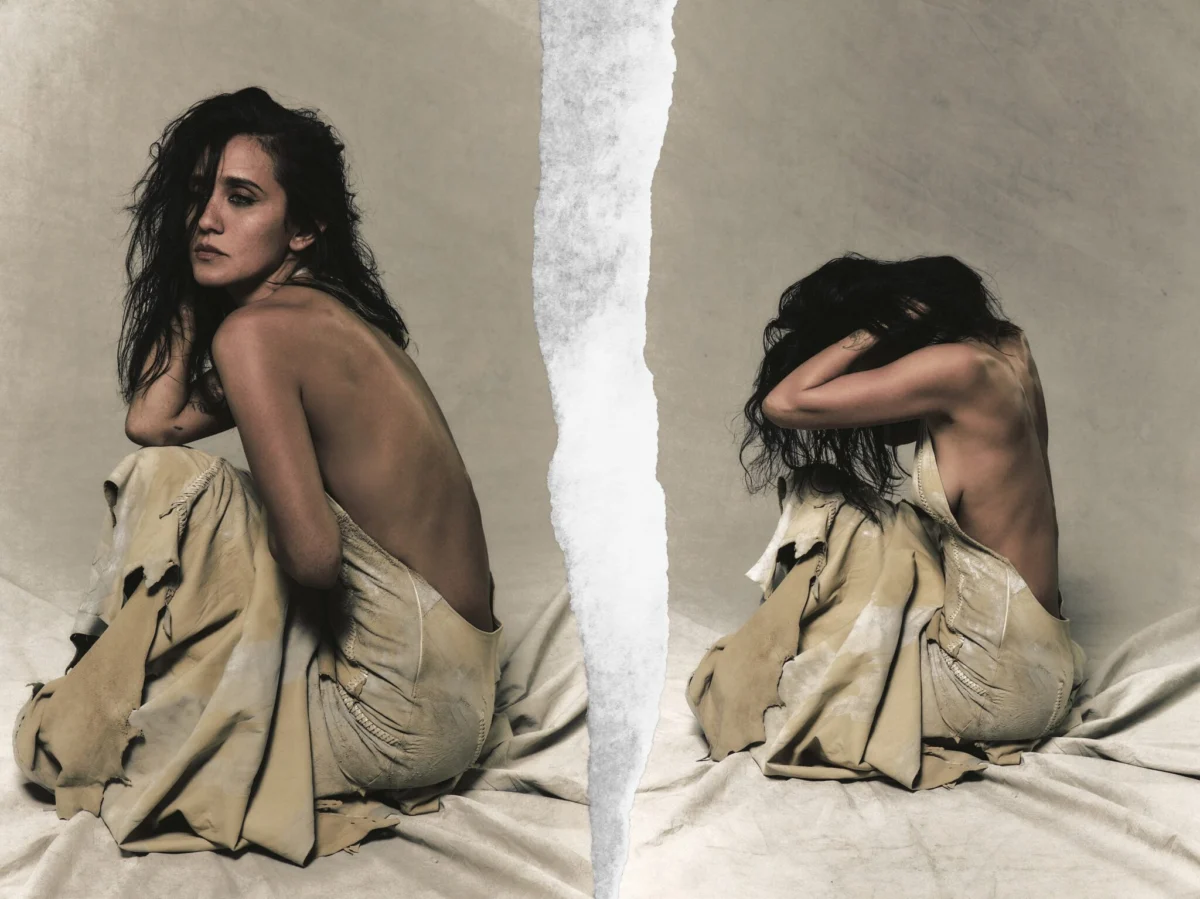
Los Angeles-based singer-songwriter and independent artist Jesse Jo Stark has officially announced her upcoming full-length studio album, titled MUSE, scheduled for release on November 6. Recorded in the serene and secluded environment of Aspen, Colorado, the forthcoming record represents a significant evolution in Stark’s discography, blending her signature cinematic aesthetic with a stripped-down, exposed approach to modern songwriting. Alongside the album announcement, Stark has released the project’s lead single, “colorado,” accompanied by an official music video directed and captured to reflect the stark, isolated landscapes in which the album was conceived.
The announcement comes after a period of intense creative introspection for the artist, who retreated to the Rocky Mountains alongside a tight-knit circle of close friends and long-time musical collaborators. By stepping away from the bustling environment of Los Angeles, Stark sought to strip away external distractions and focus purely on emotional and sonic honesty. The resulting body of work, MUSE, maintains the grand, atmospheric qualities that fans have come to expect from her catalog while offering an unprecedented level of vulnerability, direct lyricism, and raw instrumental arrangement.
Main Facts and Production Background of MUSE
The production process for MUSE stands as a deliberate departure from the heavily layered sounds characteristic of much contemporary alternative music. Working in the stillness of the Aspen mountains, Stark and her collaborators embraced an organic methodology that prioritized space, atmosphere, and emotional resonance. The instrumentation leans heavily into melancholic Americana, bruised rock sensibilities, and unvarnished singer-songwriter traditions.
According to early details released by the artist’s camp, the production on the album is noticeably rawer and more spacious than her previous releases. Vocal performances were captured with minimal processing, leaving Stark’s voice exposed and front-and-center. This production choice amplifies the directness of the songwriting, creating an intimate dialogue between the artist and the listener.
Reflecting on the psychological and creative headspace that birthed the record, Stark explained the profound personal transformation that occurred during the mountain sessions. “It was the time to speak without boundary,” Stark shared in a statement regarding the creation of the album. “Even though I felt broken, I also felt an immense amount of freedom. Each day felt so precious. Like I was dancing with a woman I had been hiding from. I was clear.”
This clarity is palpable in the lead single, “colorado,” which serves as a thematic thesis statement for the broader album. Stark has described the track as capturing “the womb of the mountains.” Musically, the song features pared-back, melancholic guitars that meander beneath an austere, unfiltered vocal delivery. The production on the single is deliberately minimal, allowing the natural timbre of Stark’s voice to carry the emotional weight of the composition without the interference of modern studio gloss.
Visual Narrative and Single Release
Complementing the auditory experience of “colorado” is an official music video shot against the dramatic backdrop of the American wilderness. The visual accompaniment extends the thematic world of the song, capturing themes of isolation, romance, stillness, and emotional suspension. Directed with an eye for natural light and stark landscapes, the video mirrors the sonic qualities of the track—spacious, unhurried, and deeply reflective.
The release of “colorado” and the rollout of the music video have established a clear visual and auditory standard for the upcoming era of Stark’s career. By aligning the remote, physical setting of Aspen with the internal landscape of her lyrics, Stark has constructed a cohesive artistic statement that bridges geography and emotion. The visual assets, captured by photographer Pablo Gonzalez, reinforce the desolate yet comforting nature of the creative retreat.
Chronology of Jesse Jo Stark’s Musical Evolution
To understand the significance of MUSE within Jesse Jo Stark’s career, it is necessary to examine the trajectory that led the Los Angeles native to the mountains of Colorado. Stark initially emerged within the independent music scene as an artist deeply influenced by the intersections of gothic Americana, punk rock, and cinematic pop. Over the years, she cultivated a distinct identity defined by a dark, romantic aesthetic and theatrical song structures.
Her early releases established her reputation as a compelling voice capable of blending heavy rock instrumentation with haunting vocal melodies. However, as her discography expanded, a recurring desire for deeper emotional truth began to shape her creative direction. While projects like her previous full-length works showcased grand, cinematic arrangements and thick production walls, the artist consistently hinted at an underlying urge to strip away the artifice.
The timeline leading to the creation of MUSE accelerated in early 2024, when Stark made the deliberate decision to relocate her creative process outside of traditional urban recording studios. Choosing Aspen as her temporary base of operations, she gathered a select group of musicians who shared her vision for a more organic, unfiltered sound. This retreat provided the necessary isolation to experiment with unvarnished singer-songwriter interiority, culminating in the completed tracks that will comprise the November 6 release.
Supporting Data and Industry Context
The release of MUSE arrives at a time when the broader alternative and independent music markets are showing increased consumer appetite for raw, analog-sounding productions. In an era dominated by hyper-compressed digital mixing and algorithm-driven pop tracks, artists returning to spacious, organic instrumentation are finding receptive audiences among both critics and listeners.
Market research within the independent music sector indicates that physical media and pre-order metrics for singer-songwriters who emphasize authentic storytelling have experienced steady growth. By positioning MUSE as a deeply intimate retelling of her personal experiences, Stark taps into this broader cultural shift toward authenticity and emotional transparency in popular music.
Furthermore, the strategic decision to release the lead single nearly two months ahead of the full album drop allows for a sustained rollout campaign. This approach gives streaming platforms, radio programmers, and independent music journalists ample time to digest the sonic shift in Stark’s repertoire, building anticipation for the full-length project.
Statements and Reactions from Collaborators and Industry Observers
While formal press statements from external industry executives remain sparse, close associates and members of Stark’s production team have noted the distinct intensity that characterized the Aspen recording sessions. Industry observers have pointed out that retreating to geographically isolated environments often yields career-defining work for artists seeking reinvention.
Music critics analyzing the early release of “colorado” have highlighted the bravery required to present such a minimal, exposed vocal delivery in a commercial landscape that frequently relies on pitch-correction and multi-layered harmonies. By opting for vulnerability over technical perfection, Stark has received early praise for artistic integrity.
Reactions from the artist’s fan base across digital platforms have been overwhelmingly positive, with listeners expressing appreciation for the return to a more acoustic, melancholic style. The aesthetic consistency between the music, the promotional imagery captured by Pablo Gonzalez, and the narrative surrounding the mountain retreat has been cited by marketing analysts as an example of effective, immersive world-building.
Broader Impact and Implications for Stark’s Career
The release of MUSE on November 6 marks a pivotal moment in Jesse Jo Stark’s professional trajectory. As an independent artist navigating a rapidly evolving music industry, the ability to successfully pivot from cinematic grandeur to raw, unvarnished minimalism demonstrates artistic versatility and staying power.
The implications of this stylistic shift extend beyond a single album cycle. By proving her capability to command an audience with minimal instrumentation and stark emotional honesty, Stark expands her potential demographic reach. The melancholic Americana and bruised rock elements embedded within MUSE open doors to alternative country, Americana, and traditional singer-songwriter playlists that may have previously eluded her darker, more theatrical releases.
Moreover, the narrative of the Aspen retreat serves as a powerful branding tool. In an industry where personal narrative often dictates an artist’s cultural resonance, the image of Stark writing through pain and finding clarity in the stillness of the mountains provides a compelling human story that connects listeners directly to the music.
As the music industry prepares for the official arrival of MUSE on November 6, all indicators suggest that this bold new chapter will solidify Jesse Jo Stark’s status as a formidable and uncompromising voice in modern independent music. With “colorado” setting the tone, the forthcoming album promises to be a defining artistic statement—one defined by courage, space, and a refusal to hide behind boundaries.