 Aveline Kirana
The Parisian cultural scene is witnessing a significant extension of one of the summer’s most celebrated musical offerings. Les Arènes Lyriques, the esteemed ensemble known for its innovative approach to classical and cross-genre programming, has officially confirmed that its hit production, E Fra le nubi d’or, will return to the stage for two additional performances this October. This decision follows a highly successful summer season during which the production achieved the rare feat of sixteen consecutive sold-out performances, solidifying its position as a cornerstone of the contemporary vocal performance circuit in France.
The upcoming performances are scheduled to take place at two of Paris’s most distinguished venues. On October 10, the United States Foundation in Paris will host the first of these encore presentations, followed by a final, concluding performance on October 11 at the Salle Cortot. These additions provide a vital opportunity for audiences who were unable to secure tickets during the initial run, which saw overwhelming demand throughout the summer months.
A Fusion of Classical and Contemporary Traditions
At the heart of the production’s success is its eclectic and daring program, which defies traditional concert boundaries by bridging the gap between centuries and genres. The repertoire curated for E Fra le nubi d’or features a diverse array of composers and musical styles, ranging from the dramatic Italian opera tradition of Giacomo Puccini and Alfredo Catalani to the evocative compositions of Arturo Márquez and the iconic soul-infused jazz of Nina Simone.
This stylistic juxtaposition is intentional, aimed at reaching a broader demographic of music enthusiasts. By placing the intensity of operatic arias alongside the emotional resonance of modern classics, the ensemble has crafted a narrative arc that explores the nuances of human experience. The artistic direction, spearheaded by Thomas Lefort, ensures that the transitions between these disparate styles feel fluid rather than jarring, a challenge that has garnered significant praise from critics and patrons alike.
The vocal performances are anchored by soprano Clara Orif and tenor Jean-François Marras, both of whom have earned critical acclaim for their technical precision and interpretive depth during the summer run. They are supported by pianist Kim Bernard and the full ensemble of L’Orchestre des Arènes Lyriques. The collaborative chemistry between the vocalists and the instrumentalists has been cited as a primary driver of the production’s viral popularity, transforming the concert into a highly sought-after cultural event.
Chronology of the Production
The journey of E Fra le nubi d’or began as an ambitious attempt to revitalize the summer concert landscape in Paris. Over the course of June, July, and August, the production maintained a rigorous schedule. The sixteen performances were characterized by a consistent adherence to the core program, though minor improvisational elements were introduced throughout the summer to reflect the evolving rapport between the performers and their audiences.
The decision to extend the run into the autumn was not originally part of the initial planning phase. However, as ticket sales consistently hit capacity early in the season, the management at Les Arènes Lyriques began assessing the logistical viability of additional dates. The selection of the United States Foundation in Paris and the Salle Cortot was strategic; both venues are renowned for their acoustics and historical significance, providing an appropriate setting for the sophisticated nature of the program.
The timeline for the final two performances marks a shift from the outdoor, open-air atmosphere that defined much of the summer series to the more intimate, controlled acoustic environments of the October venues. This transition is expected to alter the sonic texture of the performance, potentially offering a new listening experience for those returning to see the show for a second time.
Analysis of the Production’s Impact
The success of E Fra le nubi d’or provides a compelling case study for the current state of the performing arts in Europe. In an era where traditional classical concerts often face declining attendance, the hybrid model utilized by Les Arènes Lyriques—mixing high-art operatic standards with accessible contemporary works—appears to be a successful strategy for engagement.
The demographic data from the summer performances suggests that the production attracted a younger audience than typically seen at standard opera recitals. This shift is largely attributed to the inclusion of Nina Simone’s work, which serves as a gateway for listeners less familiar with the 19th-century operatic canon. By diversifying the playlist, the organizers have effectively lowered the barriers to entry for newcomers without alienating the traditional classical music base.
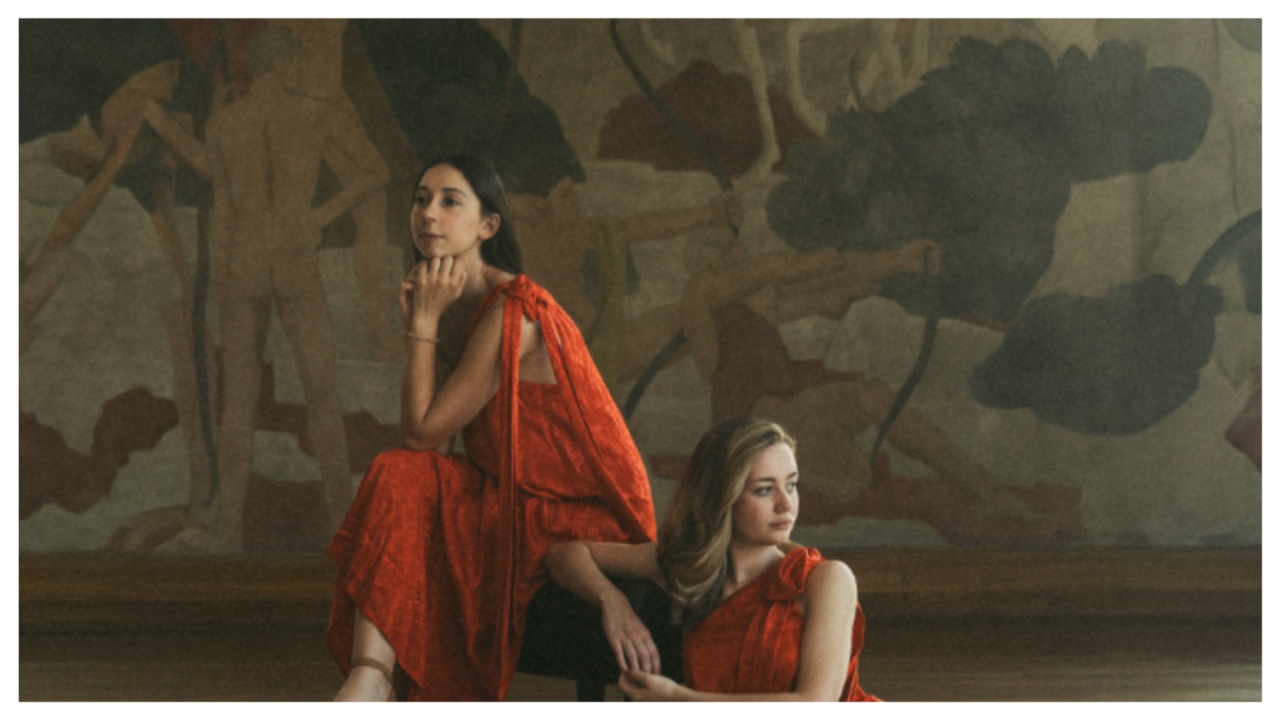
Furthermore, the involvement of Thomas Lefort as a leader has provided a sense of continuity and artistic rigor. Lefort’s ability to conduct the orchestra while maintaining a cohesive vision across such a broad spectrum of music has been a central point of discussion in musicological circles. His approach avoids the "pastiche" trap, where programs can feel disjointed or chaotic, and instead builds a thematic consistency that keeps the audience engaged from the opening note to the finale.
Official Responses and Stakeholder Sentiment
While official statements from the individual performers remain focused on the anticipation of the upcoming dates, representatives from Les Arènes Lyriques have expressed gratitude for the public’s enthusiasm. In brief communications following the announcement of the encore dates, the organization highlighted that the decision was driven entirely by the "extraordinary feedback" from the audience.
"The demand for these performances exceeded our initial expectations," a spokesperson for the ensemble noted. "While we were confident in the quality of the work and the strength of the program, the consistency of the sold-out houses throughout the summer confirmed that there is a deep appetite for this specific blend of musical traditions."
Industry analysts have observed that the success of such productions often leads to a "ripple effect" within the Parisian arts community. Smaller ensembles and independent producers are likely to observe the success of E Fra le nubi d’or as a template for future programming. If the October performances continue to perform at capacity, it is anticipated that similar cross-genre concert series will become a staple of the city’s autumn season, rather than being confined solely to the summer months.
Broader Implications for the Performing Arts
The logistics of mounting these additional performances at the United States Foundation and the Salle Cortot represent a significant undertaking. The technical requirements for balancing the instrumentation of L’Orchestre des Arènes Lyriques with the vocalists in these specific spaces demand precise sound engineering and rehearsal time.
The broader implication here is the movement toward "flexible programming." As audiences become increasingly accustomed to digital platforms where musical genres are easily curated and mixed, the traditional concert format is forced to adapt. The success of E Fra le nubi d’or proves that the live performance sector can successfully mirror this digital flexibility. By curating a "playlist" of live music that mirrors the variety of a modern digital listening experience, producers are better positioned to capture the interest of modern, diverse audiences.
Moreover, the financial success of this series serves as an important indicator of market health. Despite inflation and the rising costs of production, the willingness of the public to pay for high-quality, live, multi-genre experiences remains robust. The reliance on established venues like the Salle Cortot, combined with the artistic reach of the program, creates a low-risk, high-reward environment for the producers, which is essential for the long-term sustainability of independent classical music organizations.
Future Outlook
As the industry looks toward the conclusion of the year, the encore performances of E Fra le nubi d’or are poised to be among the most prominent vocal events in Paris. The focus for the performers will remain on maintaining the high standard of excellence that defined the summer run, while adapting to the acoustics of the new venues.
For those interested in the evolution of the program, the October dates will serve as a definitive end to this particular iteration of the concert series. While there is no official word on whether the ensemble will attempt a similar, larger-scale tour in the coming year, the momentum generated by these eighteen total performances (sixteen summer plus two autumn) sets a high bar for any future endeavors.
Ultimately, the story of E Fra le nubi d’or is one of artistic resilience and intelligent programming. By balancing the technical demands of Puccini and Catalani with the expressive freedom required for the works of Márquez and Simone, Les Arènes Lyriques has demonstrated that the appetite for live, high-caliber music remains strong, provided that the presentation is as dynamic as the repertoire itself. The upcoming performances on October 10 and 11 represent not just an extension of a concert series, but a validation of a new, inclusive approach to classical performance in the 21st century.