Johan Budi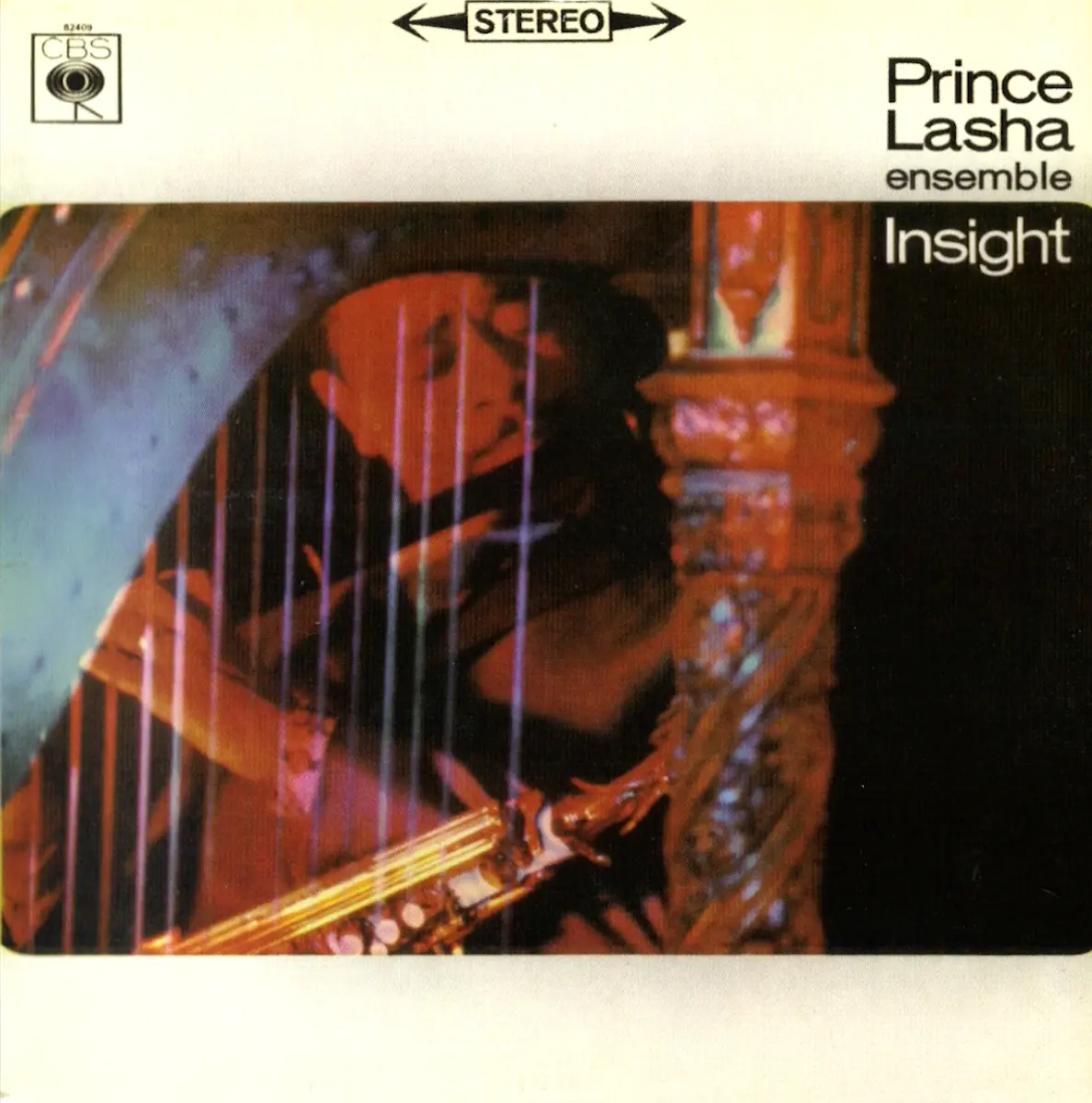
Sixty years ago, jazz critic Mike Shera published a review in the September 1966 issue of Jazz Journal that captured a pivotal, if tumultuous, moment in transatlantic jazz collaboration. Shera’s assessment of American avant-garde reedist Prince Lasha’s English recording date was notoriously uncompromising, asserting that the visiting artist’s scant solo work would have seen him laughed off the stand of any self-respecting British jazz club. This sharp critique serves as a fascinating lens through which to examine the broader cultural and stylistic anxieties of a shifting musical landscape during the mid-1960s.
Main Facts of the 1966 Recording and Review
The recording in question, released on the CBS label under catalog number BPG 62409, brought together a notable assembly of British jazz talent to support the visiting American saxophonist and flutist Prince Lasha. The sessions yielded a mix of demanding interpretations of jazz standards alongside more exploratory compositions. However, the resulting album quickly became a lightning rod for critical debate regarding the boundaries of jazz, the viability of avant-garde techniques, and the friction between traditional melodic structures and free-form improvisation.
According to Shera’s contemporary review, the core issue of the record lay in the striking disparity between the performances of the sidemen and that of the leader. While Lasha himself claimed in the original liner notes that everybody involved played to the highest standard right from the beginning, the critic vehemently disagreed. Shera highlighted tracks like Nuttin’ Out Jones, arguing that Lasha was entirely incapable of sustaining a coherent musical idea, resulting in disjointed phrases lacking internal logic. On standards such as Just Friends, the critic observed a struggling soloist clutching at straws while making fleeting, desperate references to the original melody. On Out Of Nowhere, Lasha bypassed soloing altogether, and on Body And Soul, his contribution was restricted to a brief theme statement at the opening and closing of the track.
Conversely, the British accompanists received high praise. Musicians such as trombonist John Mumford and trumpeter Chris Bateson earned accolades for their technical proficiency and inventive phrasing, with Bateson contributing a standout solo on Just Friends. Pianists Mike Carr and Stan Tracey, alongside a rotating cast of accomplished British rhythm section players including Rick Laird, Dave Willis, Jeff Clyne, Bruce Cale, and drummer Joe Oliver, provided a robust and swinging foundation. Notably, the album also featured classical and jazz harpist David Snell, though Shera remained skeptical about the instrument’s utility in a jazz solo context.
Chronology of the Transatlantic Jazz Exchange
The mid-1960s represented a period of intense cross-pollination between American jazz musicians and the burgeoning European scene. British jazz clubs, while fiercely loyal to hard bop, mainstream swing, and emerging modal approaches, were simultaneously grappling with the disruptive arrival of American avant-garde and free jazz. Prince Lasha, known for his associations with Eric Dolphy and his innovative, unconventional approach to the alto saxophone and flute, arrived in England in 1966 carrying the progressive ethos of the West Coast avant-garde movement.
The timeline of the recording session reflected a hastily assembled project designed to capitalize on Lasha’s international profile. European tours and guest spots for American artists were frequent during this era, often arranged with minimal rehearsal time. This logistical reality frequently led to stylistic friction in the recording studio. Lasha, accustomed to the boundary-pushing ethos of the American free jazz community, found himself paired with British musicians who were deeply grounded in European harmonic sophistication and time-keeping traditions.
The resulting album, featuring tracks partitioned across various configurations—such as the grouping of Chris Bateson, John Mumford, Prince Lasha, David Snell, Stan Tracey, Rick Laird, Dave Willis, and Joe Oliver on side one, and alternative line-ups featuring Mike Carr and Bruce Cale on side two—demonstrated the structural fault lines of these impromptu sessions. The clash between Lasha’s experimental impulses and the disciplined swing of his British peers created a polarized listening experience that immediately divided critics and fans alike.
Supporting Data and Musical Architecture
A granular examination of the CBS release reveals structural imbalances that fueled Shera’s scathing review. The record spanned roughly 41 minutes of music divided unevenly across standard-heavy arrangements and exploratory numbers.
Track Listing and Instrumentation Breakdown:
- Side One (approx. 20 minutes): Nuttin’ Out Jones, Out Of Nowhere, and Body And Soul. Personnel featured Chris Bateson (trumpet), John Mumford (trombone), Prince Lasha (alto saxophone/flute), David Snell (harp), Stan Tracey (piano), alternating bassists Rick Laird and Dave Willis, and Joe Oliver (drums).
- Side Two (approx. 21.5 minutes): Impressions Of Eric Dolphy, Everything Happens To Me, and Just Friends. Personnel featured the core brass and rhythm sections, with Jeff Clyne or Bruce Cale replacing Laird on bass, and Mike Carr stepping in on piano for selected tracks.
From a production standpoint, the mono mix—which formed the basis of much contemporary critique—presented notable mixing challenges. Shera noted that the presence of two bassists on every track was largely imperceptible in mono, with only Just Friends allowing the individual instruments to be distinguished with any clarity. Furthermore, the inclusion of David Snell on the harp represented a bold, if controversial, textural experiment that challenged conventional instrumentation norms within British jazz circles of the era.
Critical Perspectives and Inferred Reactions
While Mike Shera’s review stands as one of the most blistering critiques published in Jazz Journal during the 1960s, it reflected a broader generational and aesthetic divide within the jazz community. Traditionalists and mainstream critics often viewed the burgeoning avant-garde movement with deep suspicion, suspecting that radical sonic departures served as a convenient mask for technical deficiencies. Shera’s concluding remark—that avant-garde music was "indeed the refuge of the untalented" in Lasha’s case—encapsulated the conservative backlash against the erosion of traditional harmonic frameworks.
Conversely, supporters of Lasha and the broader free jazz movement would have argued that traditional criteria for evaluating jazz solos—such as linear thematic development, chord-scale adherence, and rhythmic resolution—were entirely antithetical to the expressive goals of avant-garde improvisation. Lasha’s stylistic lineage, deeply intertwined with the radical explorations of Eric Dolphy, prioritized timbre, microtonal inflection, emotional urgency, and spontaneous collective interaction over predictable melodic architecture.
Although direct rejoinders from Prince Lasha regarding Shera’s specific review are scarce in the historical record, it can be logically inferred that visiting American artists often experienced a culture clash upon encountering the relatively conservative tastes of certain European critics. British jazz audiences of the mid-1960s were fiercely discerning, placing a high premium on musicianship, professionalism, and swing. When an experimental artist bypassed traditional solo structures in favor of textural exploration, it frequently alienated listeners who expected a conventional display of technical mastery.
Broader Impact and Historical Implications
Looking back across six decades, the controversy surrounding Prince Lasha’s 1966 English recording date offers valuable historical context on the globalization of jazz. The session illustrates the growing pains of a musical genre undergoing rapid, global diversification. As American artists sought receptive audiences and collaborative opportunities abroad, they inevitably collided with local critical establishments that guarded established standards of performance.
The album also serves to highlight the exceptional caliber of the British rhythm and horn sections during the mid-1960s. Figures like Mike Carr, Chris Bateson, John Mumford, and Stan Tracey demonstrated a level of fluency and adaptability that repeatedly drew praise from critics, even when the nominal leaders of foreign sessions fell short of expectations. Carr’s performance on Just Friends, in particular, was judged by contemporaries to be of such high quality that it warranted a dedicated leadership project, underscoring the world-class status of the UK jazz infrastructure at the time.
Ultimately, Shera’s review has transcended its origins as a routine record critique to become a fascinating historical artifact. It captures a moment when the tectonic plates of jazz were shifting beneath the feet of performers and critics alike. Whether viewed as a justified exposure of a subpar performance or as a symptom of critical resistance to artistic evolution, the 1966 release remains a compelling chapter in the transatlantic dialogue of jazz history—reminding modern listeners of the friction, debate, and passion that defined the music’s most experimental decades.