Nayara Elvina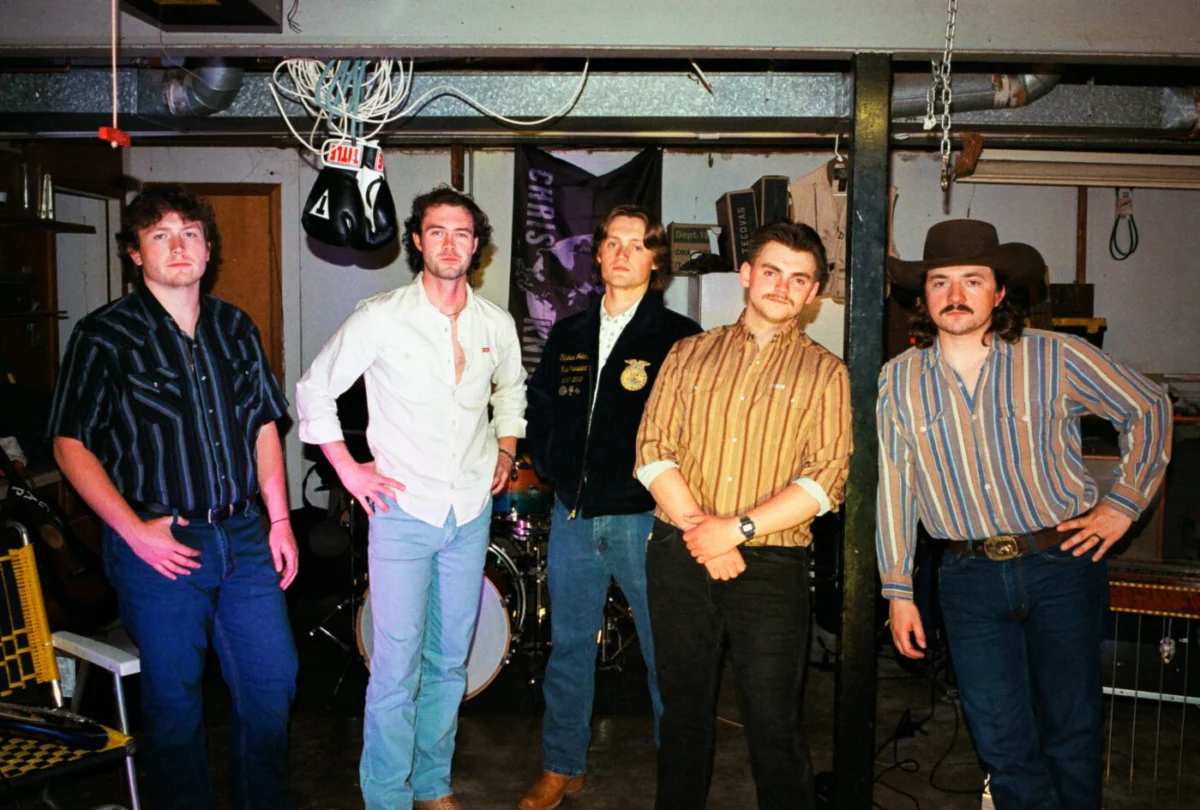
The independent country music landscape continues to undergo a significant generational shift as a new cohort of young artists redefines the boundaries of the genre. Among the most prominent figures in this movement are Gus and Phin Johnson, the brothers behind the Appalachian-rooted duo Low Gap. Following the critical success of their debut full-length album, Geneva, the duo has released their latest single, "Timmy," a narrative-driven track that explores the complexities of adolescence and the subcultures of modern bluegrass. This release marks a pivotal moment for the band as they transition from viral independent artists to established fixtures on the national touring circuit, further solidifying their role as torchbearers for traditional Appalachian sounds in a modernized industry.
The Rise of Low Gap and the Appalachian Revival
The emergence of Low Gap coincides with a broader resurgence of interest in authentic, region-specific storytelling within country music. While mainstream radio has long been dominated by high-production "pop-country," a parallel movement led by artists such as Sam Barber, Ty Myers, and Waylon Wyatt has captured the attention of a younger, more digitally savvy audience. Low Gap distinguishes itself within this field by leaning heavily into the sonic traditions of Lexington, Kentucky, and Holmes County, Ohio—regions known for their deep ties to bluegrass and folk history.
The brothers first gained significant traction in 2021 with the release of their debut single, "Mockingbird." Recorded when the duo was in their early teens, the track served as a proof-of-concept for their brand of earnest, acoustic-driven music. To date, "Mockingbird" has amassed over one million streams on Spotify, a milestone that signaled the existence of a dedicated "cult-classic" fanbase. This early success provided the foundation for their 2024 debut album, Geneva, which showcased a more mature lyrical perspective and a more robust instrumental arrangement.
To support their evolving sound, the Johnson brothers expanded their lineup from a simple duo to a full five-piece band. The current ensemble includes Levi Brown on drums, Christopher Bias on steel guitar, and Samuel James on bass. This expansion has allowed Low Gap to move beyond the limitations of the "acoustic duo" label, enabling them to deliver high-energy performances that bridge the gap between intimate folk sessions and large-scale country concerts.
Narrative Analysis of Timmy and the Billy Strings Influence
The new single, "Timmy," represents a stylistic shift for the band. While their previous work often delved into heavy themes of theology, historical hardship, and philosophical inquiry, "Timmy" serves as a grounded character study. The song chronicles the experiences of a socially awkward, "straight-edge" high school student navigating the social pressures of his environment.
A central element of the track is the protagonist’s devotion to bluegrass virtuoso Billy Strings. In an industry where lyrical references often lean toward mainstream icons, the choice to center a song around a Billy Strings fan is a deliberate nod to the "nerdy and brilliant" subculture of modern acoustic music. Gus Johnson noted that the reference was intended to capture a specific type of intellectual isolation common in secondary education, describing the character as a "mildly awkward kid who’s smarter than all of his peers."
The narrative arc of the song culminates in a homecoming dance, where the titular character finds the courage to interact with a love interest named Penny. The lyrics detail the tension of the moment: "He’s sweating out a river as she walked him to the floor / But I guess old son’s got rhythm; they waltzed a mean 3-4." By utilizing the 3/4 time signature—a staple of traditional waltzes—Low Gap reinforces the song’s traditionalist roots even as they describe a contemporary high school setting. The track has been praised by early listeners for its "earnestness," a quality that industry analysts suggest is the primary driver of the band’s growth.
Strategic Touring and Market Expansion
The release of "Timmy" comes amidst an intensive touring schedule that sees Low Gap expanding their reach across the American South, Midwest, and Mountain West. A significant catalyst for their recent growth was securing an opening slot on Colby Acuff’s "Handmade Horsepower Tour." Acuff, a rising star who recently gained acclaim in the independent circuit, provides a stylistic match for Low Gap, exposing the duo to audiences that value "handmade" and "honest" songwriting.
The band’s current tour itinerary reflects a strategic approach to market saturation, targeting both traditional country strongholds and emerging hubs for independent music. Key dates in late 2024 and 2025 include:
- Mid-Summer Circuit: Performances in Ozark, Arkansas, and Macon, Georgia, targeting the Southern heartland.
- Western Expansion: A series of dates in Colorado and Wyoming, including stops in Denver and Pinedale, tapping into the thriving Western-folk scene.
- Northern Plains and Texas: Engagements in South Dakota followed by a critical run through Oklahoma and Texas, including Sam’s Burger Joint in San Antonio and Meanwhile Brewing in Austin.
This geographic diversity is essential for independent acts operating outside the Nashville "major label" system. By building a grassroots presence in regions like the Dakotas and Nevada, Low Gap is insulating themselves from the volatility of digital trends, fostering a "legacy" fanbase that supports live performances and physical merchandise.
Industry Implications and the "Young Guns" Phenomenon
The success of Low Gap is indicative of a larger trend where the median age of country music stars is trending downward. This "Young Guns" era, headlined by figures like Hudson Westbrook and Sam Barber, is characterized by a rejection of polished artifice in favor of raw, often unpolished vocal deliveries and traditional instrumentation.
Data from streaming platforms suggests that Gen Z and Millennial listeners are increasingly gravitating toward "Appalachian" and "Western" aesthetics as a form of counter-programming to the digitized nature of modern life. Low Gap’s ability to weave "straight-edge" values and high-school relatability into a traditional folk framework positions them as a relatable alternative for this demographic.
Furthermore, the band’s commitment to independent production—noted in their refusal to "chase trends" sonically—aligns with the current market demand for authenticity. In an era where TikTok-driven "viral moments" often lead to short-lived careers, Low Gap’s steady progression from 2021 to the present suggests a more sustainable trajectory. The release of "Timmy" serves as a bridge between the introspective themes of Geneva and the next chapter of their career, maintaining their momentum without sacrificing their creative identity.
Technical Composition and Production Values
From a technical standpoint, "Timmy" highlights the band’s sophisticated approach to arrangement. The inclusion of Christopher Bias on steel guitar adds a "lonesome" quality to the track that complements the narrative’s themes of social isolation. Meanwhile, the rhythm section of Brown and James provides a steady, understated foundation that allows the vocal harmonies of the Johnson brothers to remain the focal point.
The production of the track avoids the "loudness war" common in contemporary radio edits, opting instead for a dynamic range that mimics a live performance. This "lush, traditional production" has become a hallmark of the Low Gap sound. By prioritizing the "breath" between notes and the natural resonance of acoustic instruments, the duo creates a sense of intimacy that resonates with listeners seeking a more personal connection to music.
Conclusion and Future Outlook
As Low Gap continues their 2024-2025 tour, the release of "Timmy" reinforces their status as one of the most compelling young voices in the Appalachian revival. By combining wise-beyond-their-years storytelling with a relatable look at the "awkward high school days," Gus and Phin Johnson have managed to bridge the gap between generational experiences.
The broader implications for the genre are clear: there is a growing and profitable market for music that honors regional traditions while addressing contemporary life. As the duo moves toward their next major project, their commitment to "earnest" songwriting and traditional instrumentation will likely remain the cornerstone of their success. For fans and industry observers alike, Low Gap represents the successful intersection of historical reverence and modern relevance, ensuring that the sounds of Appalachia continue to evolve for a new generation of listeners.