Aveline Kirana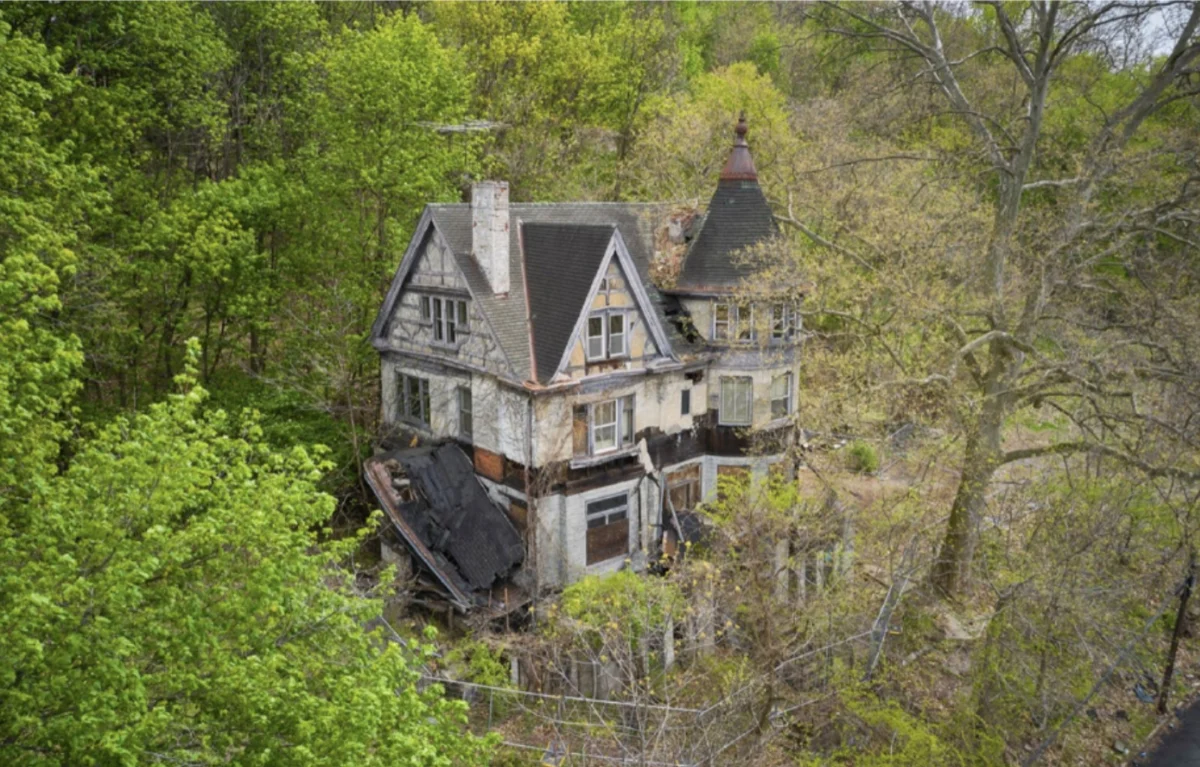
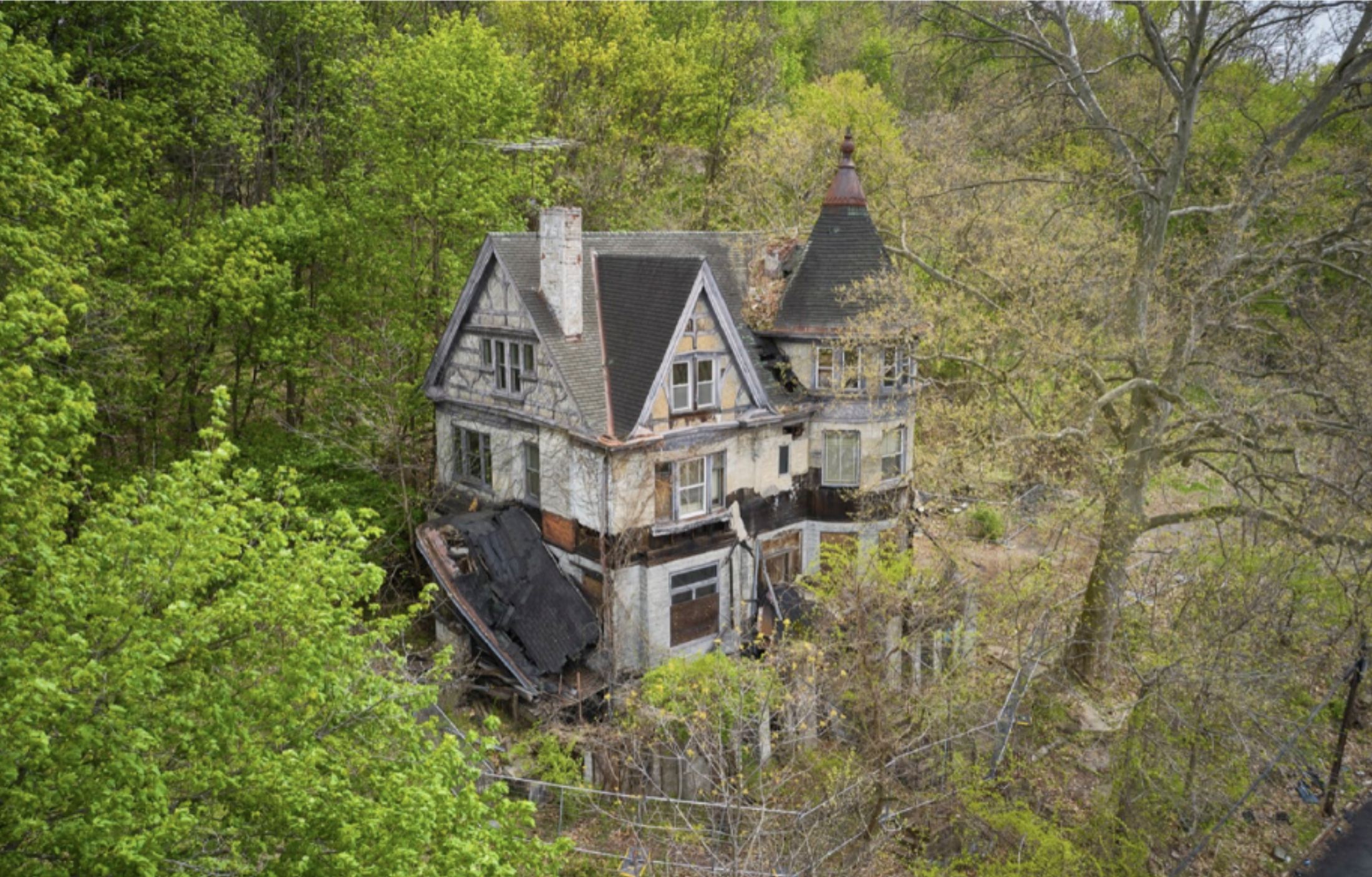
The National Opera House has announced a significant financial boost for its ongoing efforts to restore and preserve a pivotal Black cultural landmark in Pittsburgh. The Andrew W. Mellon Foundation has awarded a substantial $1.75 million grant, earmarked to accelerate the revitalization of the historic property located at 7101 Apple Street. This generous contribution represents a crucial investment in safeguarding a site of immense historical and artistic importance, one that served as the former headquarters of the National Negro Opera Company and is widely recognized as a foundational site for classical jazz in America.
This latest grant from the Mellon Foundation signifies a major commitment to preserving one of the nation’s most significant Black cultural heritage sites. It specifically targets the advancement of preservation efforts for the sole surviving structure directly associated with the National Negro Opera Company. This influential organization was established in 1941 by the visionary arts leader Mary Cardwell Dawson, a pioneering figure who championed Black artists in a landscape often rife with exclusion. The funding will provide two years of dedicated support, enabling the project to move beyond its initial stabilization phase and usher in new energy, expertise, and resources for its comprehensive completion.
The impact of this grant extends beyond mere structural preservation. It represents a strategic shift, propelling the restoration initiative from a phase of stabilization to one of active preservation and subsequent activation. This means that the focus will now move towards not only securing the building’s integrity but also developing plans for its future use and programming, ensuring its continued relevance and contribution to the cultural fabric of Pittsburgh and the nation.
A Beacon of Black Artistic Achievement
The historic property at 7101 Apple Street is more than just a building; it is a repository of American cultural history. It was here that the National Negro Opera Company, under the astute leadership of Mary Cardwell Dawson, cultivated a national platform for Black opera singers and musicians. At a time when systemic racial barriers severely limited opportunities for Black artists, Dawson’s endeavor provided a vital space for talent to flourish and for a rich artistic tradition to take root. The building itself is intrinsically linked to this legacy, serving as a tangible connection to a period of profound artistic innovation and social change.
The grant’s announcement was met with considerable enthusiasm from the National Opera House leadership. Jonnet Solomon, Executive Director of the National Opera House, articulated the profound significance of the award. "This grant is a powerful affirmation that this site matters, not only to Pittsburgh, but to the American story," Solomon stated in an official press release. She further emphasized the historical context of Mary Cardwell Dawson’s work: "Mary Cardwell Dawson built a national platform for Black opera singers at a time when the country tried to shut them out. Reconstructing this house is about protecting that legacy and returning it to public life." This sentiment underscores the dual mission of the project: to honor the past and to create a vibrant future for the site.
Chronology of Preservation and Vision
The journey towards the full restoration and reactivation of the National Negro Opera Company headquarters has been a deliberate and multifaceted one, marked by key milestones and evolving ambitions. While specific dates for the initial acquisition and early stabilization efforts are not detailed in the initial announcement, the trajectory of the project can be understood through its phases.
Founding of the National Negro Opera Company (1941): Mary Cardwell Dawson establishes the company, an organization that would become a crucial incubator for Black operatic talent and a significant cultural force.
Historical Significance of the Apple Street Location: The building at 7101 Apple Street emerges as a central hub for the National Negro Opera Company, serving as its headquarters and a space for artistic development and performances. This period is also recognized for its contributions to the nascent classical jazz scene, with the venue playing an integral role in its evolution.
Periods of Neglect and Rediscovery: Following the operational zenith of the National Negro Opera Company, the historic building, like many other cultural landmarks, likely faced periods of disuse and potential decline. The exact duration of these periods is not specified, but the current revitalization effort signifies a determined push to reclaim and restore its former glory.
Initiation of Restoration Efforts: The National Opera House takes the lead in spearheading the restoration project. Early phases would have focused on critical structural assessments and stabilization to prevent further deterioration of the historic building.
Securing Major Funding: The recent $1.75 million grant from the Andrew W. Mellon Foundation marks a pivotal moment, providing the substantial resources needed to transition from stabilization to comprehensive preservation and activation. This funding is designated for a two-year period, suggesting a focused and intensive approach to the next stages of the project.
Future Vision and Activation: The grant’s allocation towards "preservation and activation" signals a forward-looking strategy. This implies not only the meticulous restoration of architectural elements but also the development of a robust operational plan for the site’s future as a dynamic cultural, educational, and heritage destination.
Supporting Data and Context
The financial support from the Mellon Foundation is not an isolated event but rather part of a broader national trend of increased investment in the preservation of historically significant Black cultural sites. These sites often face unique challenges, including underfunding, neglect, and the threat of demolition, making external support critical for their survival and continued relevance.
The National Negro Opera Company, founded by Mary Cardwell Dawson, was a groundbreaking institution. In its prime, it provided essential training and performance opportunities for Black singers and musicians who were largely excluded from mainstream opera companies and performance venues in the United States. Dawson, a formidable figure, was not only an artist but also an astute administrator and advocate, navigating complex social and economic landscapes to establish and sustain her ambitious venture. The company’s impact is measured not only by the artists it nurtured but also by its role in challenging racial segregation in the arts and broadening the definition of American classical music.
The designation of the 7101 Apple Street property as the "birthplace of classical jazz" highlights its multifaceted cultural significance. While the specific details of this claim might require further historical documentation, it underscores the building’s role as a nexus for musical innovation and performance during a critical period in American music history. The intersection of opera and jazz at this location speaks to the dynamic and evolving nature of artistic expression within Black communities.
The $1.75 million grant from the Mellon Foundation is particularly noteworthy given the foundation’s commitment to supporting arts and culture, particularly those that address issues of diversity, equity, and inclusion. The foundation’s strategic investments often focus on projects that have the potential for long-term societal impact, aligning with the National Opera House’s vision for the revitalized site.
Official Responses and Broader Implications
The announcement has elicited positive reactions from stakeholders invested in cultural heritage and Black history. The National Opera House’s leadership has been vocal about their commitment to the project. Jonnet Solomon’s statement emphasizes the site’s national importance and the imperative to protect Mary Cardwell Dawson’s legacy. This sentiment is echoed by many who recognize the urgency of preserving such historically rich sites.
Beyond the immediate beneficiaries, the restoration of the National Negro Opera Company headquarters has far-reaching implications for Pittsburgh and the broader American cultural landscape.
Cultural Heritage Preservation: The project directly contributes to the preservation of a vital piece of African American history and a significant landmark in the history of American music. This ensures that future generations will have access to and can learn from this important heritage.
Economic Revitalization: The restoration and subsequent activation of the site as a cultural destination are expected to bring economic benefits to the surrounding community. This can include job creation during the construction and operational phases, increased tourism, and the stimulation of local businesses.
Educational and Workforce Development: The National Opera House’s vision for the restored building includes serving as a center for "research, workforce development, and educational programming." This signifies a commitment to leveraging the site for learning and skills training, particularly in areas related to the arts, history, and cultural preservation.
Symbol of Resilience and Achievement: The site stands as a testament to the resilience, creativity, and determination of Black artists and entrepreneurs who, despite facing immense adversity, established and sustained institutions of profound cultural significance. Its revival is a powerful symbol of overcoming historical injustices and celebrating enduring artistic achievement.
National Model for Heritage Sites: The success of this project could serve as a model for other communities seeking to preserve and revitalize historically important Black cultural sites across the United States, demonstrating the viability of such endeavors with dedicated leadership and strategic funding.
The National Opera House is actively leading the reconstruction, with a clear objective: to transform the site into a future cultural, educational, and heritage destination. Upon completion, the restored opera house is envisioned as a dynamic public space that will facilitate preservation initiatives, host performances, support scholarly research, foster workforce development, and offer a rich array of educational programming. This comprehensive approach ensures that the legacy of the National Negro Opera Company and its groundbreaking founder, Mary Cardwell Dawson, will not only be preserved but will also continue to inspire and enrich lives for generations to come. The Mellon Foundation’s significant investment is a critical catalyst in realizing this ambitious and profoundly important vision.