 Kholidah
The controversy gained significant momentum in June 2026, coinciding with a period of internal transition for the group. As member Manon took an ongoing hiatus from group activities, the remaining members—Sophia, Daniela, Lara, Megan, and Yoonchae—continued their promotional schedules. During this time, social media platforms, particularly X (formerly Twitter) and TikTok, saw a surge in posts targeting Megan’s "visuals," a term frequently used in idol culture to describe a member’s aesthetic appeal. These posts, some of which garnered thousands of interactions, labeled Megan a "visual hole," a derogatory slang term suggesting that a member does not meet the perceived beauty standards of the group and thus diminishes its overall appeal.
The Genesis of the Controversy
The root of the current backlash appears to be a combination of fandom volatility and the lingering tensions from the Dream Academy survival show. KATSEYE was designed to be a "global" group, blending different ethnicities, cultures, and performance styles. Megan, who is of Chinese-Caucasian descent and hails from the United States, was initially celebrated for her exceptional dance ability and stage presence. However, as is common in highly competitive fandoms, the absence of one popular member often leads to the redirection of negative energy toward others.
The hiatus of Manon, a member who has consistently been a fan favorite for her striking visuals, served as a catalyst. Some online commentators began comparing the group’s visual harmony in Manon’s absence, leading to the "proof" images cited in viral posts. These images often featured Megan in mid-performance or in candid shots, which were then used by detractors to argue that she "adds nothing to the group" or "brings the group down visually." The rhetoric quickly escalated from subjective opinion to targeted harassment, with some users claiming they "didn’t even notice Megan was gone" during certain performances, despite her being a central part of the choreography.
KATSEYE and the Global Idol Paradigm
To understand the weight of this criticism, one must look at the unique position KATSEYE occupies. As a joint venture between HYBE, the powerhouse behind BTS and NewJeans, and Geffen Records, a legendary American label under Universal Music Group, KATSEYE represents a paradigm shift in how pop groups are manufactured. Unlike traditional K-pop groups that are primarily marketed to a domestic audience before expanding globally, KATSEYE was built for a Western-centric global audience from its inception.

This hybrid model brings with it a clash of beauty standards. In the South Korean entertainment industry, "visuals" are often ranked and categorized based on specific traits such as face shape, skin tone, and symmetry. In the Western market, there is a growing push for diversity and the rejection of narrow beauty tropes. Megan’s critics seem to be applying a rigid, idol-centric lens to a group that was specifically marketed as a departure from those very constraints. This disconnect has created a breeding ground for toxic discourse, where talent is often sidelined in favor of aesthetic debates.
A Timeline of Rising Tensions
The timeline of the current situation reflects a gradual buildup of online hostility.
- Late 2025 – Early 2026: KATSEYE begins its first major international promotional tour. While the group receives praise for their vocal and dance stability, solo stans (fans who only support one member) begin to clash on social media over line distributions and "center time."
- May 2026: Manon’s hiatus is officially announced for undisclosed personal reasons. This leads to a shift in group dynamics and a re-evaluation of the remaining five members by the public.
- June 12, 2026: The first of several viral posts targeting Megan appears on X. The post uses a side-by-side comparison of the group with and without Manon, suggesting that the "visual balance" is broken.
- June 13-14, 2026: The hashtag #Megan and related terms trend in several regions. The discourse splits into two camps: those criticizing her looks and those defending her talent and importance to the group’s performance unit.
The "Visual Hole" Narrative and Online Toxicity
The specific terminology used in these viral posts—such as "visual hole" and "sneak"—is indicative of the hyper-critical nature of modern stan culture. In these digital spaces, an artist’s value is often reduced to their ability to provide "aesthetic content" for fan edits and social media posts. When a member is perceived to fall short of this, they are subjected to "scathing criticism," as seen in the recent posts regarding Megan.
One viral tweet, which received over 20,000 likes before the account was locked, stated: "People waking up to the fact that Megan brings the group down visually." Another user went as far as to say Megan was "not even top 1,000 faces," dismissing her years of training and performance accolades based solely on a subjective assessment of her appearance. This type of rhetoric is not merely an expression of preference; it is a form of digital bullying that has been shown to have profound effects on the mental health of young performers.
Fan Mobilization and the Defense of Megan
In response to the wave of negativity, a significant portion of the KATSEYE fandom, known as "Eyekons," has mobilized to support Megan. Supporters have launched counter-campaigns, sharing clips of her "Dream Academy" performances and highlighting her role as one of the group’s strongest dancers. The defense strategy has been twofold: debunking the "visual" claims by sharing high-quality professional photography and emphasizing that her talent is the primary reason for her inclusion in the group.

"This discussion of Megan’s looks is making me severely uncomfortable," one fan wrote in a post that garnered widespread agreement. "She is a world-class dancer and a vital part of KATSEYE. To reduce her to a ‘visual’ debate is insulting to her craft." Many fans have also pointed out the hypocrisy of demanding "global" diversity while simultaneously attacking members who do not fit a specific, narrow mold of beauty.
Official Responses and Management’s Stance
While HYBE and Geffen Records have not issued a specific statement regarding the comments directed at Megan, both companies have historically taken a firm stance against malicious comments and online harassment. HYBE, in particular, is known for its regular legal updates regarding the protection of its artists’ rights. In previous instances involving groups like LE SSERAFIM and NewJeans, the company has pursued legal action against individuals who spread defamatory or hateful content.
Industry insiders suggest that the labels are likely monitoring the situation closely. The challenge for KATSEYE’s management is balancing the "global" image of the group with the "idol" culture of its fanbase. By ignoring the comments, they risk letting the narrative fester; by addressing them, they may give more visibility to the trolls. However, the mental health of the members remains a primary concern, especially given the young age of the performers and the intense pressure of a global debut.
Broader Impact and Implications for Global Groups
The scrutiny Megan is facing is a symptom of a larger issue within the music industry: the commodification of appearance over artistry. For global groups like KATSEYE, which aim to bridge the gap between K-pop and Western pop, this controversy highlights the growing pains of international expansion. The "visual" standard is a relic of a more localized industry, and its persistence in a global context suggests that audiences are still struggling to move past traditional tropes.
Furthermore, this situation underscores the dangers of the "hiatus" period in group groups. When a member like Manon steps away, the remaining members are often subjected to a re-evaluation that can be harsh and unforgiving. This "survival show" mentality persists long after the show has ended, with fans constantly "ranking" members against one another.
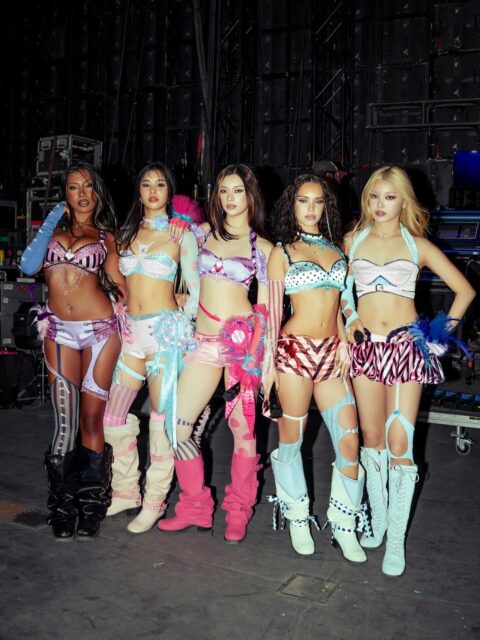
As KATSEYE moves forward, the focus will likely remain on their musical output and performance capabilities. Megan’s resilience in the face of such public criticism will be a testament to her professionalism, but the event serves as a stark reminder of the toxic environment that many modern idols must navigate. The success of groups like KATSEYE depends not just on their talent, but on the ability of their fandoms and the general public to evolve alongside the industry’s changing definitions of what it means to be a star.
In the coming months, as Manon is expected to return and the group prepares for new releases, the narrative surrounding Megan may shift. However, the viral posts of June 2026 will remain a significant chapter in the group’s history, highlighting the ongoing battle between aesthetic perfection and authentic talent in the digital age. For now, Megan continues to perform, backed by a dedicated fanbase that insists her value lies in her artistry, not in the subjective opinions of anonymous online critics.