Reynand Wu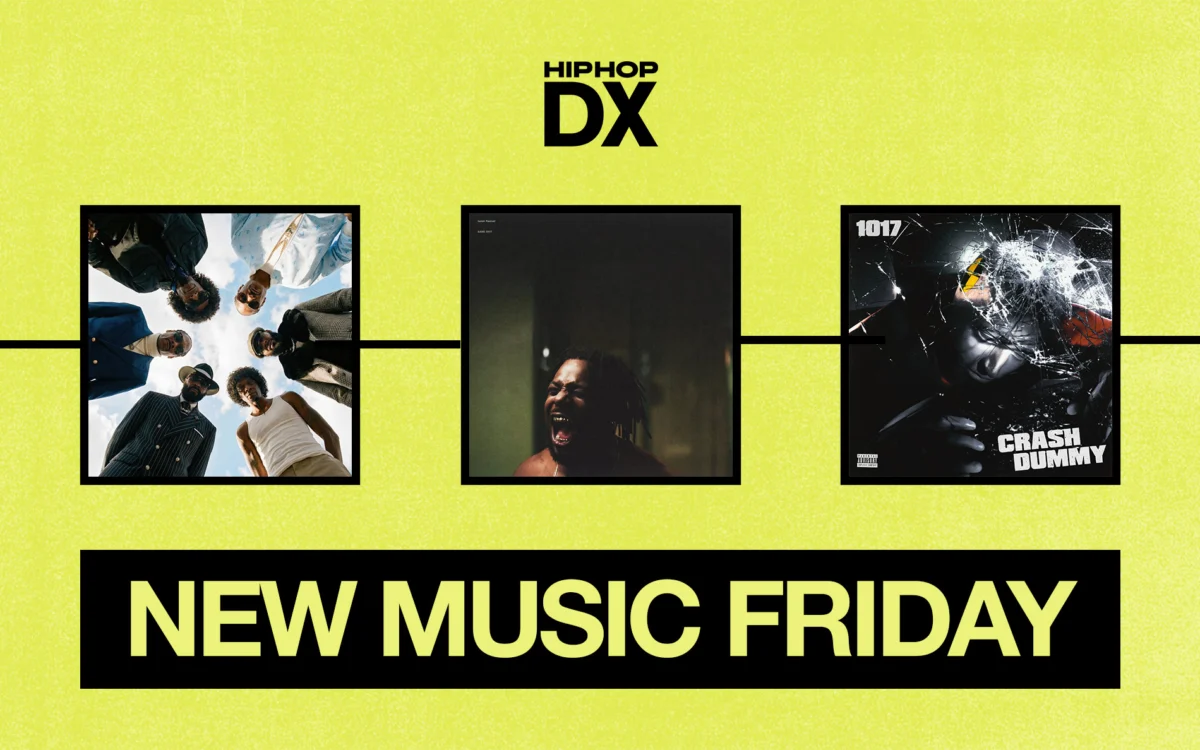
The landscape of contemporary music undergoes a seismic shift this week as several high-profile artists emerge from lengthy hiatuses, while others engage in public feuds that threaten to redefine their professional trajectories. This week’s slate of releases is characterized by a mix of long-awaited comeback projects, strategic collaborations across disparate genres, and pointed lyrical confrontations that highlight the ongoing volatility within the hip-hop industry. From the return of Isaiah Rashad to the explosive diss tracks circulating through the charts, the industry is witnessing a recalibration of power dynamics and artistic direction.
The Return of Isaiah Rashad and TDE’s Strategic Rollout
After a five-year hiatus that left fans speculating about the future of his career, Top Dawg Entertainment (TDE) artist Isaiah Rashad has officially initiated the promotional cycle for his third studio album. The lead single, "Same Sh!t," produced by Don Oskar, Mario Luciano, and Nate Hobden, serves as a quintessential "trunk-rattler" that grounds the artist in his southern roots.
The track’s thematic focus—the feeling of being caught in an inescapable cycle of repetition—parallels the narrative of his upcoming LP, It’s Been Awful, scheduled for release on May 1. For Rashad, this album represents a critical junction. His previous work, The Sun’s Tirade, garnered significant critical acclaim, establishing him as a staple of introspective, melodic rap. The five-year gap between albums is a lifetime in the digital streaming era, where audience retention is notoriously difficult. TDE’s decision to drop "Same Sh!t" now suggests a calculated move to re-establish Rashad’s presence before the saturation of the summer release season.
Gucci Mane and the Escalation of Legal and Personal Conflicts
While some artists focus on artistic evolution, Gucci Mane is utilizing his platform for direct confrontation. His latest release, "Crash Dummy," stands out as the most volatile record of the week. The song is a targeted response to Pooh Shiesty and Big30, both of whom are currently navigating federal charges related to the kidnapping and robbery of the 1017 Records label head earlier this year.
This track is not merely a creative exercise but a reflection of the legal realities currently surrounding the 1017 camp. By addressing the betrayal in his music, Gucci Mane is solidifying a narrative of defiance. In legal terms, the release of such a song while the defendants are awaiting trial is a high-stakes move, as lyrical content can sometimes be scrutinized by prosecutors in criminal proceedings. The track, produced by longtime collaborator Zaytoven, maintains the signature trap aesthetic that defined Gucci Mane’s career, ensuring that the message is delivered through a familiar, heavy-hitting medium.
The Return of DJ Khaled and the Trap Formula
DJ Khaled, known for his "all-star" approach to production, is returning to the spotlight with "One of Them," featuring Future and Lil Baby. This single serves as the lead-off for his 14th studio album, Aalam of God. The track follows the traditional Khaled blueprint: high-profile features from the industry’s most current trap icons, designed to maximize playlist placement and streaming visibility.
However, the delay of this project has led to industry discussions regarding the viability of the "Khaled formula" in a shifting market. With the rapid turnover of viral hits on platforms like TikTok, the reliance on established superstars like Future and Lil Baby is both a safe bet and a risk. By reuniting with these titans, Khaled is attempting to anchor his project in the current cultural zeitgeist, but the success of the album will ultimately depend on whether he can innovate beyond the standard executive-producer model that has dominated his discography for over a decade.
Snoop Dogg and the Death Row Legacy
Snoop Dogg continues his prolific streak following his acquisition of Death Row Records. His latest project, 10 Til’ Midnight, arrives as a companion to the motion picture of the same name. This release is a masterclass in industry networking, featuring a diverse array of collaborators including Pharrell, Swizz Beatz, Erick Sermon, and Rick Rock.
The album functions as a sonic bridge between the G-Funk era and modern production styles. By leveraging his connections with industry veterans and newer artists like Peezy and Trinidad James, Snoop Dogg is effectively curating a brand that spans multiple generations. This project is not just a collection of songs; it is a strategic expansion of the Death Row brand into film and multimedia, mirroring the consolidation strategies seen in major corporate entertainment conglomerates.
Cross-Genre Collaborations and Industry Surprises
The music industry is increasingly moving toward genre-fluidity, a trend underscored by several high-profile link-ups this week. Perhaps most notable is the collaboration between Doechii and Lady Gaga on "Runway," taken from the The Devil Wears Prada 2 soundtrack. The production team, led by Bruno Mars, Andrew Watt, Cirkut, and D’Mile, suggests a mainstream pop-crossover ambition for Doechii. This move mirrors the industry’s broader push to integrate rap artists into high-budget cinematic soundscapes to expand their demographic reach.
Similarly, the collaboration between Kehlani and Missy Elliott on "Back and Forth" signifies a passing of the torch within the R&B/Hip-Hop space. Missy Elliott, an architect of modern production, adds significant credibility to Kehlani’s latest effort, blending legacy prestige with contemporary R&B sensibilities.
The "Like That" Effect: Yasiin Bey’s Freestyle
The cultural impact of the "Like That" beat continues to ripple through the industry, evidenced by Yasiin Bey (formerly Mos Def) releasing a rare freestyle over the Metro Boomin-produced instrumental. By engaging with this specific track—which has become the center of a major industry debate involving Kendrick Lamar, Future, and Metro Boomin—Bey is inserting himself into the current conversation. His decision to drop this via his Substack platform indicates a move toward direct-to-fan distribution models, bypassing traditional streaming gatekeepers. This trend of independent distribution is gaining momentum among veteran artists who prioritize creative control over industry-standard distribution cycles.
Broader Industry Implications and Data Trends
The current wave of releases highlights a significant dichotomy in the industry: the clash between established, long-form album cycles and the "viral-moment" approach. Artists like Joyner Lucas, who dropped ADHD 2 Reloaded featuring a massive list of guests, are leaning into the "maximalist" approach to drive streaming numbers through sheer volume and diverse audience appeal. Conversely, the success of targeted singles like those from Gucci Mane shows that controversy and narrative-driven storytelling remain the most effective drivers of organic engagement.
The inclusion of soundtracks and multimedia companion pieces, as seen with Snoop Dogg and Doechii, demonstrates that the music industry is no longer operating in a vacuum. Music is increasingly functioning as a component of a larger intellectual property ecosystem. As artists navigate the post-pandemic landscape, the ability to integrate their work into films, video games, and short-form video content has become just as important as the quality of the composition itself.
Summary of Major Releases
- Joyner Lucas – ADHD 2 Reloaded: A star-studded project featuring collaborations with Big Sean, Chris Brown, NBA YoungBoy, and others, signaling a bid for commercial ubiquity.
- BossMan Dlow – Chicken Talkin Bastard: A project that emphasizes regional southern rap, featuring G Herbo and DaBaby, aimed at cementing his status in the current street-rap circuit.
- DJ Muggs & T.F. – Don’t Call Me Lucky: A gritty, underground-focused project featuring contributions from Ghostface Killah and Roc Marciano, highlighting the persistent demand for boom-bap and lyrical-heavy production.
- Tink – Fuck, Marry, Kill: An exploration of R&B and rap fusion featuring G Herbo and Bryson Tiller, showcasing the artist’s versatility in blending vocal melody with hard-hitting percussion.
As the industry moves toward the second quarter of the year, these releases serve as a barometer for the health of the hip-hop sector. The balance between legacy acts, emerging talent, and the inevitable return of fan-favorite rappers suggests a robust pipeline of content. However, the reliance on high-profile collaborations and the intensification of public conflicts indicate that in a crowded market, the "event" nature of a release—whether it is a star-studded feature list or a viral diss track—is the primary mechanism for breaking through the noise of the digital age.