 Johan Budi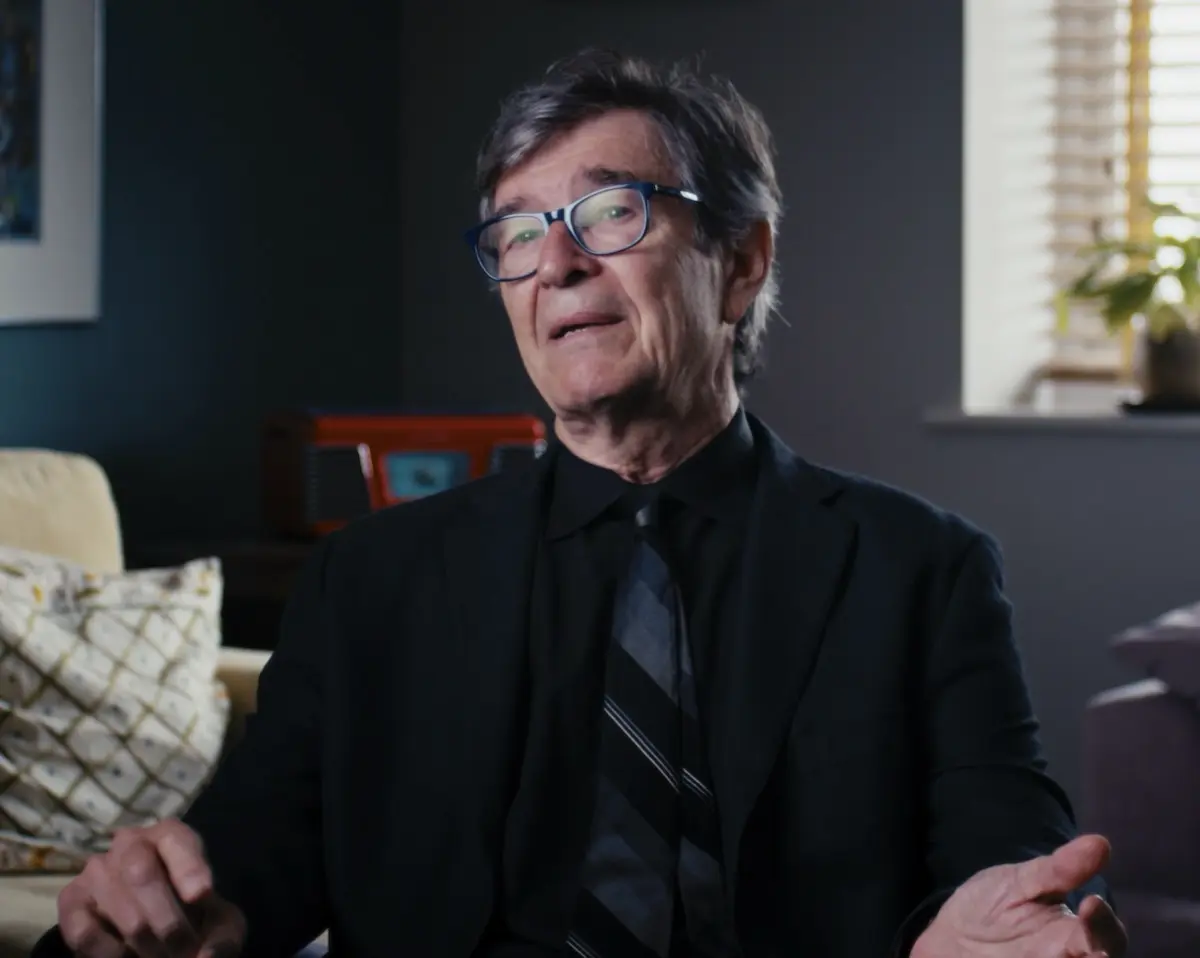
More than half a century has passed since the legendary Dave Brubeck reigned at the absolute zenith of the global jazz world, commanding audiences as both an extraordinary pianist and the visionary leader of the Dave Brubeck Quartet. For younger generations of contemporary jazz enthusiasts, the name may evoke historical reverence rather than immediate sonic familiarity, yet the foundational pillars of his legacy remain securely embedded in the DNA of modern music. Formed in 1951, the original Dave Brubeck Quartet achieved unprecedented commercial and critical acclaim, reaching its creative and popular peak between 1958 and 1967. During this defining era, the ensemble recorded Time Out, a groundbreaking masterwork that secured its place in history as the first jazz album to surpass one million copies in sales. Within that iconic tracklist, Paul Desmond’s composition Take Five endures as one of the most successful and widely recognized jazz recordings in history. Heavily influenced by the French classical composer Darius Milhaud—under whose tutelage he studied—the elder Brubeck paid homage to his mentor by naming his eldest son Darius. Today, that son has stepped firmly into the cinematic spotlight as the central subject of the compelling documentary Playing The Changes, a film that explores not only a famous musical lineage, but also a courageous chapter of cultural activism on the international stage.
The Genesis of a Musical Legacy and Classical Roots
To fully understand the trajectory of Darius Brubeck, one must examine the unique cross-pollination of classical precision and exploratory jazz that defined his household. Dave Brubeck’s studies with Darius Milhaud introduced avant-garde polytonality and complex time signatures into the vernacular of modern jazz, a stylistic evolution that ultimately birthed the revolutionary rhythms of Time Out. When Darius Brubeck was born in San Francisco in 1947, the post-war American cultural landscape was undergoing profound social shifts, marked by urban tensions, civil rights milestones, and the underlying political unrest of the emerging Cold War era. Just four years prior to his birth, the city had witnessed the violent disruptions of the Zoot Suit riots, a flashpoint of racial hostility that underscored the deep-seated societal fractures of mid-century America. Growing up immersed in this artistic and socio-political crucible, the younger Brubeck absorbed a worldview that viewed music not merely as entertainment, but as an essential medium for social cohesion and cross-cultural dialogue. While he inherited his father’s profound musicality, Darius ultimately forged a distinct path that would lead him far beyond the traditional jazz clubs of the United States, steering him directly into the turbulent political realities of late-20th-century South Africa.
A Packed London Premiere and Cinematic Encounters
The cultural resonance of the Brubeck name was vividly demonstrated on a damp Monday evening at the historic Phoenix Cinema in East Finchley, London—widely recognized as one of the oldest and most continuous operating cinematic venues in the United Kingdom. Despite the traditional sluggishness of a Monday night box office, the 196-seat auditorium hummed with anticipation, leaving only a half-dozen empty seats by the time the house lights dimmed. The screening of Playing The Changes served as a rare, one-off cultural event, drawing a discerning crowd of film critics, jazz historians, and dedicated aficionados. Following the screening, the audience participated in an engaging, in-depth question-and-answer session featuring Darius Brubeck himself, acclaimed film critic and cultural commentator Mark Kermode, and the film’s director, Michiel ten Kleij. Observers in the auditorium noted fascinating physical and auditory echoes during the proceedings: while Darius bears a striking facial resemblance to his famous father, his speaking voice carries a melodic, refined cadence reminiscent of the flamboyant pianist Liberace. In a curious twist of aesthetic symmetry, Mark Kermode bore a noticeable physical resemblance to the elder Brubeck, lending a generational continuity to the evening’s panel.
Unpacking Playing The Changes: Structure and Themes
Directed by Michiel ten Kleij, Playing The Changes runs for a tight, highly focused 60 minutes, opening with an evocative 15-minute biographical prologue detailing Darius Brubeck’s formative years in California. However, the documentary quickly broadens its scope, transitioning into an investigative chronicle of Darius’s transformative years in South Africa. In 1983, alongside his South African-born wife Caroline, Brubeck made the momentous decision to relocate to Durban. There, he accepted a faculty position at the University of Natal as a lecturer in jazz studies, embarking on an ambitious mission to establish the very first formal academic degree course in jazz within the country. Operating under the oppressive constraints of the apartheid regime, Brubeck encountered immediate systemic hurdles, yet he persevered by forming five distinct musical ensembles comprising both students and faculty members. By 1989, his academic and cultural contributions were officially recognized with his appointment as professor of jazz studies and director of the newly established Centre for Jazz and Popular Music. Among his most significant achievements was the creation of the Jazzanians, the country’s pioneering multi-racial band, which boldly shattered state-enforced segregationist boundaries through the universal language of improvised music.
Chronology of a Cultural Movement
The timeline of Darius Brubeck’s South African tenure maps directly onto a critical era of transition and eventual collapse for the apartheid state:
- 1947: Darius Brubeck is born in San Francisco, California, amid post-war social turbulence and emerging civil rights movements.
- 1983: Brubeck and his wife, Caroline, relocate to South Africa; he joins the University of Natal in Durban to launch the nation’s inaugural jazz degree program.
- Mid-1980s: Brubeck forms multiple student-faculty ensembles, utilizing music as an integrated space that defied racial segregation laws.
- 1989: He is officially appointed professor of jazz studies and assumes the directorship of the Centre for Jazz and Popular Music.
- 1989: The Jazzanians tour internationally, showcasing South African multi-racial talent on global stages and drawing fierce attention to the cultural boycott of the apartheid regime.
- 2026: The documentary Playing The Changes receives its exclusive London screening at the Phoenix Cinema, prompting renewed scholarly and public interest in Brubeck’s activist legacy.
The Intersection of Jazz and State Politics
The post-screening Q and A session offered profound insights into the ideological underpinnings of the documentary, driven largely by Mark Kermode’s analytical questioning. Kermode directly challenged director Michiel ten Kleij to define the genre of the film, asking whether he had constructed a jazz documentary with political commentary woven throughout, a political film utilizing jazz as a narrative vehicle, or a synthesis of both disciplines. ten Kleij confirmed the third option, noting that the political realities of apartheid South Africa could not be separated from the artistic output of the musicians who lived under its shadow. For historical context, jazz musicians have frequently found themselves on the front lines of social change. Mid-20th-century American bandleaders such as Artie Shaw and Benny Goodman famously battled institutional racism and segregated venues across the United States decades earlier. However, the hurdles Brubeck faced in South Africa operated under the codified, totalitarian mechanisms of state-sponsored apartheid, where interracial music-making was not merely discouraged by social convention, but actively criminalized by the state. The documentary captures the immense personal and professional risks undertaken by Brubeck and his students, illustrating how the collaborative nature of jazz improvisation serves as a natural blueprint for democratic equality and mutual respect.
Modern Perspectives and Ongoing Implications
Today, Darius Brubeck has permanently settled in the United Kingdom, where he remains an active and vibrant force in the contemporary European jazz circuit. He continues to perform regularly with the Darius Brubeck Quartet, as well as through special collaborative projects such as Take Five, where acclaimed saxophonist Dave O’Higgins expertly steps into the stylistic shoes originally worn by the late Paul Desmond. Industry analysts and jazz critics who have viewed Playing The Changes have universally praised its economic storytelling and emotional resonance, noting that it fills a crucial gap in the historiography of modern jazz diplomacy. By highlighting the educational and institutional frameworks Brubeck built in Durban, the film demonstrates how arts education can destabilize authoritarian control from within. The broader implications of the documentary extend far beyond niche music circles, offering a timely reminder of the resilience required to maintain artistic integrity under oppressive political regimes. As cultural institutions worldwide grapple with questions of representation, equity, and freedom of expression, the story of Darius Brubeck’s South African tenure stands as a masterclass in using creative collaboration as a tool for permanent social transformation. Playing The Changes succeeds not merely as a nostalgic tribute to a famous musical dynasty, but as a vital historical document that cements the Brubeck name at the intersection of musical excellence and human liberation.