 Jia Lissa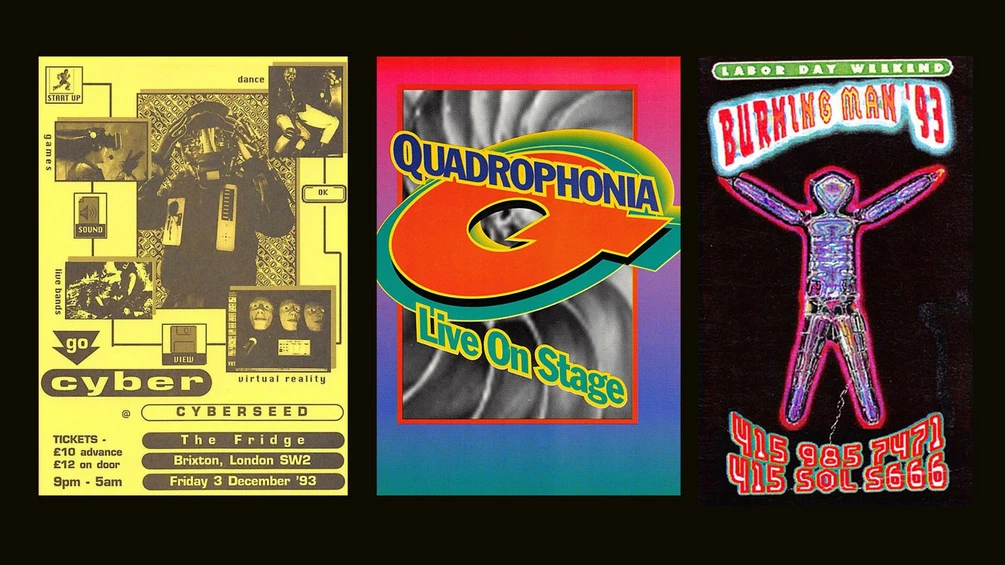
The Rave Preservation Project (RPP), a leading online repository dedicated to chronicling the rich and often ephemeral history of global rave culture, has announced a significant upgrade to its platform, introducing a new directory and advanced discovery tools designed to profoundly improve user experience and accessibility. This strategic enhancement marks a pivotal moment for the archive, which aims to centralize and safeguard the diverse elements of electronic music’s past for future generations.
A New Epoch for Discovery and Connection
At the heart of RPP’s latest update is a meticulously crafted directory, conceptualized as a dynamic hub for discovery within the expansive electronic music ecosystem. This new feature is engineered to foster greater connectivity, enabling artists, promoters, record labels, venues, and other integral members of the scene to effectively broaden their reach and engage with a wider, more global audience. The directory now supports comprehensive listings that can embed direct media links, allowing visitors to seamlessly access a vast array of archival music and video content from popular streaming and distribution platforms such as YouTube, SoundCloud, Bandcamp, Spotify, and Apple Music – all from a single, centralized location. This consolidation addresses a long-standing challenge in the digital music landscape, where content is often scattered across multiple, disparate services.
Complementing the directory are significantly updated galleries, which have been refined to offer users an intuitive and immersive experience for browsing, exploring, and contributing to the preservation of visual memorabilia. These galleries serve as a vibrant testament to the aesthetic and cultural evolution of rave, housing everything from iconic event flyers and posters to intricate artwork. Furthermore, the platform’s search function has undergone substantial improvements, enhancing precision and efficiency, thereby making it easier for users to pinpoint specific events, artists, or artifacts within the extensive archive. These combined improvements reflect a clear commitment to fostering a more navigable, engaging, and comprehensive resource for enthusiasts, researchers, and industry professionals alike.
The Genesis of a Digital Archive: Matthew Johnson’s Vision
The Rave Preservation Project was first established in 2013 by Oregon-based archivist Matthew Johnson, born from a deep-seated recognition of the urgent need to document and preserve a culture whose artifacts were often transient and at risk of being lost to time. Johnson’s initial vision was to create a digital repository that would counteract the ephemeral nature of rave events and their associated memorabilia. What began as a passionate, grassroots initiative has since blossomed into a monumental digital archive, now boasting an impressive collection of over 40,000 items of rave memorabilia. This vast collection encompasses a kaleidoscopic array of flyers, posters, photographs, artworks, and other cultural artifacts, each telling a unique story from the global history of electronic music.
From its humble beginnings, the website has undergone continuous expansion and refinement. Over the years, RPP has evolved from a simple repository into a dynamic, community-driven platform. It now actively encourages figures within the electronic music scene – from pioneering DJs and producers to event organizers and visual artists – to establish their own dedicated pages, log their work, and contribute their unique perspectives and artifacts to the growing historical record. This collaborative approach has been instrumental in enriching the archive’s depth and breadth, transforming it into a living, breathing testament to a vibrant cultural movement. Johnson’s foresight in building a platform that not only preserves but also facilitates community engagement has cemented RPP’s status as an invaluable resource for cultural heritage.
The Imperative of Preservation: Understanding Rave Culture’s Significance
Rave culture, which burgeoned in the late 1980s and early 1990s, particularly in the UK and subsequently across Europe, North America, and beyond, represents a pivotal moment in contemporary youth culture and music history. It was a movement characterized by its distinct music genres (acid house, techno, jungle, drum & bass), its unique visual aesthetics, and its powerful ethos of unity, freedom, and collective euphoria. These clandestine gatherings, often held in abandoned warehouses, fields, and illicit venues, fostered a sense of community and liberation that profoundly impacted social norms and artistic expression.
However, the very nature of these events – often decentralized, unsanctioned, and operating on the fringes of mainstream society – meant that much of their documentation was informal, fleeting, and highly susceptible to loss. Event flyers, for instance, were not merely promotional tools; they were intricate pieces of graphic art, often hand-drawn or creatively designed, reflecting the unique visual language of the scene. They served as physical touchstones, capturing the spirit, the lineup, and the clandestine details of an event that might only exist for a single night. Without dedicated preservation efforts, these invaluable primary sources, crucial for understanding the sociological, artistic, and musical evolution of the era, would gradually fade into obscurity.
The Rave Preservation Project directly addresses this critical need. It acts as a digital custodian for a cultural phenomenon that, despite its massive global impact, has often been overlooked by traditional archival institutions. By creating a centralized, accessible platform, RPP ensures that the rich tapestry of rave culture is not only saved but also made available for academic research, artistic inspiration, and the collective memory of its participants and future generations. This mission is particularly vital in an age where digital content is often transient, spread across myriad social media platforms, and vulnerable to deletion or decay.
Technological Innovation and Enhanced User Experience
The recent platform enhancements by RPP underscore a sophisticated understanding of contemporary digital archiving challenges and user expectations. The integration of media links from various streaming services represents a significant technological leap. It tackles the prevalent issue of content fragmentation head-on, providing a unified portal where users can not only discover historical artifacts but also immediately experience the auditory and visual content associated with them. This seamless integration eliminates the need for users to navigate away from the RPP site to consume related media, drastically improving the user journey and fostering deeper engagement. This functionality requires robust APIs and careful management of external platform dependencies, a testament to the technical prowess behind the updates.
The redesigned galleries, with their improved browsing capabilities, cater to both casual explorers and dedicated researchers. Features such as enhanced filtering, categorization, and high-resolution image viewing ensure that the visual artistry of rave flyers and other memorabilia can be appreciated in detail. Similarly, the advancements in the search function, likely incorporating more sophisticated metadata tagging and algorithmic improvements, enable users to conduct more precise and efficient queries, transforming the process of finding specific items from a daunting task into an intuitive exploration. These improvements are not merely cosmetic; they are fundamental to transforming RPP into a more powerful and user-friendly academic and cultural resource.
Voices from the Scene and Expert Commentary
The team behind the Rave Preservation Project articulates the driving philosophy behind these updates, stating: “Electronic music culture is often spread across social platforms, short-lived posts, and fragmented links. Rave Preservation Project is building a more durable system that helps people find artists, preserve memorabilia, and experience content without leaving the platform.” This statement succinctly captures the core problem RPP seeks to solve: the ephemeral and decentralized nature of modern digital cultural output. By creating a "durable system," RPP positions itself as a long-term solution to the challenges of digital cultural heritage.
While no direct external statements were provided in the original brief, it is logical to infer positive reactions from various stakeholders. Artists and promoters within the electronic music community would likely welcome the new directory as a valuable tool for discoverability and networking, particularly in a saturated digital landscape. For independent artists and smaller labels, a platform like RPP offers a curated, historical context that often gets lost amidst the algorithmic noise of mainstream platforms. Digital preservation experts would commend RPP’s efforts as a model for safeguarding subcultural heritage, emphasizing the importance of community-led initiatives in filling gaps left by traditional institutions. Music historians and sociologists would view RPP as an increasingly vital primary source, offering unparalleled access to a rich trove of cultural artifacts for academic research into youth movements, music evolution, and graphic design trends. The platform effectively democratizes access to historical data, moving it beyond specialized archives into the public domain.
Broader Implications: Legacy, Research, and the Future of Digital Heritage
The implications of RPP’s continuous development extend far beyond simply archiving old flyers. Firstly, it plays a crucial role in shaping the cultural legacy of electronic music. By providing a comprehensive and accessible narrative, RPP ensures that future generations can understand the origins, evolution, and profound impact of rave culture, preventing its reduction to mere anecdotes or mischaracterizations. This preservation is vital for maintaining an accurate and nuanced historical record.
Secondly, RPP serves as an indispensable resource for academic research. Scholars studying musicology, sociology, art history, and digital humanities can leverage its extensive collection to analyze cultural trends, socio-political contexts, and artistic innovations. The ability to cross-reference event details with associated music, visual art, and community interactions provides a rich dataset for interdisciplinary studies. The platform also offers a model for how other niche cultural movements, often marginalized by mainstream historical accounts, can be effectively documented and preserved using digital tools.
Furthermore, RPP’s approach to centralizing fragmented online content offers valuable lessons for the broader field of digital heritage. As more of our cultural output becomes "born digital" and spread across diverse, often proprietary, platforms, the challenge of long-term preservation and accessibility grows. RPP demonstrates a proactive strategy for aggregating, contextualizing, and presenting this disparate information in a cohesive and user-friendly manner. However, the project also faces ongoing challenges, including securing sustainable funding for server costs and technical maintenance, navigating complex copyright issues related to user-contributed content, and continuously adapting to rapidly evolving digital technologies.
Contextualizing Preservation: Tangible vs. Digital Artifacts
The ongoing efforts of the Rave Preservation Project exist within a broader ecosystem of cultural preservation, which includes both digital and tangible artifacts. This dichotomy is highlighted by recent news within the electronic music world. For instance, a collection of rare rave memorabilia from the "Members Only" archive is currently up for auction, with an estimated value of £80,000. This exemplifies the significant monetary and historical value placed on physical artifacts, underscoring their tangible connection to the past. These physical items, with their unique textures, printing imperfections, and signs of age, offer a different kind of historical experience compared to their digital counterparts.
Similarly, last year saw the publication of a new book of classic acid house and rave flyers from 1988–89, curated by collector Dave Nicholson and published by Velocity Press. Nicholson’s work, which DJ Mag featured in an interview, represents another crucial method of preservation – the curated physical publication. Such books not only preserve the visual art but also often provide critical commentary and historical context from those who lived through the era.
RPP complements these physical preservation efforts by making these artifacts globally accessible and searchable in a digital format. While the auction of a physical collection highlights its scarcity and value, RPP democratizes access to similar (and often the same) content, ensuring that the history is not only for those who can afford rare collectibles. The digital archive also provides a platform for continuous contribution and expansion, something static physical collections or books cannot offer. Together, these varied approaches – digital archives, physical auctions, and curated publications – form a robust framework for safeguarding the multifaceted history of rave culture.
In conclusion, the Rave Preservation Project’s latest updates represent a significant leap forward in its mission to document, preserve, and make accessible the global history of electronic music. By enhancing discovery, centralizing fragmented content, and fostering community engagement, RPP continues to build a vital cultural legacy that bridges the past with the present and future of rave culture. Its ongoing work serves as a powerful reminder of the importance of dedicated digital archiving in an increasingly digital world. Explore the site at www.ravepreservationproject.com to experience these new features and delve into the rich history of rave culture.