 Lana Akmaluna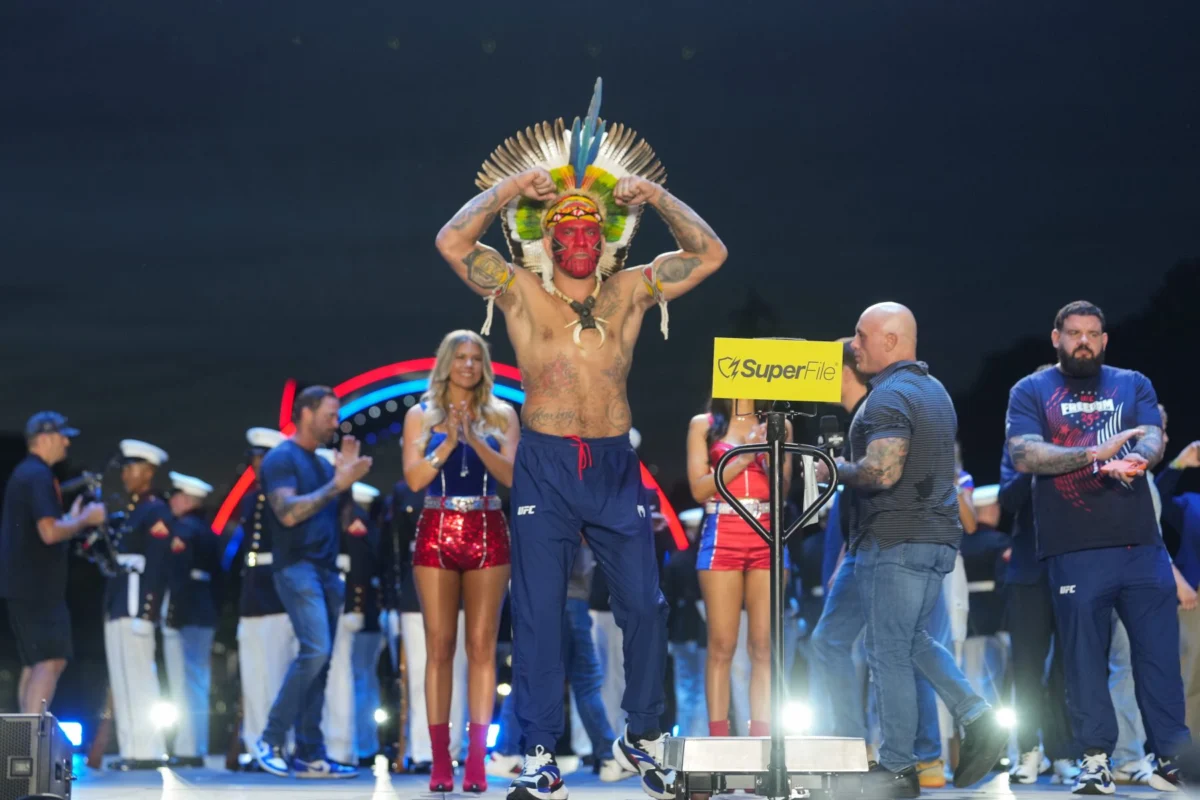
The Ultimate Fighting Championship (UFC) walkout has evolved from a mere logistical necessity into a profound platform for cultural expression, where athletes articulate their identity, heritage, and psychological intent before a single strike is exchanged. This phenomenon is currently taking center stage as the promotion prepares for Noche UFC on September 12, 2026, at the Desert Diamond Arena in Glendale, Arizona. Announced by UFC officials on July 20, the event continues a high-stakes tradition established in 2023 to honor Mexican Independence Day. For the fighters on the card, the selection of walkout music is not merely a matter of personal preference but a strategic act of "cultural work," utilizing rhythms rooted in Latin American history to command the energy of the arena and signal their lineage to a global audience.
The Evolution of Noche UFC and the Cultural Calendar
The 2026 iteration of Noche UFC represents the fourth year of the promotion’s dedicated focus on the Mexican Independence Day weekend, a period traditionally dominated by major boxing events. By reclaiming this date, the UFC has signaled its intent to solidify its footprint within the Latin American market, which remains one of the most passionate and fastest-growing demographics in combat sports. The transition of Noche UFC from the high-tech confines of the Las Vegas Sphere in 2024 to the Desert Diamond Arena in Glendale underscores the promotion’s strategy of bringing marquee cultural events to regions with high Hispanic and Latino populations.
The historical trajectory of this event series began as a tribute to the "fighting spirit" of Mexico but has since broadened to celebrate the wider spectrum of Latin American identity. This expansion is reflected in the diverse roster of athletes who utilize the walkout to bridge the gap between their training camps and their ancestral homes. As noted by industry analysts, the walkout serves as a "pre-fight ritual" that builds a narrative arc for the viewer, transforming a sports competition into a theatrical display of national and cultural pride.
The Strategic Power of the Walkout Song
In a 2020 feature, UFC.com highlighted that the most effective walkout songs are those that reflect a fighter’s "personality, culture, or motivations." In the context of Noche UFC, this reflection takes on a heightened significance. A fighter entering the Octagon to the strains of a mariachi standard, a rhythmic salsa, or a pulsing dembow beat is doing more than choosing a soundtrack; they are claiming a territory.
For the audience, these songs provide immediate context. They can turn a neutral arena into a home-field advantage by tapping into the collective memory of the fans. Whether it is a nod to a specific neighborhood in Mexico City, a tribute to the coastal rhythms of Brazil, or the urban sounds of the Caribbean, the music acts as a signal. It tells the crowd where the fighter comes from and, more importantly, who they are fighting for. In a sport that increasingly prioritizes "identity-driven spectacle," Latin music has emerged as one of the most potent tools in the UFC’s promotional arsenal.
Alex Pereira and the "UFC Freedom" Context
The current landscape of the UFC is also shaped by high-profile intersections of sports and national celebration. On June 13, 2026, the promotion held the "UFC Freedom 250 Fan Fest" on The Ellipse in Washington, D.C., ahead of a historic fight card on the South Lawn of the White House. This event, hosted by President Trump on his 80th birthday, was framed as a "once-in-a-generation celebration of the American fighting spirit."
Among the central figures of this era is UFC heavyweight champion Alex Pereira. While Pereira is known for his stoic demeanor, his walkout presence is defined by his indigenous Brazilian roots. At the ceremonial weigh-ins for UFC Freedom 250, Pereira’s presence served as a reminder of how the promotion’s stars use their platforms to represent diverse heritages within a global framework. While his music often incorporates traditional chants or heavy metal with Brazilian influences, the "cultural work" remains the same: asserting a distinct identity in a crowded marketplace.
Ten Athletes Defining the Latin Soundscape in the Octagon
The following ten fighters exemplify the diverse ways Latin music is used to craft a fighter’s persona. These athletes have consistently used their walkout selections to honor their roots and energize their fan bases.
1. Alexa Grasso
As the first Mexican woman to hold a UFC title, Grasso’s walkouts are often celebratory yet focused. She frequently leans into traditional Mexican sounds that resonate with the "tapatía" pride of her native Guadalajara. Her music choices serve as a bridge between the old-school warrior tradition and the modern excellence of female MMA.
2. Brandon Moreno
The former flyweight champion is synonymous with his "The Assassin Baby" persona. Moreno has famously walked out to "El Son de la Negra," a quintessentially Mexican folk song that immediately electrifies the crowd. The choice is a deliberate embrace of his heritage, turning every arena into a piece of Tijuana.
3. Brian Ortega
Representing the Mexican-American experience, Ortega often selects music that reflects his Southern California upbringing and his Mexican roots. His walkouts are known for their cinematic quality, blending urban grit with cultural pride, signaling his status as a bridge between two worlds.
4. Chito Vera
Ecuador’s biggest MMA star, Marlon "Chito" Vera, uses his walkouts to put his nation on the map. By selecting tracks that resonate with the rhythms of Ecuador and the broader Latin urban scene, Vera ensures that his identity as a representative of South American grit is front and center.
5. Ilia Topuria
Though representing Georgia and Spain, Topuria’s rise has been fueled by his connection to the Spanish-speaking world. His walkouts often incorporate sounds that appeal to the European Latin diaspora, blending intensity with the flair associated with the Iberian Peninsula’s fighting culture.
6. Julianna Peña
"The Venezuelan Vixen" has long used her platform to highlight her heritage. Her walkout music often serves as a defiant statement of her roots, particularly during times of political or social significance for the Venezuelan people, proving that the walkout can also be a form of advocacy.
7. Raul Rosas Jr.
As one of the youngest fighters in the promotion, Rosas Jr. represents the next generation of Mexican talent. His music choices often lean toward contemporary regional Mexican genres like Corridos Tumbados, reflecting the tastes of a younger demographic while maintaining a firm grip on traditional identity.
8. Santiago Ponzinibbio
The "Argentine Dagger" brings the passion of South American football culture to the Octagon. His walkouts are often high-energy affairs that reflect the intense national pride of Argentina, utilizing rock and folk elements that mirror the country’s unique cultural landscape.
9. Yair Rodriguez
"El Pantera" is known for some of the most visually and sonically striking walkouts in the UFC. Often wearing traditional attire or carrying the Mexican flag, his music selections—ranging from dramatic mariachi to modern anthems—are designed to evoke the history of the Mexican warrior.
10. Yoel Romero / Jorge Masvidal (Legacy Influence)
While the roster fluctuates, the influence of fighters like Masvidal and Romero remains. Their use of salsa and Caribbean rhythms (such as "El Apache") redefined what a walkout could be, proving that a fighter could be both terrifying and rhythmic, bringing a "party" atmosphere that masked a lethal intent.
The Broader Impact: Economics and Global Branding
The emphasis on cultural identity through music is not just a creative choice; it is a business imperative. As the UFC expands its digital footprint through platforms like UFC Fight Pass and global broadcast partnerships, the "spectacle" of the walkout becomes a sharable, viral moment. Music rights and cultural branding allow the UFC to market specific fighters to specific regions with surgical precision.
According to data from the 2025 fiscal year, events branded with cultural themes—such as Noche UFC—see a 15% higher engagement rate on social media platforms in Latin American markets compared to standard numbered events. This engagement is driven largely by the "pre-fight" content, where the music and the athlete’s entrance are the primary focus.
Furthermore, the promotion’s ability to host events at venues like the White House or the Desert Diamond Arena highlights its status as a mainstream cultural powerhouse. By integrating the "American fighting spirit" with the diverse traditions of its international roster, the UFC creates a product that feels both national and global.
Conclusion: The Resonance of the Walkout
As Noche UFC approaches on September 12, the focus will inevitably shift to the technical matchups and championship implications. However, the moments preceding the first bell will offer the most profound insight into the athletes’ psyches. Through the strategic use of Latin American music, these fighters will perform the essential task of claiming their identity. In the high-stakes environment of professional fighting, where everything can be lost in a second, the walkout remains a permanent statement of who these athletes are and where they come from. The rhythm of the Octagon is, increasingly, the rhythm of a diverse and proud heritage.