 Lana Akmaluna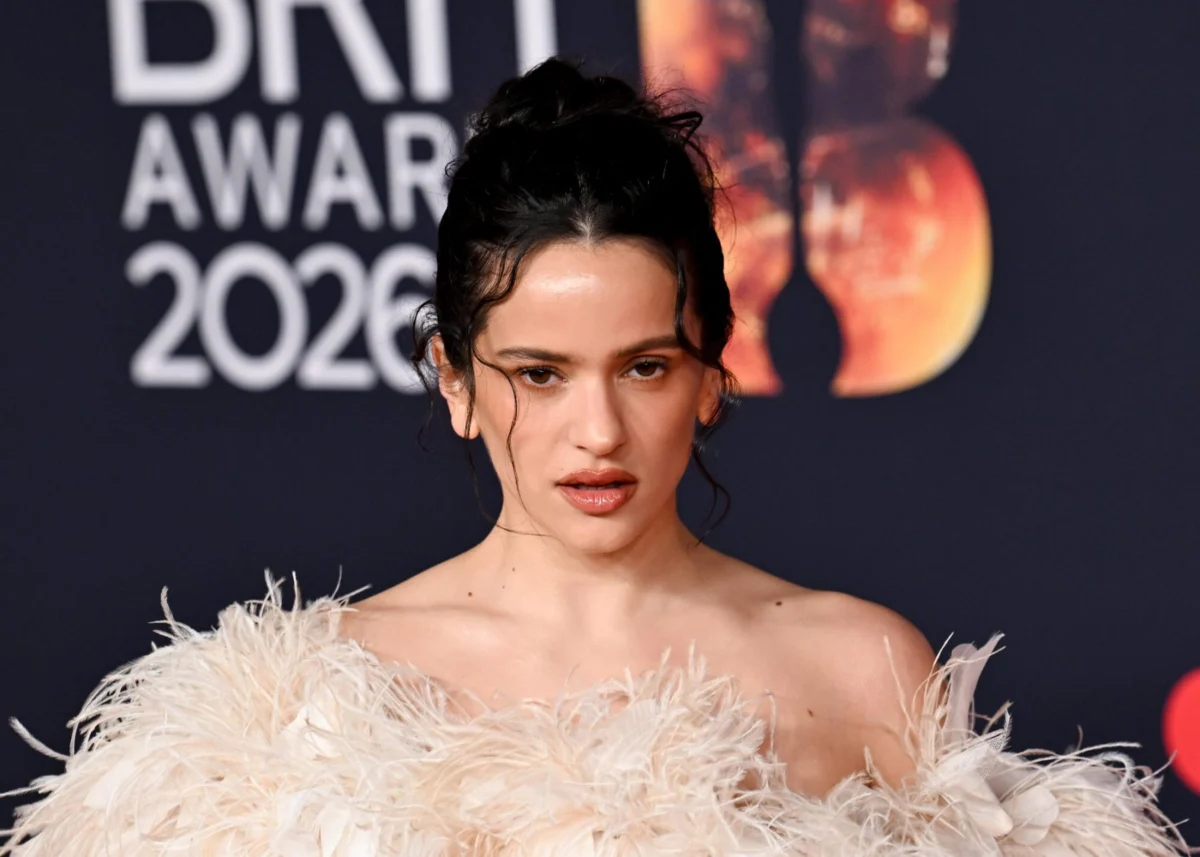
The international music community and sports world intersected in a moment of significant tension this week as Spanish singer-songwriter Rosalía addressed a growing controversy involving her Argentine fanbase. The friction follows the conclusion of the 2026 FIFA World Cup, where Spain emerged victorious over Argentina in a high-stakes final held on July 19 at MetLife Stadium in East Rutherford, New Jersey. The Grammy-winning artist, currently in the midst of her high-profile LUX World Tour, found herself at the center of a digital firestorm after sharing social media content that many of her Latin American followers interpreted as a slight against the Argentine national team and its supporters.
The Catalyst of the Controversy: A Social Media Misstep
The controversy began when Rosalía reposted a video to her Instagram Stories originally created by social media personality and influencer Mia Khalifa. In the short video, Khalifa is seen lip-syncing to "La Perla," a track by Rosalía that delves into themes of moving on from a toxic and narcissistic relationship. Khalifa, an outspoken supporter of the Spanish national team throughout the tournament, captioned the video with a pointed remark: “How life sounds now that the perlas have been defeated.”
Given the timing of the post—shortly after Spain’s victory over Argentina—the term "perlas" (pearls) was widely interpreted by fans as a derogatory reference to the Argentine squad or its supporters. For many in Argentina, where football is deeply intertwined with national identity and pride, the reposting of such content by a major Spanish artist was viewed as an endorsement of the mockery. The reaction was instantaneous, with social media platforms becoming a staging ground for a heated debate regarding cultural respect and the responsibilities of international celebrities during major sporting events.
Timeline of Events and Fan Reaction
The 2026 FIFA World Cup final on July 19 served as the backdrop for this incident. As Spain secured its title, the atmosphere in both nations reached a fever pitch. Rosalía’s repost occurred in the weeks following the match, but its impact was amplified by her upcoming professional commitments in South America. The artist is scheduled to perform at the Movistar Arena in Buenos Aires on August 1, a marquee stop on her LUX World Tour.
Following the repost, Rosalía’s social media accounts were flooded with thousands of comments from disappointed fans. The sentiment among the Argentine public shifted rapidly from anticipation for her concert to calls for a boycott. Many users expressed intentions to return their tickets, citing a lack of respect for their country.
"The apology came 24 hours late. I don’t think it’s valid," one user noted on Instagram, reflecting a common sentiment that the damage to the artist’s reputation had already been sustained. Another commenter stated, "If there is no respect for my country, there is no audience for these artists," emphasizing the transactional nature of the fan-artist relationship in the context of national pride. The phrase "Argentina neither forgets nor forgives" trended briefly among local fan circles, highlighting the intensity of the backlash.
The Artist’s Response and Clarification
Recognizing the potential impact on her upcoming tour dates and her long-term relationship with one of her most loyal fanbases, Rosalía issued a multi-part apology via her Instagram Stories on Wednesday, August 22. The singer sought to distance herself from the perceived intent of the original post, citing a misunderstanding of the content she had shared.
“I shared it because ‘La Perla’ was playing and I didn’t even read what it said. My bad, I’m sorry,” Rosalía wrote in her first post, which notably included an emoji of the Argentine flag as a gesture of reconciliation. In a subsequent post, she attempted to reinforce her affinity for the nation, stating simply, “I only have love for Argentina.”
The artist’s team has remained largely silent beyond these personal statements, though industry analysts suggest the move was a necessary step in crisis management. For an artist of Rosalía’s caliber, whose brand is built on a fusion of Spanish heritage and global—particularly Latin American—influences, alienating a market as significant as Argentina could have long-term commercial and cultural repercussions.
Contextualizing the 2026 FIFA World Cup and Regional Rivalries
To understand the depth of the fans’ reaction, one must consider the immense stakes of the 2026 FIFA World Cup. As the first tournament to feature 48 teams and be hosted across three nations—the United States, Mexico, and Canada—the event captured unprecedented global attention. The final between Spain and Argentina was a "dream match" for broadcasters and fans alike, pitting the technical prowess of the Spanish "La Roja" against the defending 2022 champions, Argentina’s "La Albiceleste."
The sporting rivalry between Spain and Argentina is underpinned by a complex shared history and cultural exchange. While both nations share a language and deep artistic ties, the football pitch often serves as a venue for asserting national distinctiveness. For Argentine fans, the loss in the final was a moment of national mourning; for a Spanish icon like Rosalía to appear to celebrate that loss through a third party’s mocking lens was, for many, an unacceptable breach of the "artistic neutrality" often expected of global stars.
Analytical Perspective: The Intersection of Music, Sports, and Social Media
This incident serves as a case study in the volatility of the digital age, where a single "repost" can bypass traditional PR filters and ignite a transnational controversy. Rosalía’s defense—that she shared the clip because of her music without reading the caption—highlights a common pitfall for celebrities who engage directly with fan-generated content or influencer posts.
From a PR standpoint, the 24-hour delay noted by fans is a critical metric. In the era of real-time communication, a delay in responding to a burgeoning crisis is often interpreted as indifference. However, the singer’s decision to use the Argentine flag and express "only love" is a standard tactic used to pivot from a specific mistake to a broader sentiment of appreciation.
The impact on the LUX World Tour remains to be seen. While some fans have remained steadfast in their criticism, others have come to the singer’s defense. "Are you seriously going to bully her… have you never made a mistake?" one supporter asked, pointing to the often-unforgiving nature of online "cancel culture." For the organizers of the Buenos Aires concert at the Movistar Arena, the primary concern will be ensuring that the event proceeds without disruption and that the artist’s safety and the audience’s experience are maintained.
Supporting Data: Rosalía’s Economic and Cultural Footprint in Argentina
Argentina has historically been one of Rosalía’s strongest markets outside of Spain and the United States. During her 2022 Motomami World Tour, her performances in Buenos Aires were sold-out events, praised by local critics for their innovative production and the artist’s ability to connect with the local "pibe" culture.
According to streaming data from platforms like Spotify and YouTube, Buenos Aires consistently ranks among the top five cities globally for Rosalía’s monthly listeners. This high level of engagement explains why the backlash was so swift and why the artist felt compelled to issue a direct apology. The Argentine music market is known for its passionate and protective nature, often rewarding artists who show genuine appreciation for local customs and sentiments while being equally quick to criticize perceived slights.
Implications for Future International Tours
As the dust settles on this specific incident, it raises broader questions about how international artists navigate the tribalism of global sports. As music becomes increasingly globalized, artists are more likely to find themselves caught in the crossfire of nationalistic fervor, especially during events as large as the FIFA World Cup.
For Rosalía, the upcoming August 1 performance in Buenos Aires will be a pivotal moment. It will serve as a barometer for whether her apology was sufficient to mend the rift or if the "perla" controversy will cast a shadow over her South American leg. Industry observers will be watching closely to see if ticket resale prices fluctuate or if the artist incorporates any special tributes to Argentina during her set to further appease the local audience.
In the broader landscape of celebrity culture, the incident underscores the reality that in a hyper-connected world, there is no such thing as a "local" or "accidental" post. For an artist whose work celebrates the breaking of boundaries, the 2026 World Cup controversy serves as a reminder of the boundaries that still exist in the hearts of fans worldwide.