 Jia Lissa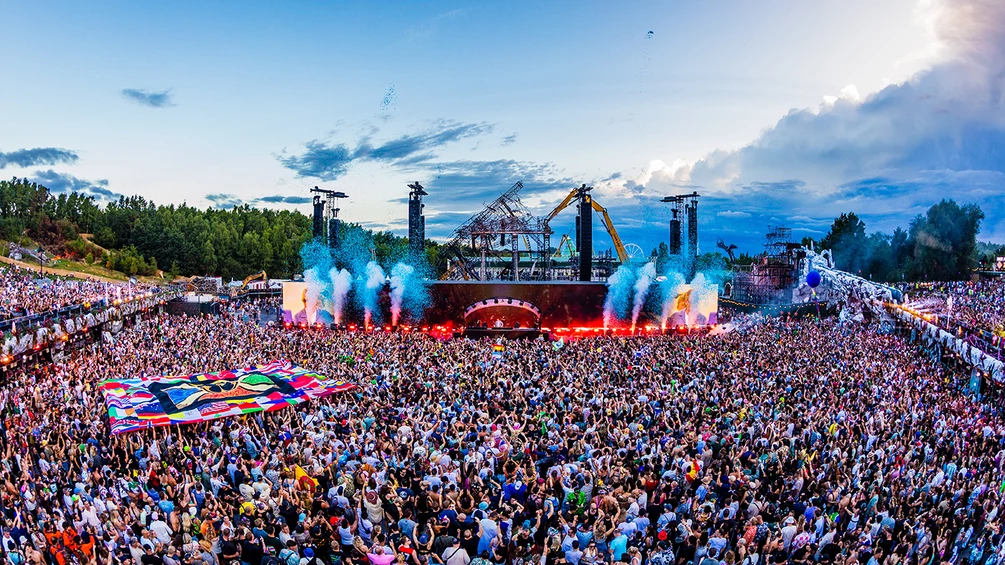
As the global electronic music community turns its gaze towards Boom, Belgium, for the eagerly anticipated Tomorrowland 2026, the initial weather forecasts for the festival’s opening weekend are largely optimistic, promising a conducive environment for the thousands of attendees. The iconic festival, renowned for its immersive themes, spectacular stages, and unparalleled lineup, is set to commence its first of two weekends on Friday, 17th July, with meteorological predictions suggesting a blend of mild conditions, sunshine, and only a minimal chance of precipitation. This early outlook offers a sense of reassurance to both organizers and "People of Tomorrow" preparing for an unforgettable experience.
Detailed Forecast for Weekend One (17th – 19th July)
The opening day of Tomorrowland 2026, Friday, 17th July, is expected to greet festival-goers with pleasant temperatures. According to projections from BBC Weather, the mercury is anticipated to reach a comfortable 26°C. While there is a forecast for some light rain, this is expected to be intermittent and minor, accompanied by a gentle breeze. Such conditions are generally considered ideal for outdoor events, allowing for comfortable movement and enjoyment without excessive heat or disruptive downpours. Festival-goers are advised to consider light, breathable clothing and perhaps a compact poncho or rain jacket as a precautionary measure, though heavy rain gear is not currently indicated as necessary.
As the weekend progresses, conditions are set to improve further. Saturday is predicted to bring drier weather, characterized by mild sunshine and moderate winds. Temperatures for Saturday are expected to peak around 23°C, creating an optimal setting for exploring the festival grounds, from the grandeur of the Mainstage to the intricate designs of the smaller, genre-specific arenas. These moderate conditions minimize the risk of heat-related issues while providing enough warmth for comfortable outdoor activities. Sunday, the closing day of the first weekend, is forecasted to maintain a similar pattern. Temperatures are expected to reach up to 21°C, offering a pleasant backdrop for the weekend’s grand finale, which will see Mainstage headliners Calvin Harris, John Summit, and Alesso deliver their closing sets, drawing thousands to dance under the Belgian sky. The consistently mild temperatures and reduced chance of significant rainfall across the first weekend are positive indicators for ground conditions, helping to prevent the notorious mud that can sometimes plague large-scale outdoor festivals.
Anticipating Weekend Two (24th – 26th July)
While the weather outlook for the second weekend of Tomorrowland 2026, scheduled for 24th to 26th July, is subject to change given the longer forecasting window, current predictions offer a generally favorable, albeit slightly varied, picture. BBC Weather’s initial long-range forecast suggests temperatures could climb to a warmer 29°C, with the possibility of some light drizzle. This indicates a slightly hotter environment than the first weekend, which could necessitate increased hydration efforts and shade-seeking by attendees.
In contrast, The Weather Channel presents a more unequivocally positive outlook for the second weekend, currently forecasting no rain whatsoever. This discrepancy highlights the inherent challenges and evolving nature of long-range weather prediction, particularly in regions known for their variable summer climates like Belgium. Festival organizers and attendees alike will closely monitor these forecasts as the second weekend approaches, as even slight shifts can significantly impact the festival experience. A rain-free forecast would be welcomed by all, ensuring optimal conditions for performances and crowd movement, while warmer temperatures would place a greater emphasis on public health measures such as readily available water stations and medical support for heat-related concerns. The divergence in predictions underscores the importance of consulting multiple reputable meteorological sources and staying updated through official festival channels for the most current information.
The Enduring Legacy of Tomorrowland: A Global Phenomenon
Tomorrowland’s journey from a nascent local festival in 2005 to a global behemoth in electronic dance music is a testament to its visionary creators, ID&T and We Are One World. Conceived as a celebration of unity, love, and music, the festival has meticulously crafted an immersive fantasy world that transcends mere musical performances. Its elaborate stage designs, often likened to fantastical architectural marvels, combined with cutting-edge pyrotechnics, laser shows, and intricate storytelling, create an experience unparalleled in the festival circuit. Each year, a new theme is introduced, weaving a narrative through the festival’s aesthetics and atmosphere, further drawing attendees into its magical realm.
The festival typically hosts over 400,000 attendees across its two weekends, representing more than 200 nationalities. This diverse gathering of "People of Tomorrow" from every corner of the globe contributes to its unique, inclusive atmosphere. Beyond the music, Tomorrowland has cultivated a powerful brand identity, spawning international editions like TomorrowWorld in the USA and Tomorrowland Winter in France, along with a digital platform, ‘Tomorrowland Around the World,’ which expanded its reach during periods of global restriction. Its economic impact on the Flanders region and Belgium as a whole is substantial, generating hundreds of millions of euros annually through tourism, employment, and local procurement. The logistical undertaking of transforming the recreational area of De Schorre in Boom into this temporary city of dreams is immense, involving thousands of staff, intricate infrastructure, and meticulous planning, all of which are influenced by environmental factors such as weather.
Operational Preparedness and Festival Infrastructure
For an event of Tomorrowland’s magnitude, meticulous operational planning for various weather scenarios is paramount. While official statements regarding specific weather contingency plans for 2026 are not typically released in detail, it can be logically inferred that the organizers, ID&T and We Are One World, have comprehensive strategies in place. Their decades of experience in hosting large-scale outdoor events in Belgium’s often unpredictable climate dictate a proactive approach to attendee safety and comfort.
In the event of rainfall, even light drizzle, the festival grounds are equipped with extensive drainage systems designed to manage water runoff and minimize the formation of mud. Pathways are often reinforced, and where possible, temporary flooring is installed in high-traffic areas. Sheltered zones, while limited in an open-air festival setting, are strategically located, particularly around food courts, merchandise stalls, and some smaller stages. Medical teams are always on high alert, with protocols for managing heatstroke during warmer periods, including the provision of shaded rest areas and free water refilling stations. Conversely, during colder or wetter conditions, medical staff are prepared for hypothermia or slip-and-fall injuries. Security personnel and crowd management teams are trained to adapt to changing weather conditions, ensuring safe entry, exit, and movement across the expansive site. Communication channels, including the festival’s official app and large display screens, are utilized to disseminate real-time weather updates and safety advisories to attendees. The continuous monitoring of meteorological data allows for dynamic adjustments to operational plans, ensuring a swift and effective response to any unforeseen weather shifts.
Historical Weather Context: Belgian Summers
Understanding the historical weather patterns of Boom, Belgium, in July provides crucial context for the 2026 forecast. Belgian summers are generally temperate, but they are also notoriously unpredictable. July is typically the warmest month, with average daytime temperatures ranging from 18°C to 23°C. However, heatwaves pushing temperatures into the high 20s or even low 30s are not uncommon, nor are periods of cooler, wetter weather. The average rainfall for July is around 70-80mm, spread across an average of 10-12 rainy days. This means that while prolonged torrential rain is less common, short, sharp showers or thunderstorms can occur.
Previous editions of Tomorrowland have experienced a full spectrum of weather conditions. Some years have been blessed with glorious sunshine throughout, leading to idyllic festival conditions. Other years have seen significant rainfall, transforming parts of the festival grounds into muddy terrains, which, while challenging, have often been embraced by the resilient "People of Tomorrow" as part of the unique experience. The festival’s location, surrounded by green spaces and water bodies, contributes to a microclimate that can sometimes differ slightly from broader regional forecasts. This historical variability underscores why organizers remain vigilant and attendees are encouraged to pack for all possibilities, even when forecasts appear largely positive. The current forecast for 2026, leaning towards mild temperatures and limited rain, aligns with the more favorable end of the historical spectrum for Belgian July weather, offering a promising outlook for an enjoyable festival.
The Science and Art of Festival Weather Forecasting
Accurate weather forecasting for large-scale outdoor events like Tomorrowland is a complex interplay of advanced meteorological science and local microclimate understanding. Short-term forecasts (0-3 days out) generally boast a high degree of accuracy, typically above 90%, due to the abundance of real-time data from satellites, radar, and ground stations. However, as the prediction window extends (4-7 days and beyond), the certainty naturally diminishes. This explains the slight differences observed between BBC Weather and The Weather Channel for Weekend Two; different models and data interpretations can lead to varying probabilistic outcomes.
Meteorologists use ensemble forecasting, running multiple simulations with slightly varied initial conditions, to provide a range of possible scenarios and assign probabilities to different weather events. For a location like Boom, situated in the heart of Western Europe, weather systems can be dynamic and influenced by Atlantic fronts, continental air masses, and local topographical features. The "light rain" and "gentle breeze" predictions are not merely guesses but are derived from sophisticated atmospheric models that simulate air pressure, temperature, humidity, and wind patterns. For festival organizers, access to hyper-local, frequently updated forecasts from dedicated meteorological services is crucial for making real-time operational decisions, such as deploying additional ground staff for mud management or increasing water supply points during heatwaves. The reliance on multiple, reputable sources, as demonstrated by the article referencing both BBC Weather and The Weather Channel, is a standard journalistic practice that reflects the nuanced nature of weather prediction.
Attendee Experience and Logistical Implications
The prevailing weather conditions significantly shape the attendee experience and present distinct logistical implications for festival organizers. A largely dry and mild forecast, as currently predicted for Tomorrowland 2026, generally enhances overall comfort and mood. Attendees can move freely between stages, enjoy outdoor art installations, and relax in designated chill-out zones without the immediate concern of seeking shelter. This translates to higher engagement with the festival’s full offerings, from culinary experiences to interactive elements.
Logistically, good weather reduces strain on specific resources. Less rain means less wear and tear on temporary structures and pathways, reducing the need for constant maintenance. It also eases the pressure on medical staff for rain-related incidents (e.g., slips, hypothermia). However, warmer, sunnier conditions shift the focus to hydration and sun protection. Organizers must ensure ample, easily accessible water points, and medical personnel are trained to identify and treat heat-related illnesses. On the other hand, the possibility of light rain, even if minimal, means attendees should still be prepared. A lightweight, waterproof jacket or poncho is a wise addition to any festival kit, allowing uninterrupted enjoyment of performances even if a brief shower occurs. Comfortable, waterproof footwear is also highly recommended to navigate potentially damp or muddy patches. Ultimately, the more prepared attendees are for a range of conditions, the more they can immerse themselves fully in the Tomorrowland experience, regardless of minor weather fluctuations.
Key Festival Announcements and Programming
Beyond the weather, the excitement for Tomorrowland 2026 has been building with several crucial pre-festival announcements. The full set times for this year’s festival were meticulously revealed last month, allowing attendees to plan their schedules and navigate the myriad stages featuring hundreds of world-class artists. This year’s lineup is a powerhouse, boasting headliners like Martin Garrix, David Guetta, Chase & Status, Amelie Lens, Hannah Laing, in addition to the aforementioned Calvin Harris, John Summit, and Alesso. The diversity of genres, from progressive house and techno to drum & bass, ensures there is something for every electronic music enthusiast.
Further enhancing accessibility, the 2026 streaming programme was announced last week. This initiative allows "People of Tomorrow" worldwide to partake in the magic, even if they cannot physically attend. Livestream coverage will primarily focus on the two most iconic stages: the Mainstage, with its breathtaking designs and headline acts, and the Freedom Stage, known for its immersive LED tunnels and often hosting incredible techno and house showcases. The streaming is scheduled to begin daily at 2:00 PM (CEST) across both weekends, ensuring that viewers globally can catch the peak performances and atmosphere of Tomorrowland. These announcements are critical pieces of information for maximizing the festival experience, whether on-site or from afar, and complement the weather forecasts in helping attendees prepare for the grand celebration.
Conclusion: A Promising Outlook for the People of Tomorrow
In summary, the current weather forecast for Tomorrowland 2026 paints a largely positive picture, particularly for the opening weekend. With mild temperatures, significant periods of sunshine, and only a minimal chance of light rain, the conditions appear set for an optimal festival experience. While the second weekend’s forecast introduces a slight variation between meteorological sources, the overall outlook remains favorable, emphasizing warmth and reducing the likelihood of disruptive precipitation.
The organizers, with their vast experience, are undoubtedly prepared for any weather contingency, prioritizing the safety and comfort of the hundreds of thousands of attendees. As the final preparations are underway in Boom, Belgium, the anticipation for this globally revered event continues to mount. Attendees are encouraged to stay updated with the latest official festival communications and weather advisories as the dates draw nearer. Regardless of minor meteorological shifts, the enduring spirit of Tomorrowland, its unparalleled production, and its vibrant community are poised to deliver another unforgettable chapter in its storied history.