 Muhammad Ibadurrohman
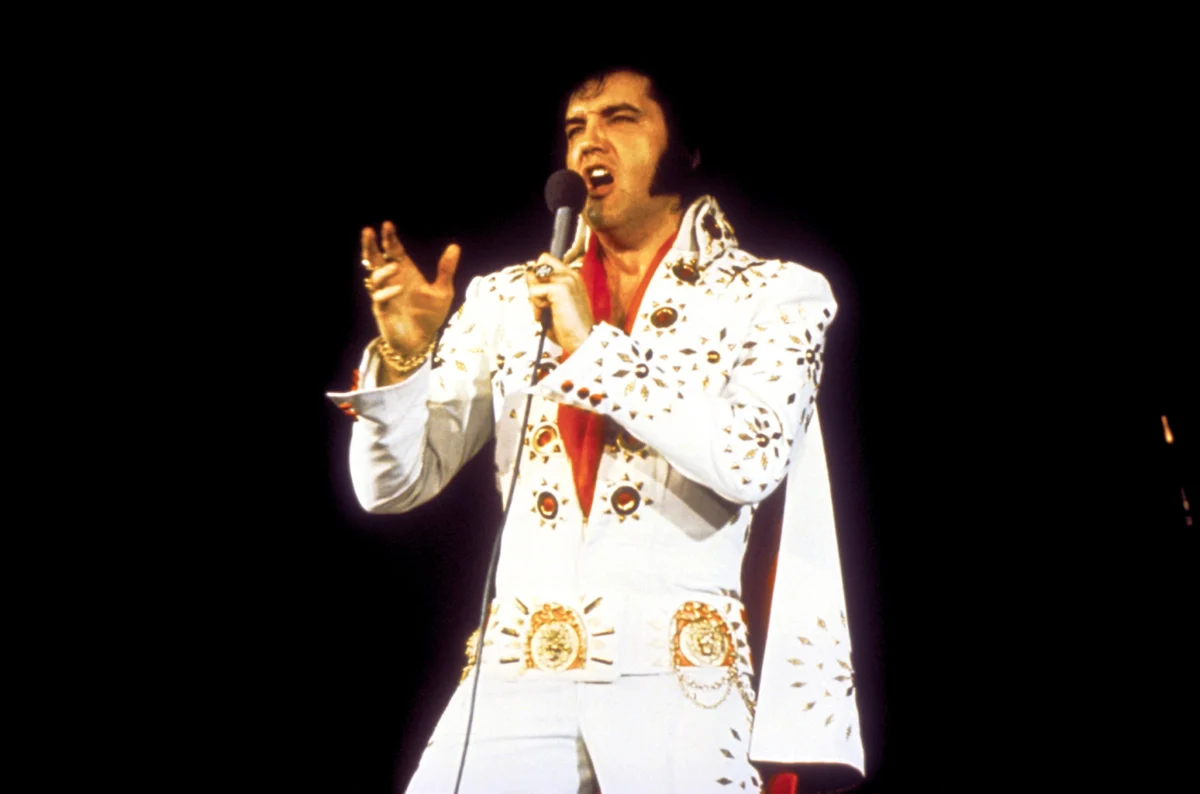
The owners of the Elvis Presley estate have initiated a significant legal confrontation with artificial intelligence leader Anthropic, filing a lawsuit that marks a pivotal moment in the ongoing conflict between the creative industry and the burgeoning generative AI sector. The complaint, filed on Friday, October 23, alleges that the tech giant infringed upon the copyrights of 274 songs belonging to the legendary artist, including iconic tracks such as "Can’t Help Falling in Love," "A Little Less Conversation," and "Don’t Be Cruel." This litigation, spearheaded by a division of Authentic Brands Group—the entity that oversees the Presley IP, brand trademarks, and likeness—represents a shift in the AI legal landscape, moving from broad corporate disputes to the protection of individual, globally recognized legacies.
The Core Allegations: Systematic Copyright Infringement
At the heart of the lawsuit is the methodology utilized by Anthropic to train its large language models, specifically the Claude series. The plaintiffs argue that Anthropic’s business model is fundamentally predicated on the unauthorized ingestion of massive volumes of copyrighted material. By scraping these works to "teach" the AI how to generate human-like text and potentially derivative musical concepts, the estate contends that Anthropic is engaged in a scale of copyright infringement previously unseen in the digital era.
Lead attorney Richard Busch, a seasoned litigator known for his high-profile work in music copyright—including the landmark Marvin Gaye estate case against Robin Thicke and Pharrell Williams—has framed the lawsuit as a necessary measure to defend the artistic integrity of the rock legend. "The Elvis Plaintiffs bring this action to enforce these exclusive rights against the defendant that has built its entire business model based on copyright infringement at a scale never seen before," Busch stated in the filing. The estate emphasizes that it is not merely protecting assets but safeguarding some of the most influential and enduring musical compositions in history from being exploited for the benefit of private AI corporations.
A Chronology of the AI-Music Industry Standoff
The tension between the music industry and AI developers has been escalating steadily since the mainstream emergence of generative tools in 2023. The timeline of this conflict highlights a rapid hardening of positions on both sides:

- Early 2023: Generative AI tools capable of mimicking specific vocal styles and musical structures begin to see widespread public adoption, prompting early concern from label executives.
- June 2024: The three major record labels—Universal Music Group, Sony Music, and Warner Music Group—initiate a massive lawsuit against Suno and Udio, the companies behind leading AI music generators, alleging mass copyright infringement.
- Late 2024: Warner Music Group reaches a settlement with Suno, signaling a potential shift toward licensing deals rather than total litigation, though UMG and Sony continue their legal challenges.
- October 2025: Various publishers and songwriters file individual actions against major AI firms, including Anthropic, claiming the "fair use" defense is insufficient to cover the wholesale appropriation of creative works.
- October 23, 2026: The Elvis Presley estate officially files its complaint against Anthropic, escalating the legal pressure on large-scale AI model developers.
The Fair Use Defense and the Stakes of the Litigation
Central to the defense of AI companies like Anthropic is the concept of "fair use," a legal doctrine under U.S. copyright law that permits limited use of copyrighted material without acquiring permission from the rights holders. Anthropic and its peers argue that the "training" process is transformative, as it produces new output rather than simple copies of the original works.
However, the Elvis estate and other industry plaintiffs argue that the AI models are not merely learning patterns but are capable of reproducing the "heart" of the copyrighted works, effectively creating unlicensed derivative content. The economic stakes are immense; if the courts rule that the ingestion of copyrighted data for AI training requires a license, the entire financial structure of the AI industry could be forced to pivot toward a royalty-based system. With billions of dollars in potential damages and future revenue streams on the line, the resolution of this case could set a precedent for the next decade of digital media consumption.
Broader Implications for Creative Rights
The inclusion of Elvis Presley’s estate in this litigation serves as a barometer for how artists’ rights will be treated in the age of artificial intelligence. By selecting one of the most recognizable figures in music history, the plaintiffs are effectively arguing that even the most "classic" and "enduring" art is susceptible to degradation by automated systems.
Industry analysts note that this case differs from previous ones by focusing heavily on the sanctity of the artist’s brand. Unlike tech-centric lawsuits that focus on lines of code or data sets, this case invokes the cultural weight of the Presley catalog. If the courts find that Anthropic’s models have diminished the value or uniqueness of these songs, it could empower thousands of other artists to pursue similar litigation, potentially forcing AI developers to negotiate blanket licensing agreements with major music publishers and estates.
Official Responses and the Road Ahead
As of the time of writing, representatives for Anthropic have not provided a formal response to the allegations. The company, which maintains that its models are designed to be safe and helpful, faces the arduous task of defending its training practices in a climate where judicial scrutiny of AI is tightening.

Legal experts observing the case suggest that the litigation will likely proceed through several phases of discovery, during which the court will examine the technical details of how Anthropic’s models ingest and store data. Should the case reach a verdict, it would likely be appealed to higher courts, potentially reaching the Supreme Court, given the massive constitutional implications regarding intellectual property and technological innovation.
For now, the filing represents a definitive escalation. By bringing the "King of Rock and Roll" into the legal fray, the music industry is signaling that it is prepared to fight for the future of creative compensation, regardless of the technological advancements that challenge traditional copyright paradigms. As the industry watches closely, the outcome of this legal battle will likely define whether AI remains a tool for innovation or becomes a catalyst for a total reconfiguration of how music is owned, licensed, and protected in the 21st century.
Analysis of Potential Outcomes
The potential scenarios for this litigation are varied. A court victory for the Elvis estate could lead to an injunction against Anthropic’s current training methods, forcing the company to scrub its data sets or enter into costly licensing deals. Conversely, a victory for Anthropic would reinforce the "fair use" defense, likely cementing the current status quo where AI firms can ingest data with relative impunity.
However, many observers believe a "middle-ground" settlement is the most probable outcome. Much like the Warner Music Group settlement with Suno, Anthropic may eventually find that it is more cost-effective to negotiate a licensing framework that compensates rights holders than to continue battling high-profile estates in court. Such a framework would involve a royalty structure, potentially providing a steady revenue stream for music estates while allowing AI developers to continue refining their models with legally cleared data.
Regardless of the specific legal outcome, the entry of the Elvis Presley estate into this conflict guarantees that the debate over AI will remain at the forefront of the music industry’s agenda. The preservation of artistic legacy, in a world where machines can mimic the voice and style of the departed, is no longer a theoretical concern—it is a front-line battle in the courts.