Jia Lissa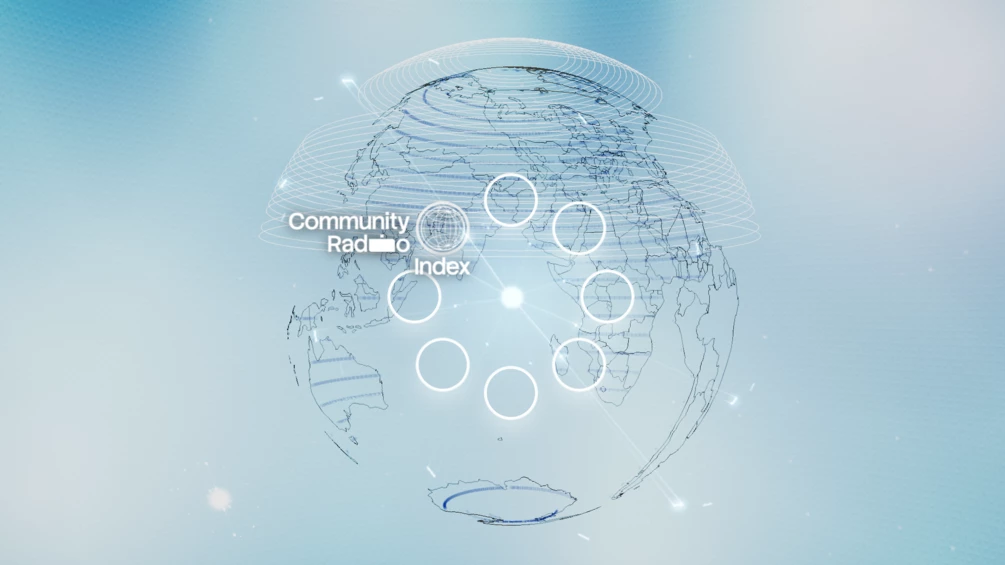
A groundbreaking online platform, the Community Radio Index, has been unveiled, offering an interactive map and comprehensive directory designed to connect listeners with independent and community-run radio stations worldwide. This innovative tool represents a significant step in democratizing access to diverse audio content, providing a centralized resource for discovering a vast array of voices often overshadowed by mainstream media and algorithmic curation. Users can navigate a dynamic global map, pinpointing stations in various regions, with each listing providing a direct, accessible link to the station’s official website, thereby fostering direct engagement between listeners and broadcasters.
The launch of the Community Radio Index addresses a long-standing need within the independent media landscape for a unified, easily navigable database of non-commercial broadcasters. Created through a collaborative effort by Opium Hum and Robbie Makes Radio, the index currently catalogues nearly 300 stations, ranging from established online institutions to burgeoning local initiatives. The project team articulated their vision on Instagram, stating, "To our knowledge it’s the first centralised effort to document a majority of the world’s operating online community radio stations in a single resource." This declaration underscores the unique ambition and scope of the undertaking, positioning it as a pivotal development for global community radio.
The Genesis of a Global Resource: Counteracting Algorithmic Monoculture
The driving philosophy behind the Community Radio Index is rooted in a profound concern for the future of cultural diversity in an increasingly homogenized digital environment. As the creators highlighted, "Community radio sits at the intersection of culture work and grassroots activism, and in a time when more and more of our cultural life is threatened by algorithmic monoculture, this work feels increasingly urgent." This statement encapsulates the existential challenge faced by independent cultural producers and consumers alike: the pervasive influence of algorithms that tend to funnel audiences towards commercially viable or already popular content, often at the expense of niche, experimental, or locally relevant voices.
Algorithmic monoculture refers to the phenomenon where recommendation engines, designed to optimize engagement and advertising revenue, inadvertently create echo chambers and narrow cultural tastes. By prioritizing content based on popularity or past user behavior, these systems can inadvertently suppress exposure to new artists, genres, and perspectives, leading to a flattening of cultural landscapes. In this context, community radio, by its very nature, stands as a vibrant counter-narrative. It is built on principles of accessibility, localism, and the amplification of underrepresented voices, often operating outside commercial imperatives. The Community Radio Index, therefore, is not merely a directory; it is a digital bulwark against the forces of cultural homogenization, a tool for preserving and promoting sonic diversity.
Opium Hum and Robbie Makes Radio, the architects of this ambitious project, bring a deep understanding of the independent radio ecosystem. While specific biographical details are not widely disseminated, their shared commitment to fostering community and resisting mainstream pressures is evident in the project’s design and stated objectives. Their initiative reflects a broader movement within digital cultural spaces to reclaim agency from centralized, profit-driven platforms and empower independent creators and audiences.
Community Radio: A Historical and Contemporary Pillar
Community radio, as a concept, has a rich and varied history, evolving from grassroots movements that sought to provide alternative media outlets to commercial and state-controlled broadcasters. Its origins can be traced back to pirate radio stations and activist groups in the mid-20th century, which aimed to serve specific communities with news, information, and cultural programming tailored to their unique needs and interests. Unlike commercial radio, which is driven by advertising revenue and mass appeal, or public radio, which often has a broader mandate, community radio is typically non-profit, volunteer-driven, and deeply embedded in the local fabric it serves.
Historically, community radio has played a crucial role in:
- Local News and Information: Providing hyper-local news, emergency broadcasts, and discussions on issues directly affecting the community.
- Cultural Preservation: Offering platforms for local music, languages, storytelling, and traditions that might be ignored by larger media outlets.
- Democratic Participation: Facilitating public dialogue, debates, and providing a voice for marginalized groups, including ethnic minorities, LGBTQ+ communities, and youth.
- Artistic Expression: Showcasing independent artists, experimental music, and niche genres that struggle to find airtime elsewhere.
The advent of the internet profoundly transformed the landscape of community radio. While traditional terrestrial community stations continue to thrive, online streaming capabilities allowed for the emergence of "online-only" community stations. These digital platforms transcended geographical boundaries, enabling stations to reach global audiences while maintaining their distinct local or niche identities. This shift democratized broadcasting further, lowering barriers to entry for new stations and fostering an explosion of creative audio content. However, this proliferation also created a challenge: discoverability. With thousands of stations streaming online, finding specific types of content or even knowing what exists beyond one’s immediate digital bubble became increasingly difficult. The Community Radio Index directly addresses this very challenge, offering a much-needed navigational aid in the vast ocean of internet radio.
Navigating the Digital Dial: Features and Functionality of the Index
The Community Radio Index is designed for intuitive exploration. Upon accessing the platform, users are presented with an interactive global map. This visual interface allows for immediate geographical context, enabling users to zoom in on continents, countries, or specific cities to see clusters of community radio stations. Each station is marked with an identifiable icon, and clicking on it reveals essential information, most critically, a direct hyperlink to the station’s official website or streaming platform. This direct link bypasses intermediaries, ensuring listeners can connect instantly with the source of the broadcast.
Key features contributing to its utility include:
- Interactive Map: A user-friendly visual interface for geographical discovery.
- Comprehensive Directory: Beyond the map, a searchable directory allows users to browse stations by name, location, or potentially genre (though not explicitly stated, this is a common feature in similar databases).
- Direct Station Links: Facilitates immediate access to live streams and station archives, enhancing the user experience.
- Centralized Resource: Eliminates the need to scour multiple lists, search engines, or social media platforms to find independent stations.
- Community-Driven Growth: While starting with nearly 300 stations, the nature of such an index suggests a potential for community submissions and ongoing expansion, making it a living, evolving resource.
The significance of a "centralised effort" cannot be overstated. Prior to this, listeners interested in independent radio often relied on word-of-mouth, curated lists from blogs, or stumbling upon stations through related artists. There was no single, authoritative, and geographically organized compendium. The Index fills this void, acting as a public utility for the global independent radio ecosystem. Its design promotes serendipitous discovery as much as targeted searching, encouraging users to explore beyond their usual listening habits and encounter new cultural perspectives.
Spotlight on Diverse Voices: Exemplary Stations in the Index
The initial roster of nearly 300 stations within the Community Radio Index showcases the incredible diversity and vibrancy of the independent radio scene. It includes well-known pioneers and influential platforms alongside smaller, equally vital operations. This blend highlights the index’s commitment to both breadth and depth.
Among the prominent names listed are:
- The Lot Radio: Based in a repurposed shipping container in Brooklyn, New York, The Lot Radio has become an international beacon for electronic music and diverse cultural programming, known for its live streams and street-level broadcasts. Its recent launch of a new website with on-demand playback and resident archives underscores its commitment to accessibility and content preservation.
- Refuge Worldwide: Operating out of Berlin, Refuge Worldwide is celebrated for its commitment to social justice and community engagement, blending music with discussions on important global issues. Its involvement in initiatives like the "New Frequency" festival demonstrates its collaborative spirit and influence.
- Radio Alhara: A Palestinian-based online radio station, Radio Alhara gained global prominence for its unique blend of music, cultural commentary, and critical perspectives, often broadcasting from multiple locations across the Arab world and beyond. Its presence on the index highlights the platform’s reach into politically and culturally significant regions.
- NTS Radio: A London-based online radio station, NTS has achieved global acclaim for its eclectic music programming, featuring a vast array of DJs, artists, and niche genres. Its recent launch of a new player allowing broadcasts to be streamed to any hi-fi system exemplifies its dedication to enhancing the listener experience and technological innovation.
- DUBLAB: A long-standing independent web radio station from Los Angeles, DUBLAB has been a cornerstone of experimental music and arts programming since its inception, fostering a vibrant community of artists and listeners.
- Noods Radio: Hailing from Bristol, UK, Noods has quickly established itself as a go-to for cutting-edge electronic music and local talent, embodying the grassroots energy of community radio.
- Seoul Community Radio (SCR): A key player in the Asian independent music scene, SCR offers a window into South Korea’s burgeoning electronic music culture and beyond, showcasing local and international artists.
- DDR (Dublin Digital Radio): As highlighted by DJ Mag, DDR has created a crucial home for Ireland’s independent music scene, fostering local talent and providing an alternative to mainstream Irish radio.
- Oroko Radio: Based in Ghana, Oroko Radio represents a vital voice from the African continent, showcasing African music, culture, and perspectives to a global audience. Its recent announcement of an indefinite broadcast hiatus underscores the ongoing challenges faced by independent stations, making resources like the Index even more crucial for their visibility and potential support.
The inclusion of such a wide spectrum of stations underscores the Community Radio Index’s role in celebrating and elevating the diverse ecosystem of independent broadcasting, ensuring that both established and emerging voices find their audience.
A Flourishing Ecosystem: Recent Developments in Independent Radio
The launch of the Community Radio Index occurs within a dynamic period for independent radio, marked by significant innovation, collaboration, and a renewed focus on listener engagement and content preservation. Several recent developments, some highlighted in the original article, illustrate this vibrant landscape:
- NTS Radio’s Enhanced Player (Last Month): NTS Radio introduced a new player that allows listeners to stream broadcasts directly to any hi-fi system. This technological advancement signifies a commitment to high-fidelity audio and seamless integration into listeners’ home audio setups, elevating the online radio experience to match traditional broadcast quality. It reflects a growing expectation among discerning listeners for quality and convenience.
- The Lot Radio’s Website Overhaul (Start of the Year): The Lot Radio launched a redesigned website featuring on-demand playback and comprehensive resident archives. This move is crucial for accessibility and content longevity, allowing listeners to revisit past shows and discover new material at their convenience. It also serves as a valuable resource for artists and researchers, preserving a rich tapestry of musical and cultural output.
- Voices Radio’s New Studio in East London (Last Month): Voices Radio announced the opening of a new studio in East London. The establishment of physical spaces is vital for community radio, providing a hub for collaboration, live performances, and direct engagement with the local community. It reinforces the local, tangible aspect of independent radio in an increasingly digital world.
- The Cause’s "New Frequency" Festival (Last Month): The Cause, a prominent London venue, announced "New Frequency," a new community radio-focused festival, alongside a companion broadcasting platform. Scheduled for July 25th, this one-day, multi-stage event will feature collaborations with stations such as Refuge Worldwide, Seoul Community Radio, Radio Alhara, Potato Head x Head Stream, Keep Hush, and Voices. This festival exemplifies the collaborative spirit and growing prominence of independent radio, bringing together diverse stations for a shared live experience and showcasing their collective cultural impact. Such events not only celebrate the scene but also foster networking and cross-pollination among stations and their audiences.
These concurrent developments paint a picture of an independent radio sector that is not just surviving but thriving and innovating. Stations are investing in technology, content archiving, physical presence, and collaborative ventures, all contributing to a robust and resilient ecosystem. The Community Radio Index arrives at an opportune moment, acting as a connective tissue for these disparate yet interconnected initiatives.
The Broader Impact: Implications for Listeners, Broadcasters, and Culture
The launch of the Community Radio Index carries significant implications across various stakeholders:
For Listeners:
- Enhanced Discoverability: The most immediate benefit is the vastly improved ability to discover new stations. No longer reliant on algorithms or chance encounters, listeners can actively seek out diverse programming tailored to their interests, breaking free from the "algorithmic monoculture."
- Access to Diverse Content: The index opens up a world of niche genres, local narratives, international perspectives, and experimental sounds that are often absent from mainstream platforms. This enriches the listening experience and broadens cultural horizons.
- Fostering Connection: By providing direct links and making stations more accessible, the index encourages deeper engagement between listeners and the communities behind these broadcasts, strengthening the sense of a global independent radio community.
For Broadcasters (Community Radio Stations):
- Increased Visibility: Inclusion in the index offers unparalleled visibility, potentially introducing stations to new audiences globally. This is particularly crucial for smaller, less-resourced stations struggling to gain traction.
- Networking Opportunities: The centralized nature of the index could foster greater collaboration and networking among stations, leading to shared programming, technical support, and joint initiatives.
- Legitimacy and Recognition: Being part of a comprehensive global index lends a degree of legitimacy and recognition to independent stations, underscoring their collective importance in the media landscape.
- Potential for Support: Increased visibility can translate into greater listener support, whether through donations, patronage, or volunteer engagement, which is vital for the sustainability of non-commercial operations.
For Cultural Preservation and Diversity:
- Counteracting Homogenization: The index directly combats the trend of cultural homogenization by championing diverse voices, languages, and artistic expressions. It serves as a vital repository of global sonic culture.
- Supporting Niche Cultures: By making niche genres and subcultures more accessible, the index helps ensure their survival and growth, providing platforms for communities that might otherwise be marginalized.
- Promoting Grassroots Activism: As the creators noted, community radio is intertwined with grassroots activism. By amplifying these voices, the index contributes to civic engagement and social change on a global scale.
Future Prospects and Challenges:
While the Community Radio Index represents a monumental step forward, its long-term success will depend on several factors. Ongoing maintenance and regular updates will be crucial to ensure the directory remains current and comprehensive. The independent nature of many listed stations means contact information and streaming links can change, requiring diligent curation. Furthermore, expanding the index to include an even greater number of stations will be an ongoing endeavor, potentially through a community submission and verification process.
The sustainability of the index itself, as a free resource, may also involve future considerations regarding funding and operational support. However, its immediate impact is undeniable. It stands as a testament to the enduring power of community, the vitality of independent media, and the collective human desire for authentic, diverse voices in an increasingly commodified world.
In conclusion, the launch of the Community Radio Index is more than just the unveiling of a new website; it is a significant cultural event that reinforces the critical role of independent and community radio in fostering diversity, connection, and grassroots activism. By providing an accessible, centralized gateway to hundreds of stations worldwide, Opium Hum and Robbie Makes Radio have equipped listeners with a powerful tool to explore beyond algorithmic bubbles and directly engage with the vibrant, authentic pulse of global sonic culture. It is a vital resource in the ongoing fight to keep independent radio on air and to ensure a rich, diverse future for audio media.