Nayara Elvina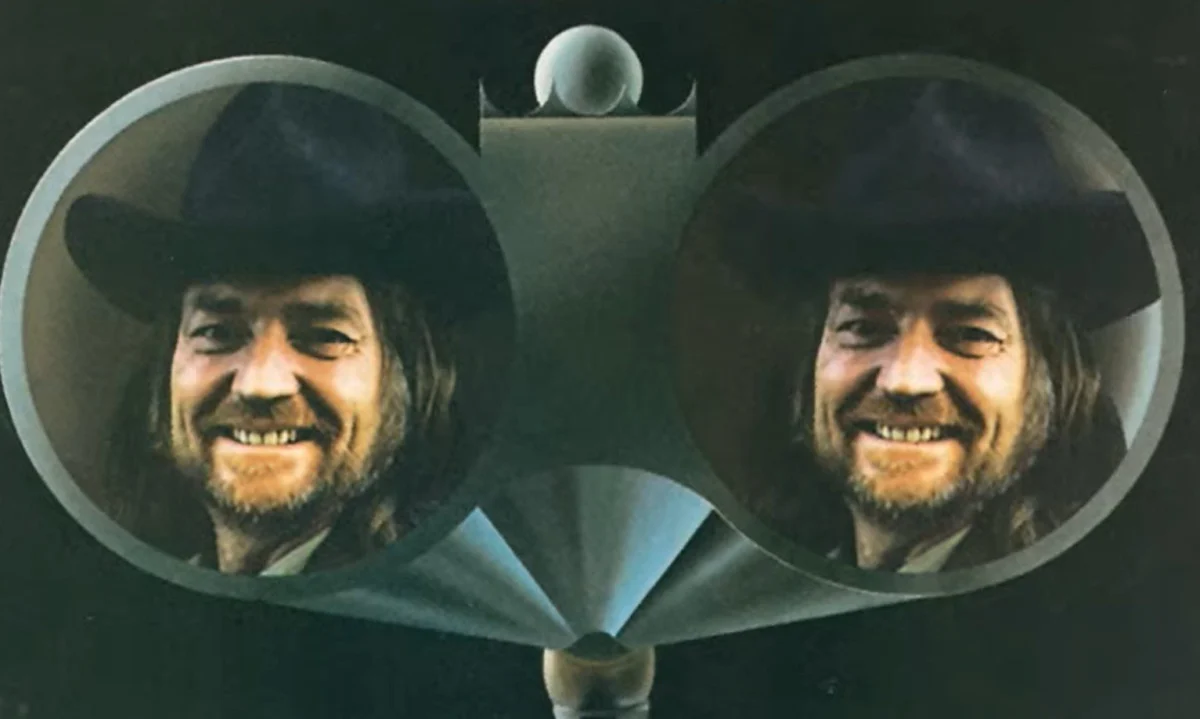
The public persona of Willie Nelson is often defined by a duality of character: the soft-spoken, Zen-like advocate for peace and the gritty, uncompromising figurehead of the Outlaw Country movement. While contemporary audiences may associate Nelson primarily with his advocacy for cannabis culture and his signature acoustic guitar, Trigger, his historical reputation as a "Texas Outlaw" is rooted in a series of high-stakes personal confrontations and a radical departure from the established Nashville recording industry. Central to this transformation is the origin of his moniker, "Shotgun Willie," a title earned not through marketing, but through a violent family dispute in Ridgetop, Tennessee, that culminated in a literal shootout.
The Conflict: A Family Crisis at the Root of a Legend
The events that led to the birth of the "Shotgun Willie" persona began with a domestic crisis involving Nelson’s daughter, Lana. According to historical accounts and Nelson’s own recollections, he received word that Lana was being physically abused by her then-husband, Steve Fletcher. In the early 1970s, Nelson was already transitioning away from the clean-cut image mandated by his previous label, RCA Victor, but this incident served as a catalyst for a more visceral expression of his protective instincts.
Upon learning of the abuse, Nelson traveled to the residence where Steve and Lana lived. Eschewing the involvement of local law enforcement, Nelson confronted Fletcher directly. Reports indicate that the confrontation was physical; Nelson later confirmed he "slapped Steve around" to deliver a clear ultimatum regarding his daughter’s safety. This initial encounter, while brief, set the stage for a retaliatory strike that would escalate into one of the most famous firearm-related incidents in country music history.
The Ridgetop Stand-Off: Ballistics and Bravado
Following the confrontation, Nelson returned to his home in Ridgetop, Tennessee. This property was already a site of significant personal history for the artist; it was the same location where, in 1970, Nelson famously ran into a burning house to rescue his guitar and a significant quantity of marijuana. However, the peace of the Ridgetop estate was shattered shortly after the confrontation with Fletcher.
Fletcher arrived at the property in a vehicle and initiated a drive-by shooting, utilizing a .22 caliber rifle. As Nelson stood in the doorway of a barn on the premises, one of the bullets passed within inches of his head. Rather than retreating or seeking cover, Nelson retrieved an M-1 military rifle and returned fire. The exchange of gunfire forced Fletcher to flee the scene, but Nelson, anticipating a secondary assault under the cover of darkness, prepared an ambush.
"Thinking Steve would come to Ridgetop to pick me off about dusk, I hid in the truck so he couldn’t tell if I was home," Nelson later recalled in biographical accounts. Armed with both his M-1 rifle and a shotgun, Nelson waited. When Fletcher’s vehicle reappeared on the property at sunset, Nelson emerged and fired upon the car, successfully disabling it by shooting out one of the tires.
The subsequent arrival of the police added a layer of dark comedy to the legend. Despite the bullet-riddled state of the vehicle, no charges were filed against Nelson. When questioned by officers about the damage to Fletcher’s car, Nelson famously suggested that the man "must have run over a bullet." The lack of legal repercussions and the definitive end to the domestic threat cemented the "Shotgun Willie" nickname among his inner circle and eventually his global fanbase.
The Nashville Departure: From Songwriter to Outlaw
The "Shotgun Willie" incident occurred during a pivotal era in the evolution of country music. Throughout the 1960s, Nelson had achieved significant success as a songwriter in Nashville, penning hits such as "Crazy" for Patsy Cline and "Hello Walls" for Faron Young. However, his career as a solo performer was stifled by the "Nashville Sound"—a production style characterized by polished string arrangements and background choirs designed to appeal to pop audiences.
Nelson felt restricted by the rigid corporate structure of RCA Victor and the influence of producers like Chet Atkins, who favored a sanitized version of country music. The raw, aggressive energy displayed during the Ridgetop shootout mirrored Nelson’s growing frustration with the music industry. In 1972, Nelson took the radical step of buying out his contract with RCA for $14,000 and "retiring" to Austin, Texas.
This move was short-lived, as he soon signed with Atlantic Records, a label primarily known for its R&B and soul roster. Under the guidance of producer Jerry Wexler, Nelson was given the creative freedom to record with his own touring band rather than session musicians. The result was the 1973 album Shotgun Willie, which served as a manifesto for the burgeoning Outlaw Country movement.
Musical Analysis: The Impact of the Shotgun Willie Album
Released in June 1973, the album Shotgun Willie represented a stark sonic departure from Nelson’s previous work. The title track, written on a feminine hygiene product wrapper while Nelson was in a hotel bathroom, directly referenced the grit and tension of his recent life experiences.
The album featured a blend of Western swing, honky-tonk, and soul, creating a hybrid sound that resonated with both traditional country fans and the younger, counter-culture audience in Austin. Data regarding the album’s performance highlights its significance:
- Billboard Performance: The album peaked at No. 41 on the Billboard Hot Country LPs chart.
- Critical Reception: Rolling Stone and other major publications praised the record for its honesty and stripped-back production, a rarity in the Nashville-dominated era.
- Commercial Longevity: While not an immediate multi-platinum hit, the album became a foundational text of the Outlaw movement, eventually achieving gold status and paving the way for the massive success of 1975’s Red Headed Stranger.
The record proved that there was a market for country music that did not adhere to the "Nashville machine" standards. It encouraged other artists, such as Waylon Jennings and Billy Joe Shaver, to demand creative control over their output.
A Chronology of the Shotgun Willie Era
To understand the broader context of these events, it is necessary to view them within a compressed timeline of Nelson’s career transformation:
- 1970: Nelson’s Ridgetop home catches fire; he saves his guitar, Trigger. This event marks the beginning of his disillusionment with his life in Tennessee.
- 1971–1972: The domestic dispute involving Lana Nelson and Steve Fletcher occurs, leading to the Ridgetop shootout and the birth of the "Shotgun Willie" moniker.
- Late 1972: Nelson negotiates his exit from RCA Victor and relocates to Austin, Texas, finding a receptive audience at the Armadillo World Headquarters.
- 1973: Nelson signs with Atlantic Records and records Shotgun Willie in New York City and Memphis.
- June 1973: The album is released, officially launching the Outlaw Country era.
Broader Implications for Country Music and the Outlaw Movement
The legacy of the "Shotgun Willie" incident extends far beyond a single family dispute or a catchy nickname. It symbolizes the moment when country music reclaimed its "outlaw" roots, moving away from the glitz of the Rhinestone-cowboy era and toward a more authentic, often dangerous, reality.
Industry analysts point to this period as the birth of the "Texas Country" subgenre. By refusing to involve the police in his personal matters and choosing to settle the dispute through direct action, Nelson embodied the frontier justice tropes that had long been celebrated in country lyrics but rarely practiced by its stars.
Furthermore, the incident humanized Nelson. While he was a "peace and love" figure in the context of the 1970s social movements, the Ridgetop shootout demonstrated that his pacifism was not born of weakness, but of choice. This complexity allowed him to bridge the gap between conservative rural listeners and liberal urban audiences—a feat few artists have replicated in the decades since.
The "Shotgun Willie" narrative also serves as a reminder of the volatile nature of the 1970s music scene. The transition from the 1960s "Nashville Sound" to the 1970s "Outlaw Sound" was not merely a change in instrumentation; it was a shift in power dynamics. Nelson’s willingness to defend his family with an M-1 rifle was a physical manifestation of his willingness to defend his artistic integrity against a corporate system that sought to dilute his voice.
Today, Shotgun Willie remains a staple of Nelson’s live performances, a song that evokes a time when the lines between life and art were dangerously thin. The story of the shootout has passed into the realm of American folklore, serving as the definitive proof that beneath the braids and the smoke, Willie Nelson remains one of the most formidable figures in the history of American music.