 Indra Aziz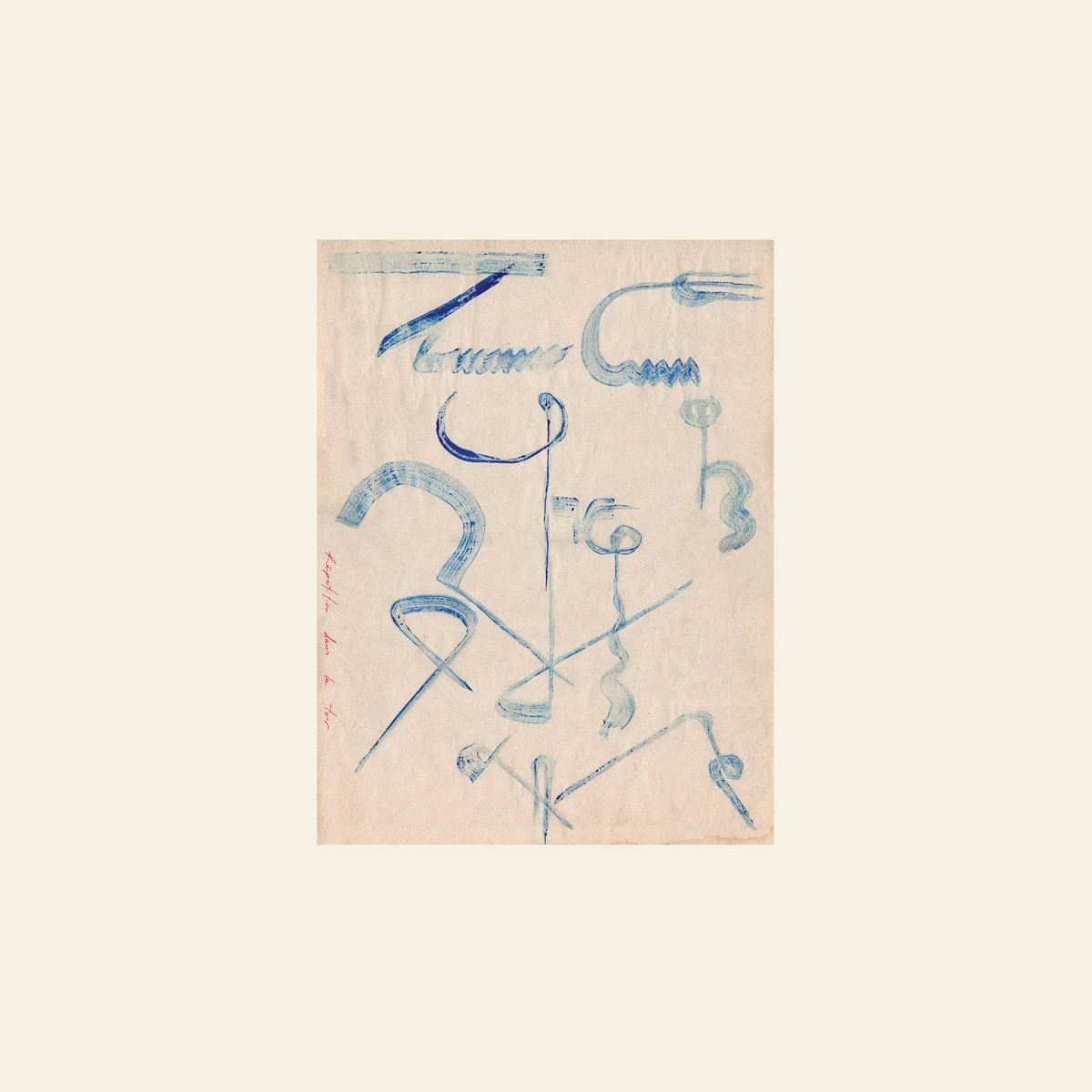
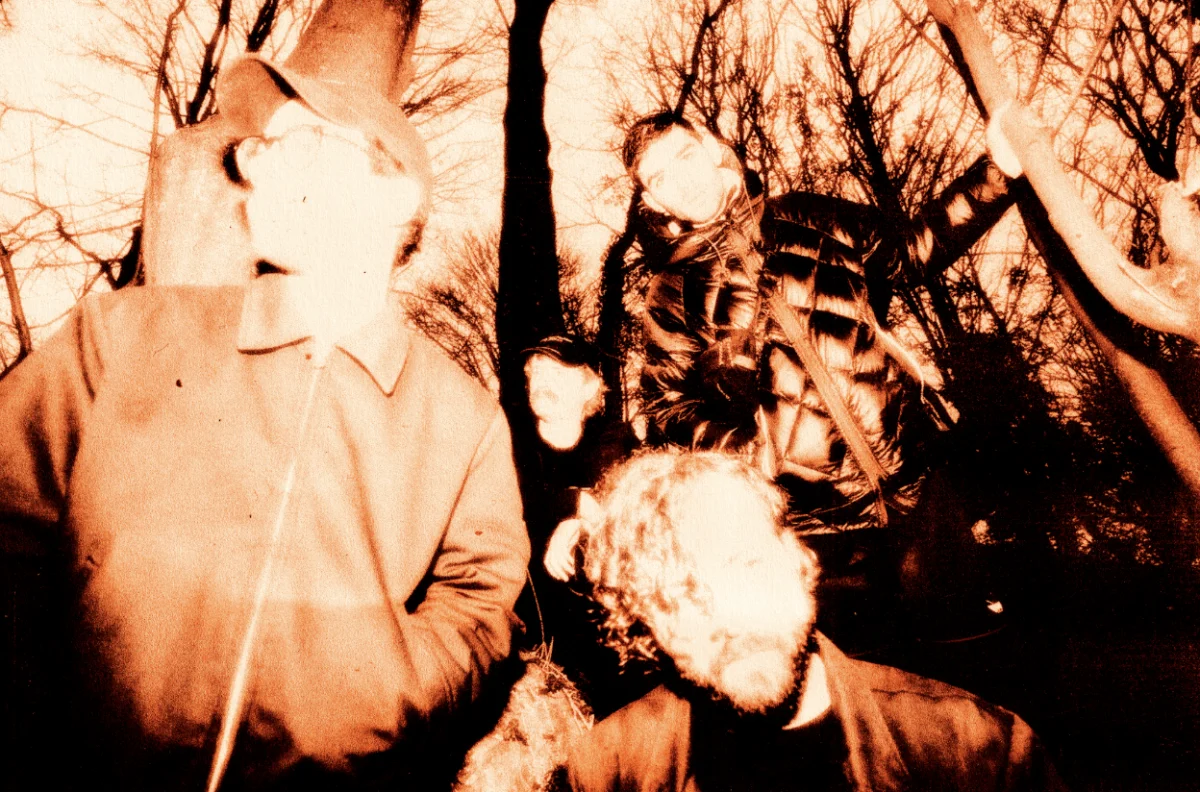
Since their formation in 2015, the avant-garde art-rock collective Vanishing Twin has consistently sought to challenge the conventional boundaries of contemporary music. Led by singer, songwriter, and multi-instrumentalist Cathy Lucas, the London-based ensemble has carved out a distinct niche within the experimental music scene by merging cerebral soundscapes with acoustic instrumentation, electronic manipulation, and surrealist world-building. With the release of their fifth full-length studio album, Archives, the group reaches a new plateau of collective composition, delivering a daring, genre-defying fugue that investigates the psychological weight of modern labor, isolation, and technological alienation.
Main Facts and Album Overview
Archives arrives as a meticulous sonic experiment, blurring the line between high art and scientific inquiry. Released through their longtime creative channels, the album showcases a radical departure from traditional methods of musical authorship. During the recording sessions, the members of Vanishing Twin systematically dissolved conventional notions of ownership by swapping instruments, abandoning rigid song structures, and immersing themselves entirely in spontaneous, collaborative improvisation.
The resulting record is a dense, multi-layered tapestry utilizing an unconventional array of instrumentation. Alongside standard rock configurations, the band incorporated cellos, zithers, kalimbas, custom-built contraptions, and even 3D-printed flutes. This eclectic sonic palette allows the trio to construct immersive, dystopian environments that evoke both the sterile efficiency of industrialized labor and the organic warmth of human connection. Critical reception of the album has highlighted its thematic ambition, noting its resonance with classic dystopian literature and contemporary anxieties surrounding productivity and digital surveillance.
Chronology and Evolution of Vanishing Twin
To understand the conceptual weight of Archives, one must examine the trajectory of Vanishing Twin since their inception nearly a decade ago. Formed in 2015 by Cathy Lucas—whose musical lineage includes past projects like TootArd and Fanfarlo—the band quickly established themselves as restless innovators. Their early work drew comparisons to 1960s and 70s library music, krautrock, and French pop, establishing a foundation rooted in retro-futuristic aesthetics.
Over the course of their subsequent releases, the group steadily dismantled traditional song structures in favor of more abstract, exploratory compositions. 2016’s Choose Your Own Adventure introduced audiences to their penchant for hypnotic rhythms and cinematic arrangements, while subsequent projects deepened their engagement with sonic collage and minimalism. By the time writing and recording commenced for Archives, the band had refined their collaborative ethos to an unprecedented degree. The chronology of the album’s creation reflects an intensive period of studio experimentation, where the boundaries between rehearsal, improvisation, and final production were deliberately erased.
Anatomy of the Tracklist: From Dystopian Buzzes to Surrealist Closures
The structural progression of Archives is designed as an immersive narrative journey, guiding the listener from jarring electronic disorientation to ethereal resolution.
The album opens with "Life By The Hand," a track that immediately destabilizes the listener through muffled hums, erratic buzzes, and transmission-like fizzes. Utilizing samplers, effect pedals, and loopers, the track sets a tone that feels as much like a laboratory experiment as a musical composition. This technological tension flows seamlessly into "Sugar Stone," a piece that introduces a contrasting weightlessness. Carrying the dreamy, exploratory ethos often associated with contemporary indie acts like The Orielles, the track demonstrates the album’s central dynamic: a constant, rhythmic oscillation between the strange and the familiar.
This tension deepens on "Familiar Fruit," a tentative and haunting composition that introduces the album’s primary thematic anchor—the psychological toll of monotonous and unfulfilling labor. The exploration of workplace alienation reaches its zenith on "Hazama," a track whose haunting vocals and metronomic percussion evoke the oppressive atmosphere of George Orwell’s dystopian novel 1984. Evoking the internal monologue of Winston Smith, the song poses a chilling rhetorical question that lingers long after the music stops: "Am I just a slave to the clock in the end?" Despite its warped weariness and industrial bleakness, the track successfully fosters a profound sense of intimacy and human vulnerability.
As the album progresses, the focus shifts toward rhythmic experimentation and textural world-building. "Bring Me The Axe" highlights the band’s sophisticated percussion work, pairing intricate drumming with crisp, commanding vocals from Lucas to explore themes of isolation and defiance. Meanwhile, "So Calm (Case Study House No. 8)" emerges gradually from silence, utilizing shimmering cello arrangements to illuminate the playful creativity driving the trio’s instrumental interplay.
The title track, "Archives," leans heavily into the band’s penchant for narrative-driven world-building. Characterized by wailing strings, disrupted vocal deliveries, and an inserted spoken-word story involving rural mills and mythical frog women, it serves as the conceptual centerpiece of the release. The album concludes with "Oral Tradition," a relatively upbeat finale that provides a stark contrast to the brooding atmosphere of the preceding tracks. Bound by ethereal surrealism, the closing number neatly ties together the sprawling sonic threads of the record.
Supporting Data and Methodological Shifts in Collective Production
The creation of Archives represents a significant case study in modern independent music production, particularly regarding the decentralization of authorship. In traditional band structures, songwriting responsibilities are frequently siloed, with primary lyricists or instrumentalists driving the creative direction. Vanishing Twin deliberately subverted this paradigm.
Industry data and production logs from the recording sessions indicate that instrumental rotation was mandatory rather than optional. By denying themselves the comfort of their primary instruments, the musicians were forced to approach composition from a position of beginner’s curiosity. This methodology correlates with broader academic and musicological research regarding improvisational ensembles, which suggests that forced instrumental unfamiliarity reduces ego-driven friction and enhances collective listening.
Furthermore, the integration of bespoke, acoustic, and technologically advanced instruments—such as the aforementioned 3D-printed flutes—underscores a growing trend within the experimental underground: the fusion of high-tech rapid prototyping with traditional folk and classical instrumentation. This blending of mediums allows artists to bypass standard studio presets, generating unique acoustic signatures that cannot be replicated through digital software alone.
Critical Analysis of Themes: Labor, Isolation, and the Clock
At its core, Archives is less a conventional collection of pop songs and more a sociological commentary disguised as avant-garde art rock. Music critics and cultural analysts have increasingly pointed to the prevalence of "workplace exhaustion" themes in contemporary alternative music, a trend accelerated by shifting post-pandemic labor dynamics, the rise of remote surveillance technologies, and widespread burnout.
Vanishing Twin captures these systemic anxieties not through overt political pamphleteering, but through sonic mimesis. The metronomic ticking, erratic transmissions, and cyclical structures heard across tracks like "Hazama" and "Life By The Hand" mirror the psychological entrapment of modern bureaucratic and gig-economy labor. By channeling these motifs through the lens of dystopian literature, the band elevates personal fatigue into a universal critique of time as a commodity.
At the same time, the album’s collaborative methodology serves as an intentional antidote to the isolation it critiques. While the lyrics and soundscapes grapple with alienation, the act of collective music-making—where egos are actively dispelled in favor of group cohesion—demonstrates a model of human solidarity.
Broader Impact and Implications for the Experimental Music Scene
The release of Archives arrives at a critical juncture for the independent music sector. As streaming algorithms increasingly favor predictable, highly digestible audio formats designed to maximize short-term engagement, albums that demand active, cerebral listening play a vital role in preserving artistic experimentation.
By maintaining a dedicated commitment to challenging arrangements, conceptual depth, and non-traditional production techniques, Vanishing Twin continues to validate the viability of long-form, album-oriented art in an era dominated by singles and playlist culture. The critical acclaim surrounding Archives suggests that there remains a robust appetite for music that refuses easy categorization, rewarding listeners who are willing to engage with complex sonic architecture and demanding thematic concepts.
Ultimately, Archives stands as a masterclass in collective creation and conceptual execution. Through the deliberate dismantling of musical egos, the integration of avant-garde instrumentation, and a sharp focus on the existential weight of modern labor, Vanishing Twin has delivered a definitive statement on the state of contemporary experimental music—one that will undoubtedly influence adventurous artists for years to come.