 Indra Aziz
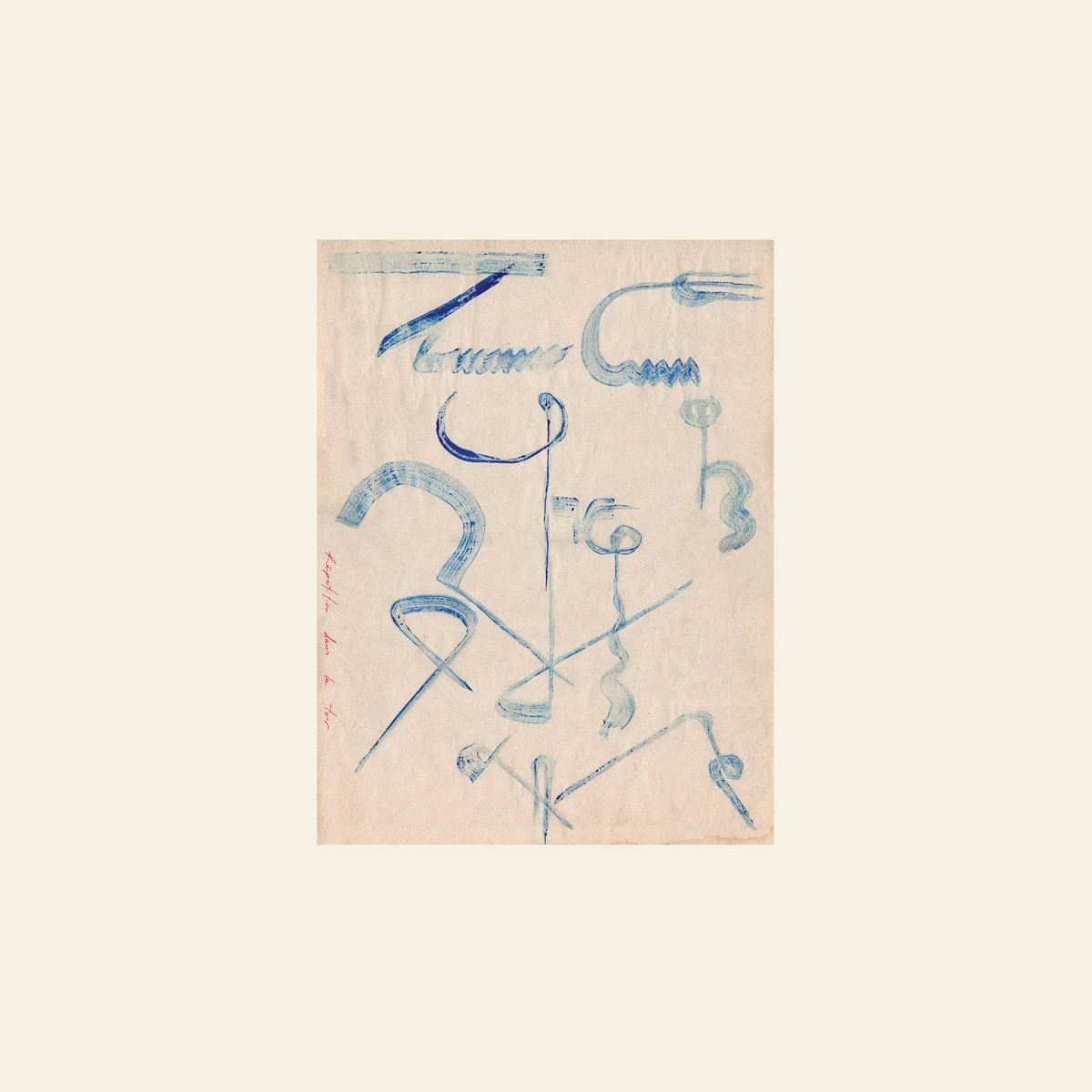
London-based multidisciplinary artist and musician Delilah Holliday has officially released her latest single, a glacial and arresting track titled Loop 7, offering audiences a final, profound preview of her highly anticipated debut full-length album, Fat Cat. Scheduled for release on October 30th, the 11-track project serves as the emotional and structural centerpiece of Holliday’s emerging solo catalogue. Loop 7 arrives accompanied by a striking visualizer and encapsulates the overarching sonic and thematic tensions of the album, skillfully weaving together meditative, down-tempo electronic beats, heavily pitched vocal transmissions that echo like distant signals, and the jarring, visceral clamor of industrial pop.
Far from a conventional pop release, Loop 7 and its parent album emerge from an intense crucible of personal trauma, systemic precarity, and artistic resilience. Holliday has characterized the single as a direct reflection of the psychological weight carried during periods of prolonged suffering.
"It reflects cycles of grief, therapy, and intrusive memory," Holliday explains, describing the suffocating sensation of "being stuck in an emotional loop you can’t escape."
This psychological claustrophobia permeates the entire 11-track collection, which has been broadly framed by critics and the artist alike as a new wave recession-pop concept record. The project interrogates the heavy intersection of personal grief, systemic economic inequality, and spiritual survival under the pressures of late-stage capitalism.
The Genesis of Fat Cat: Chronology of a Crisis
To understand the immense emotional depth of Fat Cat, one must examine the extraordinary timeline of adversity against which the record was conceived and produced. The album’s genesis dates back to a turbulent period beginning in late 2022 and extending through 2023, during which Holliday faced a confluence of life-altering challenges that tested her physical and psychological endurance to its absolute limits.
While navigating the profound physical and hormonal shifts of pregnancy, Holliday concurrently confronted severe illness and acute housing instability in the fiercely competitive and often unforgiving London rental market. During this precarious phase, she experienced periods of homelessness, forced to rely on temporary accommodation while maintaining her creative output. This firsthand encounter with housing insecurity and institutional neglect is not merely a backdrop to the album; it forms the ideological core of its capitalist critique, bridging the gap between systemic failure and individual suffering.
The crisis deepened exponentially with a series of devastating familial losses. Within a remarkably short timeframe, Holliday mourned the death of her uncle, Simon, and suffered the tragic loss of her child. The compounded weight of these bereavements shattered her support systems and pushed her already-managed chronic mental health conditions into uncharted territory.
"Before last year, I thought I understood grief through empathy, but I had never truly experienced its full emotional weight," Holliday reflects candidly. "I had endured loss before, but nothing prepared me for the devastation of losing multiple foundational figures in my family within such a short period. It shattered me. Without my support network, I truly do not know if I would still be here. Living with chronic mental illness already requires daily endurance, and this level of pain pushed me to my absolute limit. Rather than allowing grief to destroy me, I transmuted that pain into Fat Cat."
Sonic Architecture and Collaborative Landscape
Musically, Fat Cat is an intricate tapestry of contrasting textures, moving fluidly between disorientation and sharp, piercing clarity. The production balances accessibility with intentional antagonism, pulling heavily from down-tempo electronics, dark trip-hop atmospheres, and fractured, hyper-pop sensibilities. The resulting soundscape mirrors the fractured mental state of its creator, acting as both an armor against external chaos and an internal mirror of psychological distress.
The realization of this complex sonic vision was a collaborative effort involving key creative partnerships. Producer Raphael Ninot (Raph) emerged as a central pillar in the project’s development, bringing an intensely personal level of commitment to the studio sessions that matched Holliday’s emotional investment. Additionally, the project received a refined polish from veteran producer Liam Howe, best known for his work with the Sneaker Pimps. Howe’s involvement elevated the record’s sonic fidelity while meticulously preserving the raw, contemporary edge and underground integrity that Holliday demanded.
The album also includes Holliday’s previously released single, This Is, which established the grim, recession-era thematic framework that Fat Cat subsequently expands upon across its 11 tracks.
Socio-Economic Realities and the Contemporary Artist Experience
Fat Cat arrives at a critical juncture for the United Kingdom’s creative sector, particularly for independent artists living and working in major urban centers like London. In recent years, soaring housing costs, the post-pandemic economic downturn, and the dwindling availability of affordable studio spaces have created an increasingly hostile environment for working-class and marginalized musicians.
Holliday’s experience of housing precarity while producing a critically lauded debut album highlights a systemic crisis within the modern creative economy. Industry analysts and arts advocates have increasingly warned that London risks pricing out its next generation of cultural innovators, reducing the arts to a playground for the affluent who can afford to absorb prolonged periods of financial instability.
By grounding Fat Cat in these harsh socio-economic realities, Holliday positions her work within a long lineage of political art born from urban deprivation. The album’s examination of "recession-pop" moves beyond mere aesthetic pastiche, functioning as a direct cultural commentary on the alienation experienced by citizens navigating an economy characterized by extreme wealth inequality, inadequate social safety nets, and housing deficits.
Implications and Anticipation for October 30th Release
As the music industry prepares for the full release of Fat Cat on October 30th, early critical reception to singles like Loop 7 and This Is suggests that Holliday is carving out a unique and necessary space in contemporary alternative music. By refusing to sanitize her trauma or divorce her art from the material conditions of her existence, she has crafted a debut that is as politically urgent as it is emotionally devastating.
The broader implications of Fat Cat extend beyond individual critical acclaim. The record challenges commercial pop’s historical tendency to gloss over structural pain, offering instead a blueprint for how modern artists can weaponize vulnerability against systemic indifference. Through the alchemy of industrial pop beats, transmission-like vocals, and unflinching lyrical honesty, Delilah Holliday has transformed her personal darkest hours into a collective testament of survival under late-stage capitalism.
With Loop 7 now streaming across all major platforms alongside its official visualizer, anticipation for the arrival of Fat Cat has reached a fever pitch. Listeners are invited to step inside Holliday’s emotional loop—a space where grief, survival, and fierce artistic autonomy collide.