 Kholidah
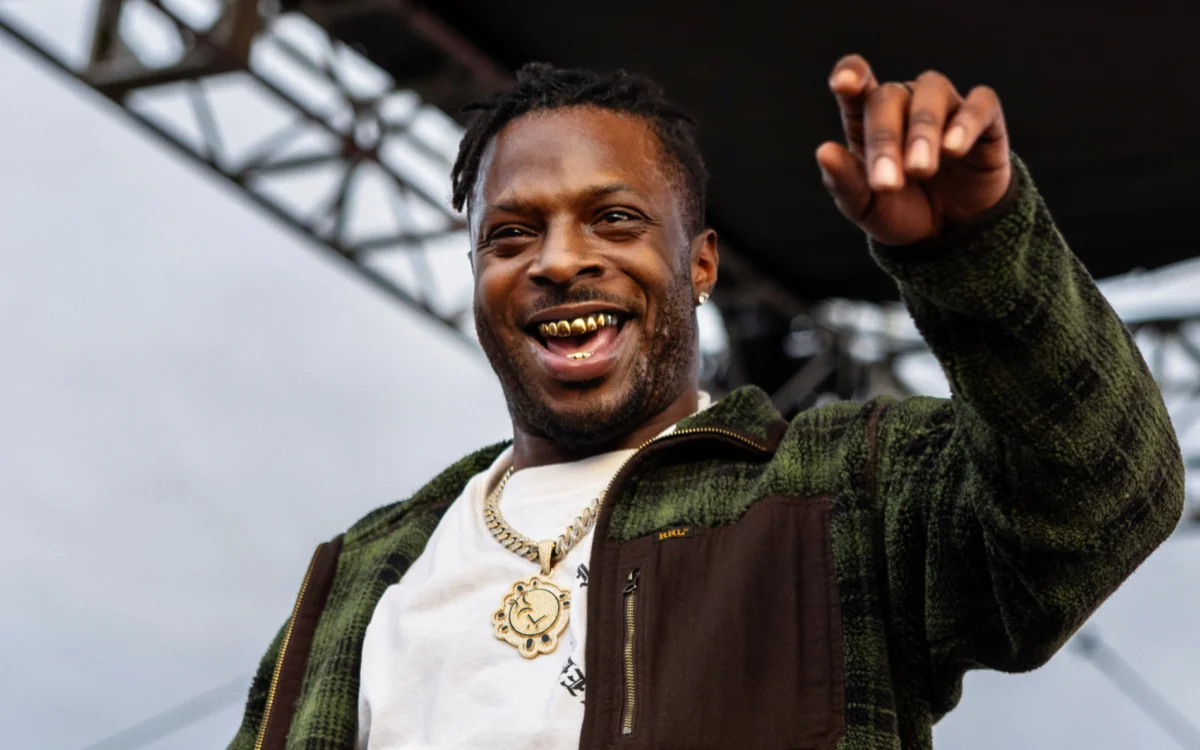
The global music industry is currently navigating a complex discourse following viral comments made by Anderson .Paak, the multi-Grammy Award-winning American singer, rapper, and producer. Known for his eclectic style and high-profile collaborations, including his work as one-half of the duo Silk Sonic, .Paak recently sparked an intense debate regarding the business practices of the Korean music industry versus its Western counterparts. His remarks, which highlighted the financial reliability and hospitality of Korean artists and labels, have since permeated social media platforms, leading to a polarized reception among fans, industry insiders, and cultural critics.
During a recent public appearance and subsequent social media circulation of his statements, Anderson .Paak offered a candid assessment of the current state of international music collaborations. He specifically lauded Korean acts for their professionalism and willingness to provide fair compensation for guest features and production work. "Don’t nobody got no money except for Koreans," .Paak stated, emphasizing the stark contrast he perceives in the global market. He further elaborated on the treatment he receives when working with South Korean entities, noting, "International acts, they will pay you and fly you out and treat you right. Shout out to my Koreans."
The Context of International Collaborations in K-Pop
The remarks made by .Paak do not exist in a vacuum but are instead reflective of a long-standing and increasingly lucrative relationship between the South Korean music industry—commonly referred to as K-pop—and Black American artists and producers. For decades, South Korean entertainment conglomerates such as SM Entertainment, YG Entertainment, and more recently HYBE, have sought out Western talent to refine their sound. This relationship dates back to the early 1990s and gained significant momentum in the 2010s when legendary producers like Teddy Riley and Rodney "Darkchild" Jerkins began crafting hits for groups like Girls’ Generation and EXO.
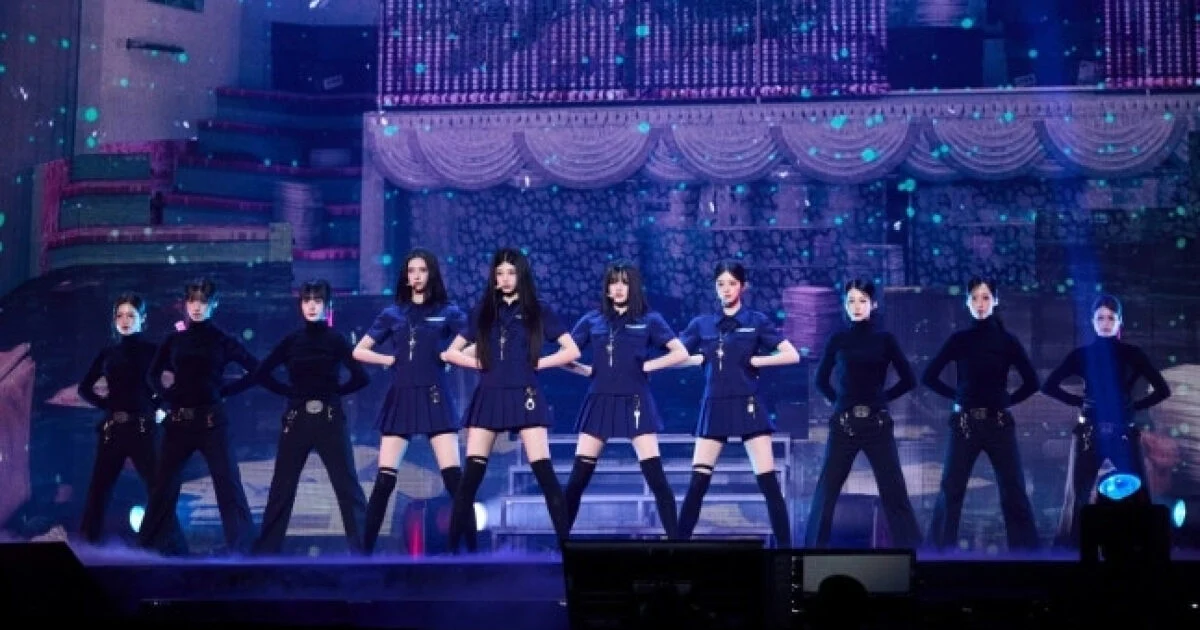
In the contemporary era, this trend has shifted from behind-the-scenes production to high-profile on-screen collaborations. Anderson .Paak himself has been a frequent participant in this cross-cultural exchange. His portfolio includes work with some of the most prominent names in the Korean scene, including the girl group aespa, singer-songwriter DEAN, NCT’s leader Taeyong, and BIGBANG’s G-Dragon. By vocalizing the financial aspects of these deals, .Paak has brought to light a side of the industry that is often obscured by the polished veneer of music videos and promotional campaigns.
Divided Public Reaction: Professionalism vs. Cultural Appropriation
The response to .Paak’s comments has been bifurcated, reflecting broader societal conversations about labor, race, and cultural exchange. On one side of the debate, many netizens and industry professionals have praised the Korean music industry for its rigorous business standards. A significant portion of the online discourse centered on the "respectful" nature of Korean business operations. One viral testimonial from a crew member who worked on a BTS music video set corroborated .Paak’s sentiment, stating that the experience was the "best music video set" they had ever been on, citing the high level of respect shown to employees and contractors.
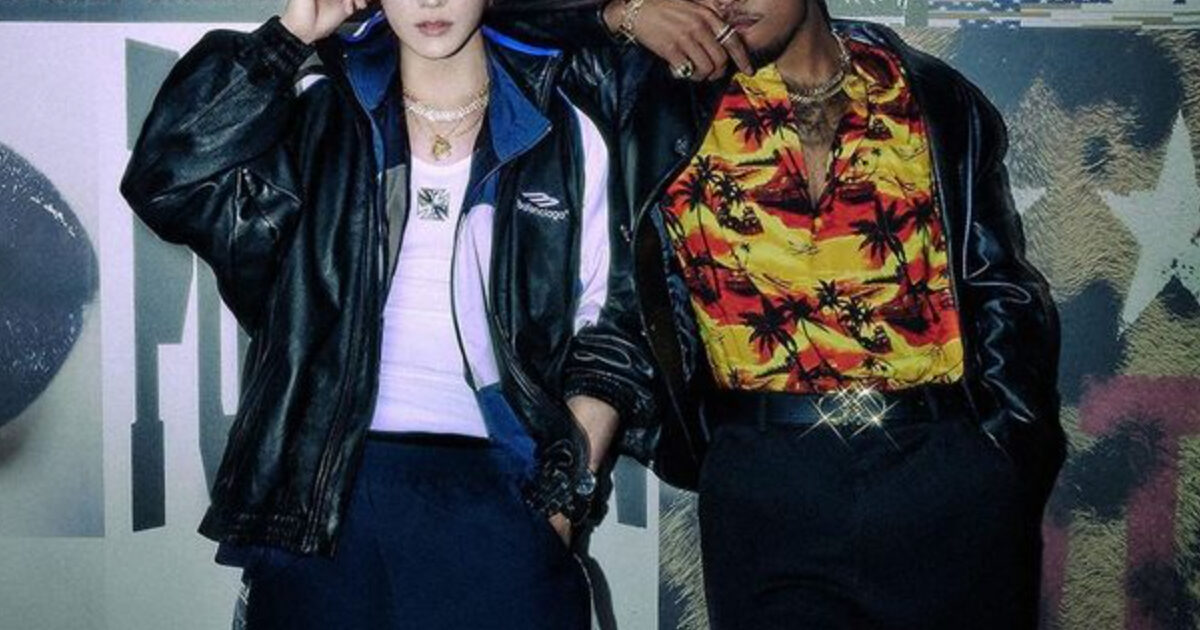
This perspective argues that the South Korean model of "proper compensation" and "hospitality" should be the global gold standard. Proponents suggest that if Korean labels are willing to "pay, fly out, and treat right" their collaborators, it demonstrates a level of professional integrity that is often lacking in the Western music industry, where "clout" is sometimes offered in lieu of monetary payment.
However, a second, more critical perspective has emerged, focusing on the historical context of cultural appropriation. Some critics argue that the willingness of Korean labels to pay high fees is a necessary transaction for the "cultural capital" they gain from Black artists. This group of netizens pointed out that K-pop, as a genre, is deeply rooted in Black American musical traditions, including Hip-Hop, R&B, and Jazz.
"With all the [content] they take from Black people, I would sure hope they paid for it every now and again," one social media user noted, highlighting the tension between financial compensation and cultural debt. This sentiment suggests that while the payments are substantial, they are part of a larger dynamic where Black culture is commodified by international industries. The conversation has thus evolved into a nuanced analysis of whether financial fairness can coexist with, or perhaps even mitigate, the issues of cultural appropriation.
Financial Data and Industry Standards
While specific contract figures remain confidential, the "pay-to-play" or "fee-for-feature" model is a standard part of the music business. However, industry insiders suggest that South Korean labels often operate with larger budgets for international collaborations compared to independent or mid-tier Western labels. This is largely due to the "360-deal" structure prevalent in Korea, where agencies control almost every aspect of an artist’s career, from touring and merchandising to endorsements, allowing for significant capital reinvestment into high-quality production and "A-list" features.
An anecdote frequently cited during this debate involves the British girl group FLO. A member of the group reportedly shared a "money bag" emoji on social media when the song "The Chase" was released by the artist h2h, after the track was sold to SM Entertainment. This served as a tangible example for fans of the lucrative nature of the Korean market for Western songwriters and producers.
Furthermore, the logistical "hospitality" mentioned by .Paak—including business-class travel, luxury accommodations, and high-end catering—is a hallmark of the K-pop industry’s "global guest" protocol. This level of investment is seen as a strategic move to build long-term relationships with Western talent, ensuring that the highest quality of music continues to flow into the Seoul-based industry.

Timeline of Anderson .Paak’s Korean Engagements
To understand the weight of .Paak’s comments, one must look at his consistent involvement with Korean artists over the last several years:
- 2016-2017: .Paak’s initial interactions with the Korean R&B scene began, notably through his mutual respect with artist DEAN. Both artists shared a similar musical DNA, blending soul, funk, and hip-hop.
- 2021-2022: As .Paak’s global stardom surged with Silk Sonic, his "shout-outs" to Korean culture became more frequent. He often acknowledged his own heritage (his mother was born in South Korea during the Korean War and was adopted by an American family), which added a layer of personal connection to his professional remarks.
- 2023-2024: High-profile collaborations intensified. His work on Taeyong’s solo projects and interactions with aespa during their American promotions solidified his status as a bridge between the two industries.
- May 2026: The current viral remarks were made, triggering the present global discussion on industry ethics and compensation.
Broader Implications for the Music Industry
The discourse sparked by Anderson .Paak has broader implications for how international music business is conducted. Firstly, it highlights a potential shift in the "power center" of the music industry. As Western artists increasingly look toward the East for reliable financial partnerships and high production standards, the traditional dominance of the North American and European markets is being challenged.
Secondly, the debate forces a confrontation with the ethics of "cultural appreciation versus appropriation." If an industry is built on the foundations of a culture it does not natively own, does "paying well" constitute a fair exchange? For many, the answer is a complex "yes and no." While financial compensation is a vital step in acknowledging the labor of Black creators, critics argue that it does not absolve the industry from the responsibility of deeper cultural understanding and the avoidance of caricatured representations.
Finally, .Paak’s comments may influence how other Western artists negotiate their contracts. By publicly praising the Korean model, he has inadvertently set a benchmark for what "being treated right" looks like. This could lead to a demand for better treatment and more transparent financial dealings across the board, potentially correcting some of the predatory practices that have historically plagued the music industry.
Conclusion
Anderson .Paak’s remarks have served as a catalyst for a multifaceted conversation that goes far beyond the surface of celebrity news. By highlighting the financial and professional strengths of the Korean music industry, he has provided a rare glimpse into the economic machinery that powers global K-pop. At the same time, the divided response from the public underscores the ongoing sensitivities regarding cultural origins and the necessity of equitable exchange. As the lines between regional music markets continue to blur, the standards of compensation and respect highlighted by .Paak will likely remain at the forefront of industry evolution.