Lana Akmaluna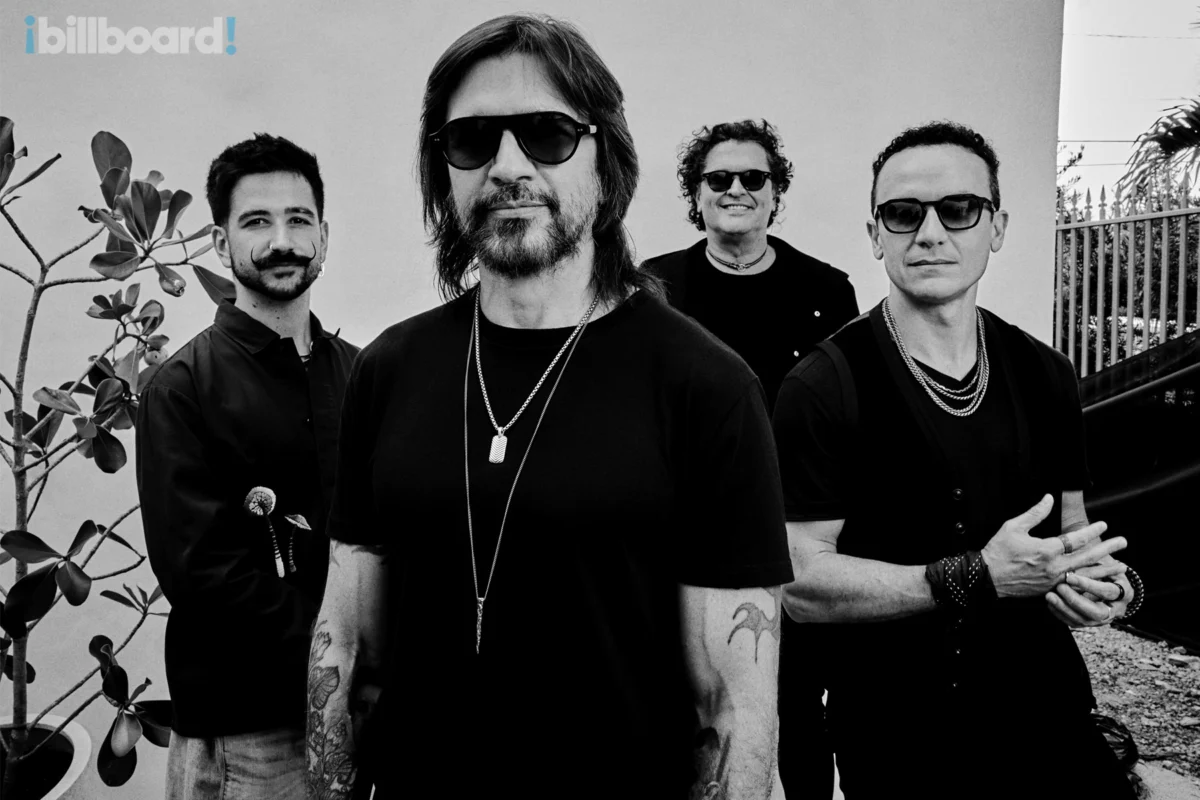
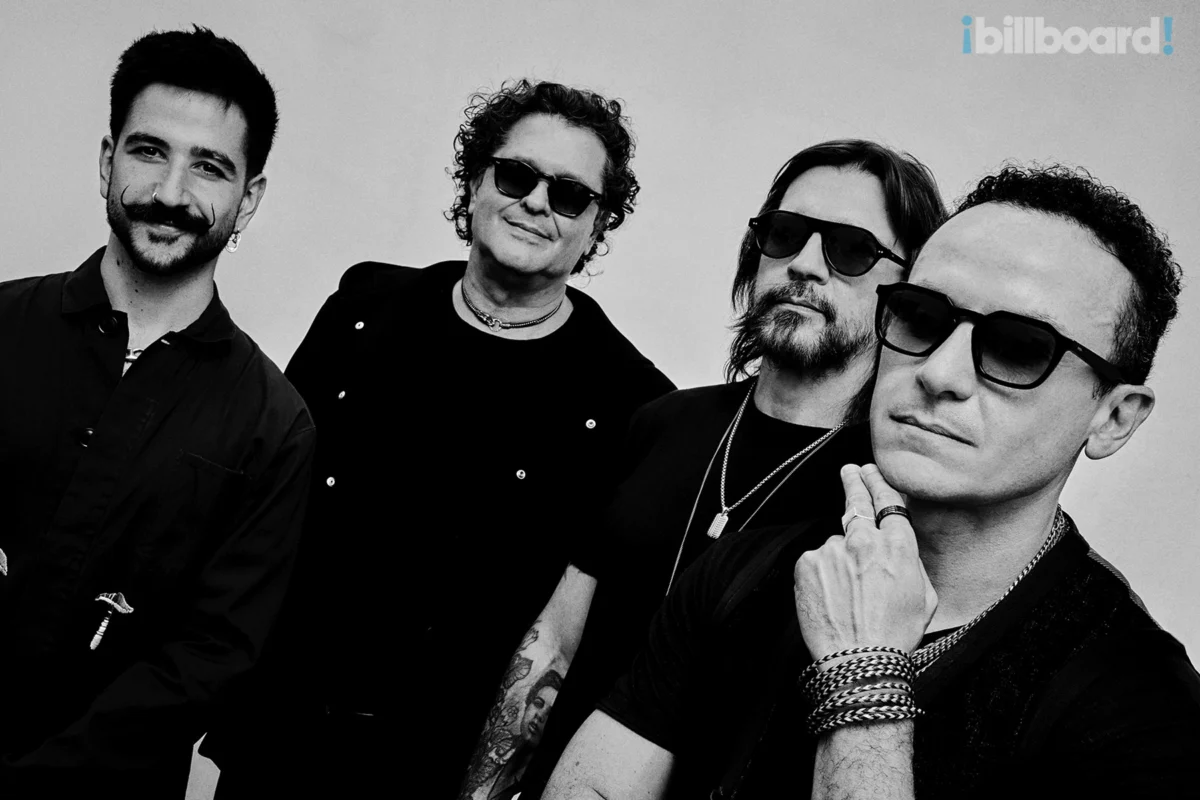
The convergence of four of Colombia’s most influential musical exports at Sony’s 5020 recording studios in Miami marks a significant milestone for the Latin music industry, signaling a rare moment of unity among artists who span multiple generations of the nation’s cultural history. On a Thursday in late May 2026, Carlos Vives, Juanes, Fonseca, and Camilo gathered for an unprecedented joint interview and cover shoot for Billboard Español, an event that serves as both a celebration of their individual achievements and a collective statement on the enduring power of Colombian artistry. The meeting, characterized by an easygoing camaraderie and mutual respect, occurred against a backdrop of significant national and global events, including the kickoff of the FIFA World Cup, Father’s Day celebrations, and a pivotal presidential election in their home country.

The atmosphere at the 5020 Studio was one of familial warmth rather than professional competition. An early moment of levity occurred when Camilo, dressed in light blue, arrived to find his colleagues—Juanes, Carlos Vives, and Fonseca—all clad in black. The playful exchange regarding a "missing memo" underscored the long-standing relationships these men share. While they have collaborated on various projects over the years, this was the first time all four sat together for a comprehensive discussion on their roles as cultural ambassadors. Their collective presence represents a lineage of Colombian music that has evolved from traditional vallenato and cumbia influences to global rock and contemporary pop, maintaining a distinct national identity throughout.
A Multi-Generational Lineage of Colombian Excellence
The significance of this gathering lies in the sheer volume of cultural and commercial impact represented by the four men. Carlos Vives is widely credited with the "Colombian Wave" of the 1990s, having modernized traditional vallenato music with rock and pop sensibilities. His career, spanning over three decades, has earned him 18 Latin Grammy Awards and two Grammy Awards. Vives’ ability to bridge the gap between rural folk traditions and urban radio airplay laid the groundwork for subsequent generations of Colombian artists to find success abroad without sacrificing their roots.

Juanes, a contemporary of Vives who rose to prominence in the early 2000s, further cemented Colombia’s place on the global map. With 27 Latin Grammy Awards—the most for any solo artist—Juanes transitioned from the heavy metal of his youth to a socially conscious rock-pop sound that resonated across continents. His "Paz sin Fronteras" (Peace Without Borders) concerts demonstrated the power of music to address geopolitical tensions, a theme that remains relevant as Colombia faces internal political shifts.
Representing the mid-career vanguard is Fonseca, whose fusion of tropical rhythms with romantic pop has earned him seven Latin Grammy Awards. His work often explores the emotional landscape of the Colombian experience, blending accordion-driven melodies with modern production. Finally, Camilo represents the newest era of the Colombian explosion. With his idiosyncratic style and massive digital footprint, Camilo has successfully brought Colombian sounds to a younger, globalized audience, proving that the nation’s musical influence is not only sustained but expanding.

The Socio-Political and Cultural Context of 2026
The timing of this Billboard summit is inextricably linked to a period of intense national focus for Colombia. The gathering took place just weeks before the June 11 kickoff of the FIFA World Cup, an event that traditionally serves as a unifying force for the Colombian populace. The national football team, "La Selección," carries the hopes of a country that views sports and music as its primary exports of joy and excellence. The artists, all self-proclaimed fans, discussed the upcoming tournament not just as a sporting event, but as a moment of collective identity.
Compounding the cultural weight of the month is the proximity of Father’s Day on June 21. For Vives, Juanes, Fonseca, and Camilo, the role of fatherhood is a recurring theme in their public personas and songwriting. The interview explored how their responsibilities as parents influence their creative choices and their desire to project a positive image of Colombia to the world.

However, the most somber backdrop to the meeting is the Colombian presidential election, also scheduled for June 21. The country remains deeply divided between a far-left candidate and a far-right candidate in a high-stakes run-off. In a nation where political polarization often spills into civil unrest, the unity of these four icons offers a stark contrast. While their political leanings may differ, their commitment to "unapologetically Colombian music" serves as a common ground. This meeting highlights the role of artists as "soft power" diplomats who can maintain a sense of national pride even when the political landscape is fractured.
Data and Economic Impact of the "Colombian Wave"
The commercial dominance of these four artists is reflected in broader industry trends. According to reports from the International Federation of the Phonographic Industry (IFPI) and the Recording Industry Association of America (RIAA), Latin music revenue in the United States surpassed $1 billion for the first time in the early 2020s, with Colombian artists consistently among the top performers.

- Carlos Vives: Has sold over 20 million albums worldwide and maintains over 15 million monthly listeners on Spotify.
- Juanes: Holds the record for the most Latin Grammy wins for a solo artist and has seen his hits like "La Camisa Negra" chart in over 40 countries.
- Fonseca: His 2022 album "Viajante" and subsequent tours have solidified his status as a top-tier touring act in both the U.S. and Latin America.
- Camilo: Boasts over 30 million monthly listeners on Spotify and has become a dominant force on social media platforms like TikTok, where his music frequently goes viral.
The economic footprint of these artists extends beyond record sales. Their tours generate hundreds of millions of dollars in ticket revenue, and their collaborations with brands have turned them into global lifestyle icons. The Billboard Español cover story is a recognition of this economic might and the cultural capital that Colombian music currently holds in the global marketplace.
The Recording Session: A Study in Collaboration
The choice of Sony’s 5020 Studio in Miami as the venue for this meeting is symbolic. Miami has long served as the de facto capital of the Latin music industry, providing a neutral ground where artists from across the Caribbean and South America can converge. The studio environment, often a place of intense pressure, was transformed into a space of reflection.

Industry insiders and staff at the studio noted the lack of ego present during the shoot. "There’s a sense of familiarity among them, the kind that comes from knowing, respecting, and truly liking each other," a source close to the production noted. This rapport is built on decades of shared stages. Juanes and Vives have frequently performed together, most notably at charity events, while Fonseca and Camilo have often cited the older two as primary influences. The "theme" of the meeting—unity amidst diversity—was evident in their willingness to share the spotlight equally.
Broader Implications for the Music Industry
This historic gathering suggests a shift in how Latin music icons view their legacy. Rather than operating in silos, there is an increasing trend toward "collective branding." By appearing together, Vives, Juanes, Fonseca, and Camilo reinforce the idea of a "Colombian sound" that is diverse yet cohesive. This helps to insulate the genre from the volatility of individual career cycles; even as one artist takes a hiatus, the collective momentum of the "Colombian brand" continues to drive market interest.

Furthermore, the interview serves as a blueprint for how artists can navigate sensitive political climates. By focusing on cultural heritage and shared values—such as family, music, and national pride—they provide a narrative of unity that transcends the divisive rhetoric of election cycles. This "cultural diplomacy" is essential for maintaining the international appeal of Colombian music, ensuring that it remains associated with high-quality production and positive emotional resonance.
As June 2026 progresses, the impact of this Billboard Español feature is expected to ripple through the industry. With the World Cup, Father’s Day, and the elections creating a perfect storm of media attention, the image of these four icons standing together will likely become a defining visual for the year in Latin music. It is a reminder that while genres may change and political tides may turn, the core of Colombian music—its ability to blend tradition with innovation—remains a formidable force on the world stage.

The full Billboard Español cover story provides an in-depth look at the individual interviews, exploring their views on the evolution of the industry, their personal growth as artists, and their hopes for the future of Colombia. For now, the image of three men in black and one in blue remains a testament to a musical brotherhood that has defined a nation’s voice for over thirty years.