Lana Akmaluna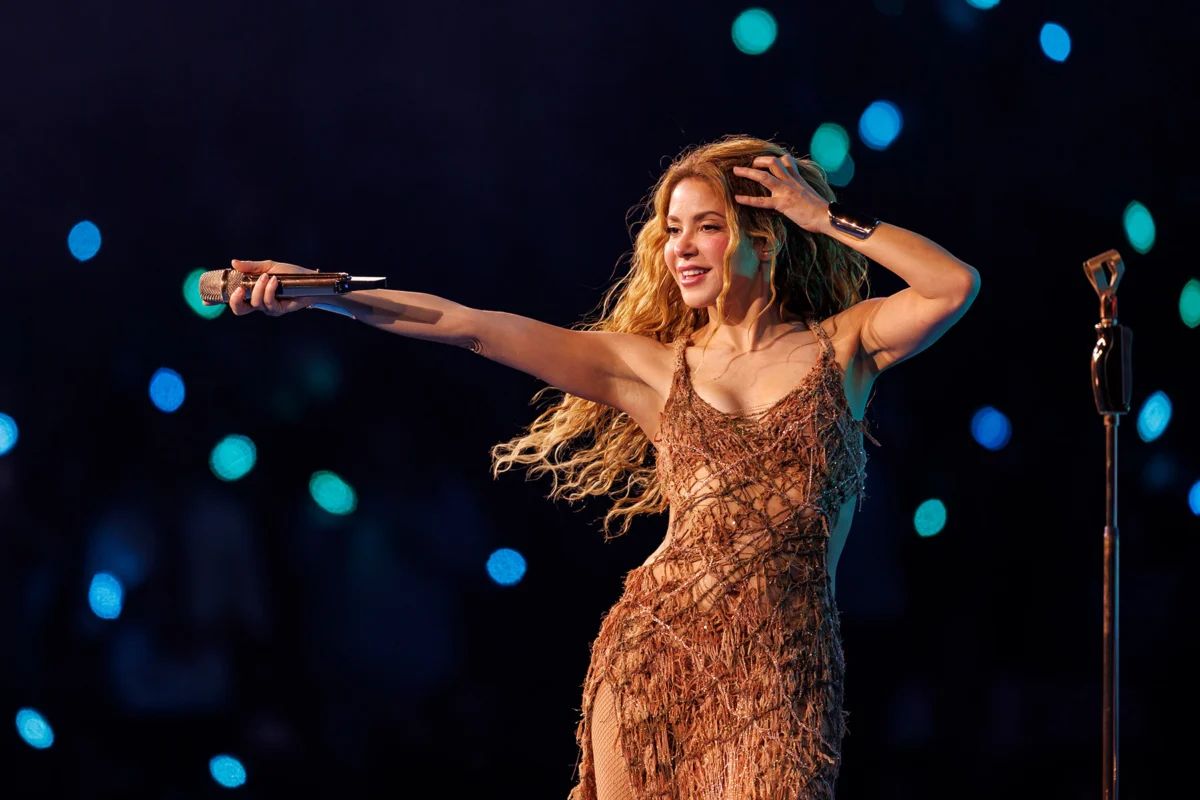
Colombian singer-songwriter and philanthropist Shakira has intensified her advocacy for international humanitarian aid, specifically targeting the restoration of the educational infrastructure in Venezuela. In a high-profile appeal issued on June 13, 2026, the global superstar called upon the heads of state of France and Germany to contribute to the FIFA Global Citizen Education Fund. This initiative, a collaborative effort between the international football governing body and the advocacy organization Global Citizen, aims to mitigate the long-term impact of the catastrophic earthquakes that struck Venezuela on June 24, 2025. Shakira’s plea highlights a critical gap in the recovery efforts, focusing on the more than 430 schools destroyed by the seismic events, which have left thousands of children without access to formal education.
The call to action was delivered via a video message shared with her millions of followers, where Shakira transitioned from her role as a global entertainer on her "Las Mujeres Ya No Lloran World Tour" to her long-standing persona as a champion for universal education. By specifically naming French President Emmanuel Macron and German Chancellor Angela Merkel (or her successor in this 2026 context), Shakira sought to leverage the influence of major "football nations" to ensure the legacy of the upcoming 2026 FIFA World Cup includes a robust commitment to social welfare and educational equity in the Global South.
The Humanitarian Crisis: A Retrospective of the June 24 Earthquakes
The urgency of Shakira’s appeal is rooted in the sheer scale of the disaster that occurred nearly a year prior. On June 24, 2025, two powerful earthquakes—measuring 7.2 and 7.5 on the Richter scale—originated near the western coast of Venezuela. The tremors caused catastrophic damage to the capital city of Caracas and the neighboring coastal state of La Guaira. The geological impact was felt as far away as Puerto Rico, triggering tsunami warnings and widespread panic across the Caribbean basin.
The human toll of the disaster has been staggering. According to data finalized by Reuters and local health authorities as of July 12, 2025, the confirmed death toll reached 4,490 individuals. Furthermore, the disaster resulted in 16,740 reported injuries and the successful rescue of 6,462 people from collapsed structures. Perhaps most daunting for the country’s long-term recovery is the displacement of its population; official reports indicate that 17,907 people were left homeless, many of whom continue to reside in temporary shelters or precarious conditions as the first anniversary of the disaster approaches.
The destruction of the educational sector has emerged as a secondary crisis. With 430 schools leveled or rendered structurally unsound, the Venezuelan Ministry of Education has faced an uphill battle in maintaining literacy and numeracy programs. Shakira’s message emphasized that without immediate intervention, thousands of students will remain without classrooms when the new academic year begins in September 2026. The funding requested is intended not only for the physical reconstruction of buildings but also for the procurement of books, the training of teachers specialized in trauma-informed care, and the provision of basic school supplies.
The FIFA Global Citizen Education Fund: A Multi-Million Dollar Ambition
The vehicle for this recovery effort is the FIFA Global Citizen Education Fund, an ambitious financial campaign designed to coincide with the 2026 FIFA World Cup, hosted by the United States, Canada, and Mexico. The campaign has set a fundraising target of $100 million, aiming to create a lasting social legacy that transcends the sporting event itself. The fund is structured to provide direct grants to educational organizations on the ground, bypassing traditional bureaucratic hurdles to ensure that aid reaches the most vulnerable populations swiftly.
A press release shared with Billboard confirmed that $500,000 has already been earmarked for immediate disbursement to organizations supporting Venezuelan children. However, this initial sum represents only a fraction of what is required to rebuild a national school system. The campaign relies on the "Pop and Policy" model championed by Global Citizen, which utilizes the cultural capital of artists like Shakira to pressure wealthy nations into fulfilling their foreign aid commitments.
The fund’s focus on education aligns with the United Nations’ Sustainable Development Goal 4, which advocates for inclusive and equitable quality education. By linking this goal to the World Cup—an event with a global viewership in the billions—FIFA and Global Citizen hope to tap into the national pride of participating countries to secure multi-million dollar pledges.
Diplomatic Precedents: Canada and Portugal Lead the Way
In her public address, Shakira took a moment to express gratitude toward the leaders who have already committed resources to the fund. She specifically highlighted the contributions of Canadian Prime Minister Mark Carney and Portuguese Prime Minister Luís Montenegro. Canada’s involvement is particularly significant given its role as one of the three host nations for the 2026 World Cup. Prime Minister Carney’s administration has positioned the country as a leader in "diplomacy through sport," emphasizing that the economic benefits of hosting the tournament should be mirrored by a commitment to global humanitarian stability.
Portugal’s early contribution also serves as a strategic benchmark. As a nation with deep historical and cultural ties to the Lusophone and broader Ibero-American world, Portugal’s support underscores the importance of regional solidarity. Shakira’s mention of these leaders was intended to create a "peer pressure" effect among the G7 and G20 nations, suggesting that if middle-power economies like Portugal can step up, then the economic engines of Europe—France and Germany—must follow suit.

Strategic Targeting of France and Germany
The specific call to President Macron and the German leadership is a calculated move. France and Germany are not only the political and economic pillars of the European Union but are also deeply ingrained in the culture of international football. France, the 2018 World Cup champions and 2022 finalists, and Germany, a four-time champion, possess the "footballing pedigree" that the FIFA Global Citizen Fund seeks to mobilize.
From a geopolitical perspective, the involvement of France and Germany would signal a renewed European commitment to Latin American stability. Venezuela’s recovery is seen by many international analysts as a linchpin for regional security. By investing in the education of the next generation of Venezuelans, donor nations are essentially investing in the long-term reduction of migration pressures and economic volatility in the Western Hemisphere.
Shakira’s rhetoric—urging these leaders to "step up and donate"—frames the contribution not as an act of charity, but as a responsibility inherent to their status as "big football nations." This strategy connects the joy and luxury of the World Cup to the stark reality of those living in the aftermath of natural disasters.
A Growing Chorus of Global Voices
Shakira is not alone in this advocacy. The campaign has successfully recruited a diverse coalition of influencers and policymakers to amplify its message. Notable figures who have released similar calls to action include:
- Charlie Puth: The American singer-songwriter has used his platform to engage younger demographics in the United States, emphasizing the importance of global interconnectedness.
- Danny Ocean: As a Venezuelan artist, Ocean provides a crucial local perspective, lending authentic emotional weight to the campaign.
- Amina Mohammed: The United Nations Deputy Secretary-General has provided the necessary institutional backing, framing the fund as a vital component of the UN’s broader humanitarian response.
- Kailash Satyarthi: The Nobel Peace Prize laureate and child rights activist has lent his moral authority to the cause, focusing on the prevention of child labor that often follows when schools are destroyed.
- Hakainde Hichilema: The President of Zambia represents the voice of the Global South, highlighting that the need for educational funding is a shared struggle across continents.
This multifaceted approach ensures that the message reaches various sectors of society—from sports fans and music lovers to high-level diplomats and corporate sponsors.
Implications for the 2026 FIFA World Cup Legacy
The success of the FIFA Global Citizen Education Fund will likely serve as a litmus test for the future of "mega-event" philanthropy. For decades, host nations and organizing bodies have faced criticism for the immense costs associated with building stadiums and infrastructure that often go unused after the final whistle. The 2026 World Cup, by integrating a $100 million educational fund into its core mission, attempts to redefine what it means to be a "host."
For Venezuela, the implications are life-changing. The reconstruction of 430 schools is a monumental task that requires more than just bricks and mortar; it requires a sustained international focus. Shakira’s intervention ensures that even as the world’s attention turns toward the excitement of the tournament in North America, the plight of those in the neighboring south is not forgotten.
The focus on foundational skills—reading, writing, and "simple math," as Shakira noted—is a pragmatic approach to disaster recovery. By restoring the foundations of learning, the fund aims to provide Venezuelan youth with the tools necessary to rebuild their own country. This "bottom-up" approach to aid is designed to foster resilience and self-sufficiency, rather than long-term dependency on foreign handouts.
Conclusion: The Path Toward September
As the September deadline for the reopening of schools approaches, the pressure on the international community is mounting. Shakira’s message serves as a bridge between the world of high-stakes celebrity and the grit of humanitarian necessity. Whether France and Germany will answer the call remains to be seen, but the visibility of the campaign has already succeeded in making the Venezuelan educational crisis a talking point on the global stage.
The "Dai Dai" singer’s commitment to this cause is a reminder that the influence of global icons can be a potent tool for social change. By leveraging the 2026 FIFA World Cup, Shakira and Global Citizen are attempting to turn a month-long sporting celebration into a multi-year catalyst for educational reform and disaster recovery. For the children of Venezuela, the stakes could not be higher; the rebuilding of their schools represents the rebuilding of their future.