Aveline Kirana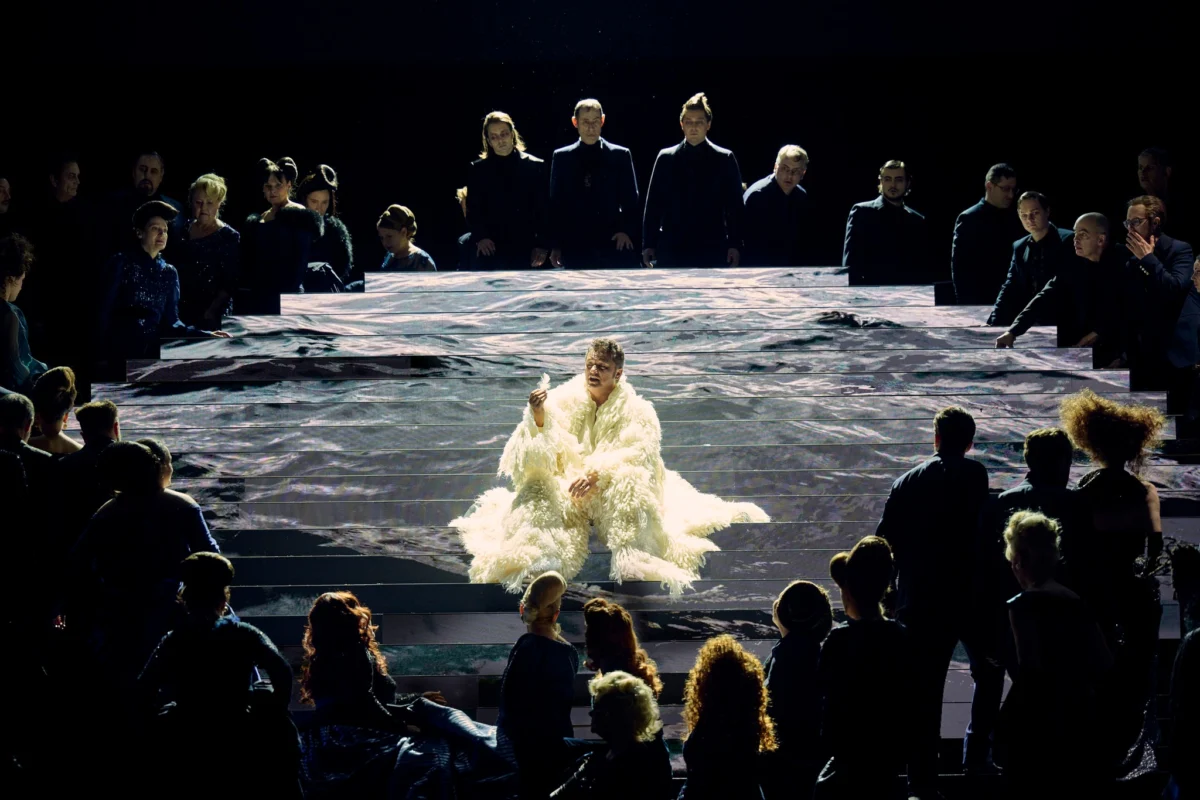
The Metropolitan Opera has once again illuminated its grand stage with Richard Wagner’s epic masterpiece, Lohengrin, a production that has captivated audiences and sparked a fervent wave of critical discussion. This revival, building upon a legacy of powerful interpretations, delves into the intricate tapestry of myth, love, betrayal, and the elusive nature of faith, all woven together by Wagner’s revolutionary musical language. The production’s return marks a significant moment in the current operatic season, drawing considerable attention from both seasoned opera aficionados and newcomers to the genre, reaffirming the enduring power of Wagner’s dramatic vision.
A Rich Tapestry of Myth and Music
Lohengrin, a seminal work in the Wagnerian canon, is set in the 10th century and tells the story of the mysterious knight Lohengrin, who arrives by boat, guided by a swan, to defend the purity of Elsa, Duchess of Brabant. Accused of her brother Gottfried’s murder, Elsa is granted a divine champion, and Lohengrin appears, pledging his unwavering support on the condition that she never question his name or origin. This foundational premise sets in motion a dramatic narrative that explores themes of trust, secrecy, societal judgment, and the ultimate consequences of doubt.
The opera’s musical score is a monumental achievement, characterized by Wagner’s signature use of leitmotifs – recurring musical themes associated with characters, objects, or emotions. These leitmotifs are masterfully interwoven, creating a rich and complex sonic landscape that mirrors the unfolding drama. From the ethereal Prelude to Act I, which evokes a sense of divine descent, to the soaring love duet in Act III, Wagner’s music is not merely an accompaniment to the drama but an integral part of its storytelling, imbuing the narrative with profound emotional depth and psychological nuance. The grand choruses, the stirring martial music, and the intimate moments of introspection all contribute to the opera’s overwhelming impact.
Historical Context and Enduring Relevance
Wagner composed Lohengrin between 1845 and 1848, a period marked by significant political and social upheaval in Germany. The opera, with its themes of heroic leadership, national identity, and the longing for a righteous sovereign, resonated deeply with the prevailing Romantic ideals of the era. It is often seen as a bridge between Wagner’s earlier Romantic operas and his later, more complex music dramas, such as the Ring cycle and Tristan und Isolde. The opera’s premiere in 1850 in Weimar, under the baton of Franz Liszt, was a landmark event, cementing Wagner’s reputation as a groundbreaking operatic composer.
The enduring relevance of Lohengrin lies in its exploration of universal human experiences. The central conflict between faith and doubt, the complexities of relationships built on unspoken truths, and the societal pressures that can lead to isolation and tragedy are themes that continue to resonate with contemporary audiences. The opera’s mythological framework allows for a timeless examination of these issues, transcending specific historical periods and cultural contexts. The Met’s current production, therefore, is not just a revival of a classic work but a contemporary engagement with its profound and often unsettling questions.
A Closer Look at the Metropolitan Opera Production
The Metropolitan Opera’s staging of Lohengrin has consistently been lauded for its visual splendor and musical excellence. While specific details of the current production’s visual design are subject to critical interpretation and audience perception, productions of Lohengrin at the Met have historically aimed to create a world that is both grand and intimate, reflecting the epic scale of Wagner’s music and the deeply personal struggles of its characters. Set designs often draw inspiration from medieval aesthetics, employing rich textures, dramatic lighting, and symbolic imagery to evoke the opera’s mythical setting. Costumes are typically elaborate, designed to reflect the social hierarchies and individual personalities of the characters.
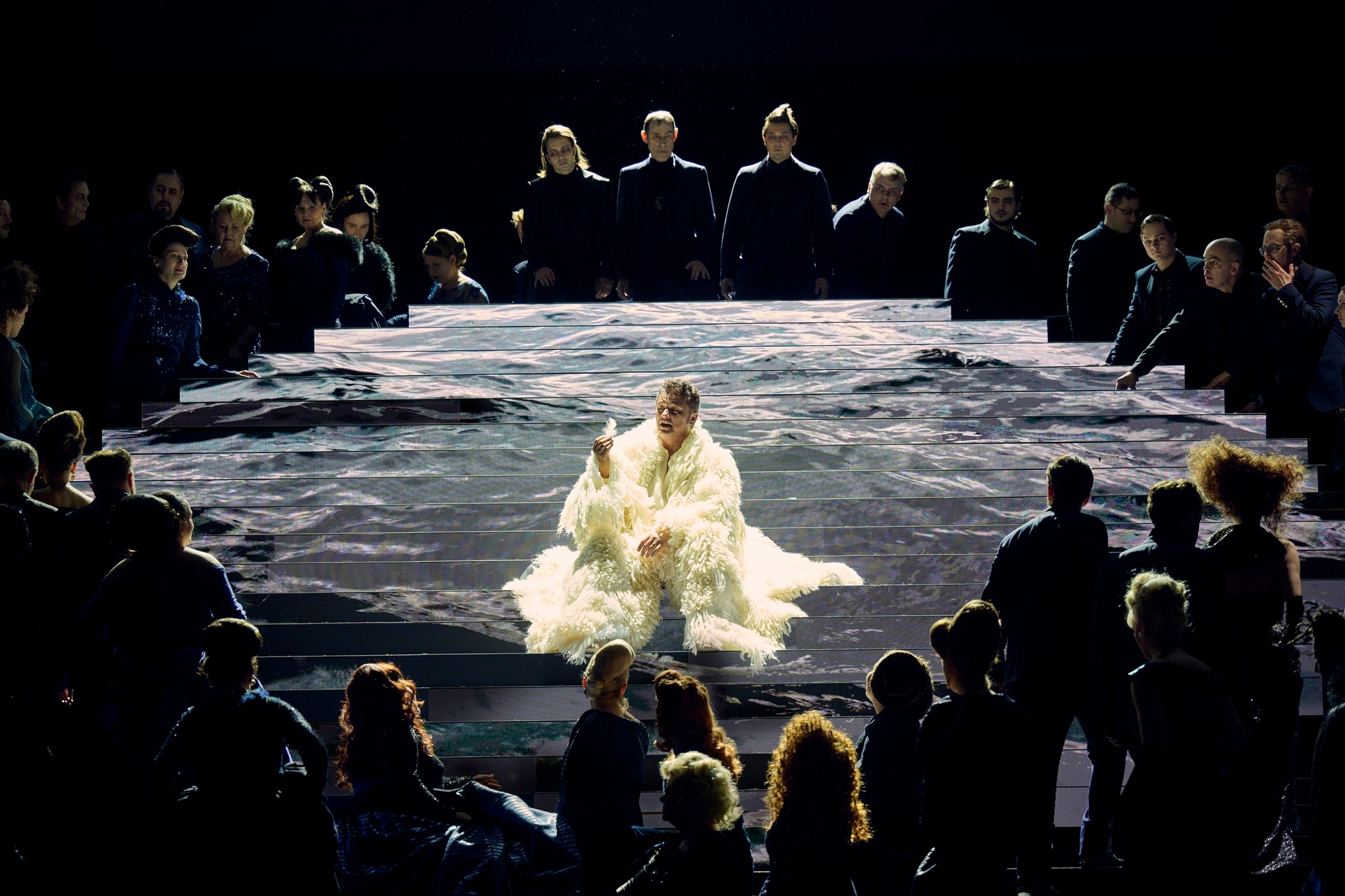
The success of any Lohengrin production hinges on the strength of its cast and the interpretive vision of its conductor. The Metropolitan Opera, with its roster of world-class singers and renowned musical leadership, is ideally positioned to deliver a performance that honors the demands of Wagner’s score. The role of Lohengrin, a vocally taxing and psychologically complex part, requires a tenor with exceptional stamina, a pure and ringing tone, and the ability to convey both heroic nobility and tender vulnerability. Elsa, the soprano lead, must possess a voice capable of expressing innocence, desperation, and the dawning realization of betrayal. The supporting roles, including the villainous Ortrud and the conflicted Telramund, demand singers who can imbue their characters with formidable dramatic presence and vocal power.
Critical Reception and Audience Engagement
The return of Lohengrin to the Met stage has been met with a predictable surge of critical analysis. Reviewers have focused on various aspects of the production, including the vocal performances, the orchestral interpretation, and the overall staging. Reports often highlight the challenges presented by Wagner’s demanding score and the singers’ ability to navigate its intricate demands. The conductor’s role in shaping the orchestral sound and pacing the dramatic arc of the opera is also a frequent point of discussion.
Audiences, too, have responded with enthusiasm. The Met’s reputation for presenting monumental works with artistic integrity ensures that Lohengrin draws a dedicated following. The opera’s dramatic narrative, coupled with its breathtaking music, creates an immersive experience that leaves a lasting impression. The prolonged applause and the palpable excitement often witnessed at the end of Wagnerian performances underscore the profound connection between the audience and the artistic vision on display. Social media platforms and opera forums have likely seen a flurry of discussion, with patrons sharing their impressions of the vocal highlights, the dramatic moments, and the overall impact of the production.
The Conductor’s Baton: Shaping the Wagnerian Soundscape
The conductor plays an absolutely pivotal role in bringing a work as complex and demanding as Lohengrin to life. Wagner’s scores are not merely blueprints for performance; they are intricate sonic architectures that require a profound understanding of their structural integrity, emotional currents, and thematic development. A conductor must possess the stamina to navigate the opera’s considerable length and the technical precision to guide a large orchestra and chorus through Wagner’s dense textures and intricate harmonic language.
Beyond technical mastery, the conductor must also be a visionary interpreter, capable of imbuing the music with the specific dramatic and emotional weight that Wagner intended. This involves making crucial decisions about tempo, dynamics, and phrasing that can dramatically alter the listener’s perception of a scene. For Lohengrin, this might mean emphasizing the ethereal beauty of Lohengrin’s arrival, the brooding intensity of Telramund and Ortrud’s machinations, or the overwhelming power of the climactic moments. The conductor’s ability to create a seamless flow between the opera’s various musical and dramatic elements is essential to maintaining audience engagement and conveying the full impact of Wagner’s narrative. The orchestral performance at the Met, under the guidance of its music director or a distinguished guest conductor, is often cited as a cornerstone of the production’s success, with critics scrutinizing the ensemble’s precision, the richness of its tone, and its responsiveness to the vocalists.
The Power of the Human Voice in Wagner’s World
The demands placed upon the singers in Lohengrin are legendary. Lohengrin himself is a role that requires a tenor of extraordinary vocal prowess, often referred to as a "heldentenor." This voice type is characterized by its power, stamina, and heroic timbre, capable of soaring over Wagner’s massive orchestral forces. The tenor must also possess the lyrical flexibility to convey Lohengrin’s compassion and the dramatic intensity to articulate his pronouncements.
Elsa’s role, while perhaps less vocally demanding in terms of sheer power, requires a soprano with a pure, luminous tone and the ability to express a wide range of emotions, from naive innocence to profound despair and eventual disillusionment. The character’s journey is central to the opera’s emotional core, and the soprano must carry this weight with conviction and vocal beauty.
Perhaps the most dramatically potent and vocally challenging roles in the opera, however, are those of the antagonists, Ortrud and Telramund. Ortrud, a sorceress and a formidable force of malice, requires a mezzo-soprano or dramatic soprano with a commanding vocal presence and the ability to convey both seductive charm and terrifying fury. Telramund, her equally ambitious and desperate husband, demands a baritone or bass-baritone capable of projecting both vulnerability and menacing resolve. The interplay between these characters and the heroic couple forms the opera’s central dramatic conflict, and the singers’ ability to embody these archetypes with vocal and dramatic force is crucial to the production’s success. The Metropolitan Opera’s casting choices for these pivotal roles are invariably a subject of keen interest and critical evaluation.
The Legacy of the Swan Knight
The figure of Lohengrin, the Swan Knight, is a powerful archetype in Wagner’s opera. He represents an ideal of chivalric virtue, divine intervention, and a mysterious, almost otherworldly justice. His arrival, heralded by the swan, is a moment of profound symbolic significance, suggesting a force that transcends earthly concerns and offers salvation. However, Lohengrin’s own narrative is one of profound personal sacrifice and the inevitable clash between his elevated ideals and the flawed realities of human society.
His strict injunction to Elsa – "Never ask my name or origin" – highlights the fragile nature of trust and the destructive power of curiosity and doubt. When Elsa succumbs to these forces, Lohengrin’s departure is not merely a personal loss but a symbolic representation of the disappearance of an ideal. This theme of the unattainable or the lost ideal resonates deeply, contributing to the opera’s enduring appeal. The Met’s staging, in its visual and dramatic choices, would have sought to amplify these symbolic dimensions, presenting Lohengrin as both a heroic figure and a poignant emblem of human limitations.
Broader Impact and the Future of Opera
The Metropolitan Opera’s commitment to staging works like Lohengrin is vital for the continued health and evolution of the art form. By presenting these monumental masterpieces with the highest artistic standards, the Met not only entertains but also educates and inspires. Such productions serve as a testament to the enduring power of operatic storytelling and its ability to engage with complex human themes.
Furthermore, the critical discourse surrounding these productions contributes to a broader understanding and appreciation of opera within the wider cultural landscape. Positive reviews and robust audience engagement can attract new patrons, fostering a more diverse and inclusive operatic community. The continued success of these grand productions at the Met suggests that audiences remain eager for the immersive, emotionally resonant, and intellectually stimulating experiences that opera uniquely offers. As the operatic world continues to evolve, the legacy of works like Lohengrin, and the commitment of institutions like the Metropolitan Opera to their revival, will undoubtedly continue to shape the future of this rich and dynamic art form. The reverberations of Wagner’s masterpiece, felt on the Met’s stage and in the hearts of its audience, will undoubtedly echo for some time to come.