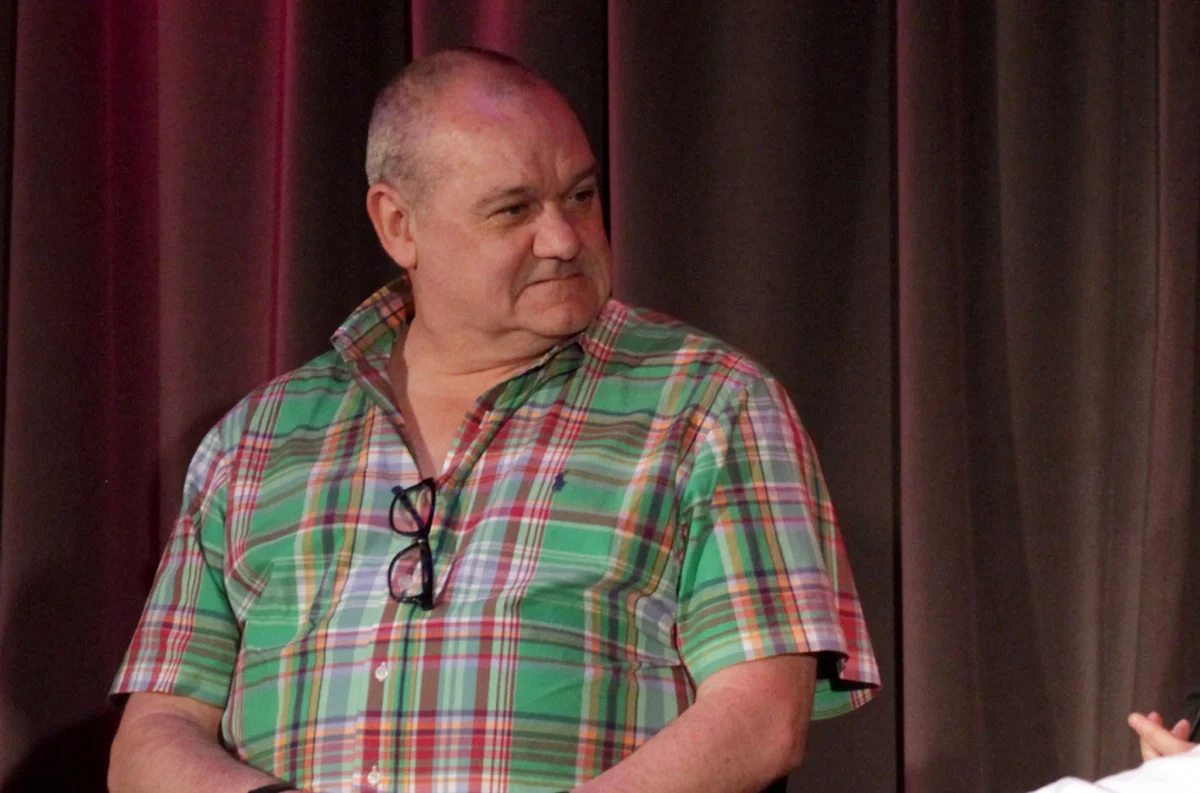
 Johan Budi
The intersection of visual art and improvised music has long provided a fertile ground for cultural expression, uniting the auditory and the visual in a shared exploration of human emotion. From Rembrandt and Basquiat to Claude Debussy and David Bowie, creative luminaries across centuries have continuously drawn inspiration from one another’s mediums. This synergy is particularly potent within the jazz genre, where spontaneity mirrors the dynamic application of paint to canvas. Saxophonist Steve Lacy famously recorded musical tributes directly informed by abstract expressionism, while Branford Marsalis crafted entire albums inspired by the visual art of Romare Bearden.
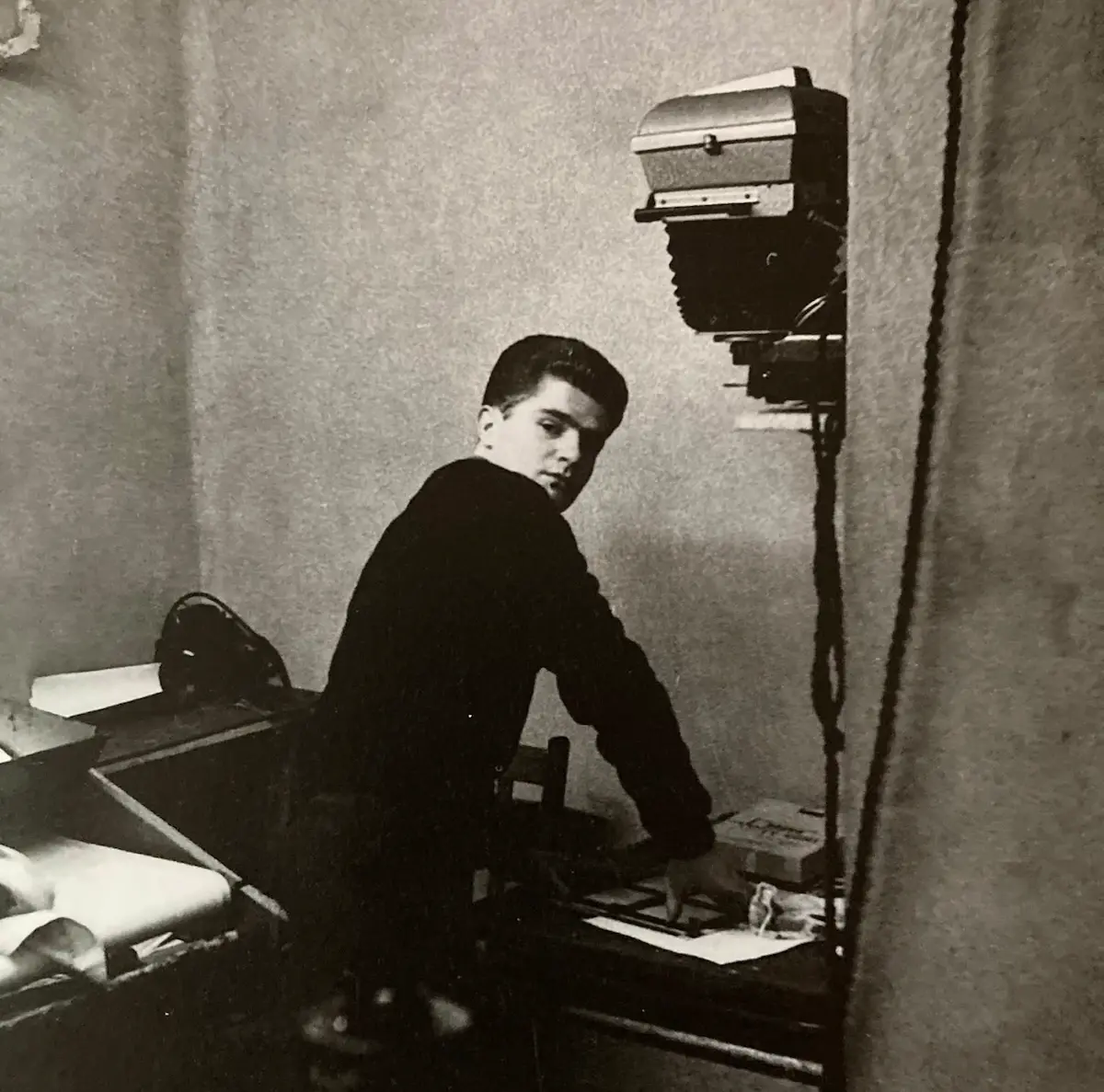
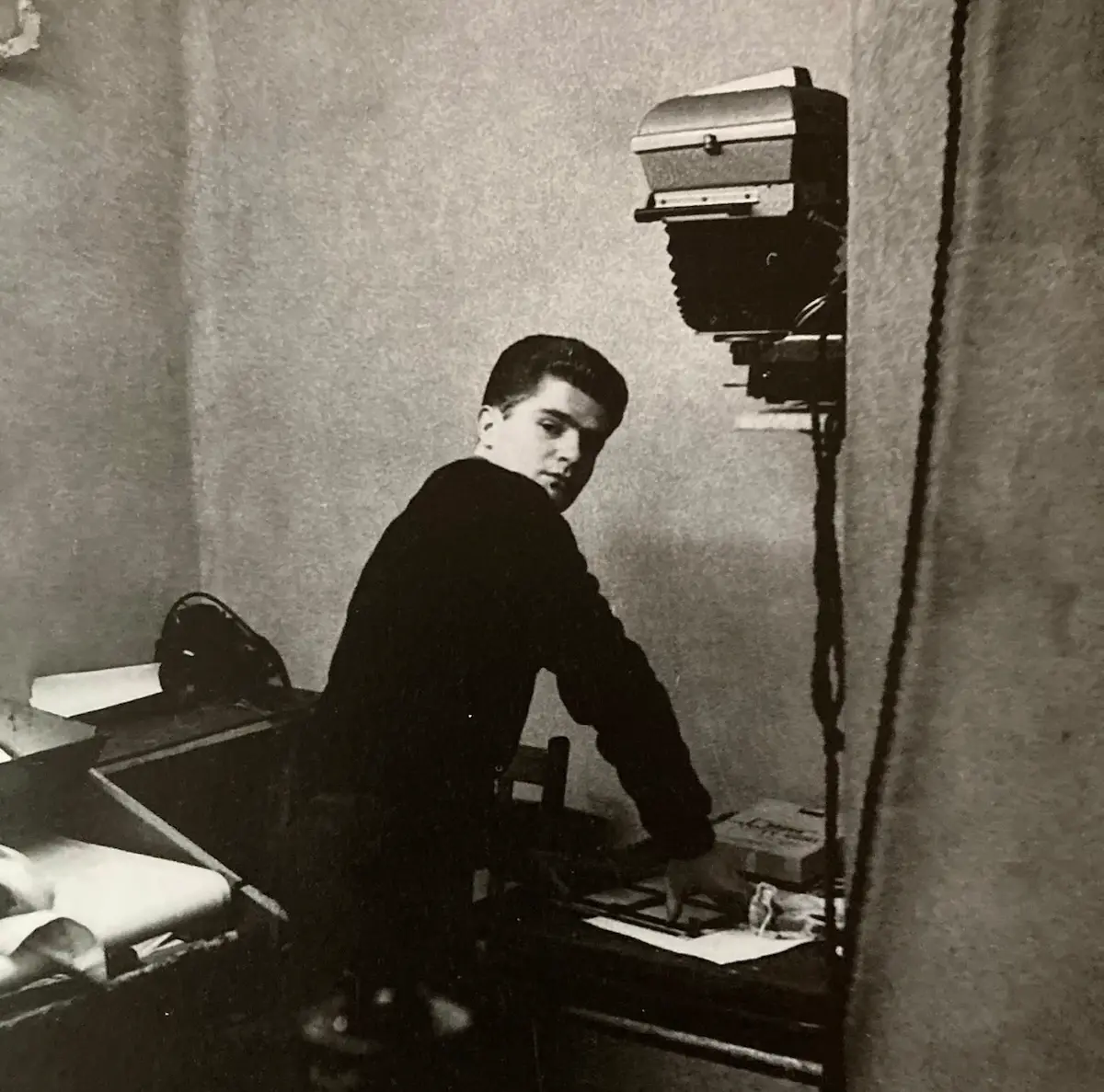
This rich historical tapestry recently expanded into the realm of documentary photography through an accidental encounter in a local barbershop. While receiving a routine haircut, an artist and painter engaged in conversation with his barber, Simon Whittle. The discussion drifted away from small talk when Whittle began recounting the legacy of his late uncle, Freddy Warren. A devoted jazz aficionado and talented photographer, Warren spent the 1950s and 1960s chronicling the vibrant scene inside London’s legendary Ronnie Scott’s Jazz Club. Through his camera lens, Warren successfully froze legendary figures in time, capturing monumental talents such as Miles Davis, Ella Fitzgerald, Thelonious Monk, and Duke Ellington at the height of their artistic powers.
The forthcoming exhibition at the Rose Theatre in Kingston upon Thames, running from November 16 to January 16, brings these historic images back into the public eye. Pairing Warren’s vintage prints with contemporary artworks inspired by jazz, the exhibition bridges decades of musical and visual heritage.
An Accidental Education in Mid-Century Jazz
The stories shared across the barber’s chair offered a rare glimpse into the private lives of mid-century jazz icons who crossed the Atlantic to perform in post-war London. Among the most striking anecdotes recounted by Simon Whittle was an evening in the late 1950s. Whittle, then approximately 14 years old, was staying at his uncle’s apartment located in the Euston area of London. An unnamed visitor arrived to listen to newly released jazz records. For hours, the host and his guest drank coffee, listened to music, and engaged in deep conversation. Whittle was briefly introduced to the gentleman simply as Yusef. It was only decades later, with the benefit of hindsight and cultural research, that Whittle realized he had spent his teenage evening in the company of Yusef Lateef, the pioneering American multi-instrumentalist, composer, and NEA Jazz Master.
Another notable encounter involves Miles Davis, whose legendary penchant for style and sharp observation is well-documented. While Warren was photographing the iconic trumpeter backstage during a London engagement, Davis’s attention was captured by Warren’s wristwatch. Expressing an immediate admiration for the accessory, Davis made an impromptu offer to purchase it on the spot. Warren accepted the transaction. Observant visitors to the upcoming Kingston exhibition will be able to spot that exact timepiece adorning the wrist of Miles Davis in the promotional poster imagery.

Tragedy, Rescue, and Preservation
The narrative surrounding Freddy Warren’s archive took a devastating turn in 2010 when the photographer tragically lost his life in a residential fire. In the immediate aftermath of the disaster, Simon Whittle undertook the harrowing and delicate task of sifting through the charred remains of his uncle’s home. Against significant odds, Whittle managed to rescue thousands of photographic negatives and prints that had miraculously survived the flames.
Recognizing the immense historical and cultural value of the salvage operation, Whittle embarked on a tireless campaign of preservation and advocacy. His dedication gradually bore fruit as cultural institutions and media outlets began to take notice. Warren’s evocative black-and-white images eventually found their way onto contemporary record sleeves, providing a visual bridge to classic jazz releases. Furthermore, major features in publications such as The Guardian brought nationwide attention to the hidden archive.
A significant portion of Warren’s work secured a permanent home inside Ronnie Scott’s Jazz Club in Soho, returning the images to the exact geographical coordinates where many of them were originally captured. The preservation milestone reached a literary zenith in 2019 with the publication of a dedicated monograph chronicling Warren’s work between 1959 and 1969. Annotated by Simon Whittle and jazz writer Graham Marsh, the volume cemented Warren’s status as a vital documentarian of British jazz history.
Bringing the Archive to the Rose Theatre
Despite the success of the 2019 publication and the permanent installations in Soho, the physical exhibition of vintage photographic prints remains a logistical challenge. The artist-organizer behind the upcoming Rose Theatre showcase recognized early on that the creation of art is only the initial phase of cultural dissemination; securing public visibility often proves to be the more formidable hurdle.
Motivated by the power and resonance of Warren’s photography, the organizer spearheaded the curation of a comprehensive exhibition at the Rose Theatre in Kingston upon Thames. The curatorial vision extends beyond a simple retrospective of historical photographs. Instead, Warren’s mid-century prints will be hung in direct dialogue with a curated group of contemporary artists. These modern creators have produced original works explicitly inspired by the idiom of jazz, creating a generational and cross-medium conversation within the gallery space.
Exhibition Details and Logistics
The exhibition opens to the public on November 16 and will run through January 16, welcoming visitors daily at the Rose Theatre.
- Location: Rose Theatre, 24–26 High Street, Kingston upon Thames, KT1 1HL
- Opening Hours: 10:00 to 15:00 daily
- Official Website: rosetheatre.org
Broader Cultural Implications and Legacy
The rediscovery and public presentation of Freddy Warren’s photographic archive offer important insights into the transatlantic exchange of jazz during the mid-20th century. During the 1950s and 1960s, London served as a vital European hub for American jazz musicians seeking receptive audiences and appreciative cultural critics. Photographers like Warren did not merely record performances; they documented a critical era of social and artistic integration where jazz transcended racial and geographic boundaries.
By placing Warren’s archival prints alongside contemporary artistic responses, the Rose Theatre exhibition underscores the enduring relevance of jazz iconography. As historical distance increases between the golden age of Ronnie Scott’s club and the modern era, primary documents such as Warren’s negatives serve as irreplaceable historical artifacts. They provide researchers, musicologists, and art enthusiasts with an unfiltered visual record of an ephemeral art form, ensuring that the foundational figures of jazz remain vividly present for future generations of creators and fans.