Nayara Elvina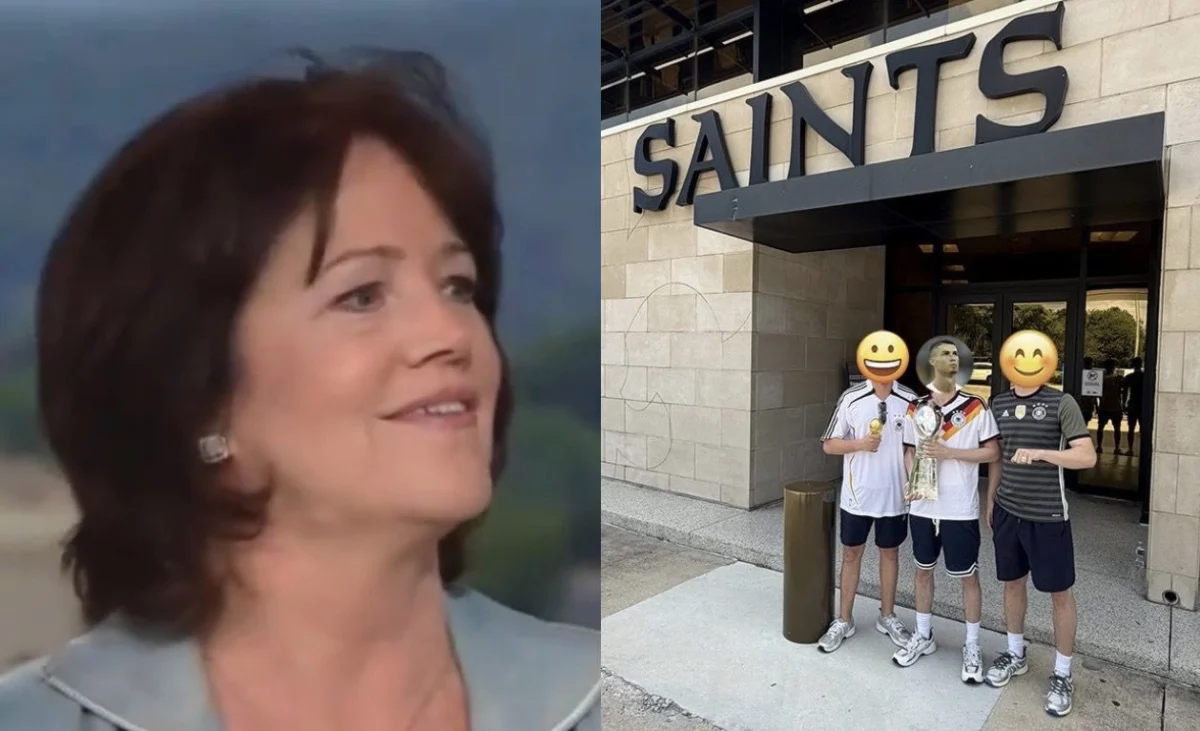
The 2026 FIFA World Cup, the largest and most geographically expansive iteration of the world’s premier sporting event, has transformed North America into a sprawling stage for cultural exchange. While the competition on the pitch among 48 nations has drawn global viewership in the billions, an unexpected narrative has emerged off the field: the viral documentation of the American experience by international visitors. Among the millions of fans traversing the continent, a German tourist identified as Freddy (@FreddyLA7) has become a focal point of media attention, illustrating a stark contrast between international media portrayals of the United States and the lived reality of foreign travelers, particularly within the American South.
As the tournament progresses through its various stages across the United States, Canada, and Mexico, social media platforms have been flooded with "first-time" reactions from visitors. These accounts provide a unique window into the contemporary American landscape, highlighting everything from the logistical scale of the infrastructure to the idiosyncratic nature of regional traditions. Freddy’s journey, which has seen him visit iconic Southern staples such as Waffle House, Buc-ee’s, and major collegiate athletic facilities, has resonated with millions, sparking a broader conversation regarding "Southern hospitality" and the current state of American "soft power" on the global stage.
A Chronology of the "German Ella Fella" Viral Journey
The trajectory of Freddy’s American road trip began in early June 2026, coinciding with the opening matches of the World Cup. His documentation of the trip began as a series of earnest observations about American consumer culture and public spaces, but quickly evolved into a high-profile tour of the Deep South.
On June 8, 2026, Freddy shared his first major cultural milestone: a 1:00 a.m. visit to a Waffle House. His review—"Great food, great prices, and friendly staff. 10/10"—struck a chord with American users accustomed to the restaurant’s reputation as a reliable, if sometimes chaotic, cultural institution. This initial post served as the catalyst for his rapid rise in social media prominence, as domestic users began recommending further stops on his itinerary.
By June 10, the focus of the journey shifted toward American music. Freddy reported that despite having no prior exposure to the genre, he had become an enthusiast of country music artist Ella Langley. Describing her music as the "soundtrack of our trip," Freddy noted that her songs were ubiquitous on regional radio stations. This led to a direct interaction with the artist herself, who invited the German group to a concert on June 18, including a personal meet-and-greet session.
The middle of June saw the group move through Alabama and Louisiana. On June 12, the tour took on a professional sports dimension when the New Orleans Saints and the New Orleans Pelicans of the NFL and NBA, respectively, invited the group for a tour of their facilities. Simultaneously, Louisiana State University (LSU) in Baton Rouge provided a warm reception, further cementing the theme of institutional hospitality. Throughout this period, Freddy’s content highlighted quintessential American imagery, such as the flight of a bald eagle at Auburn University’s stadium and the overwhelming variety of products in American supermarkets.
Cultural Landmarks and the Consumer Experience
The fascination displayed by international fans like Freddy toward American retail and dining establishments provides significant insight into the country’s cultural exports. For many European visitors, the sheer scale of American "supercenters" and convenience stores represents a radical departure from the more localized, compact retail environments found in cities like Berlin or Munich.
Buc-ee’s, the Texas-based chain of travel centers known for their massive footprints and cult-like following, has featured prominently in 2026 World Cup travelogues. For international fans, these locations are not merely gas stations but destinations that offer a concentrated dose of Americana. Similarly, the "Waffle House experience" has been documented by numerous fans as a quintessential late-night ritual. While domestic media often focuses on the potential for conflict at such establishments, the international perspective has largely been one of appreciation for the egalitarian nature of the venues and the friendliness of the service.
This "childlike wonder," as described by some social media observers, highlights a significant disconnect. While domestic discourse often focuses on internal divisions, the international visitor’s lens often finds beauty in the mundane aspects of American life—from the availability of 10,000 varieties of soda to the vastness of the interstate highway system.
Media Analysis: The "Inhospitable" Narrative vs. Reality
The viral success of Freddy’s trip eventually caught the attention of major news outlets, leading to a segment on CNN that sparked its own secondary controversy. During the broadcast, sports analyst Christine Brennan expressed surprise at the warm reception the German tourists received in the American South.
"I saw some conversation… about how the rest of the world is looking at the United States and feeling that we are—it’s a foreboding image and that we are inhospitable," Brennan remarked. "And here is a German tourist… saying, ‘No, no, no, the Americans are great.’ So what a shame that that’s the image that the world has… but how wonderful, again, that sports can bring people here and show people that the United States and, you know, the South is welcoming a German tourist in a way we would never have anticipated."
Brennan’s comments reflect a persistent trope in certain media circles that characterizes the American South as inherently less welcoming or more insular than other regions. However, for residents of the South and those familiar with the region’s cultural norms, the "foreboding image" described by Brennan appeared to be a projection of media narratives rather than a reflection of reality. The concept of Southern hospitality—a cultural tradition of kindness, warmth, and welcoming strangers—remains a foundational element of the region’s identity. The fact that an international visitor found the South to be welcoming was not a surprise to those living there, but rather a confirmation of long-standing regional values.
Economic and Strategic Implications of World Cup Tourism
The 2026 World Cup is projected to have an unprecedented economic impact on the host nations. Initial estimates from the Boston Consulting Group suggested that the tournament could generate approximately $5 billion in short-term economic activity. For host cities in the South, such as Atlanta, Dallas, Houston, and Miami, the influx of international visitors represents a critical opportunity for "destination branding."
The success of fans like Freddy in navigating the South and documenting positive experiences serves as a form of organic marketing that money cannot buy. In a geopolitical sense, this contributes to the United States’ "soft power"—the ability to influence through cultural appeal rather than coercion. When millions of viewers in Europe and beyond see a German fan being treated with dignity and enthusiasm in Louisiana or Alabama, it counters negative stereotypes and fosters a more nuanced global perception of the American people.
Furthermore, the integration of local sports teams—like the Saints and LSU—into the tourist experience demonstrates a sophisticated understanding of brand synergy. By welcoming international fans, these organizations expand their global footprint, potentially cultivating new fans in markets where American football or collegiate sports are traditionally less popular.
The Role of Country Music as a Cultural Ambassador
The discovery of Ella Langley by the German travelers underscores the shifting landscape of American music. In 2026, country music has moved beyond its traditional geographic borders to become a dominant force in the global streaming market. Langley, an Alabama native, represents a new generation of artists whose work blends traditional country themes with modern production, making it accessible to international ears.
The fact that a German soccer fan could arrive in the U.S. and, within days, become a "big fan" of a country artist speaks to the genre’s current vitality. Radio remains a powerful medium in the American South, and the group’s observation that Langley was the "soundtrack of their trip" highlights the role of local media in shaping the tourist experience. The subsequent invitation to a concert and a meet-and-greet illustrates the accessibility of American artists and their willingness to engage with new audiences, further enhancing the "hospitable" image of the country.
Conclusion: The Lasting Legacy of the 2026 World Cup
As the 2026 FIFA World Cup continues, the story of Freddy the German fan serves as a reminder that the true value of international sporting events often lies in the human connections made outside the stadiums. The "generational run" of this particular visitor has dismantled media-driven myths about American inhospitality and showcased the enduring strength of Southern culture.
While analysts may continue to debate the "foreboding image" of the United States, the reality on the ground—found in the booths of Waffle Houses, the aisles of Buc-ee’s, and the sidelines of LSU—tells a different story. The South has proven to be a formidable host, welcoming the world with a level of enthusiasm that, while perhaps surprising to some in the media, is entirely consistent with its heritage. As the tournament moves toward its conclusion, the legacy of these viral moments will likely persist, offering a blueprint for how sports can bridge cultural divides and present a more authentic version of the American experience to the world.