 Reynand Wu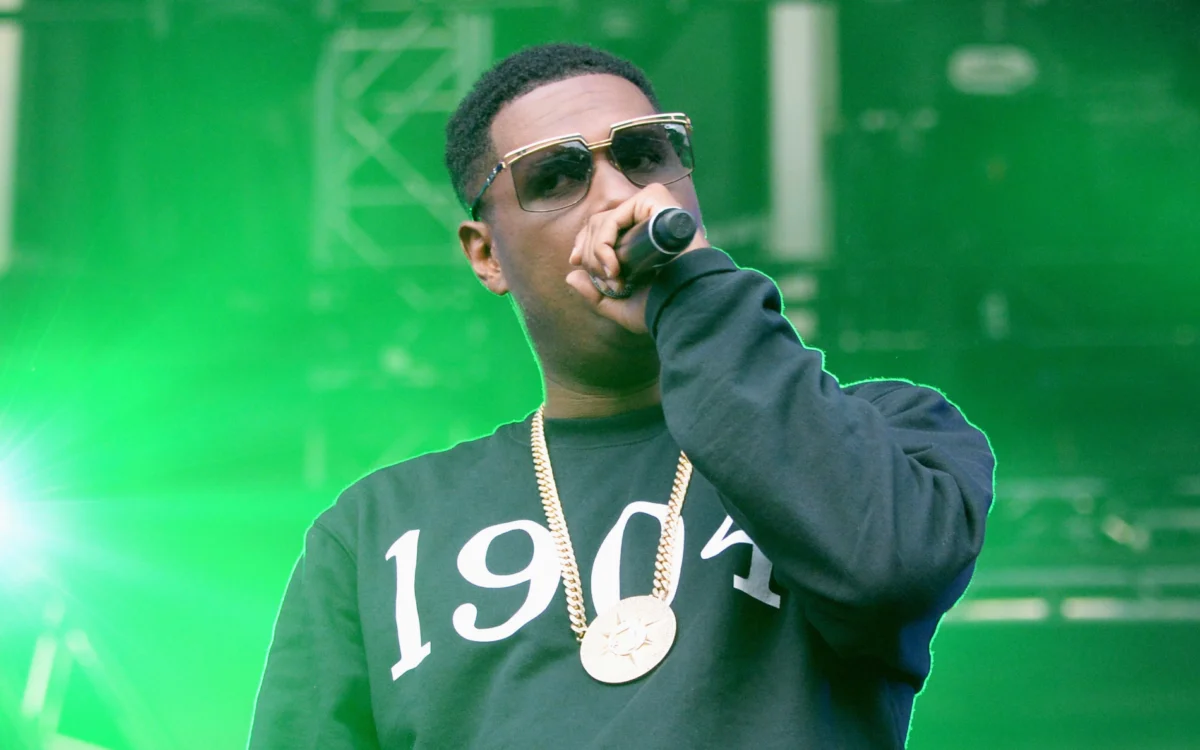
The enigmatic Roc Nation recording artist, Jay Electronica, found himself embroiled in a heated on-stage and in-crowd confrontation during his recent performance in Los Angeles, California, after a segment of the audience expressed dissatisfaction with his acapella rendition of the critically acclaimed track "Exhibit C." The incident, which unfolded on Saturday, April 4, 2026, at The Compound, quickly escalated, leading the rapper to directly challenge hecklers in the audience, prompting widespread discussion across social media platforms and within the hip-hop community regarding artist-fan dynamics and live performance expectations.
A Detailed Account of the Compound Incident
The evening began like many others on Jay Electronica’s "Nineteen Day Reconnaissance Tour," with anticipation high for a performer known for his intricate lyricism and infrequent public appearances. However, the atmosphere shifted dramatically when the New Orleans native chose to perform "Exhibit C," a cornerstone of his discography revered for its intricate wordplay and iconic Just Blaze production, without its accompanying instrumental. This creative decision was met with a chorus of boos from a faction of the attendees, signaling their clear preference for the track’s original, beat-laden presentation.
Footage from the concert, which swiftly circulated across social media, captured the pivotal moments of the confrontation. Jay Electronica, visibly perturbed by the negative reception, halted his set to address the discontent directly. His initial response was a stark demand for respect and attention to his lyrical craft. "If you fuck with me, shut the fuck up and listen to the bars!" he asserted, emphasizing his dedication to the lyrical essence of his music. He continued, categorizing the dissenters as adversaries: "Whoever boos, we know you the enemy, n*gga, and you a coward! ‘Cause you won’t boo in my face." This challenge set the stage for a more direct engagement.
True to his word, Jay Electronica then descended from the stage, plunging into the sea of fans with microphone in hand. He walked through the crowd, reiterating his challenge and daring those who had booed to voice their disapproval directly to him. The dramatic move silenced many of the hecklers, a reaction he quickly pointed out: "See how they shut the fuck up! They pussy!" He then clarified his position, distinguishing between his loyal fanbase and those he perceived as disruptive. "My fans know I ain’t talking to them. We on the same team… I came here to swing my sword at the enemy. If you want to boo, that’s fine; I’ve been booed at concerts before. But grow some nuts and boo in my face."
One particularly viral clip showcased the rapper confronting a male attendee face-to-face, delivering a reprimand that spontaneously flowed into a rhyme. Drawing from his verse on "Abracadabra (A Written Testimony: Leaflets)," he declared, "Ms. Dorothy raised me up on the psalms of David / Plus worked her whole life, day and night on grave shift / So just know Jay Electronica ain’t to be played with!" This spontaneous lyrical retort underscored his reputation as a master wordsmith, even in moments of intense personal conflict.
The Significance of "Exhibit C" and Fan Expectations
To fully grasp the magnitude of the audience’s reaction, it is crucial to understand the context surrounding "Exhibit C." Released in 2009, "Exhibit C" quickly ascended to cult status within the hip-hop community. Produced by the legendary Just Blaze, the track is celebrated not only for Jay Electronica’s intricate, multi-layered lyricism but also for its iconic, sample-driven beat. Just Blaze’s production, characterized by its soulful sampling and hard-hitting drums, is often considered inseparable from the lyrical narrative, creating a symbiotic relationship that defines the song’s appeal.
For many fans, "Exhibit C" represents a pinnacle of modern lyrical hip-hop, a track that solidified Jay Electronica’s reputation as a prodigy even before the release of a formal debut album. The expectation among concert-goers for such an iconic track is often to experience it in its most recognized form, with the full instrumental backing. Performing it acapella, while showcasing the raw talent of the MC, can be perceived by some as a deviation from the expected live experience, particularly for a song where the beat plays such a defining role in its emotional and sonic impact.
This incident highlights a perennial tension in live hip-hop: the balance between an artist’s creative freedom and audience expectations. While some fans appreciate an artist’s willingness to experiment or showcase raw skill, others attend concerts with a desire to relive the studio versions of their favorite tracks, especially those with deeply ingrained instrumental identities. The boos at The Compound were not necessarily a rejection of Jay Electronica’s talent, but rather a vocalization of a specific preference for how a beloved piece of music should be presented live.
Jay Electronica’s Enigmatic Career and Public Persona
Jay Electronica’s career trajectory is as unique and unpredictable as his lyrical style. Emerging from New Orleans, he gained significant traction in the mid-2000s through online releases and buzz-generating mixtapes. His reputation as a lyrical savant grew exponentially, fueled by tracks like "Exhibit C" and "Eternal Sunshine (The Pledge)." His mystique was further amplified by his elusive nature, frequent delays in releasing a debut album, and a penchant for disappearing from the public eye for extended periods.
His signing to Jay-Z’s Roc Nation in 2010 was seen as a watershed moment, promising the long-awaited mainstream breakthrough. However, it took another decade for his official debut album, A Written Testimony, to materialize in 2020. Even then, the album notably featured extensive contributions from Jay-Z himself, adding another layer to Electronica’s unconventional path. This history of high expectations, delayed gratification, and an almost mythical status has cultivated a dedicated, yet sometimes demanding, fanbase.
His recent "Nineteen Day Reconnaissance Tour" comes on the heels of a prolific, albeit surprising, period of releases in the preceding year, including A Written Testimony: Leaflets, A Written Testimony: Power At The Rate of My Dreams, and A Written Testimony: Mars, The Inhabited Planet. These projects, seemingly delivered in quick succession, contrasted sharply with his previous reputation for meticulous, slow-paced output. On the track "Four Billion, Four Hundred Million 4,400,000,000 / The Worst Is Yet To Come," he even claimed to have "gave [JAY-Z] nineteen albums in one day and he ain’t have to pay me," further solidifying his image as an artist who operates on his own terms, often outside conventional industry norms.
This established persona of an uncompromising, fiercely independent artist provides crucial context for his reaction at The Compound. For an artist who has consistently defied expectations and embraced his own artistic vision, a direct challenge to his performance choices might be perceived not merely as criticism, but as an affront to his artistic integrity and autonomy.
The Amplifying Effect of Social Media
The rapid dissemination of footage from the Los Angeles concert underscores the profound impact of social media on contemporary live events. Within hours, clips of Jay Electronica’s confrontation were shared widely across platforms like Twitter, Instagram, and TikTok, reaching millions globally. This immediate and extensive exposure transformed what might have once been a localized concert incident into a major news story and a subject of intense public debate.
Social media’s role is multifaceted: it serves as an instant news outlet, a platform for fan reactions (both supportive and critical), and a space for broader cultural commentary. The viral nature of the clips meant that many who viewed them were not present at the concert, experiencing the event through a curated, often decontextualized, lens. This can shape public perception, sometimes amplifying the drama or misinterpreting the nuances of the live interaction.
The incident sparked a range of reactions online. Many fans lauded Jay Electronica for his authenticity and willingness to confront hecklers directly, viewing it as a display of passion and self-respect. Others criticized his aggressive approach, suggesting that artists should maintain composure and engage with criticism more diplomatically. The debate often centered on the boundaries of artist-fan interaction: to what extent are fans entitled to express displeasure, and how should artists respond when faced with such dissent? This digital echo chamber ensures that such incidents resonate far beyond the confines of the concert venue, shaping the artist’s narrative and influencing future interactions.
Implications for Artist-Fan Relations and Tour Dynamics
The confrontation at The Compound carries several implications for Jay Electronica, his ongoing tour, and the broader landscape of artist-fan relations. For Jay Electronica, the incident reinforces his image as an artist who values raw expression and lyrical purity above all else, even if it means clashing with his audience. While some might view it as unprofessional, others will undoubtedly find it an endearing quality, aligning with his long-standing reputation as an unconventional and uncompromising figure.
The "Nineteen Day Reconnaissance Tour," which commenced last month in Toronto, is a significant undertaking for an artist known for his sporadic live appearances. Having already performed in cities such as Seattle, Portland, and several Canadian locales, the tour is set to continue to Las Vegas, Orlando, Miami, Austin, Dallas, Houston, and Virginia Beach, before concluding on May 9 in Richmond, Virginia. Incidents like the one in Los Angeles, while potentially disruptive, can also generate increased publicity and curiosity, driving attendance as fans wonder what unpredictable moments might unfold next. However, it also raises questions about potential shifts in audience behavior at subsequent stops, with some fans possibly emboldened to test boundaries, while others might exercise more caution.
More broadly, this event contributes to the ongoing conversation about concert etiquette and the evolving dynamic between performers and their audiences. In an era where artists are increasingly accessible through social media, the expectation of a personalized or interactive experience at live shows can sometimes blur the lines of respect and appropriate behavior. The incident serves as a stark reminder that while artists appreciate fan engagement, there are boundaries, and direct confrontation, while rare, remains an option for those who feel their artistic integrity or personal space is being violated.
From an industry perspective, Roc Nation, Jay Electronica’s label, likely monitors such events closely. While the label values artistic freedom, ensuring artist safety and maintaining a positive public image are also paramount. Such incidents, while potentially generating buzz, also present challenges in managing public perception and ensuring smooth tour operations. The incident may prompt internal discussions about artist-audience engagement protocols, particularly for artists with a history of passionate, unscripted interactions.
Conclusion
Jay Electronica’s fiery confrontation with hecklers at his Los Angeles concert over an acapella performance of "Exhibit C" stands as a vivid illustration of the complex, often volatile, relationship between artist and audience in live music. Rooted in the specific context of "Exhibit C"’s iconic status and Jay Electronica’s unique, uncompromising artistic persona, the incident quickly transcended the concert venue, amplified by the pervasive reach of social media.
While the event sparked debate about appropriate concert behavior and artistic interpretation, it also reaffirmed Jay Electronica’s identity as a fiercely independent lyrical powerhouse who demands respect for his craft. As his "Nineteen Day Reconnaissance Tour" continues, the Los Angeles incident will undoubtedly remain a talking point, influencing perceptions and shaping expectations for the remaining dates, and cementing its place as a memorable, albeit contentious, chapter in the rapper’s already storied career. The episode underscores that for some artists, the performance extends beyond the stage and into a direct, unvarnished dialogue with those who come to witness their art.